Dang Kai, Yu Han-Jie, Xu Shen-Hui, Ma Tian-Ran, Wang Hui-Ping, Li Yang, Li Zheng, Gao Yun-Fang
Key Laboratory of Resource Biology and Biotechnology in Western China, Ministry of Education, Northwest University, Xi'an, China.
Laboratory for Bone Metabolism, Key Laboratory for Space Bioscience and Biotechnology, School of Life Sciences, Northwestern Polytechnical University, Xi'an, China.
Front Physiol. 2020 Feb 7;11:37. doi: 10.3389/fphys.2020.00037. eCollection 2020.
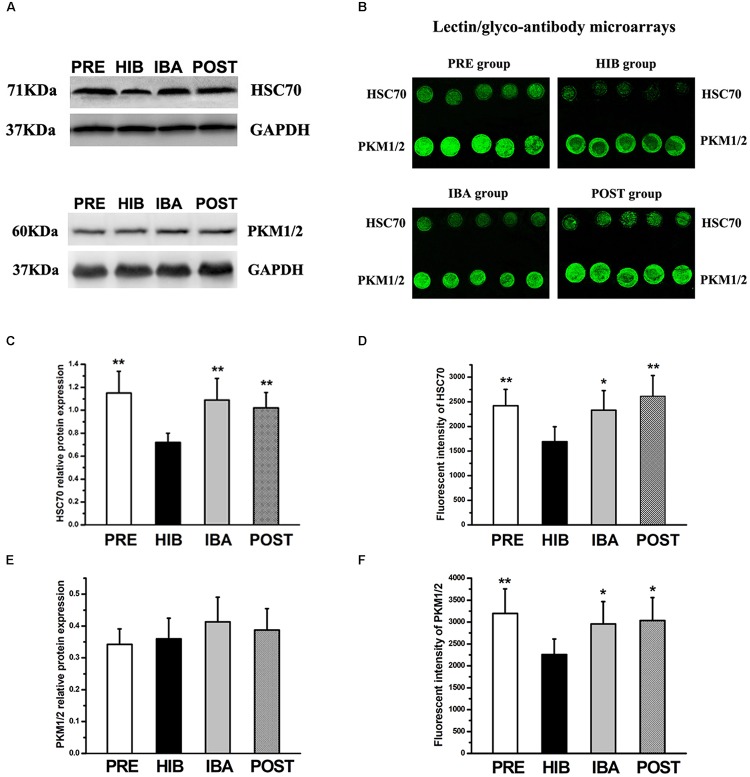
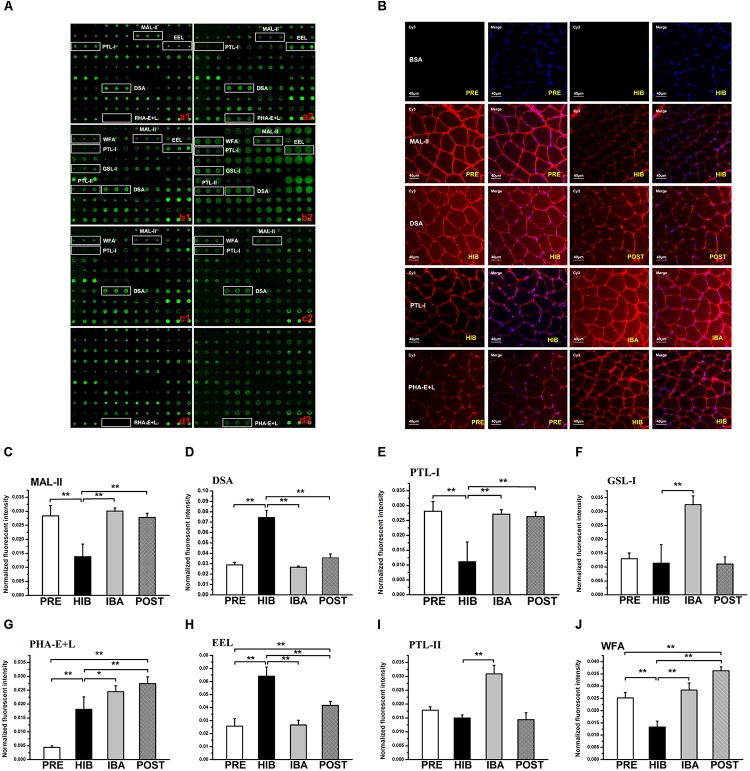
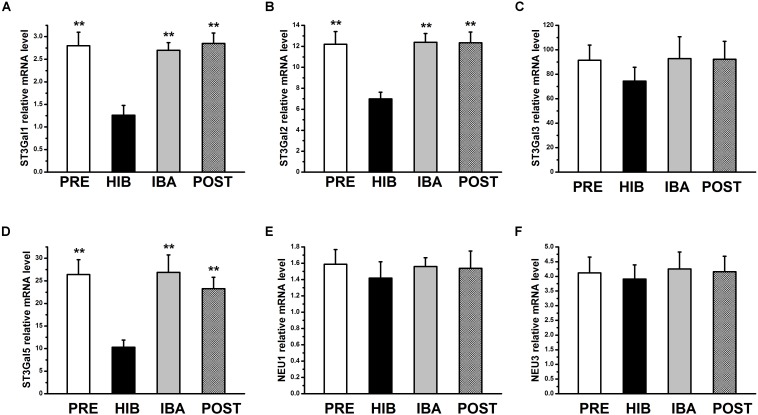
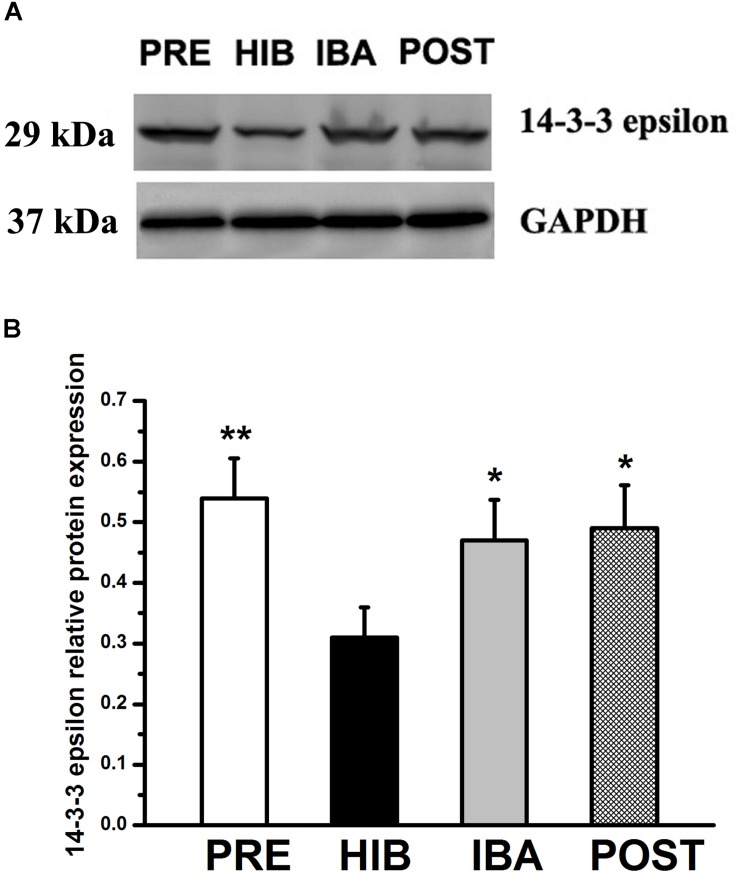
As the most common post-translational protein modification, glycosylation is intimately linked to muscle atrophy. This study aimed to investigate the performance of protein glycosylation in the soleus muscle (SOL) in Daurian ground squirrels () and to determine the potential role of protein glycosylation in the mechanism underlying disuse muscle atrophy prevention. The results showed that (1) seven glycan structures comprising sialic acid α2-3 galactose (SAα2-3Gal) were altered during hibernation; (2) alterations in the SAα2-3Gal structure during hibernation were based on changes in the expression levels of beta-galactoside alpha-2 and 3-sialyltransferases; and (3) α2-3-linked sialylated modifications of heat shock cognate 70 and pyruvate kinase and expression of 14-3-3 epsilon protein were oscillatorily changed during hibernation. Our findings indicate that the skeletal muscles of hibernating Daurian ground squirrels maintain protein sialylation homeostasis by restoring sialylation modification during periodic interbout arousal, which might protect the skeletal muscles against disuse atrophy.
作为最常见的蛋白质翻译后修饰,糖基化与肌肉萎缩密切相关。本研究旨在探究达乌尔黄鼠比目鱼肌(SOL)中蛋白质糖基化的表现,并确定蛋白质糖基化在预防废用性肌肉萎缩机制中的潜在作用。结果表明:(1)七种包含唾液酸α2-3半乳糖(SAα2-3Gal)的聚糖结构在冬眠期间发生了改变;(2)冬眠期间SAα2-3Gal结构的改变基于β-半乳糖苷α2和3-唾液酸转移酶表达水平的变化;(3)热休克同源蛋白70和丙酮酸激酶的α2-3连接唾液酸化修饰以及14-3-3ε蛋白的表达在冬眠期间呈振荡变化。我们的研究结果表明,冬眠的达乌尔黄鼠骨骼肌通过在周期性的间眠觉醒期间恢复唾液酸化修饰来维持蛋白质唾液酸化稳态,这可能保护骨骼肌免受废用性萎缩。