Moncalvo Filippo, Martinez Espinoza Maria Isabel, Cellesi Francesco
Dipartimento di Chimica, Materiali e Ingegneria Chimica "G. Natta", Politecnico di Milano, Milan, Italy.
Front Bioeng Biotechnol. 2020 Feb 14;8:89. doi: 10.3389/fbioe.2020.00089. eCollection 2020.
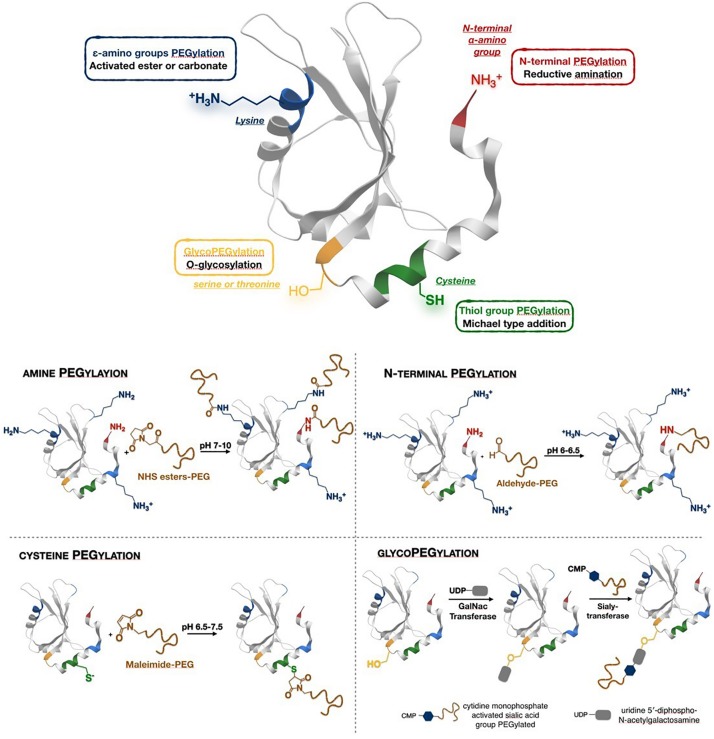
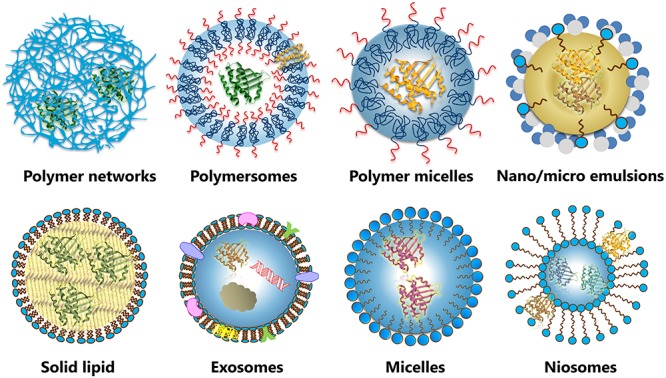
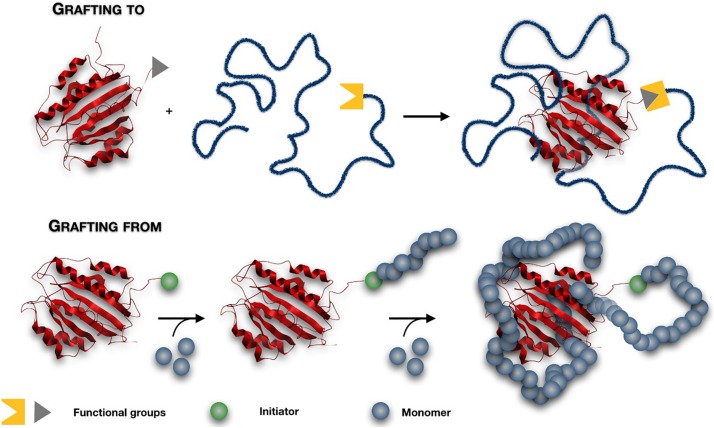
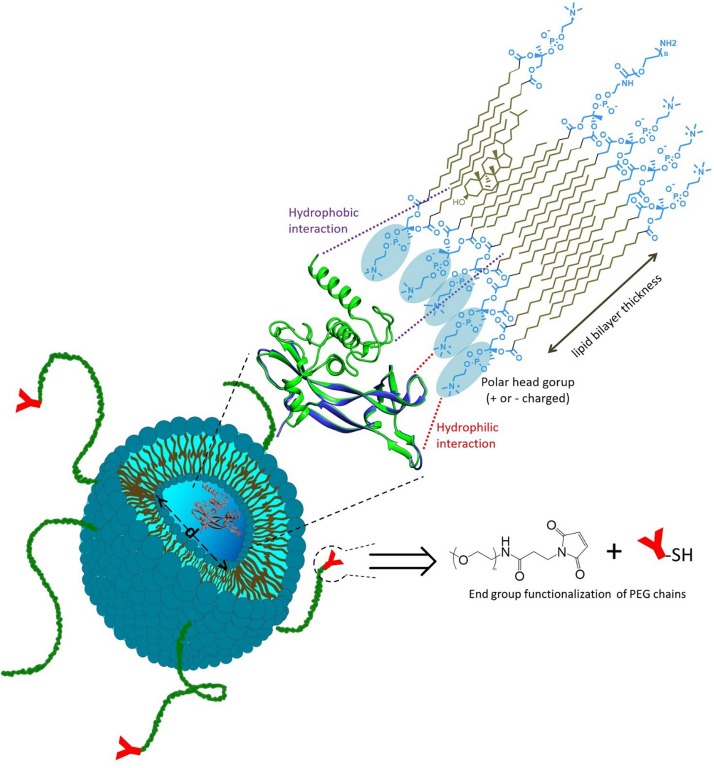
The impact of protein therapeutics in healthcare is steadily increasing, due to advancements in the field of biotechnology and a deeper understanding of several pathologies. However, their safety and efficacy are often limited by instability, short half-life and immunogenicity. Nanodelivery systems are currently being investigated for overcoming these limitations and include covalent attachment of biocompatible polymers (PEG and other synthetic or naturally derived macromolecules) as well as protein nanoencapsulation in colloidal systems (liposomes and other lipid or polymeric nanocarriers). Such strategies have the potential to develop next-generation protein therapeutics. Herein, we review recent research progresses on these nanodelivery approaches, as well as future directions and challenges.
由于生物技术领域的进步以及对多种病理状况的更深入理解,蛋白质疗法在医疗保健中的影响力正在稳步上升。然而,它们的安全性和有效性常常受到不稳定性、短半衰期和免疫原性的限制。目前正在研究纳米递送系统以克服这些限制,包括生物相容性聚合物(聚乙二醇和其他合成或天然衍生的大分子)的共价连接以及蛋白质在胶体系统(脂质体和其他脂质或聚合物纳米载体)中的纳米封装。此类策略具有开发下一代蛋白质疗法的潜力。在此,我们综述了这些纳米递送方法的最新研究进展以及未来方向和挑战。