Department of Animal Ecology and Physiology, Institute for Water and Wetland Research, Radboud University, Nijmegen, The Netherlands.
PLoS One. 2020 Mar 2;15(3):e0229468. doi: 10.1371/journal.pone.0229468. eCollection 2020.
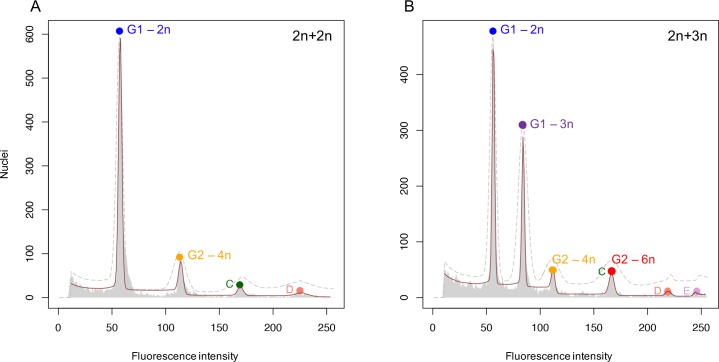
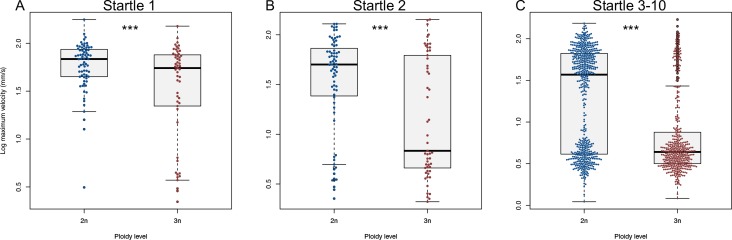
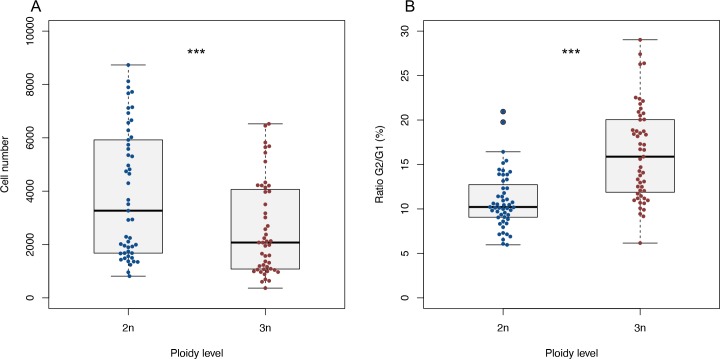
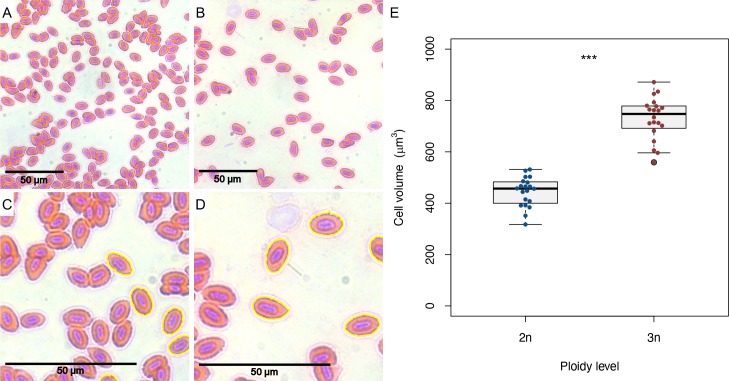
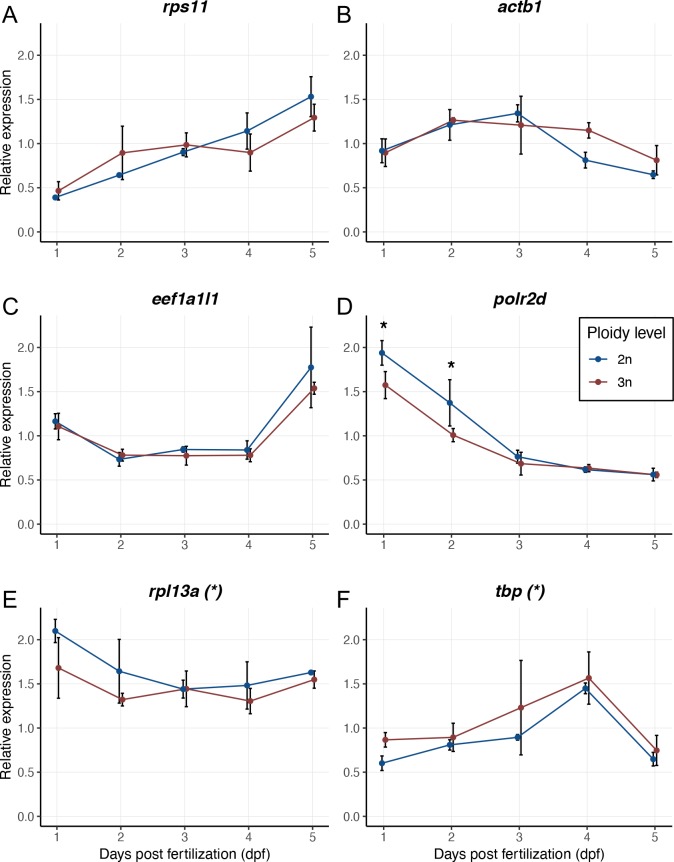
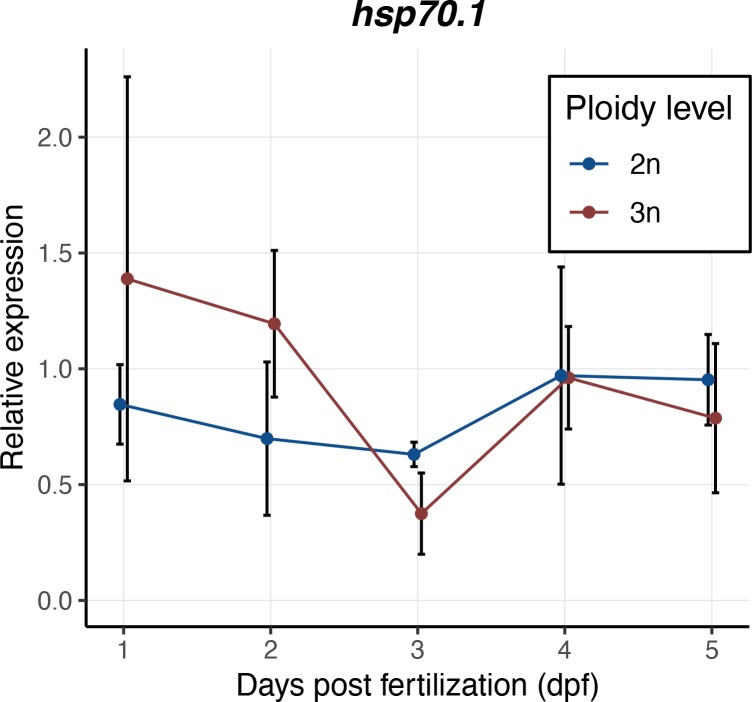
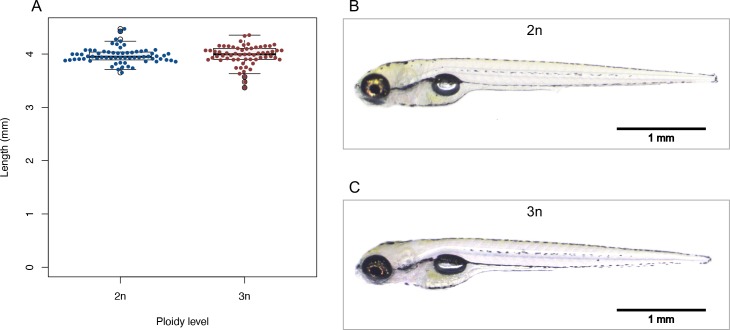
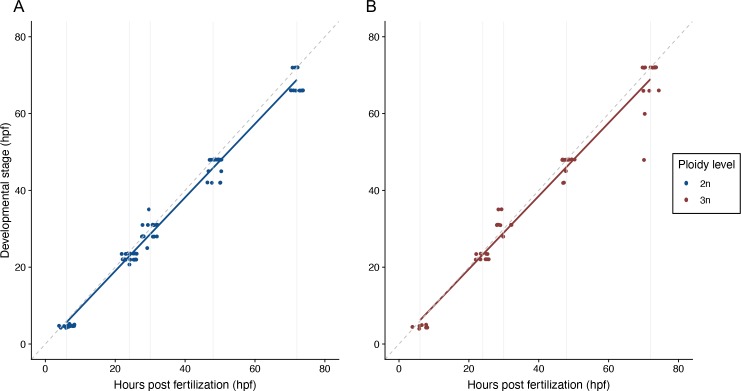
There is renewed interest in the regulation and consequences of cell size adaptations in studies on understanding the ecophysiology of ectotherms. Here we test if induction of triploidy, which increases cell size in zebrafish (Danio rerio), makes for a good model system to study consequences of cell size. Ideally, diploid and triploid zebrafish should differ in cell size, but should otherwise be comparable in order to be suitable as a model. We induced triploidy by cold shock and compared diploid and triploid zebrafish larvae under standard rearing conditions for differences in genome size, cell size and cell number, development, growth and swimming performance and expression of housekeeping genes and hsp70.1. Triploid zebrafish have larger but fewer cells, and the increase in cell size matched the increase in genome size (+ 50%). Under standard conditions, patterns in gene expression, ontogenetic development and larval growth were near identical between triploids and diploids. However, under demanding conditions (i.e. the maximum swimming velocity during an escape response), triploid larvae performed poorer than their diploid counterparts, especially after repeated stimuli to induce swimming. This result is consistent with the idea that larger cells have less capacity to generate energy, which becomes manifest during repeated physical exertion resulting in increased fatigue. Triploidy induction in zebrafish appears a valid method to increase specifically cell size and this provides a model system to test for consequences of cell size adaptation for the energy budget and swimming performance of this ectothermic vertebrate.
人们对调节和研究后生动物生态生理学中细胞大小适应的后果重新产生了兴趣。在这里,我们测试了诱导三倍体是否可以使斑马鱼(Danio rerio)成为研究细胞大小适应后果的良好模型系统。理想情况下,二倍体和三倍体斑马鱼的细胞大小应该不同,但在其他方面应该具有可比性,才能作为模型。我们通过冷休克诱导三倍体,并在标准饲养条件下比较二倍体和三倍体斑马鱼幼虫在基因组大小、细胞大小和数量、发育、生长和游泳性能以及管家基因和 hsp70.1 的表达方面的差异。三倍体斑马鱼的细胞更大但数量更少,并且细胞大小的增加与基因组大小的增加相匹配(增加了 50%)。在标准条件下,三倍体和二倍体之间的基因表达、个体发育和幼虫生长模式几乎完全相同。然而,在苛刻的条件下(即在逃避反应期间的最大游泳速度),三倍体幼虫的表现不如其二倍体对应物,尤其是在多次刺激诱导游泳之后。这一结果与较大的细胞产生能量的能力较低的观点一致,而在导致疲劳增加的反复体力消耗期间,这种能力就会显现出来。在斑马鱼中诱导三倍体似乎是一种有效方法,可以专门增加细胞大小,并为测试这种变温脊椎动物的能量预算和游泳性能的细胞大小适应的后果提供了一个模型系统。