Lydia Becker Institute for Immunology & Infection, Faculty of Biology, Medicine & Health, Manchester Academic Health Science Centre, University of Manchester, Manchester, UK.
Parasite Immunol. 2020 Jul;42(7):e12708. doi: 10.1111/pim.12708. Epub 2020 Mar 21.
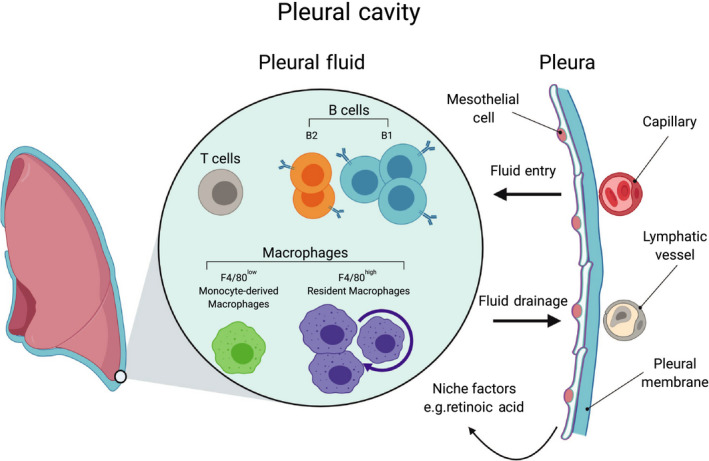
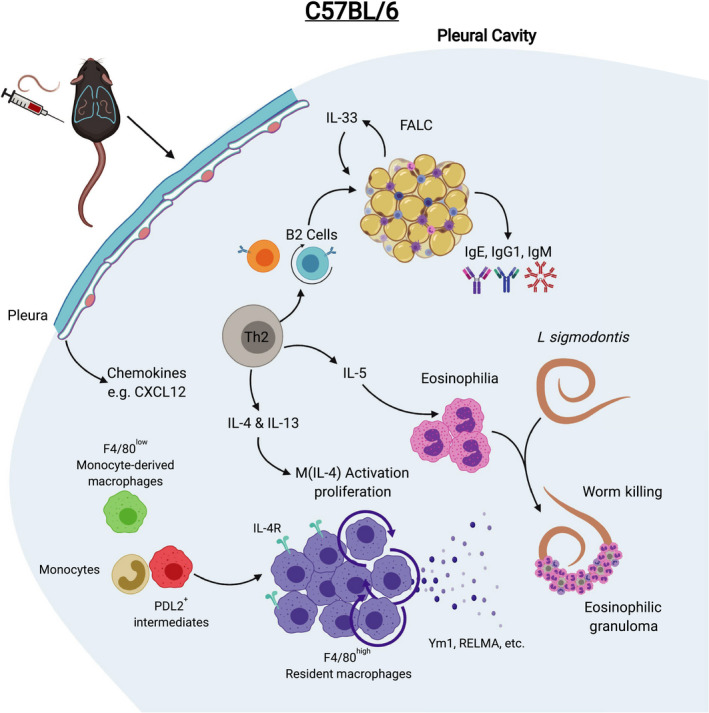
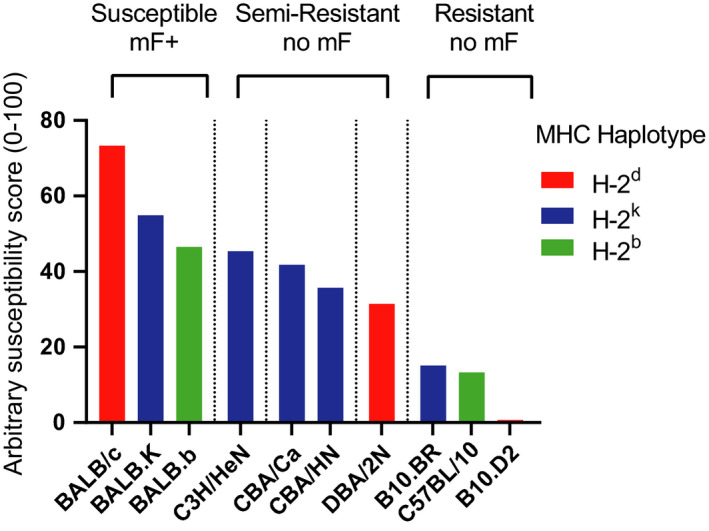
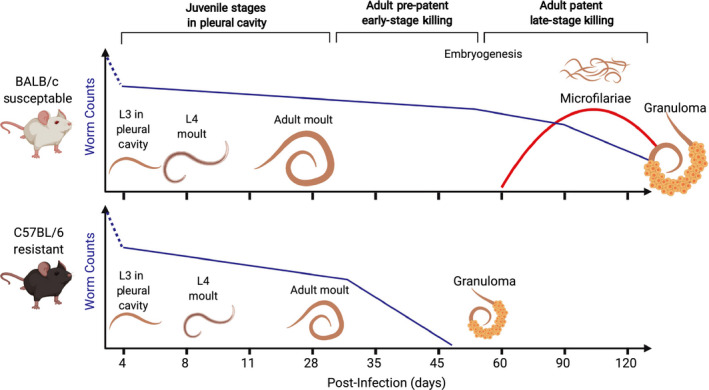
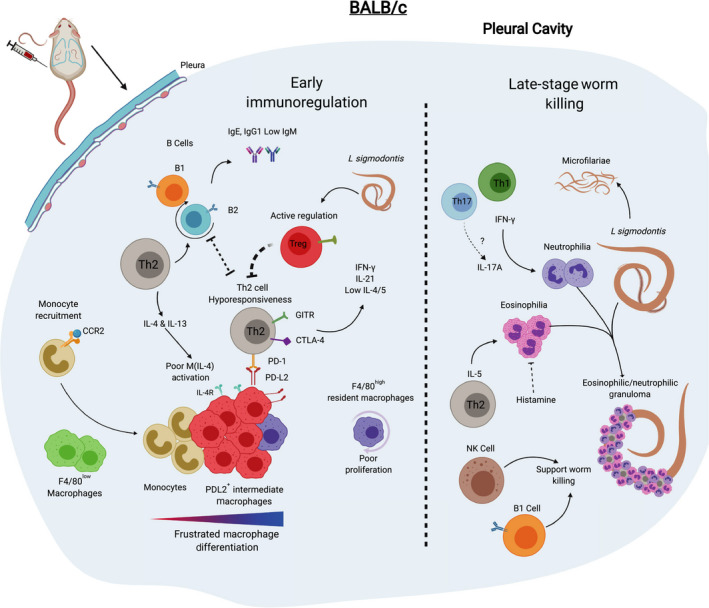
Litomosoides sigmodontis is the only filarial nematode where the full life cycle, from larval delivery to the skin through to circulating microfilaria, can be completed in immunocompetent laboratory mice. It is thus an invaluable tool for the study of filariasis. It has been used for the study of novel anti-helminthic therapeutics, the development of vaccines against filariasis, the development of immunomodulatory drugs for the treatment of inflammatory disease and the study of basic immune responses to filarial nematodes. This review will focus on the latter and aims to summarize how the L sigmodontis model has advanced our basic understanding of immune responses to helminths, led to major discoveries in macrophage biology and provided new insights into the immunological functions of the pleural cavity. Finally, and most importantly L sigmodontis represents a suitable platform to study how host genotype affects immune responses, with the potential for further discovery in myeloid cell biology and beyond.
西里伯瑞列绦虫是唯一一种能够在免疫功能正常的实验鼠体内完成从幼虫到皮肤再到循环微丝蚴的整个生命周期的丝虫线虫。因此,它是研究丝虫病的宝贵工具。它已被用于研究新型抗蠕虫治疗方法、开发抗丝虫病疫苗、开发用于治疗炎症性疾病的免疫调节药物以及研究对丝虫线虫的基本免疫反应。这篇综述将重点介绍后者,旨在总结西里伯瑞列绦虫模型如何促进我们对寄生虫免疫反应的基本认识,推动巨噬细胞生物学的重大发现,并为胸膜腔的免疫学功能提供新的见解。最后,也是最重要的,西里伯瑞列绦虫代表了一个合适的平台,用于研究宿主基因型如何影响免疫反应,有可能在髓样细胞生物学等领域有进一步的发现。