School of Pharmacy and Medical Sciences, University of South Australia, Cancer Research Institute, North Terrace, Adelaide, SA 5000, Australia.
Future Industry Institute, University of South Australia, Mawson Lakes, SA 5095, Australia.
Molecules. 2020 Mar 5;25(5):1182. doi: 10.3390/molecules25051182.
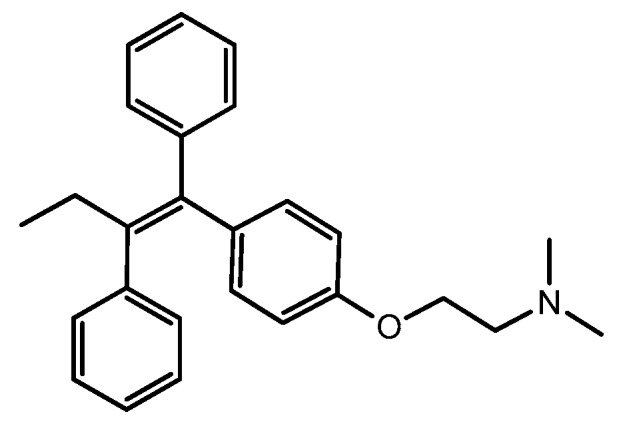
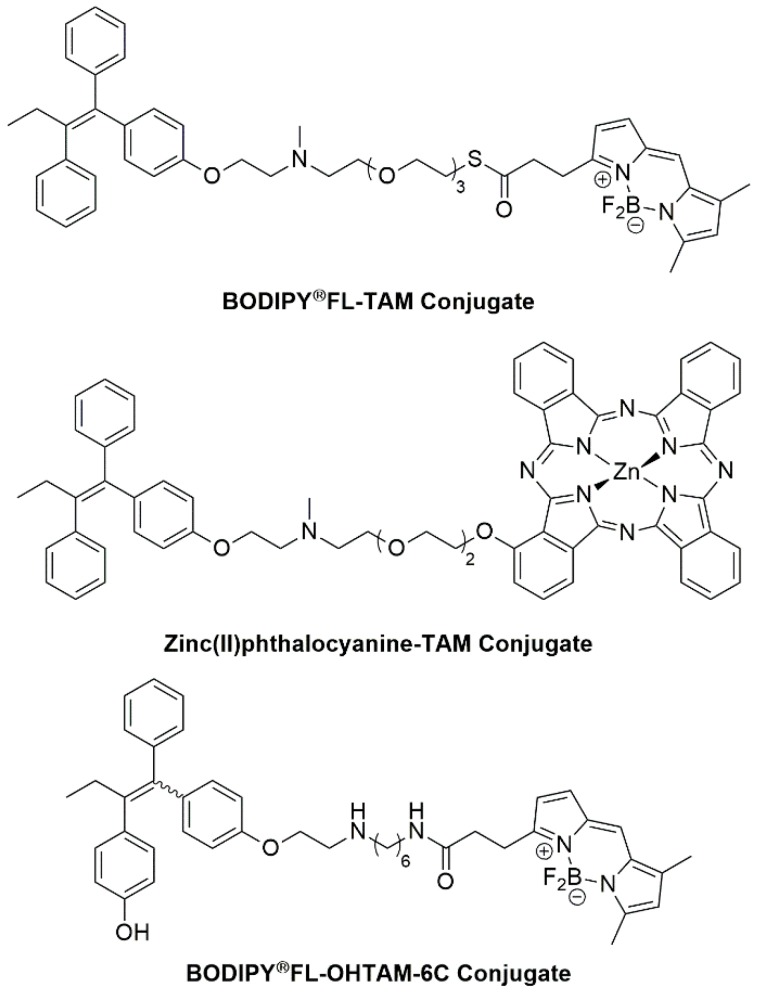
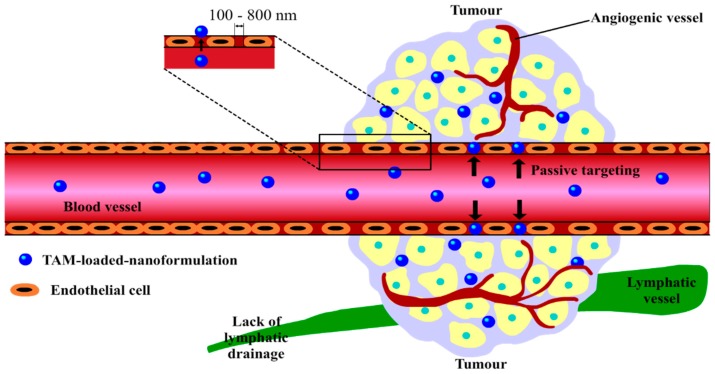
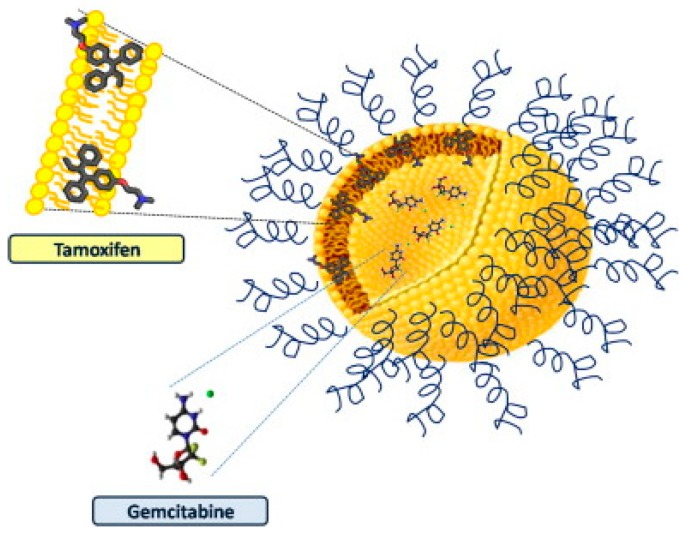
Breast cancer (BC) is one of the leading causes of death from cancer in women; second only to lung cancer. Tamoxifen (TAM) is a hydrophobic anticancer agent and a selective estrogen modulator (SERM), approved by the FDA for hormone therapy of BC. Despite having striking efficacy in BC therapy, concerns regarding the dose-dependent carcinogenicity of TAM still persist, restricting its therapeutic applications. Nanotechnology has emerged as one of the most important strategies to solve the issue of TAM toxicity, owing to the ability of nano-enabled-formulations to deliver smaller concentrations of TAM to cancer cells, over a longer period of time. Various TAM-containing-nanosystems have been successfully fabricated to selectively deliver TAM to specific molecular targets found on tumour membranes, reducing unwanted toxic effects. This review begins with an outline of breast cancer, the current treatment options and a history of how TAM has been used as a combatant of BC. A detailed discussion of various nanoformulation strategies used to deliver lower doses of TAM selectively to breast tumours will then follow. Finally, a commentary on future perspectives of TAM being employed as a targeting vector, to guide the delivery of other therapeutic and diagnostic agents selectively to breast tumours will be presented.
乳腺癌(BC)是女性癌症死亡的主要原因之一;仅次于肺癌。他莫昔芬(TAM)是一种疏水性抗癌药物和选择性雌激素受体调节剂(SERM),经 FDA 批准用于 BC 的激素治疗。尽管在 BC 治疗中具有显著的疗效,但 TAM 的剂量依赖性致癌性仍然存在担忧,限制了其治疗应用。纳米技术已成为解决 TAM 毒性问题的最重要策略之一,因为纳米使能制剂能够在更长的时间内将较小浓度的 TAM 递送到癌细胞。已经成功制备了各种含有 TAM 的纳米系统,以选择性地将 TAM 递送到肿瘤膜上发现的特定分子靶标,减少不必要的毒性作用。本综述首先概述了乳腺癌,目前的治疗选择以及 TAM 如何被用作 BC 的战斗者的历史。然后将详细讨论用于选择性地将较低剂量的 TAM 递送到乳腺肿瘤的各种纳米制剂策略。最后,将对 TAM 作为靶向载体的未来观点进行评论,以指导其他治疗和诊断剂选择性地递送到乳腺肿瘤。