Bashi Nazli, Fatehi Farhad, Mosadeghi-Nik Mahsa, Askari Marzieh S, Karunanithi Mohan
Australian E-Health Research Center, Commonwealth Scientific and Industrial Research Organisation, Brisbane, Queensland, Australia
Faculty of Medicine, University of Queensland, Brisbane, Queensland, Australia.
BMJ Health Care Inform. 2020 Mar;27(1). doi: 10.1136/bmjhci-2019-100066.
Monitoring and evaluations of digital health (DH) solutions for the management of chronic diseases are quite heterogeneous and evidences around evaluating frameworks are inconsistent. An evidenced-based framework is needed to inform the evaluation process and rationale of such interventions. We aimed to explore the nature, extent and components of existing DH frameworks for chronic diseases.
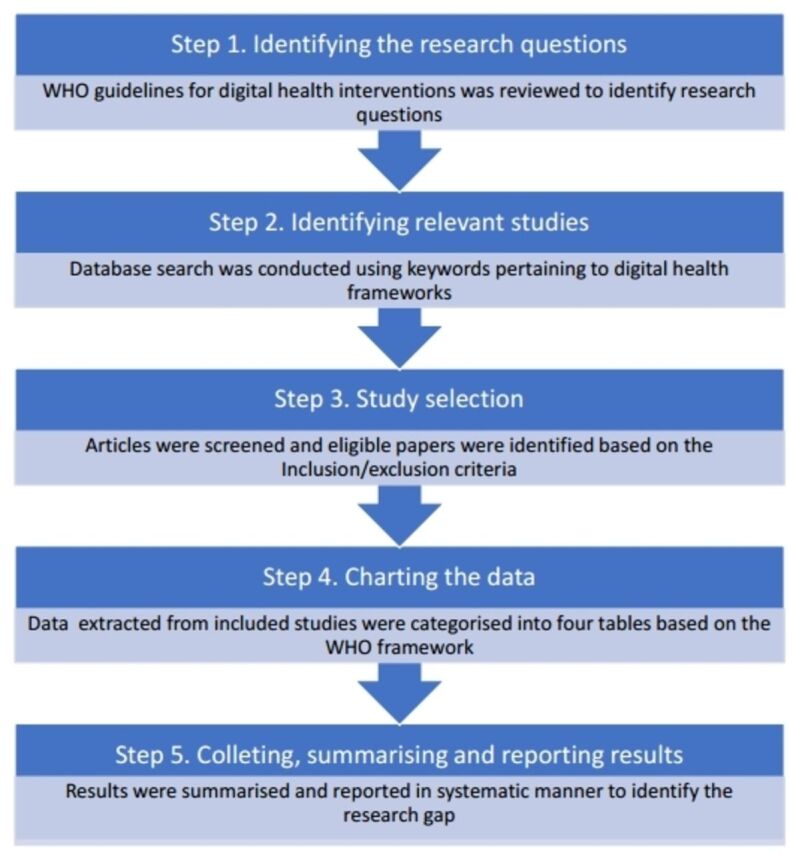
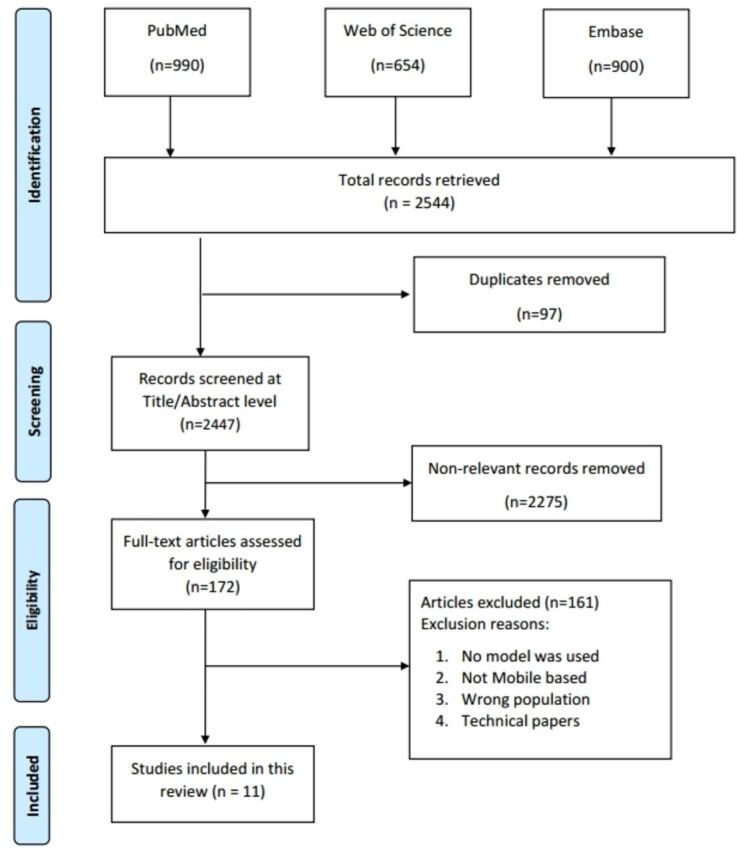
This review was conducted based on the five steps of Arksey and O'Malley's scoping review methodology. Out of 172 studies identified from, PubMed, Embase and Web of Science, 11 met our inclusion criteria. The reviewed studies developed DH frameworks for chronic diseases and published between 2010 and 2018.
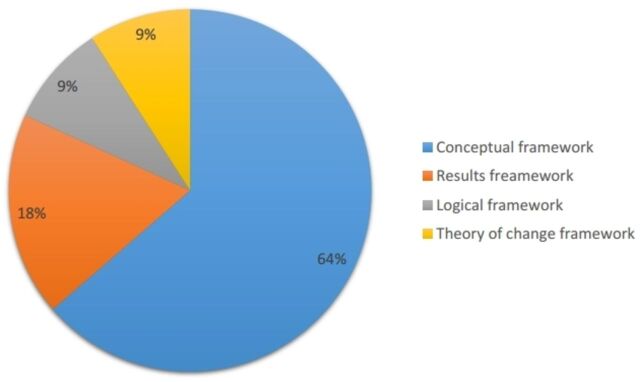
According to WHO guidelines for monitoring and evaluation of DH interventions, we identified seven Conceptual frameworks, two Results frameworks, one Logical framework and one Theory of change. The frameworks developed for providing interventions such as self-management, achieving personal goals and reducing relapse for cardiovascular disease, diabetes, chronic obstructive pulmonary disease and severe mental health. A few studies reported evaluation of the frameworks using randomised clinical trials (n=3) and feasibility testing via Likert scale survey (n=2). A wide range of outcomes were reported including access to care, cost-effectiveness, behavioural outcomes, patient-provider communications, technology acceptance and user experience.
There is a lack of evidence on the application of consistent DH frameworks. Future research should address the use of evidence-based frameworks into the research design, monitoring and evaluation process. This review explores the nature of DH frameworks for the management of chronic diseases and provides examples to guide monitoring and evaluation of interventions.
用于慢性病管理的数字健康(DH)解决方案的监测和评估存在很大差异,关于评估框架的证据也不一致。需要一个基于证据的框架来为这类干预措施的评估过程和基本原理提供依据。我们旨在探讨现有慢性病DH框架的性质、范围和组成部分。
本综述基于阿克西和奥马利的范围综述方法的五个步骤进行。从PubMed、Embase和科学网中识别出的172项研究中,有11项符合我们的纳入标准。纳入综述的研究在2010年至2018年期间制定了慢性病DH框架。
根据世界卫生组织关于DH干预措施监测和评估的指南,我们确定了七个概念框架、两个结果框架、一个逻辑框架和一个变革理论。这些框架旨在为心血管疾病、糖尿病、慢性阻塞性肺疾病和严重精神健康提供自我管理、实现个人目标和减少复发等干预措施。少数研究报告了使用随机临床试验(n = 3)对框架进行评估,并通过李克特量表调查(n = )进行可行性测试。报告了广泛的结果,包括获得医疗服务、成本效益、行为结果、医患沟通、技术接受度和用户体验。
关于一致的DH框架的应用缺乏证据。未来的研究应将基于证据的框架应用于研究设计、监测和评估过程。本综述探讨了慢性病管理中DH框架的性质,并提供了指导干预措施监测和评估的实例。