From the Experimental Vascular Medicine (J.G.S., L.A., J.C.B., M.V., A.K.G., J.K.), Amsterdam Cardiovascular Sciences, Amsterdam UMC, University of Amsterdam, the Netherlands.
Vascular Medicine (R.M.H., E.S.G.S.), Amsterdam Cardiovascular Sciences, Amsterdam UMC, University of Amsterdam, the Netherlands.
Circ Res. 2020 May 8;126(10):1346-1359. doi: 10.1161/CIRCRESAHA.119.316206. Epub 2020 Mar 12.
Patients with elevated levels of lipoprotein(a) [Lp(a)] are hallmarked by increased metabolic activity in the arterial wall on positron emission tomography/computed tomography, indicative of a proinflammatory state.
We hypothesized that Lp(a) induces endothelial cell inflammation by rewiring endothelial metabolism.
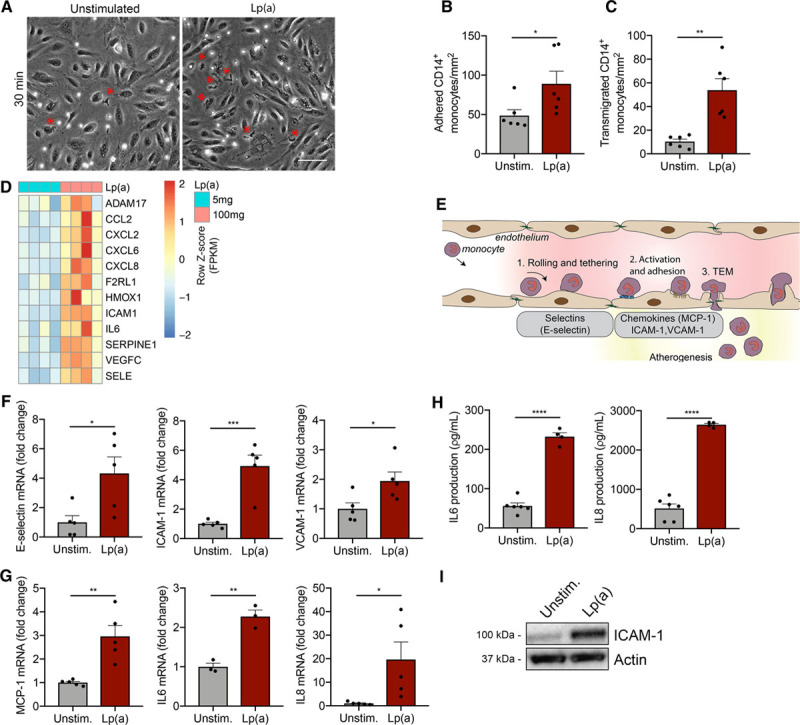
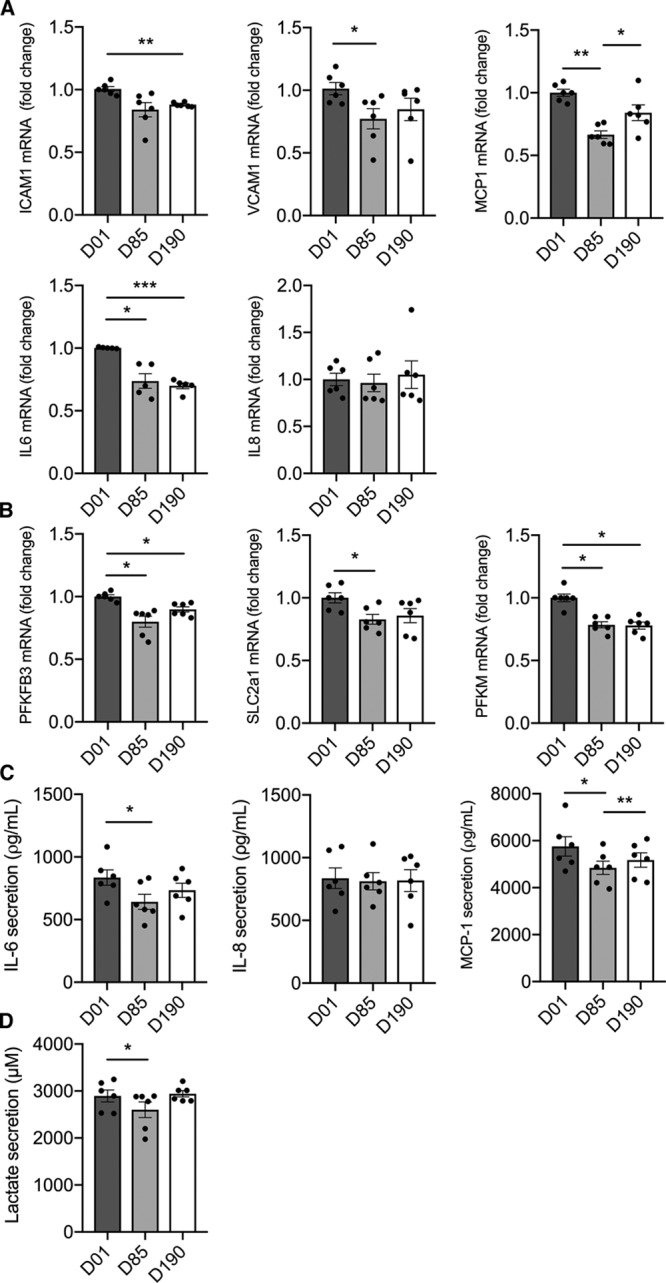
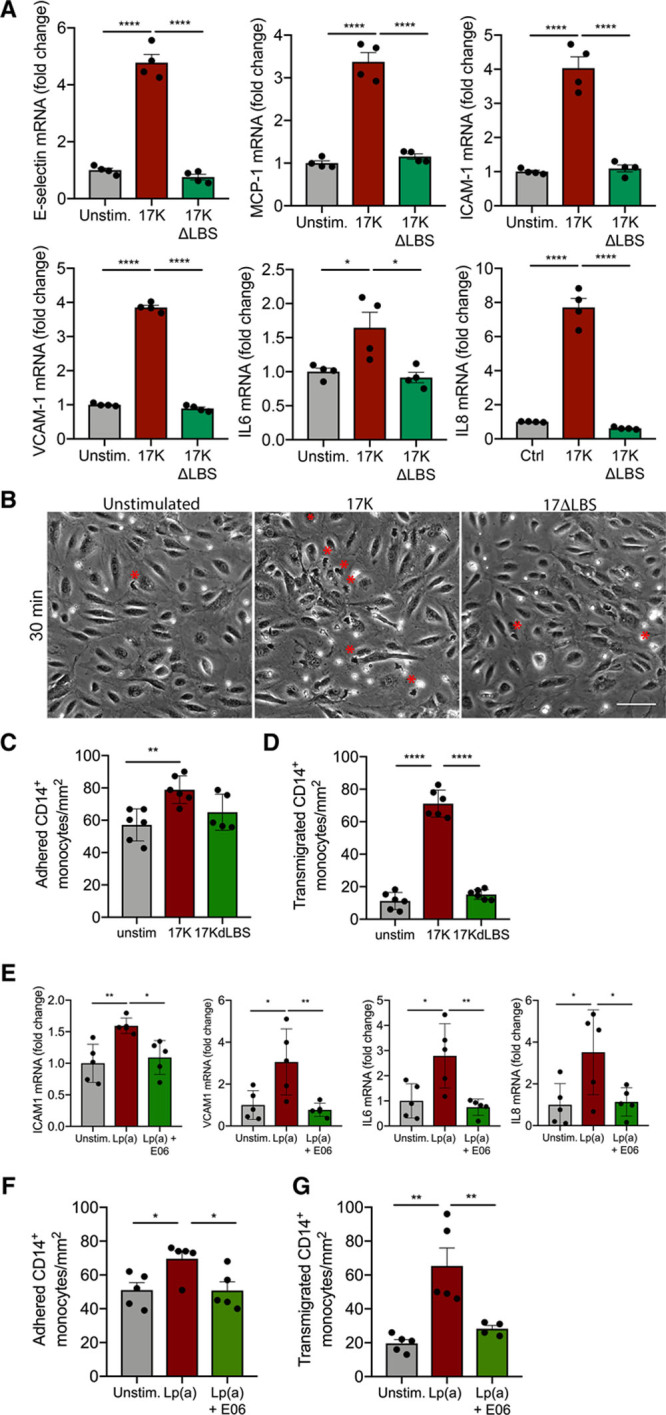
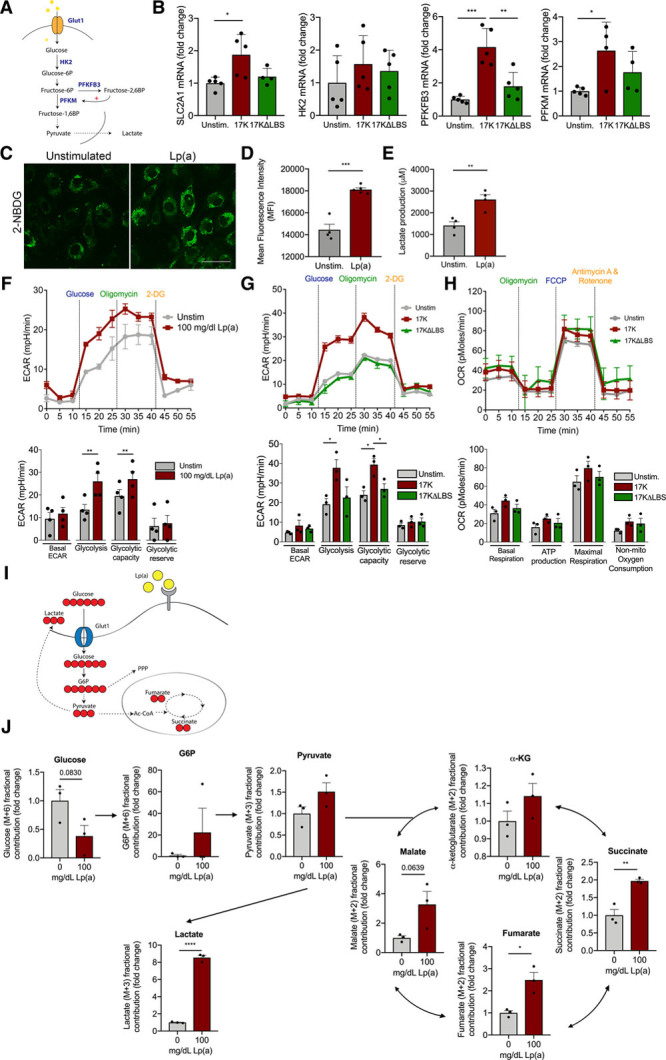
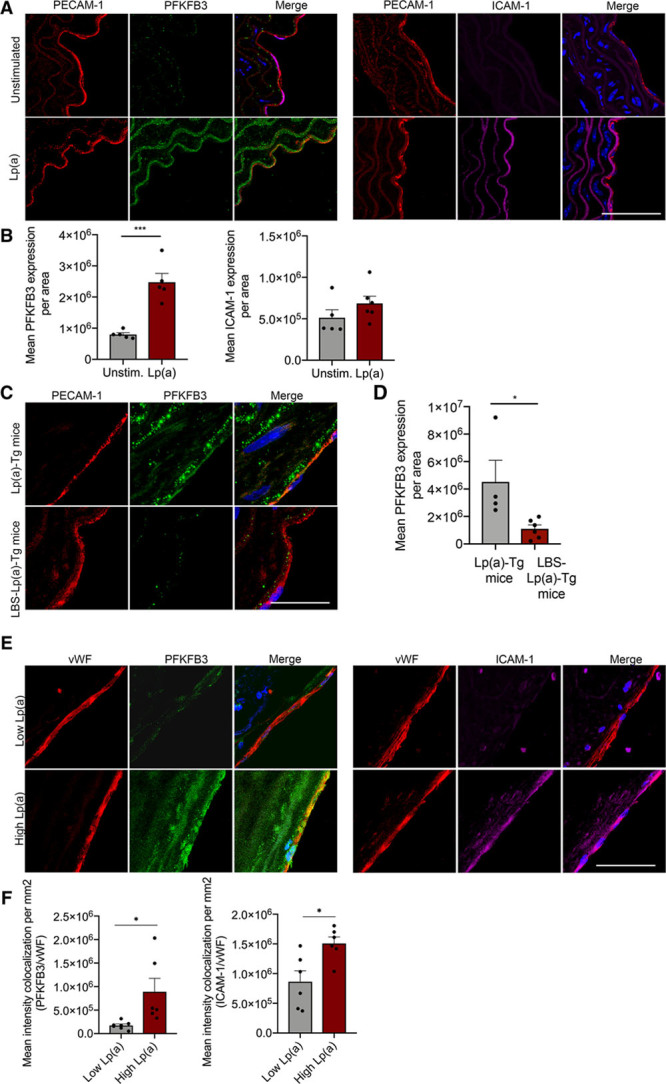
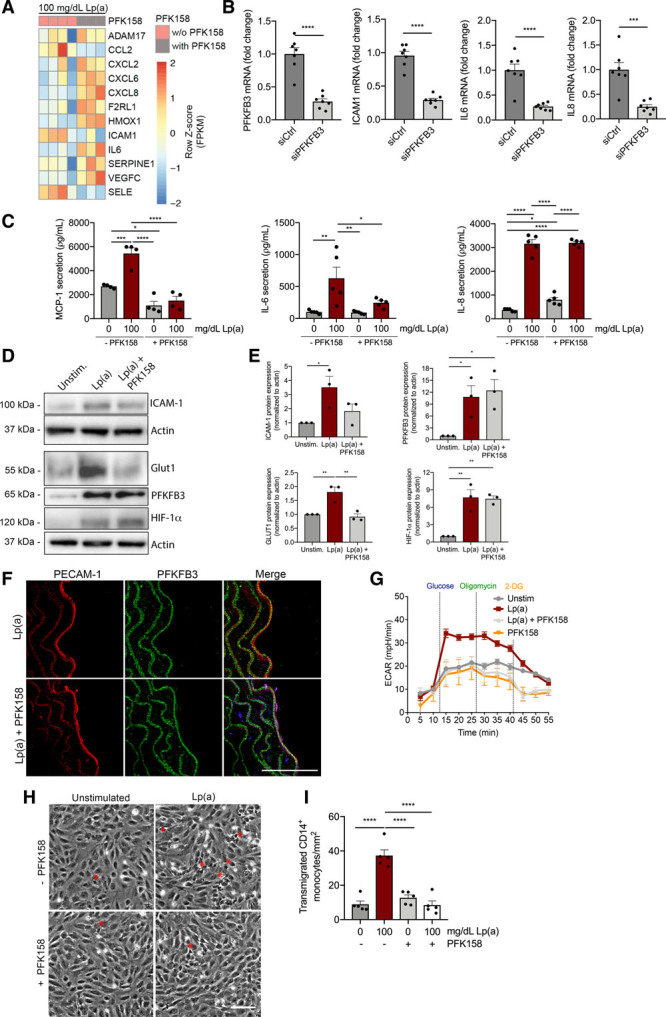
We evaluated the impact of Lp(a) on the endothelium and describe that Lp(a), through its oxidized phospholipid content, activates arterial endothelial cells, facilitating increased transendothelial migration of monocytes. Transcriptome analysis of Lp(a)-stimulated human arterial endothelial cells revealed upregulation of inflammatory pathways comprising monocyte adhesion and migration, coinciding with increased 6-phophofructo-2-kinase/fructose-2,6-biphosphatase (PFKFB)-3-mediated glycolysis. ICAM (intercellular adhesion molecule)-1 and PFKFB3 were also found to be upregulated in carotid plaques of patients with elevated levels of Lp(a). Inhibition of PFKFB3 abolished the inflammatory signature with concomitant attenuation of transendothelial migration.
Collectively, our findings show that Lp(a) activates the endothelium by enhancing PFKFB3-mediated glycolysis, leading to a proadhesive state, which can be reversed by inhibition of glycolysis. These findings pave the way for therapeutic agents targeting metabolism aimed at reducing inflammation in patients with cardiovascular disease.
脂蛋白(a) [Lp(a)] 水平升高的患者在正电子发射断层扫描/计算机断层扫描中表现出动脉壁代谢活性增加,表明存在炎症状态。
我们假设 Lp(a) 通过重编内皮细胞代谢来诱导内皮细胞炎症。
我们评估了 Lp(a) 对内皮细胞的影响,并描述了 Lp(a) 通过其氧化磷脂含量激活动脉内皮细胞,促进单核细胞穿过内皮的迁移增加。Lp(a) 刺激的人动脉内皮细胞的转录组分析显示,炎症途径上调,包括单核细胞黏附和迁移,同时伴随着 6-磷酸果糖-2-激酶/果糖-2,6-二磷酸酶(PFKFB)-3 介导的糖酵解增加。在 Lp(a) 水平升高的患者的颈动脉斑块中,还发现细胞间黏附分子-1 (ICAM-1) 和 PFKFB3 上调。抑制 PFKFB3 可消除炎症特征,并伴随跨内皮迁移的减弱。
总之,我们的研究结果表明,Lp(a) 通过增强 PFKFB3 介导的糖酵解激活内皮细胞,导致促黏附状态,而抑制糖酵解可以逆转这种状态。这些发现为针对代谢的治疗药物铺平了道路,旨在减少心血管疾病患者的炎症。