Fede Samantha J, Dean Sarah F, Manuweera Thushini, Momenan Reza
Clinical NeuroImaging Research Core, National Institute on Alcohol Abuse and Alcoholism, National Institutes of Health, Bethesda, MD, United States.
Front Hum Neurosci. 2020 Feb 25;14:60. doi: 10.3389/fnhum.2020.00060. eCollection 2020.
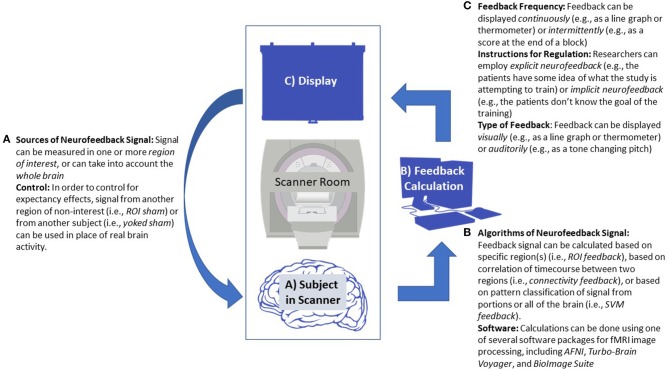
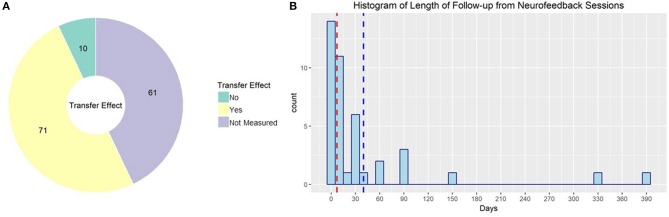
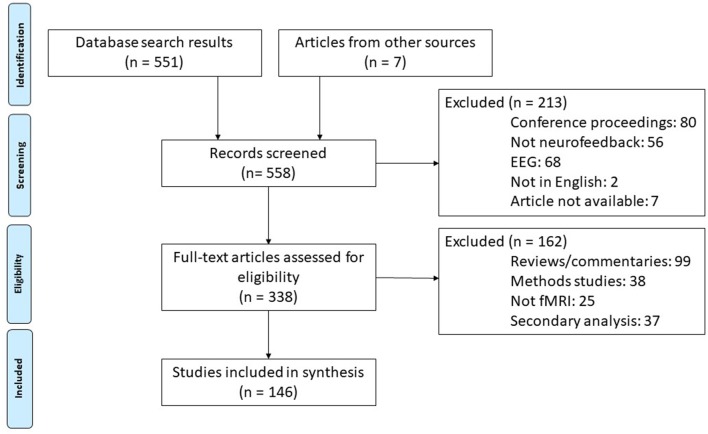
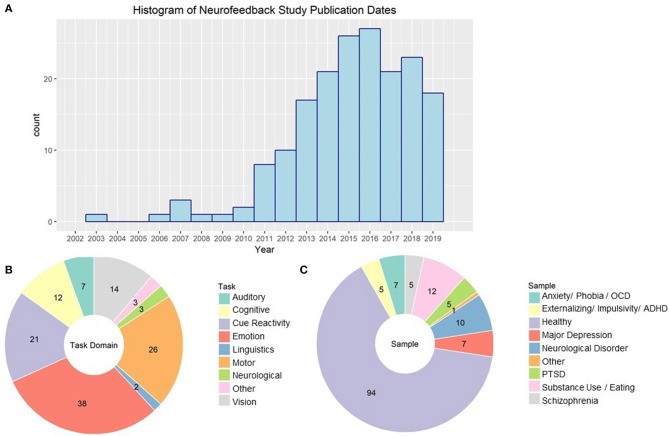
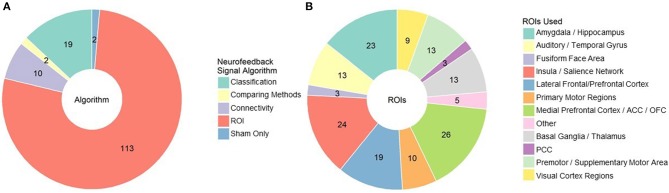
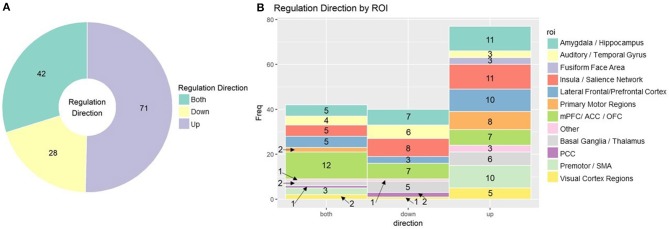
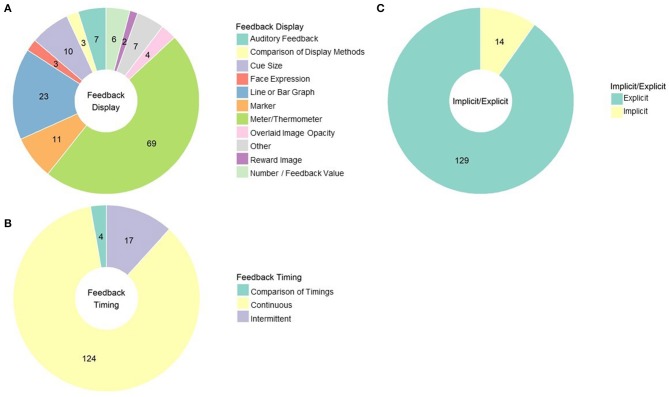
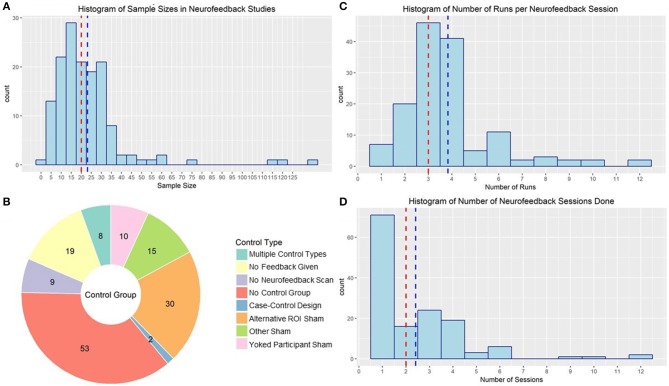
Although biofeedback using electrophysiology has been explored extensively, the approach of using neurofeedback corresponding to hemodynamic response is a relatively young field. Real time functional magnetic resonance imaging-based neurofeedback (rt-fMRI-NF) uses sensory feedback to operantly reinforce patterns of neural response. It can be used, for example, to alter visual perception, increase brain connectivity, and reduce depression symptoms. Within recent years, interest in rt-fMRI-NF in both research and clinical contexts has expanded considerably. As such, building a consensus regarding best practices is of great value. This systematic review is designed to describe and evaluate the variations in methodology used in previous rt-fMRI-NF studies to provide recommendations for rt-fMRI-NF study designs that are mostly likely to elicit reproducible and consistent effects of neurofeedback. We conducted a database search for fMRI neurofeedback papers published prior to September 26th, 2019. Of 558 studies identified, 146 met criteria for inclusion. The following information was collected from each study: sample size and type, task used, neurofeedback calculation, regulation procedure, feedback, whether feedback was explicitly related to changing brain activity, feedback timing, control group for active neurofeedback, how many runs and sessions of neurofeedback, if a follow-up was conducted, and the results of neurofeedback training. rt-fMRI-NF is typically upregulation practice based on hemodynamic response from a specific region of the brain presented using a continually updating thermometer display. Most rt-fMRI-NF studies are conducted in healthy samples and half evaluate its effect on immediate changes in behavior or affect. The most popular control group method is to provide sham signal from another region; however, many studies do not compare use a comparison group. We make several suggestions for designs of future rt-fMRI-NF studies. Researchers should use feedback calculation methods that consider neural response across regions (i.e., SVM or connectivity), which should be conveyed as intermittent, auditory feedback. Participants should be given explicit instructions and should be assessed on individual differences. Future rt-fMRI-NF studies should use clinical samples; effectiveness of rt-fMRI-NF should be evaluated on clinical/behavioral outcomes at follow-up time points in comparison to both a sham and no feedback control group.
尽管利用电生理学进行生物反馈已得到广泛探索,但基于血液动力学反应的神经反馈方法仍是一个相对较新的领域。基于实时功能磁共振成像的神经反馈(rt-fMRI-NF)利用感觉反馈来操作性地强化神经反应模式。例如,它可用于改变视觉感知、增强大脑连通性以及减轻抑郁症状。近年来,rt-fMRI-NF在研究和临床环境中的关注度大幅提升。因此,就最佳实践达成共识具有重要价值。本系统综述旨在描述和评估以往rt-fMRI-NF研究中所使用方法的差异,为最有可能产生可重复且一致的神经反馈效果的rt-fMRI-NF研究设计提供建议。我们对2019年9月26日前发表的功能磁共振成像神经反馈论文进行了数据库检索。在识别出的558项研究中,146项符合纳入标准。从每项研究中收集了以下信息:样本量和类型、使用的任务、神经反馈计算、调节程序、反馈、反馈是否与改变大脑活动明确相关、反馈时间、主动神经反馈的对照组、神经反馈的运行次数和疗程数、是否进行了随访以及神经反馈训练的结果。rt-fMRI-NF通常是基于使用持续更新的温度计显示呈现的大脑特定区域的血液动力学反应进行上调练习。大多数rt-fMRI-NF研究在健康样本中进行,一半研究评估其对行为或情感即时变化的影响。最常用的对照组方法是从另一个区域提供假信号;然而,许多研究并未使用对照组进行比较。我们对未来rt-fMRI-NF研究的设计提出了几点建议。研究人员应使用考虑跨区域神经反应的反馈计算方法(即支持向量机或连通性),并应以间歇性听觉反馈的形式传达。应向参与者提供明确的指导,并应对个体差异进行评估。未来的rt-fMRI-NF研究应使用临床样本;与假反馈和无反馈对照组相比,应在随访时间点根据临床/行为结果评估rt-fMRI-NF的有效性。