Vasta Gerardo R, Feng Chiguang, Tasumi Satoshi, Abernathy Kelsey, Bianchet Mario A, Wilson Iain B H, Paschinger Katharina, Wang Lai-Xi, Iqbal Muddasar, Ghosh Anita, Amin Mohammed N, Smith Brina, Brown Sean, Vista Aren
Department of Microbiology and Immunology, University of Maryland School of Medicine, Institute of Marine and Environmental Technology, Baltimore, MD, United States.
Departments of Neurology, and Biophysics and Biophysical Chemistry, The Johns Hopkins University School of Medicine, Baltimore, MD, United States.
Front Chem. 2020 Feb 25;8:98. doi: 10.3389/fchem.2020.00098. eCollection 2020.
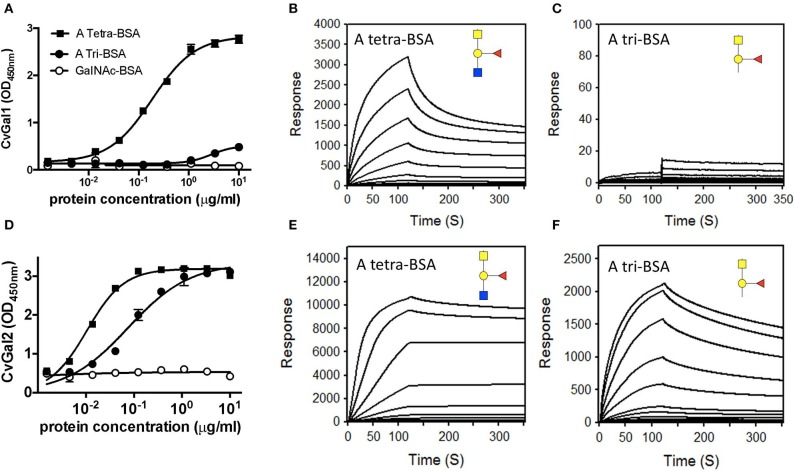
Both vertebrates and invertebrates display active innate immune mechanisms for defense against microbial infection, including diversified repertoires of soluble and cell-associated lectins that can effect recognition and binding to potential pathogens, and trigger downstream effector pathways that clear them from the host internal milieu. Galectins are widely distributed and highly conserved lectins that have key regulatory effects on both innate and adaptive immune responses. In addition, galectins can bind to exogenous ("non-self") carbohydrates on the surface of bacteria, enveloped viruses, parasites, and fungi, and function as recognition receptors and effector factors in innate immunity. Like most invertebrates, eastern oysters () and softshell clams () can effectively respond to most immune challenges through soluble and hemocyte-associated lectins. The protozoan parasite , however, can infect eastern oysters and cause "Dermo" disease, which is highly detrimental to both natural and farmed oyster populations. The sympatric , initially isolated from infected clams, can also be present in oysters, and there is little evidence of pathogenicity in either clams or oysters. In this review, we discuss selected observations from our studies on the mechanisms of recognition that are mediated by galectin-carbohydrate interactions. We identified in the oyster two galectins that we designated CvGal1 and CvGal2, which strongly recognize trophozoites. In the clam we also identified galectin sequences, and focused on one (that we named MaGal1) that also recognizes species. Here we describe the biochemical characterization of CvGal1, CvGal2, and MaGal1 with focus on the detailed study of the carbohydrate specificity, and the glycosylated moieties on the surfaces of the oyster hemocytes and the two species ( and ). Our goal is to gain further understanding of the biochemical basis for the interactions that lead to recognition and opsonization of the trophozoites by the bivalve hemocytes. These basic studies on the biology of host-parasite interactions may contribute to the development of novel intervention strategies for parasitic diseases of biomedical interest.
脊椎动物和无脊椎动物都表现出活跃的先天免疫机制来抵御微生物感染,包括多种可溶性和细胞相关凝集素,它们能够识别并结合潜在病原体,并触发下游效应途径以将病原体从宿主体内清除。半乳糖凝集素是广泛分布且高度保守的凝集素,对先天免疫和适应性免疫反应均具有关键调节作用。此外,半乳糖凝集素可结合细菌、包膜病毒、寄生虫和真菌表面的外源性(“非自身”)碳水化合物,并在先天免疫中作为识别受体和效应因子发挥作用。与大多数无脊椎动物一样,东部牡蛎()和软壳蛤()可以通过可溶性和血细胞相关凝集素来有效应对大多数免疫挑战。然而,原生动物寄生虫可感染东部牡蛎并引发“Dermo”病,这对天然和养殖牡蛎种群都极为不利。同域的最初从受感染的蛤中分离出来,也可存在于牡蛎中,并且几乎没有证据表明其对蛤或牡蛎具有致病性。在本综述中,我们讨论了我们对由半乳糖凝集素 - 碳水化合物相互作用介导的识别机制的研究中的一些选定观察结果。我们在牡蛎中鉴定出两种半乳糖凝集素,我们将其命名为CvGal1和CvGal2,它们能强烈识别滋养体。在蛤中我们也鉴定出了半乳糖凝集素序列,并重点研究了一种(我们命名为MaGal1)也能识别物种的凝集素。在这里,我们描述了CvGal1、CvGal2和MaGal1的生化特性,重点是对碳水化合物特异性以及牡蛎血细胞和两种物种(和)表面糖基化部分的详细研究。我们的目标是进一步了解双壳类血细胞识别和调理滋养体的相互作用的生化基础。这些关于宿主 - 寄生虫相互作用生物学的基础研究可能有助于开发针对具有生物医学意义的寄生虫病的新型干预策略。