Acaster Lloyd Consulting Ltd, London, United Kingdom.
University College London Hospitals, London, United Kingdom.
Qual Life Res. 2020 Jul;29(7):1883-1893. doi: 10.1007/s11136-020-02465-x. Epub 2020 Mar 11.
X-linked hypophosphatemia (XLH) is a rare, lifelong, progressive disease characterised by renal phosphate wasting and abnormal bone mineralisation. Symptoms begin in early childhood, with the development of rickets and related skeletal deformities and reduced growth, progressing to long-term complications, including pseudofractures and fractures, as well as pain, stiffness and fatigue. The present study was designed to explore the patient experience of pain, stiffness and fatigue and the psychosocial impact of XLH in detail.
A cross-sectional qualitative study was conducted in the United Kingdom (18), Finland (6), France (4), Germany (1) and Luxembourg (1) with XLH patients aged 26 and over. Interview discussion guides were developed in consultation with clinical experts and patient associations. Data were analysed thematically.
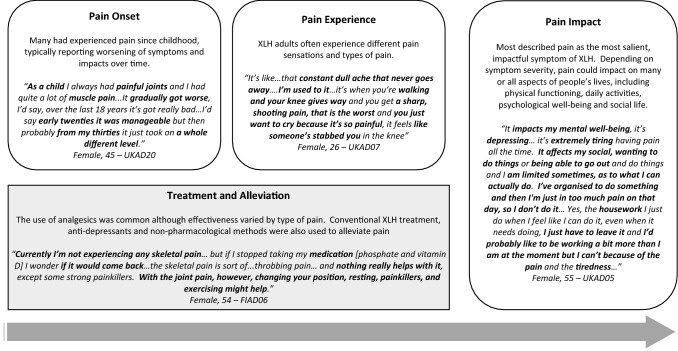
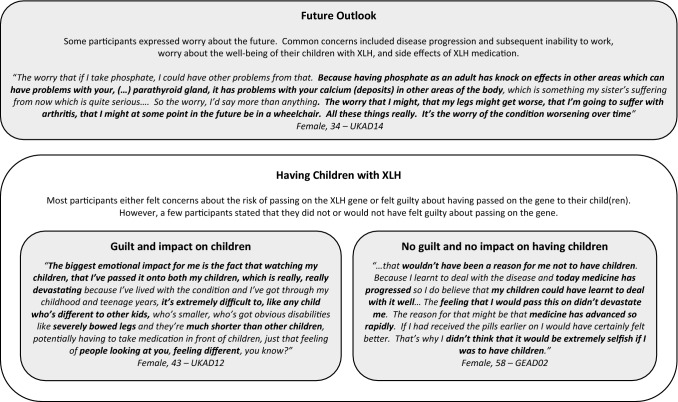
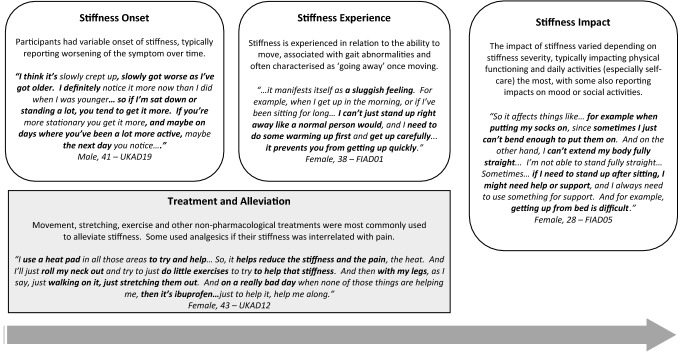
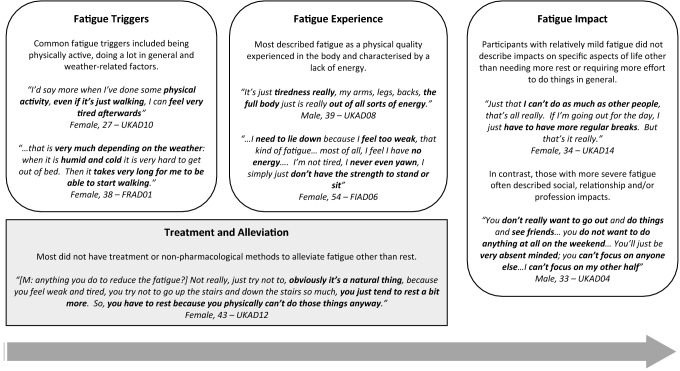
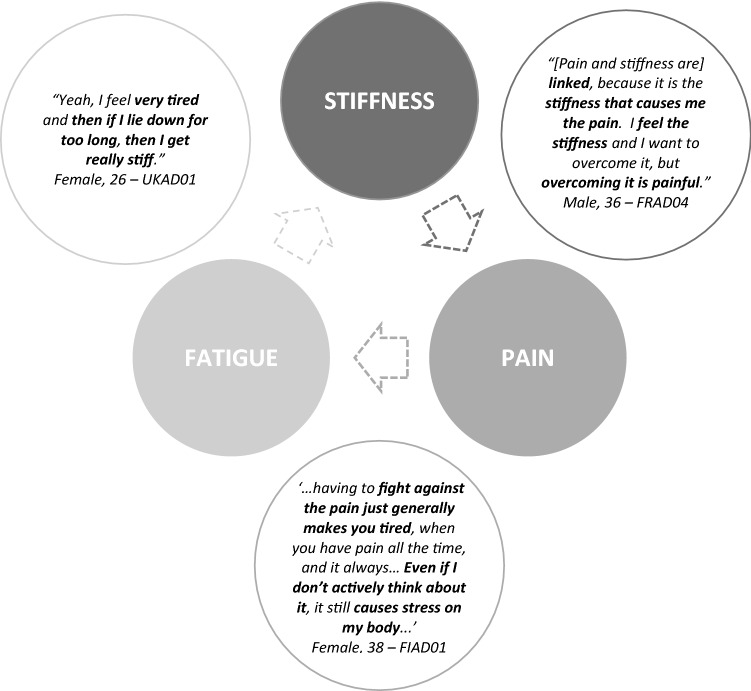
Participants (N = 30) described pain, stiffness and fatigue as frequently experienced symptoms with a significant impact on physical functioning and activities of daily living (ADLs). Some also described the symptoms as impacting their mood/mental health, relationships, social life and leisure activities. Participants described how common symptoms could interact or aggravate other symptoms. Symptoms had often worsened over time, and for many, were associated with concern about the future. Most participants were worried or felt guilty about having children with XLH. The findings confirmed and extended the existing model of the burden of XLH.
The present study is the first to provide an in-depth analysis of pain, stiffness and fatigue, their impact and the interrelatedness of these symptoms among adults with XLH. The study also described the psychosocial impact of XLH as a hereditary, lifelong progressive disease.
X 连锁低磷血症(XLH)是一种罕见的、终身的、进行性疾病,其特征为肾脏磷酸盐丢失和骨骼矿物质化异常。症状始于儿童早期,表现为佝偻病和相关骨骼畸形以及生长迟缓,进而发展为长期并发症,包括假骨折和骨折,以及疼痛、僵硬和疲劳。本研究旨在详细探讨 XLH 患者疼痛、僵硬和疲劳的体验以及 XLH 的心理社会影响。
在英国(18 名)、芬兰(6 名)、法国(4 名)、德国(1 名)和卢森堡(1 名)进行了一项横断面定性研究,纳入年龄在 26 岁及以上的 XLH 患者。通过与临床专家和患者协会协商制定访谈讨论指南。采用主题分析法进行数据分析。
参与者(N=30)描述疼痛、僵硬和疲劳是常见的症状,对身体功能和日常生活活动(ADL)有重大影响。一些参与者还描述这些症状对情绪/心理健康、人际关系、社交生活和休闲活动有影响。参与者描述了常见症状如何相互作用或加重其他症状。症状随着时间的推移而恶化,对许多人来说,还伴随着对未来的担忧。大多数参与者担心或感到内疚,因为他们的孩子患有 XLH。研究结果证实并扩展了 XLH 负担的现有模型。
本研究首次深入分析了 XLH 成人的疼痛、僵硬和疲劳及其影响,以及这些症状之间的相互关系。该研究还描述了 XLH 作为一种遗传性、终身进行性疾病的心理社会影响。