Department of Clinical Laboratory Science, Shenzhen Seventh People's Hospital, Shenzhen, China.
Department of Urology, The Eighth Affiliated Hospital of Sun Yat-Sen University, Shenzhen, China.
Prostate. 2020 May;80(7):577-587. doi: 10.1002/pros.23971. Epub 2020 Mar 12.
The pathogens responsible for chronic prostatitis/chronic pelvic pain syndrome (CP/CPPS; NIH category III) are not currently known. the present study utilized high-throughput next-generation sequencing to screen for potential pathogens associated with NIH category III CP (CP III).
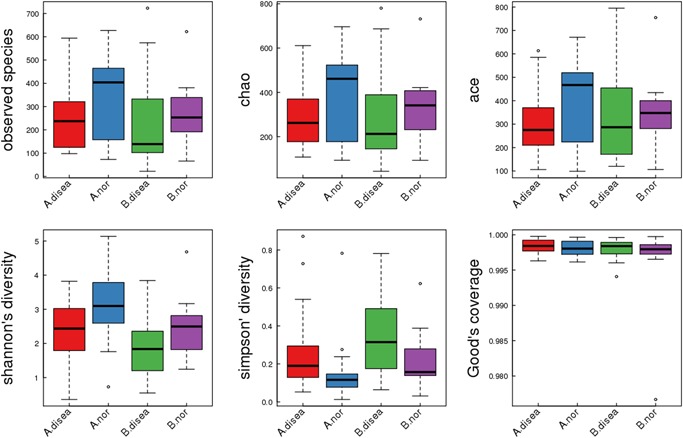
This study included 33 patients with CP III and 30 healthy men, from which one sample each of urethral secretions and expressed prostatic secretion (EPS) was collected. High-throughput next-generation sequencing was performed to detect the sequence variations and the relative abundance of the bacterial 16S ribosomal variable region and fungal internal transcribed spacer region in all samples. Bioinformatics software and databases were used for data analysis, and differences with P < .05 were considered statistically significant.
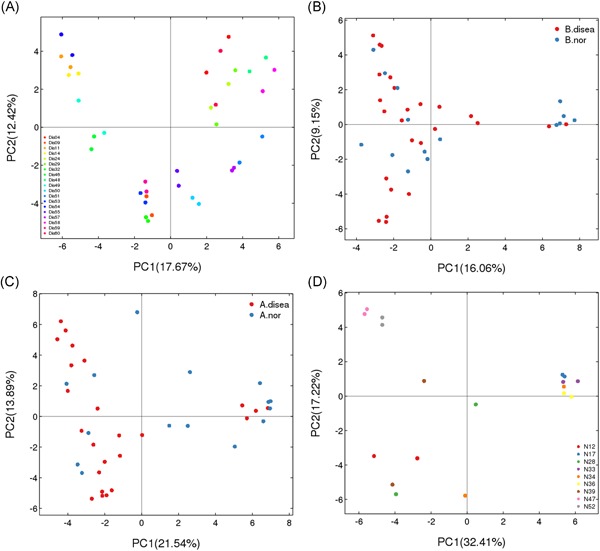
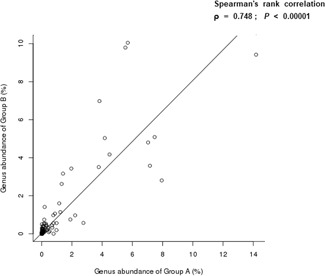
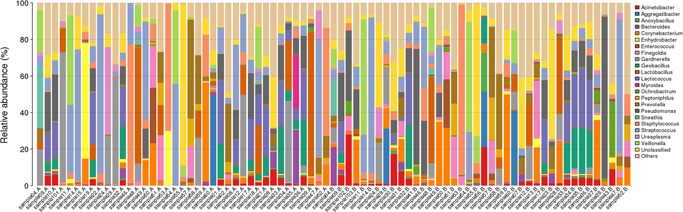
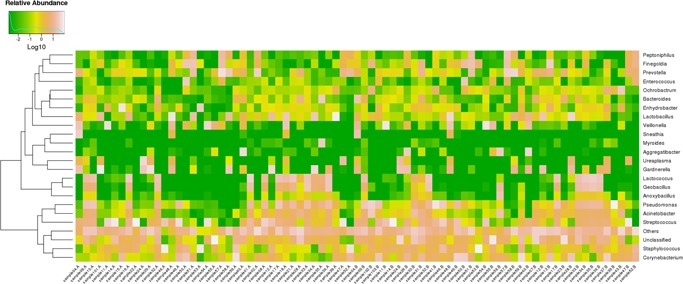
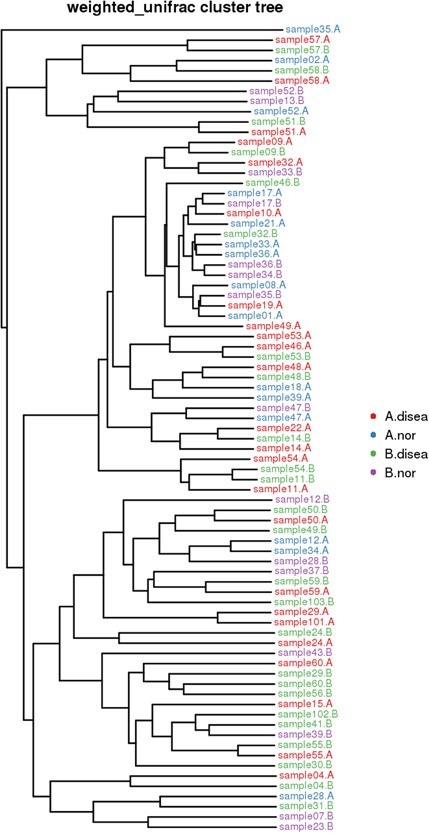
Unweighted pair group method with arithmetic mean (UPGMA) cluster analysis, principal component analysis (PCA), and Spearman's rank correlation showed that the microbial compositions of the urethral secretions and EPS collected from the same subject were essentially the same.
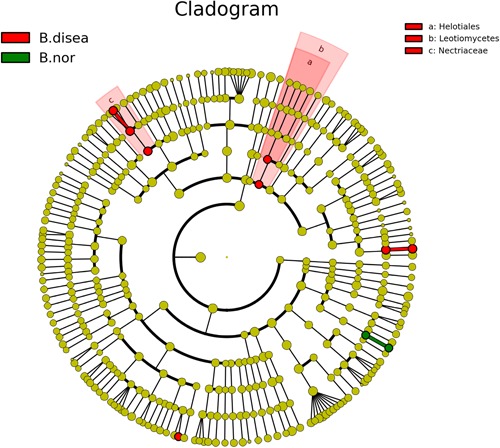
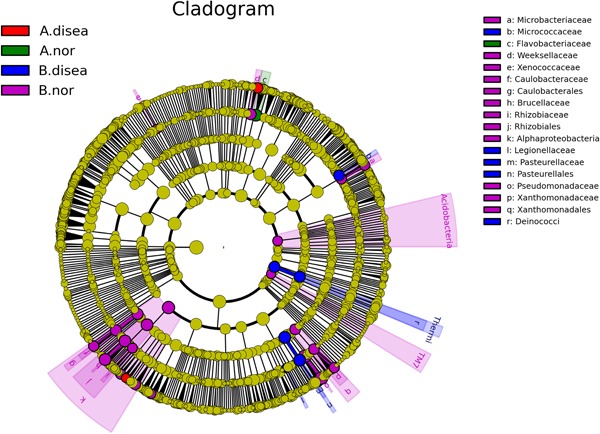
No potential pathogens were identified in diagnosed patients with CP III. The EPS may be free from bacteria before and after infection. Changes in the urinary tract microbiome may disrupt the microecological balance of the urinary system, thereby leading to CP III. Conversely, the true pathogens of CP III may not be prokaryotic or eukaryotic microorganisms, Future research may involve the evaluation of noncellular microbes.
目前尚不清楚导致慢性前列腺炎/慢性骨盆疼痛综合征(CP/CPPS;NIH 分类 III 型)的病原体。本研究利用高通量下一代测序技术筛选与 NIH 分类 III 型 CP(CP III)相关的潜在病原体。
本研究纳入 33 例 CP III 患者和 30 例健康男性,分别采集尿道分泌物和前列腺分泌物(EPS)各 1 份。对所有样本进行高通量下一代测序,以检测细菌 16S 核糖体可变区和真菌内部转录间隔区的序列变异和相对丰度。使用生物信息学软件和数据库进行数据分析,P<.05 差异被认为具有统计学意义。
非加权组平均法(UPGMA)聚类分析、主成分分析(PCA)和 Spearman 秩相关分析表明,同一受试者采集的尿道分泌物和 EPS 的微生物组成基本相同。
在诊断为 CP III 的患者中未发现潜在病原体。EPS 在感染前后可能不含细菌。尿路微生物组的变化可能破坏泌尿系统的微生态平衡,从而导致 CP III。相反,CP III 的真正病原体可能不是原核或真核微生物,未来的研究可能涉及非细胞微生物的评估。