Section of Pharmaceutical Chemistry, Department of Pharmacy, School of Health Sciences, National and Kapodistrian University of Athens (NKUA), 15701 Athens, Greece.
Section of Cell Biology and Biophysics, Department of Biology, School of Science, National and Kapodistrian University of Athens (NKUA), 15701 Athens, Greece.
Int J Mol Sci. 2020 Mar 10;21(5):1892. doi: 10.3390/ijms21051892.
Urothelial bladder cancer (UBC) is one of the cancers with the highest mortality rate and prevalence worldwide; however, the clinical management of the disease remains challenging. Metabolomics has emerged as a powerful tool with beneficial applications in cancer biology and thus can provide new insights on the underlying mechanisms of UBC progression and/or reveal novel diagnostic and therapeutic schemes.
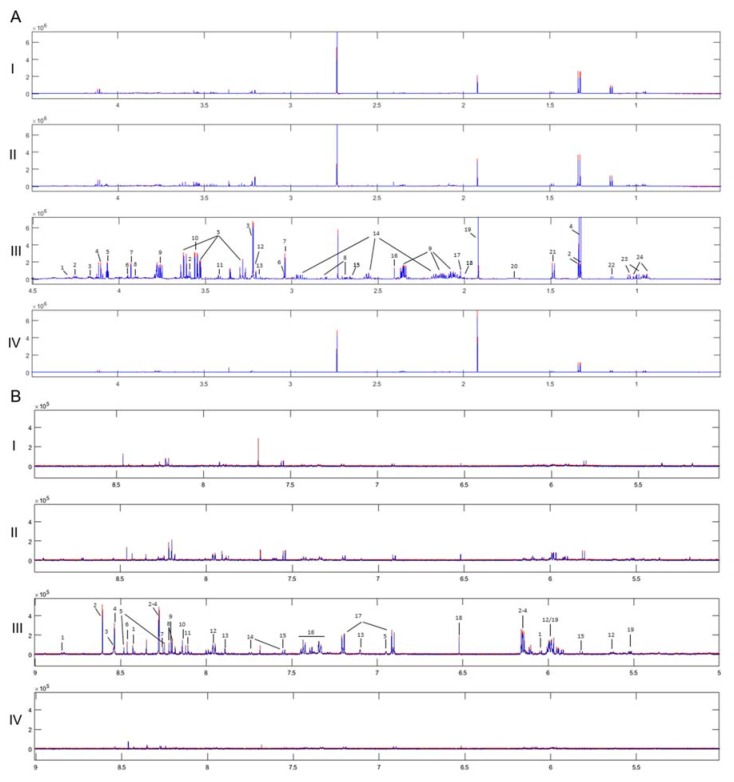
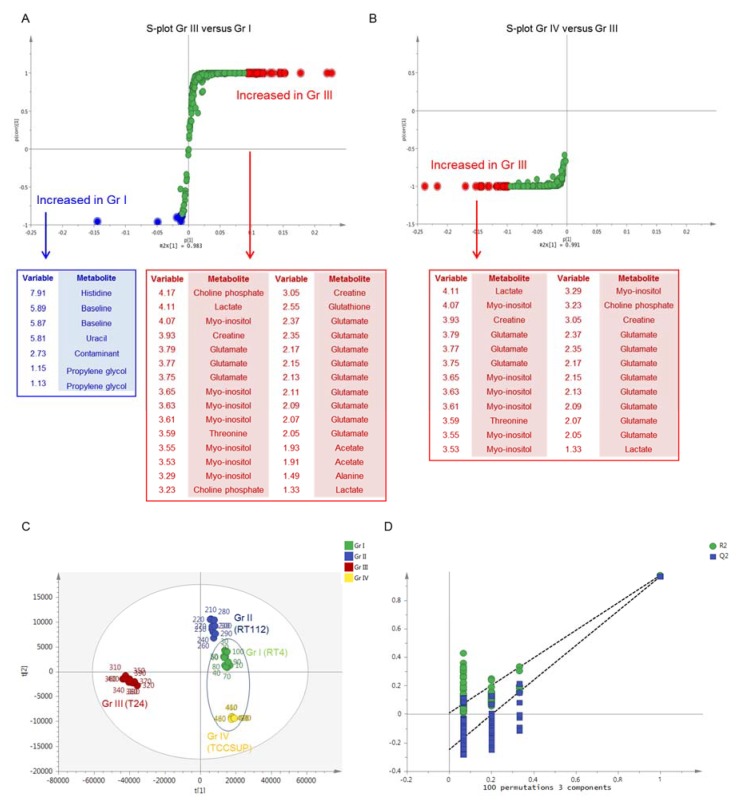
A collection of four human UBC cell lines that critically reflect the different malignancy grades of UBC was employed; RT4 (grade I), RT112 (grade II), T24 (grade III), and TCCSUP (grade IV). They were examined using Nuclear Magnetic Resonance, Mass Spectrometry, and advanced statistical approaches, with the goal of creating new metabolic profiles that are mechanistically associated with UBC progression toward metastasis.
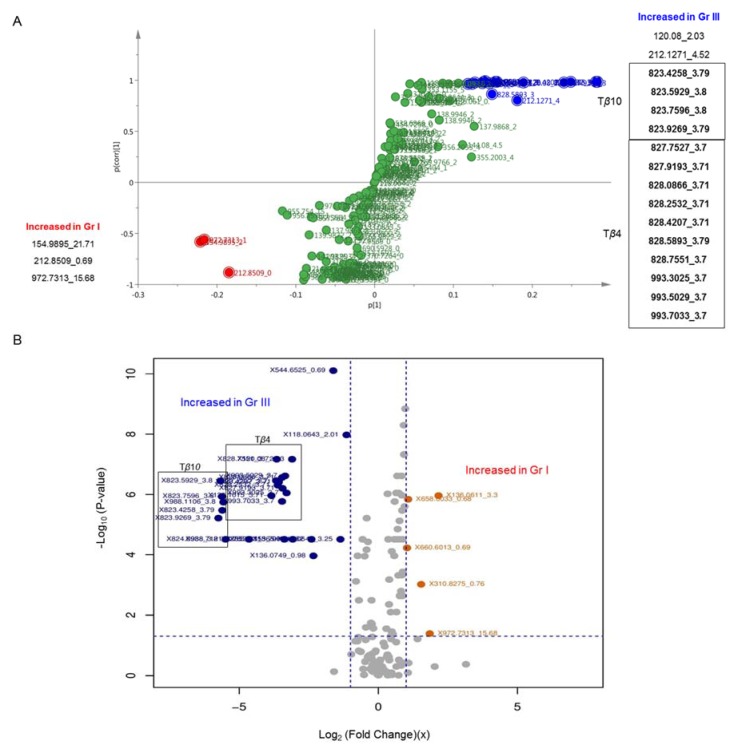
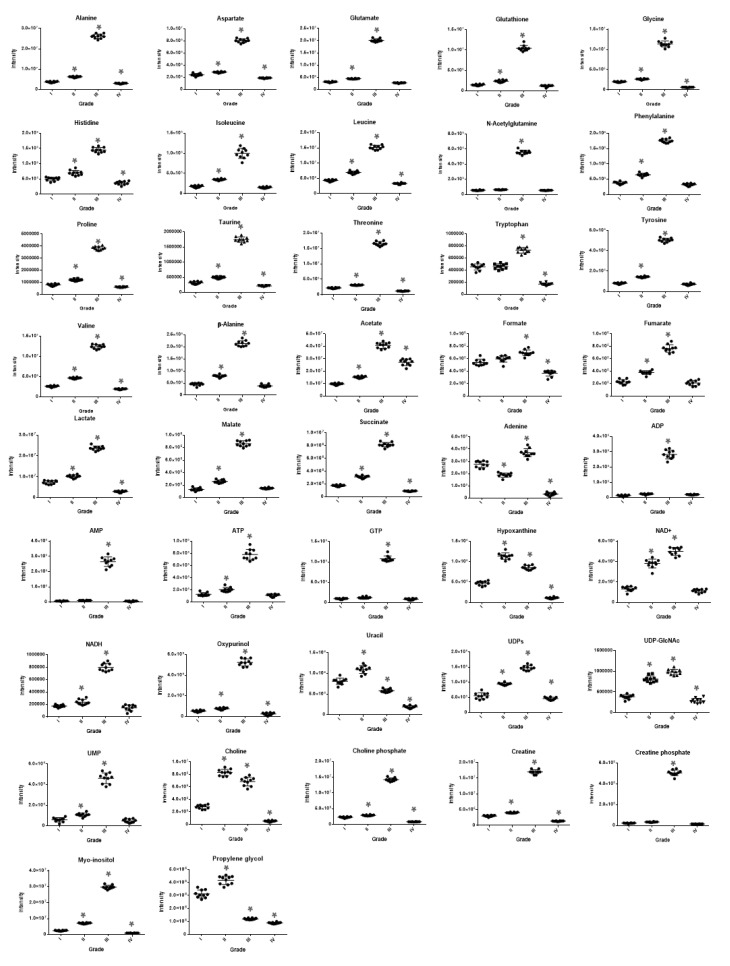
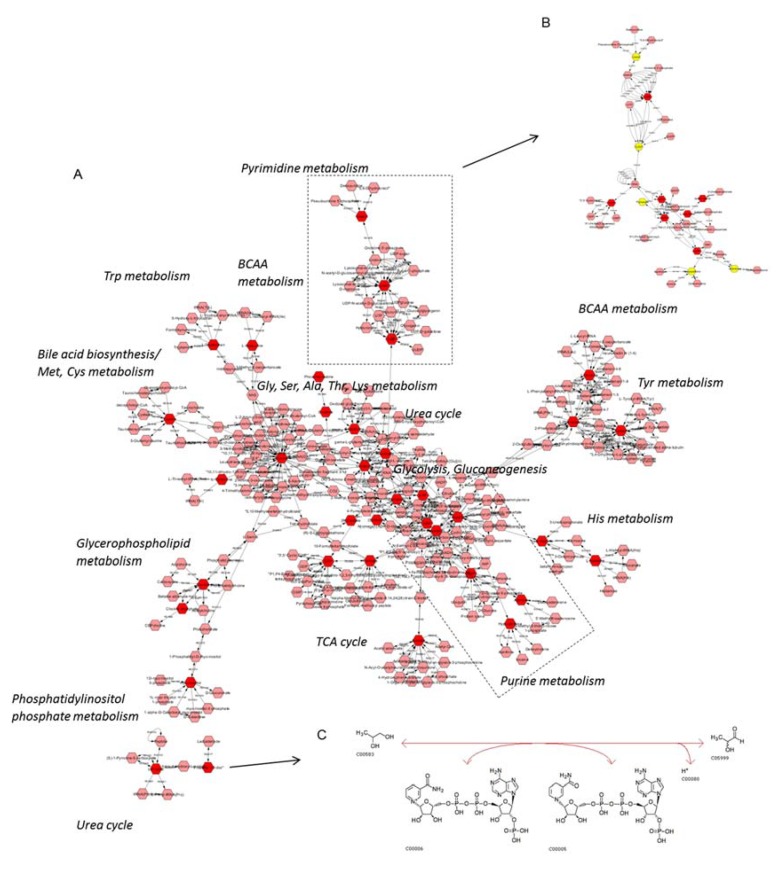
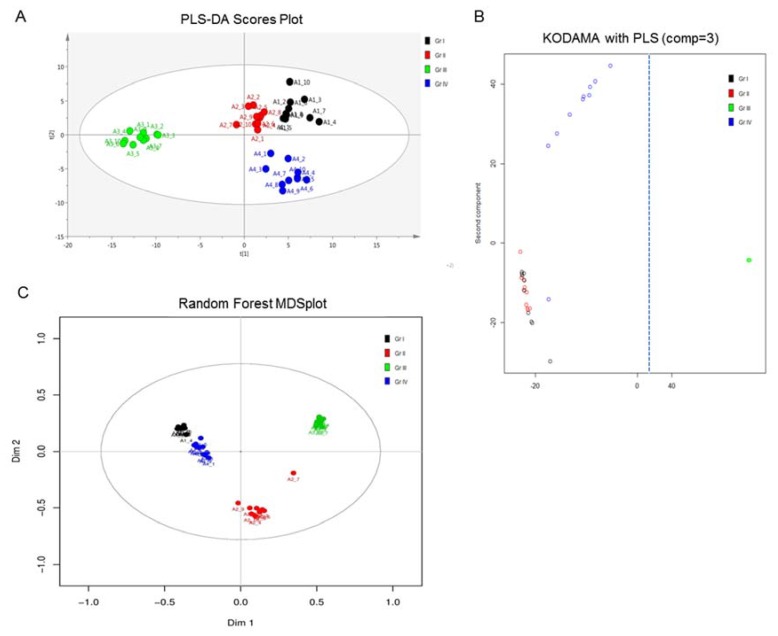
Distinct metabolic profiles were observed for each cell line group, with T24 (grade III) cells exhibiting the most abundant metabolite contents. AMP and creatine phosphate were highly increased in the T24 cell line compared to the RT4 (grade I) cell line, indicating the major energetic transformation to which UBC cells are being subjected during metastasis. Thymosin 4 and 10 were also profiled with grade-specific patterns of expression, strongly suggesting the importance of actin-cytoskeleton dynamics for UBC advancement to metastatic and drug-tolerant forms.
The present study unveils a novel and putatively druggable metabolic signature that holds strong promise for early diagnosis and the successful chemotherapy of UBC disease.
膀胱癌(UBC)是全球死亡率和发病率最高的癌症之一;然而,该疾病的临床管理仍然具有挑战性。代谢组学已成为一种强大的工具,在癌症生物学中有有益的应用,因此可以提供膀胱癌进展潜在机制的新见解,并/或揭示新的诊断和治疗方案。
采用了四种人膀胱癌细胞系的集合,这些细胞系严格反映了膀胱癌的不同恶性程度;RT4(I 级)、RT112(II 级)、T24(III 级)和 TCCSUP(IV 级)。使用核磁共振、质谱和先进的统计方法对它们进行了检查,目的是创建与膀胱癌向转移进展具有机制关联的新代谢谱。
观察到每个细胞系组都有独特的代谢谱,其中 T24(III 级)细胞表现出最丰富的代谢物含量。与 RT4(I 级)细胞系相比,T24 细胞系中 AMP 和磷酸肌酸含量显著增加,表明膀胱癌细胞在转移过程中经历了主要的能量转化。胸腺素 4 和 10 也呈现出特定于分级的表达模式,强烈表明肌动蛋白-细胞骨架动力学对膀胱癌进展为转移性和耐药性形式的重要性。
本研究揭示了一种新颖的、潜在可药物治疗的代谢特征,为膀胱癌的早期诊断和成功化疗提供了强有力的前景。