Department of Chemistry and Biology "Adolfo Zambelli", University of Salerno, 84084 Fisciano (Sa), Italy.
Department of Biology, University Federico II, 80126 Napoli, Italy.
Int J Mol Sci. 2020 Mar 10;21(5):1903. doi: 10.3390/ijms21051903.
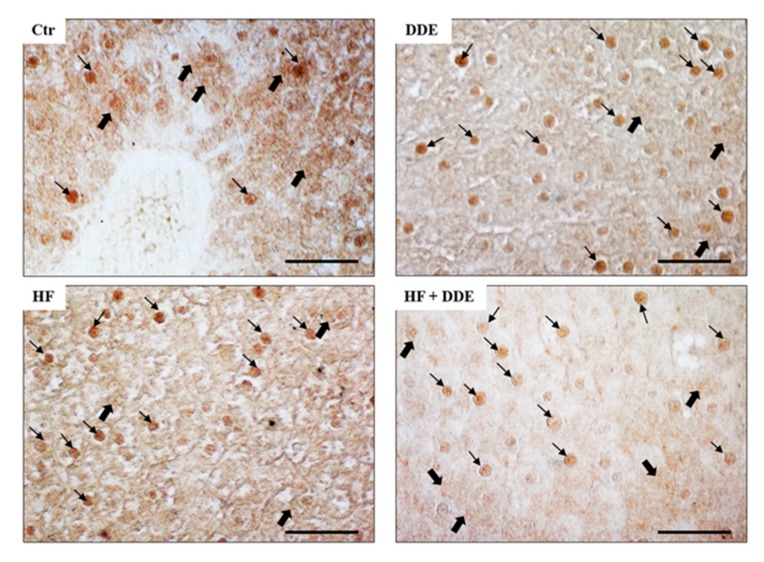
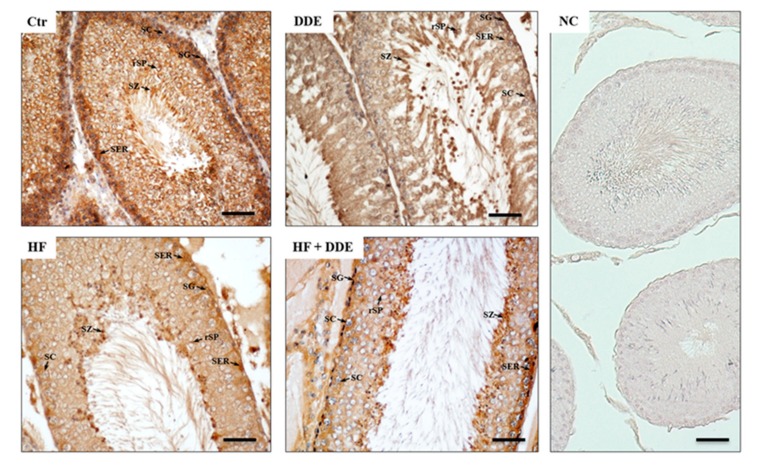
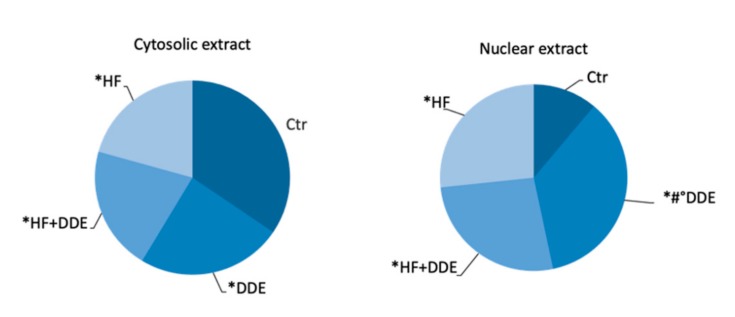
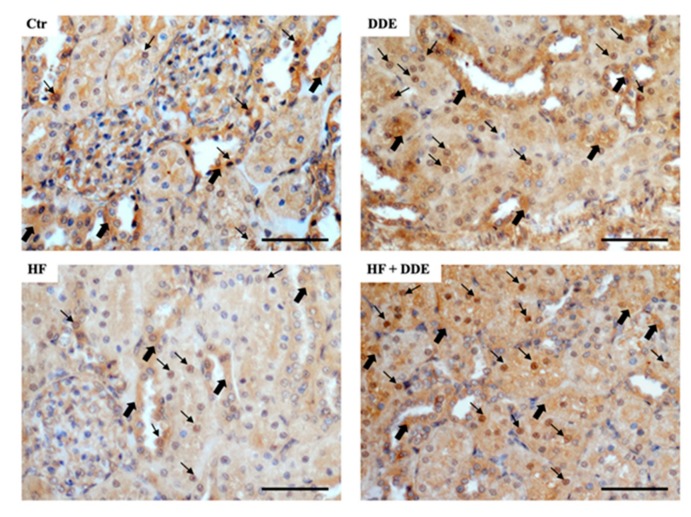
The growing number of studies on metallothioneins (MTs), cysteine-rich metal-binding proteins, have been disclosing new functions of these proteins. Thanks to their inducibility, they were considered to play a pivotal role in regulating trace metals homeostasis and in detoxification from heavy metals; nowadays, it is known that they are involved in various physiological and pathological processes, such as regulation of apoptosis, elimination of free radicals, and protection of nucleic acids against toxic insults. MT induction has been demonstrated following stress factors other than heavy metals, such as endocrine-disrupting chemicals, insecticides, and herbicides. However, retrieved data are often controversial: in some cases, xenobiotics elicit MT expression and synthesis; under different conditions, they lead to a decrease in cellular MT content. This review describes the MT response to dichlorodiphenyltrichloroethane (DDT) contamination in mammalian tissues. In particular, attention focuses on changes in MT expression, synthesis, and localization in rat liver, kidneys, and testes following oral administration of dichlorodiphenyldichloroethylene (DDE), the main metabolite of DDT, under normal dietary conditions or in combination with a high fat diet potentially able to increase the cellular uptake of this lipophilic pesticide. The potential connection between MT expression and synthesis, lipophilic substances and trace metals availability is also discussed.
越来越多的关于金属硫蛋白(MTs)的研究,富含半胱氨酸的金属结合蛋白,揭示了这些蛋白质的新功能。由于其诱导性,它们被认为在调节痕量金属内稳态和重金属解毒中发挥关键作用;如今,已知它们参与各种生理和病理过程,如凋亡的调节、自由基的消除以及核酸免受有毒物质的侵害。除重金属外,应激因素如内分泌干扰化学物质、杀虫剂和除草剂也能诱导 MT 表达。然而,检索到的数据往往存在争议:在某些情况下,外源性化学物质会引发 MT 的表达和合成;在不同的条件下,它们会导致细胞内 MT 含量减少。本文描述了 MT 对二氯二苯三氯乙烷(DDT)污染的哺乳动物组织的反应。特别是,本文关注了在正常饮食条件下或与高脂肪饮食联合口服二氯二苯二氯乙烯(DDE)(DDT 的主要代谢物)后,大鼠肝脏、肾脏和睾丸中 MT 表达、合成和定位的变化,这种高脂肪饮食可能会增加这种亲脂性杀虫剂的细胞摄取。还讨论了 MT 表达和合成、亲脂性物质和痕量金属供应之间的潜在联系。