Laboratorio de Neuropatología Experimental, Instituto Nacional de Neurología y Neurocirugía MVS, Mexico City, Mexico.
Departamento de Neuroquímica, Instituto Nacional de Neurología y Neurocirugía MVS, Mexico City, Mexico.
Oxid Med Cell Longev. 2017;2017:5828056. doi: 10.1155/2017/5828056. Epub 2017 Sep 20.
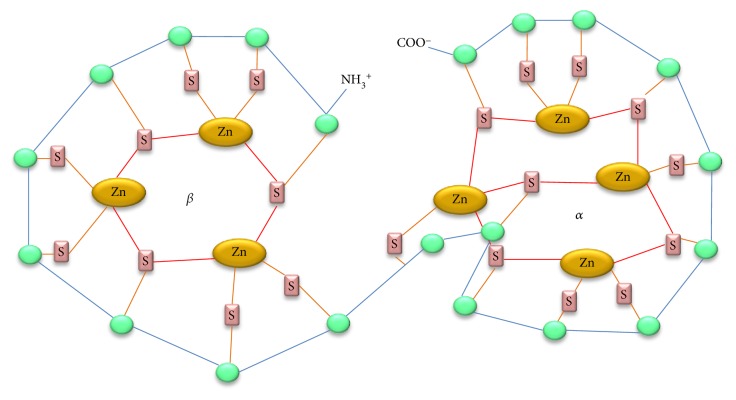
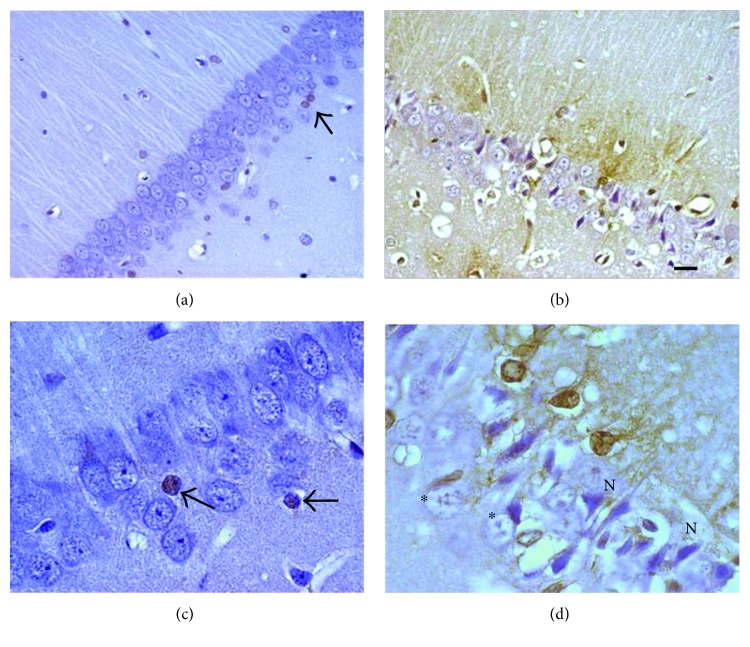
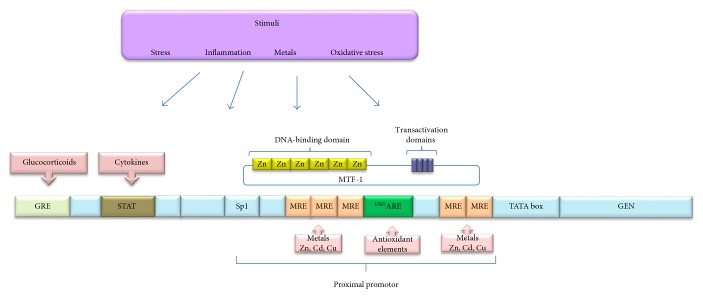
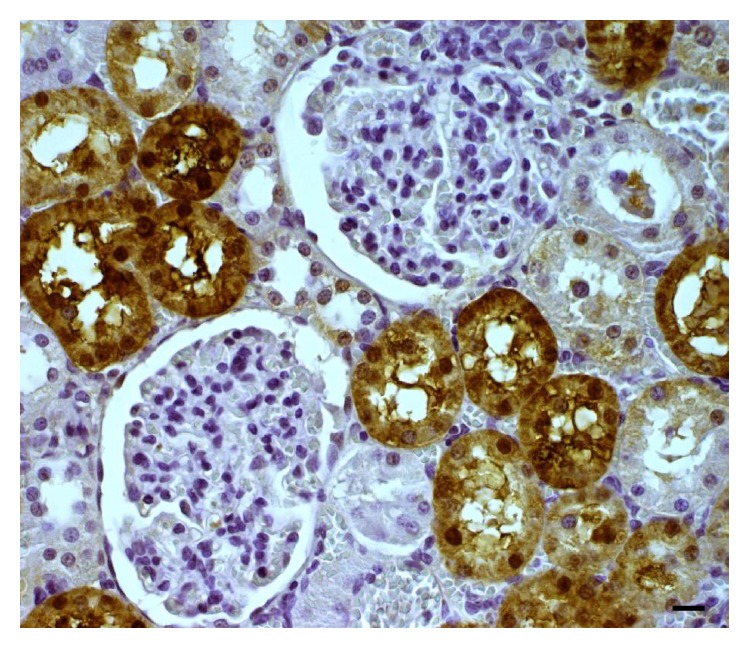
Metallothioneins are a family of proteins which are able to bind metals intracellularly, so their main function is to regulate the cellular metabolism of essential metals. There are 4 major isoforms of MTs (I-IV), three of which have been localized in the central nervous system. MT-I and MT-II have been localized in the spinal cord and brain, mainly in astrocytes, whereas MT-III has been found mainly in neurons. MT-I and MT-II have been considered polyvalent proteins whose main function is to maintain cellular homeostasis of essential metals such as zinc and copper, but other functions have also been considered: detoxification of heavy metals, regulation of gene expression, processes of inflammation, and protection against free radicals generated by oxidative stress. On the other hand, the MT-III has been related in events of pathogenesis of neurodegenerative diseases such as Parkinson and Alzheimer. Likewise, the participation of MTs in other neurological disorders has also been reported. This review shows recent evidence about the role of MT in the central nervous system and its possible role in neurodegenerative diseases as well as in brain disorders.
金属硫蛋白是一类能够在细胞内结合金属的蛋白质,因此它们的主要功能是调节必需金属的细胞代谢。有 4 种主要的 MT 同工型(I-IV),其中 3 种已在中枢神经系统中定位。MT-I 和 MT-II 已在脊髓和大脑中定位,主要在星形胶质细胞中,而 MT-III 主要在神经元中发现。MT-I 和 MT-II 被认为是多价蛋白,其主要功能是维持锌和铜等必需金属的细胞内稳态,但也考虑了其他功能:重金属解毒、基因表达调控、炎症过程和防止氧化应激产生的自由基。另一方面,MT-III 与帕金森和阿尔茨海默等神经退行性疾病的发病机制有关。同样,也有报道称 MT 参与了其他神经障碍。这篇综述展示了 MT 在中枢神经系统中的作用及其在神经退行性疾病以及脑疾病中的可能作用的最新证据。