Electron Microscopy Laboratory, Institute of Biological Sciences, University of Brasilia, Brasília, Brazil.
Nanobiotechnology Laboratory, Institute of Biological Sciences, University of Brasilia, Brasília, Brazil.
J Nanobiotechnology. 2020 Mar 12;18(1):43. doi: 10.1186/s12951-020-00604-7.
Metastasis causes the most breast cancer-related deaths in women. Here, we investigated the antitumor effect of solid lipid nanoparticles (SLN-DTX) when used in the treatment of metastatic breast tumors using 4T1-bearing BALB/c mice.
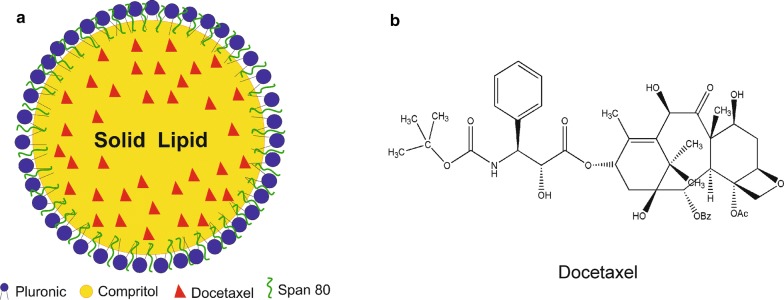
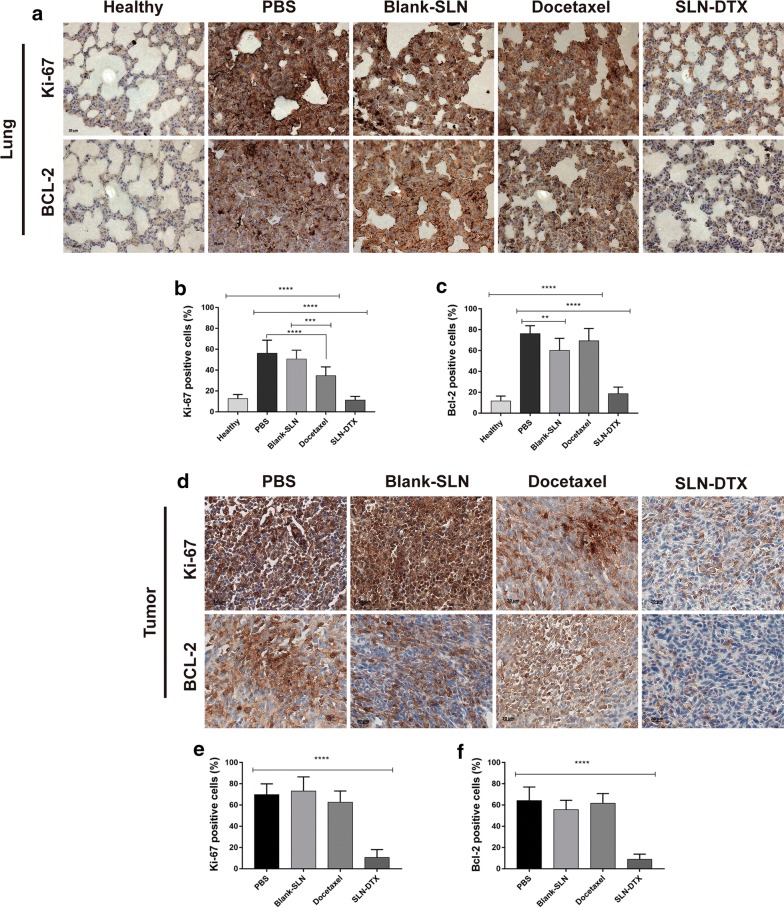
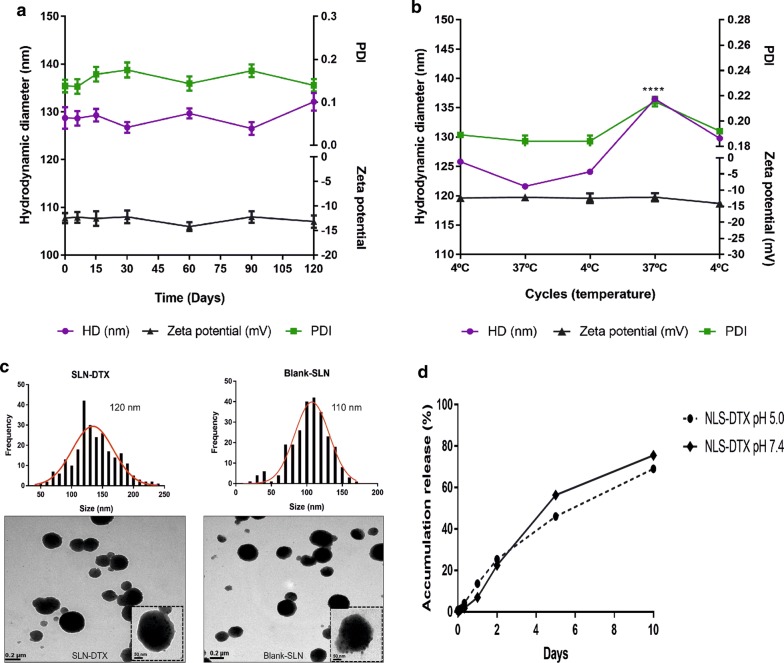
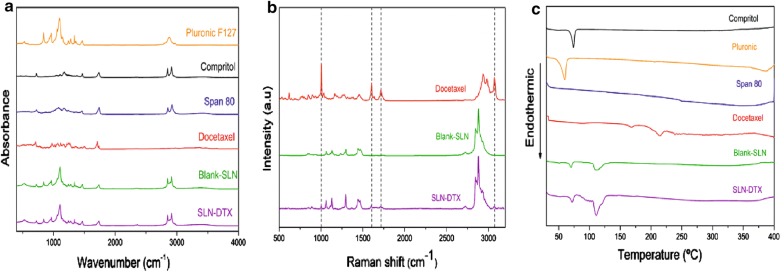
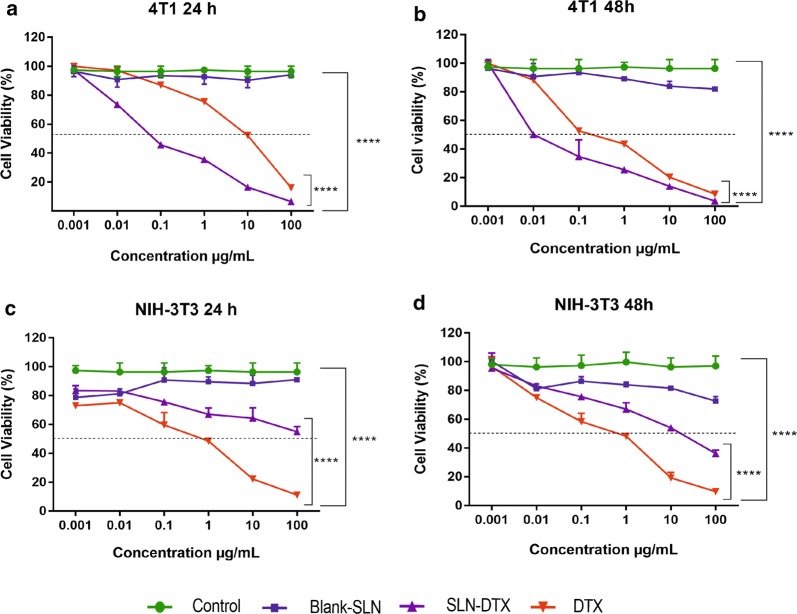
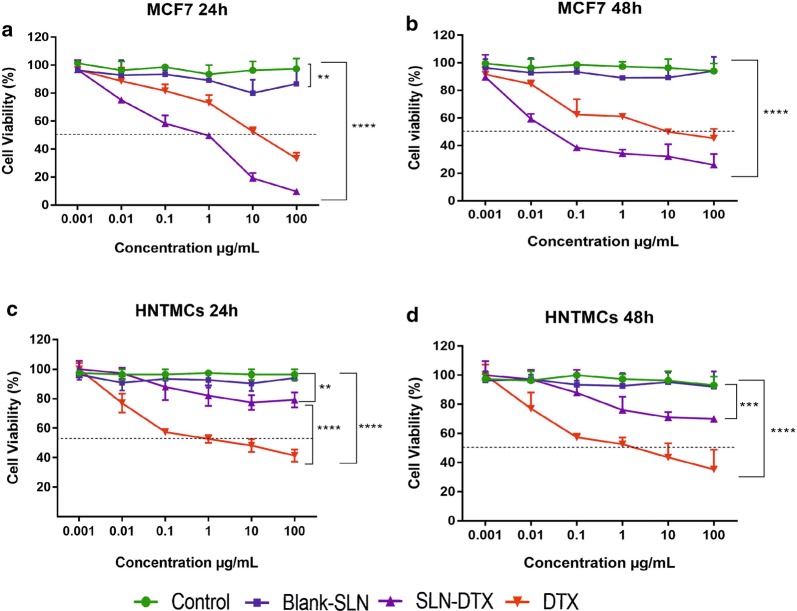
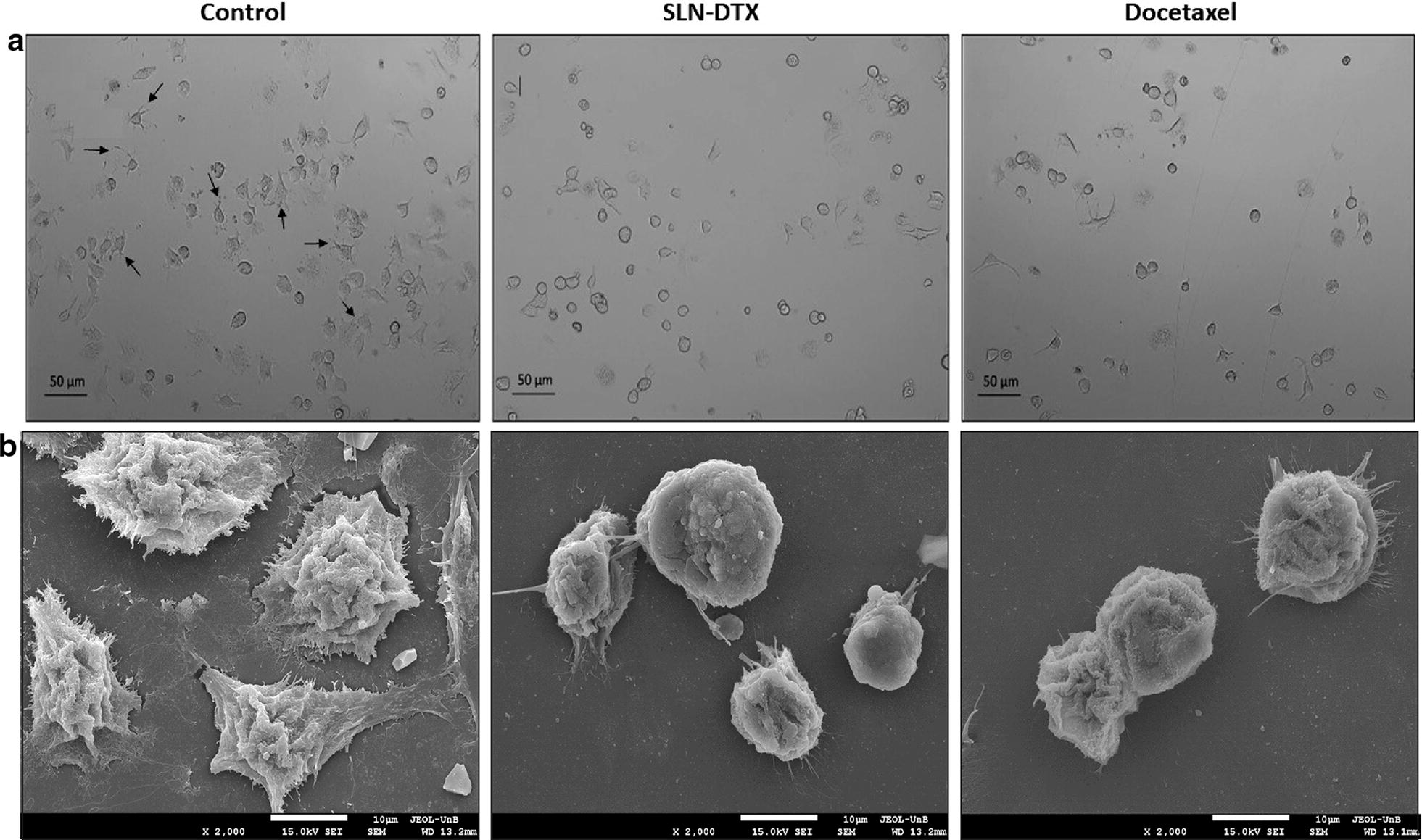
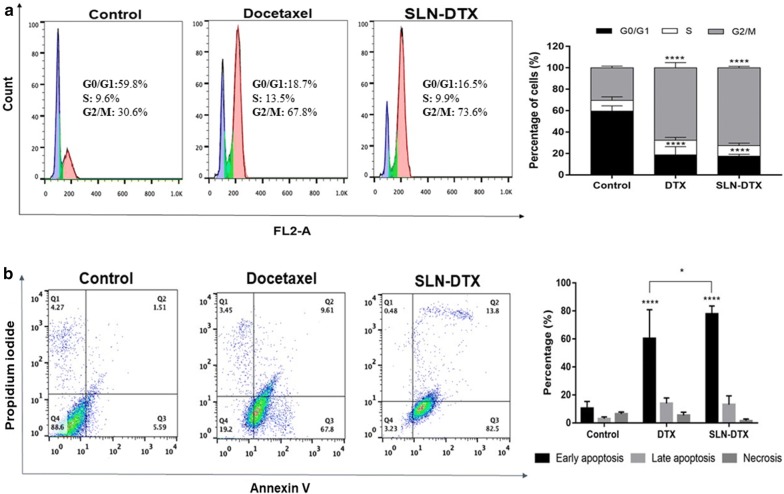
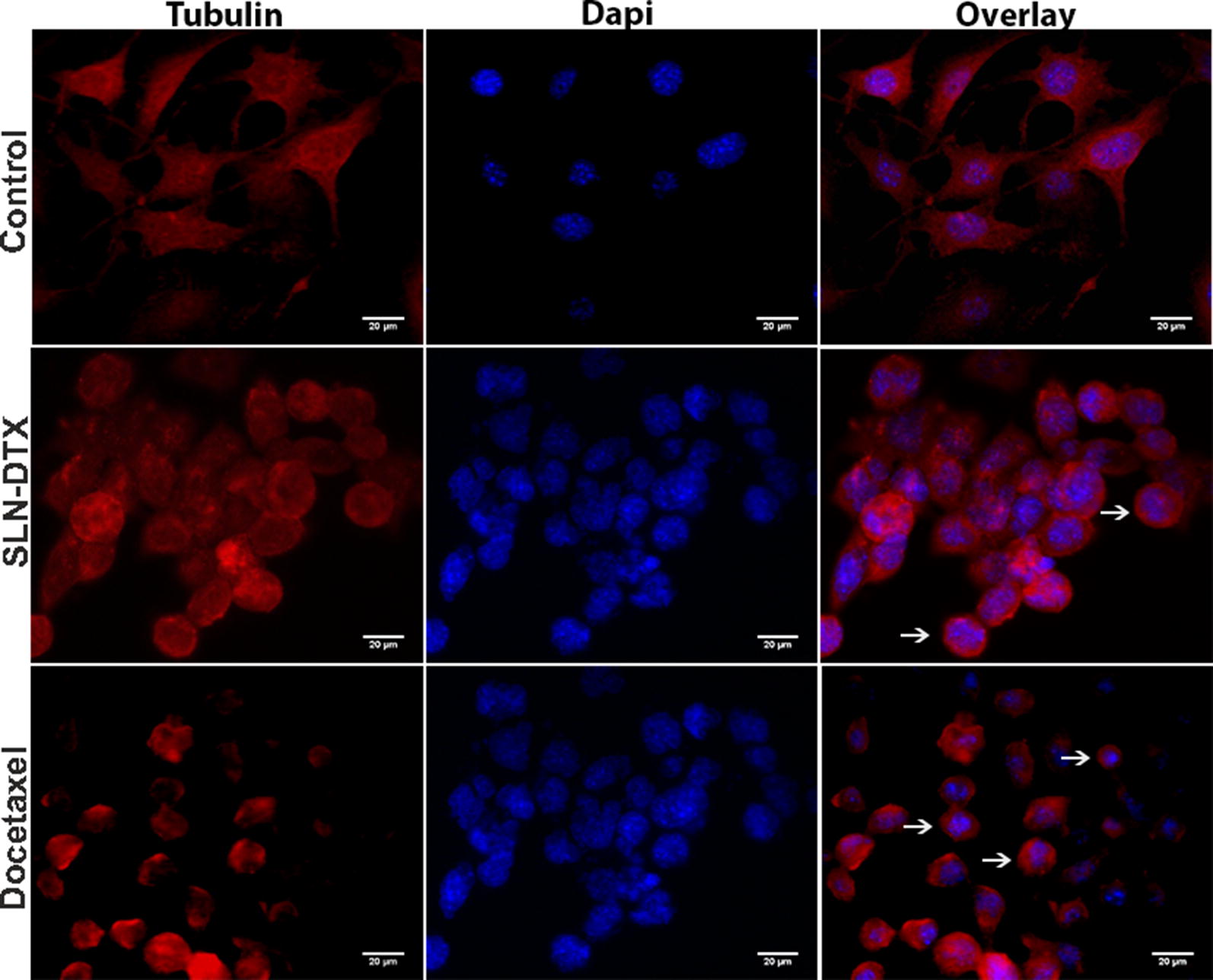
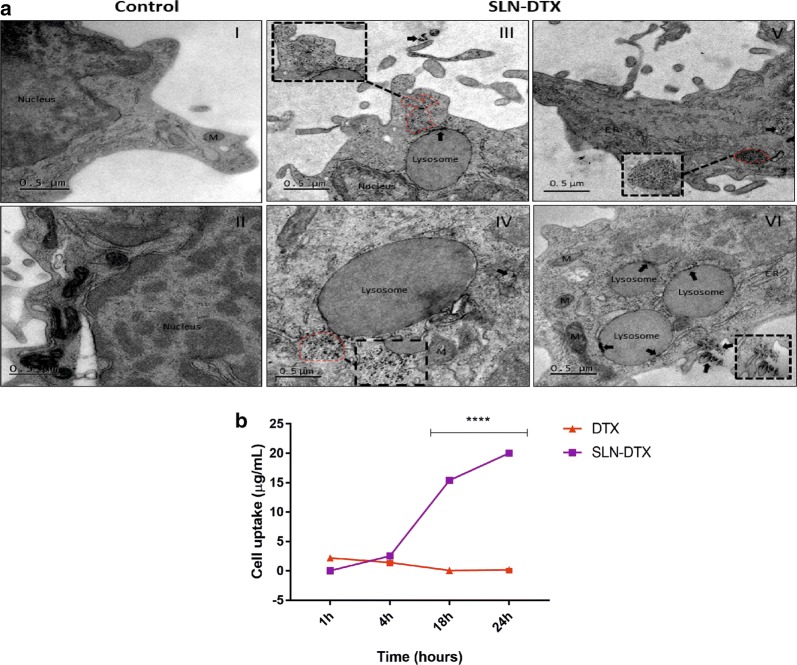
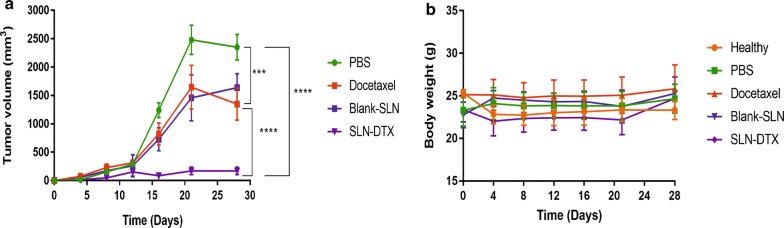
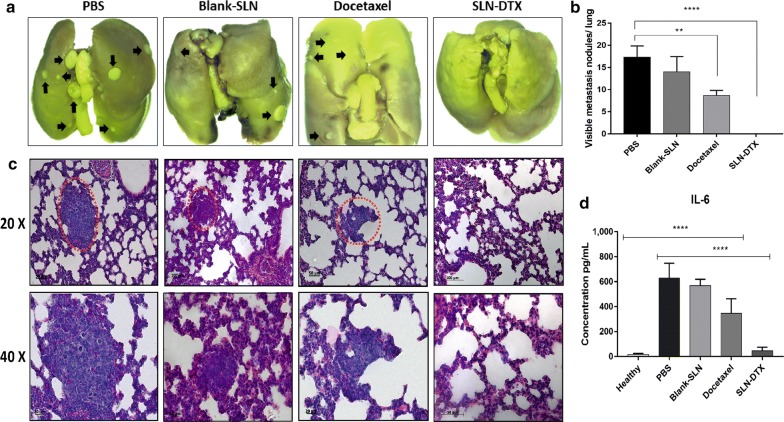
Solid lipid nanoparticles (SLNs) were produced using the high-energy method. Compritol 888 ATO was selected as the lipid matrix, and Pluronic F127 and Span 80 as the surfactants to stabilize nanoparticle dispersion. The particles had high stability for at least 120 days. The SLNs' dispersion size was 128 nm, their polydispersity index (PDI) was 0.2, and they showed a negative zeta potential. SLNs had high docetaxel (DTX) entrapment efficiency (86%), 2% of drug loading and showed a controlled drug-release profile. The half-maximal inhibitory concentration (IC) of SLN-DTX against 4T1 cells was more than 100 times lower than that of free DTX after 24 h treatment. In the cellular uptake test, SLN-DTX was taken into the cells significantly more than free DTX. The accumulation in the G2-M phase was significantly higher in cells treated with SLN-DTX (73.7%) than in cells treated with free DTX (23.0%), which induced subsequent apoptosis. TEM analysis revealed that SLN-DTX internalization is mediated by endocytosis, and fluorescence microscopy showed DTX induced microtubule damage. In vivo studies showed that SLN-DTX compared to free docetaxel exhibited higher antitumor efficacy by reducing tumor volume (p < 0.0001) and also prevented spontaneous lung metastasis in 4T1 tumor-bearing mice. Histological studies of lungs confirmed that treatment with SLN-DTX was able to prevent tumor. IL-6 serum levels, ki-67 and BCL-2 expression were analyzed and showed a remarkably strong reduction when used in a combined treatment.
These results indicate that DTX-loaded SLNs may be a promising carrier to treat breast cancer and in metastasis prevention.
转移是导致女性乳腺癌相关死亡的主要原因。在这里,我们使用携带 4T1 的 BALB/c 小鼠研究了固体脂质纳米粒(SLN-DTX)在治疗转移性乳腺癌中的抗肿瘤作用。
使用高能法制备固体脂质纳米粒(SLN)。选择 Compritol 888 ATO 作为脂质基质,Pluronic F127 和 Span 80 作为表面活性剂稳定纳米粒分散体。至少 120 天内,颗粒具有高稳定性。SLN 的分散体粒径为 128nm,多分散指数(PDI)为 0.2,表现出负的zeta 电位。SLN 对紫杉醇(DTX)的包封效率(86%)高,药物载量为 2%,显示出控制药物释放的特性。与游离 DTX 相比,24 小时后 SLN-DTX 对 4T1 细胞的半最大抑制浓度(IC)低 100 多倍。在细胞摄取试验中,与游离 DTX 相比,SLN-DTX 明显更多地被细胞摄取。与游离 DTX 处理的细胞(23.0%)相比,用 SLN-DTX 处理的细胞中 G2-M 期的积累明显更高,这导致随后的细胞凋亡。TEM 分析表明,SLN-DTX 的内化是通过内吞作用介导的,荧光显微镜显示 DTX 诱导微管损伤。体内研究表明,与游离多西紫杉醇相比,SLN-DTX 通过减少肿瘤体积(p<0.0001)表现出更高的抗肿瘤疗效,并防止 4T1 荷瘤小鼠自发肺转移。肺组织学研究证实,SLN-DTX 治疗能够预防肿瘤。分析了血清白细胞介素 6(IL-6)水平、ki-67 和 BCL-2 的表达,发现联合治疗时明显降低。
这些结果表明,载紫杉醇的 SLN 可能是一种有前途的载体,可用于治疗乳腺癌和预防转移。