Department of Endocrinology and Metabolism, Amsterdam University Medical Centers, Academic Medical Center (AMC), Amsterdam, The Netherlands.
Department of Biomedical Engineering, Eindhoven University of Technology, Eindhoven, The Netherlands.
Physiol Rep. 2020 Mar;8(5):e14358. doi: 10.14814/phy2.14358.
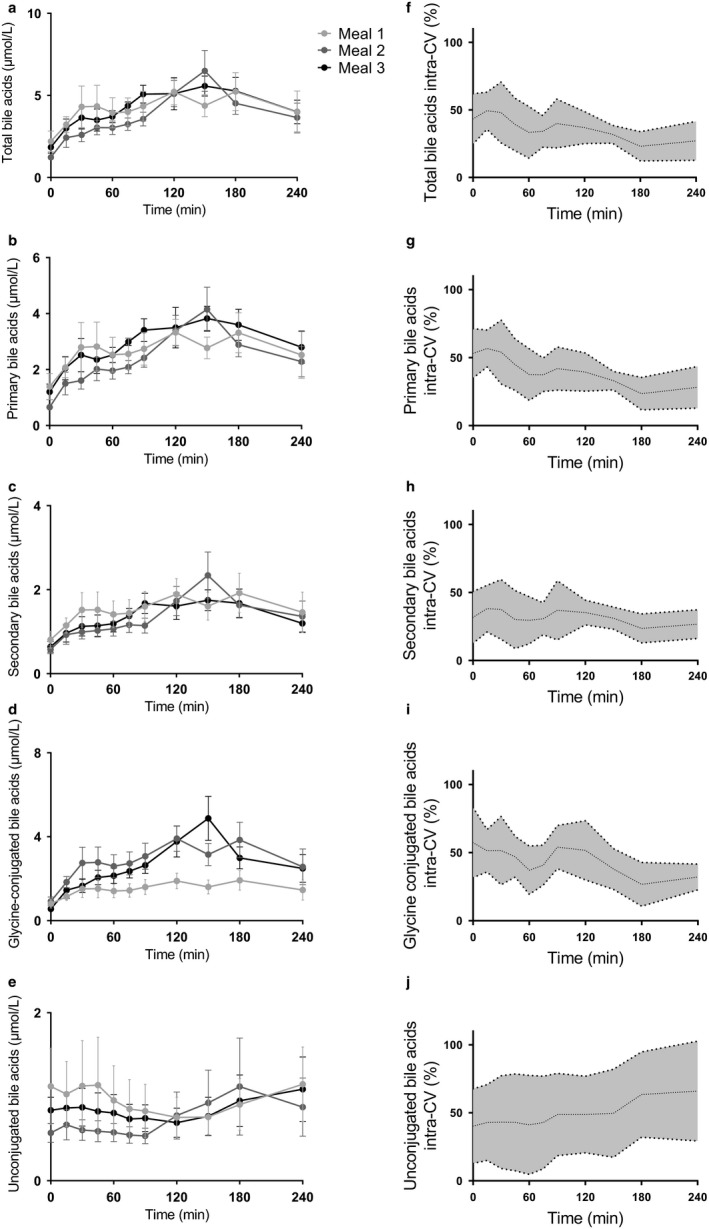
Bile acids are multifaceted metabolic compounds that signal to cholesterol, glucose, and lipid homeostasis via receptors like the Farnesoid X Receptor (FXR) and transmembrane Takeda G protein-coupled receptor 5 (TGR5). The postprandial increase in plasma bile acid concentrations is therefore a potential metabolic signal. However, this postprandial response has a high interindividual variability. Such variability may affect bile acid receptor activation.
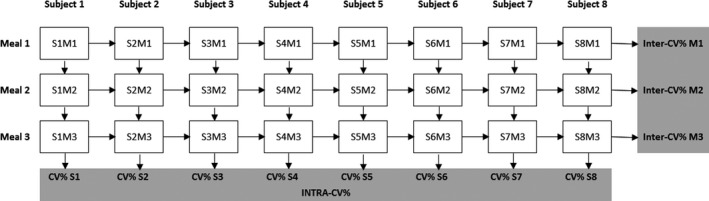
In this study, we analyzed the inter- and intraindividual variability of fasting and postprandial bile acid concentrations during three identical meals on separate days in eight healthy lean male subjects using a statistical and mathematical approach.
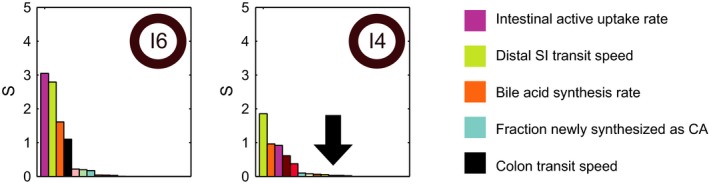
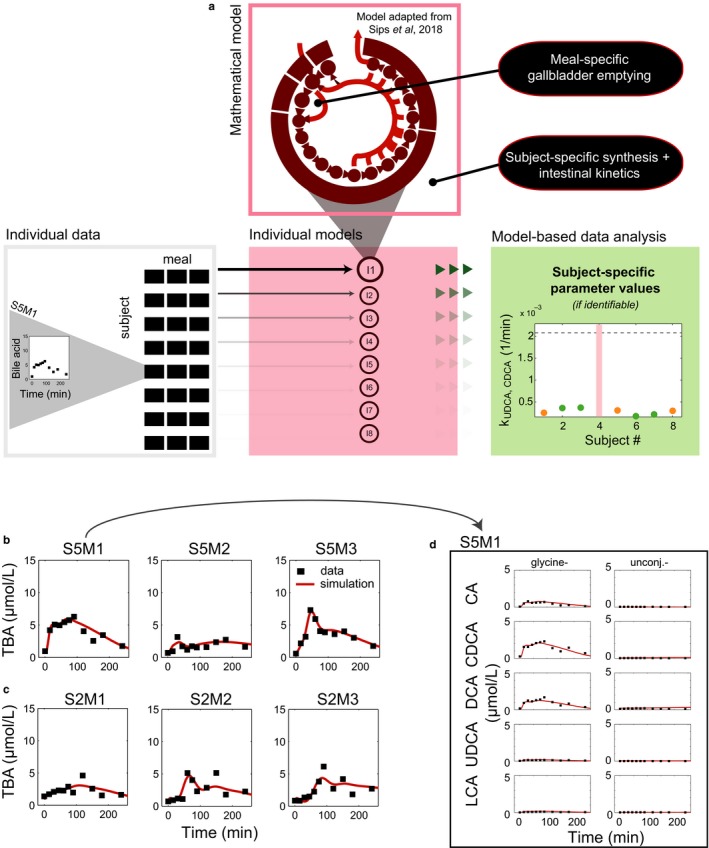
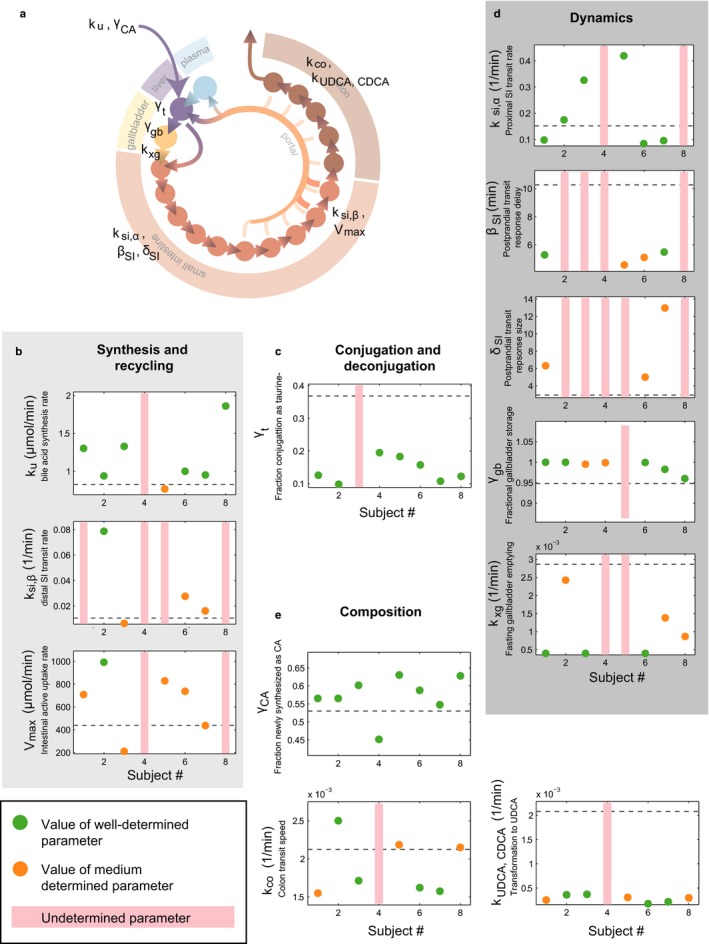
The postprandial bile acid responses exhibited large interindividual and intraindividual variability. The individual mathematical models, which represent the enterohepatic circulation of bile acids in each subject, suggest that interindividual variability results from quantitative and qualitative differences of distal active uptake, colon transit, and microbial bile acid transformation. Conversely, intraindividual variations in gallbladder kinetics can explain intraindividual differences in the postprandial responses.
We conclude that there is considerable inter- and intraindividual variation in postprandial plasma bile acid levels. The presented personalized approach is a promising tool to identify unique characteristics of underlying physiological processes and can be applied to investigate bile acid metabolism in pathophysiological conditions.
胆汁酸是一种多方面的代谢化合物,通过法尼醇 X 受体 (FXR) 和跨膜 Takeda G 蛋白偶联受体 5 (TGR5) 等受体向胆固醇、葡萄糖和脂质稳态发出信号。因此,餐后血浆胆汁酸浓度的增加是一种潜在的代谢信号。然而,这种餐后反应具有很高的个体间变异性。这种变异性可能会影响胆汁酸受体的激活。
在这项研究中,我们使用统计和数学方法分析了 8 名健康瘦男受试者在 3 天的 3 顿相同的餐食中空腹和餐后胆汁酸浓度的个体间和个体内变异性。
餐后胆汁酸反应表现出很大的个体间和个体内变异性。代表每个受试者胆汁酸肠肝循环的个体数学模型表明,个体间变异性源于远端主动摄取、结肠转运和微生物胆汁酸转化的定量和定性差异。相反,胆囊动力学的个体内变化可以解释餐后反应中的个体内差异。
我们得出结论,餐后血浆胆汁酸水平存在相当大的个体间和个体内差异。所提出的个性化方法是识别潜在生理过程独特特征的有前途的工具,可用于研究生理病理条件下的胆汁酸代谢。