Department of Human Biology, NUTRIM School of Nutrition and Translational Research in Metabolism, Maastricht University, Maastricht, the Netherlands.
Department of Kinesiology and Medical Physics & Applied Radiation Sciences, McMaster University, Hamilton, ON, Canada.
Acta Physiol (Oxf). 2020 Jul;229(3):e13465. doi: 10.1111/apha.13465. Epub 2020 Apr 3.
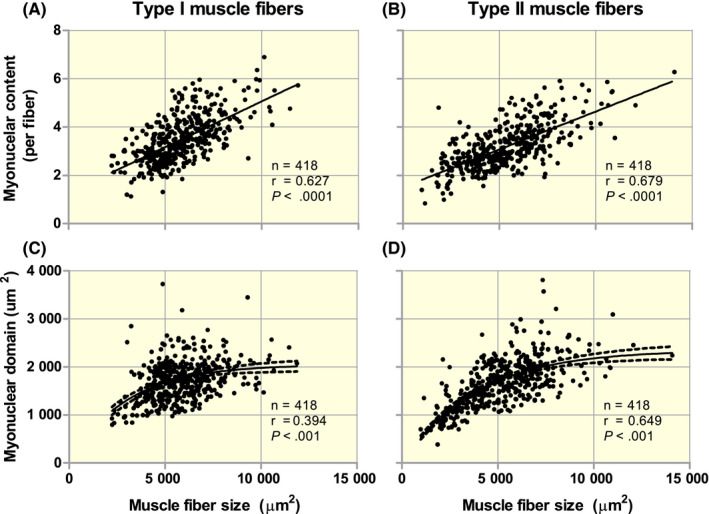
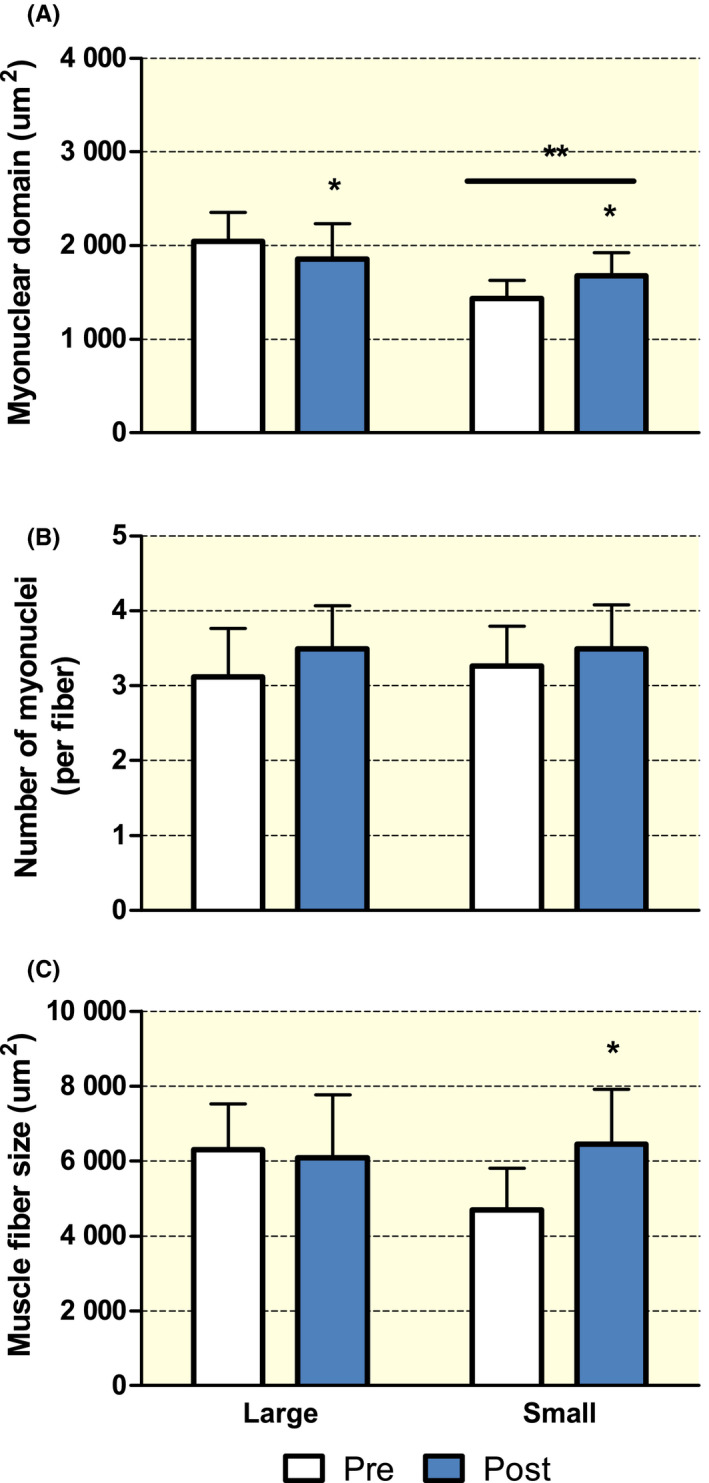
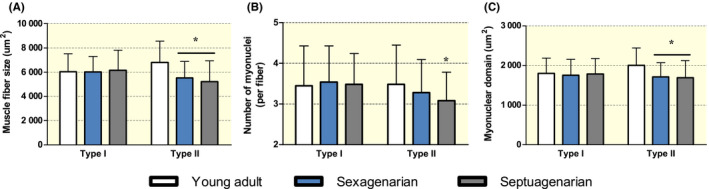
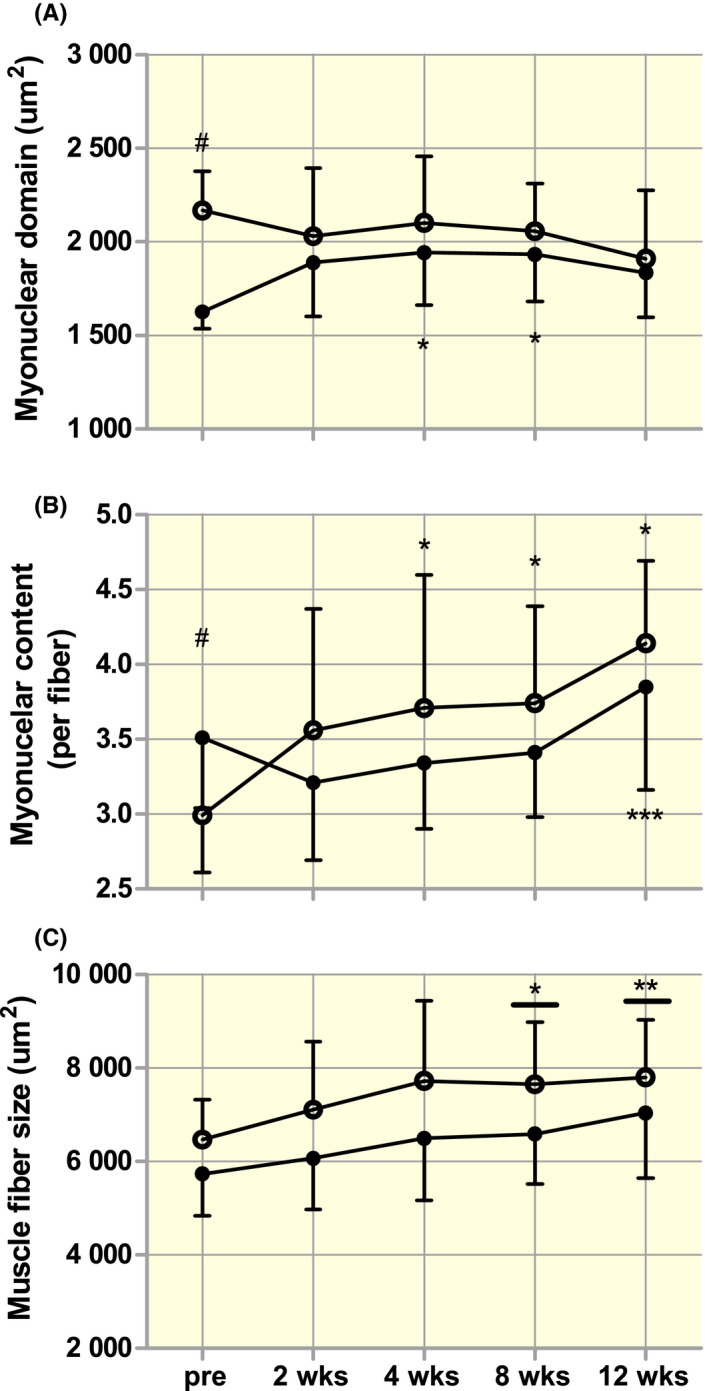
Within the current paradigm of the myonuclear domain theory, it is postulated that a linear relationship exists between muscle fibre size and myonuclear content. The myonuclear domain is kept (relatively) constant by adding additional nuclei (supplied by muscle satellite cells) during muscle fibre hypertrophy and nuclear loss (by apoptosis) during muscle fibre atrophy. However, data from recent animal studies suggest that myonuclei that are added to support muscle fibre hypertrophy are not lost within various muscle atrophy models. Such myonuclear permanence has been suggested to constitute a mechanism allowing the muscle fibre to (re)grow more efficiently during retraining, a phenomenon referred to as "muscle memory." The concept of "muscle memory by myonuclear permanence" has mainly been based on data attained from rodent experimental models. Whether the postulated mechanism also holds true in humans remains largely ambiguous. Nevertheless, there are several studies in humans that provide evidence to potentially support or contradict (parts of) the muscle memory hypothesis. The goal of the present review was to discuss the evidence for the existence of "muscle memory" in both animal and human models of muscle fibre hypertrophy as well as atrophy. Furthermore, to provide additional insight in the potential presence of muscle memory by myonuclear permanence in humans, we present new data on previously performed exercise training studies. Finally, suggestions for future research are provided to establish whether muscle memory really exists in humans.
在目前的肌核领域理论范式中,人们假设肌肉纤维大小和肌核含量之间存在线性关系。肌核领域通过在肌肉纤维肥大期间添加额外的核(由肌肉卫星细胞提供)和在肌肉纤维萎缩期间通过细胞凋亡丢失核(由肌肉卫星细胞提供)来保持(相对)恒定。然而,最近的动物研究数据表明,在各种肌肉萎缩模型中,为支持肌肉纤维肥大而添加的肌核并没有丢失。这种肌核的持久性被认为是一种机制,允许肌肉纤维在重新训练时更有效地(重新)生长,这种现象被称为“肌肉记忆”。“肌核持久性的肌肉记忆”的概念主要基于从啮齿动物实验模型中获得的数据。假设的机制是否也适用于人类,在很大程度上仍不清楚。然而,人类有几项研究提供了证据,可能支持或反驳(部分)肌肉记忆假说。本综述的目的是讨论在肌肉纤维肥大和萎缩的动物和人类模型中存在“肌肉记忆”的证据。此外,为了进一步了解人类肌核持久性潜在存在的肌肉记忆,我们提出了先前进行的运动训练研究的新数据。最后,提出了未来研究的建议,以确定人类是否真的存在肌肉记忆。