Department of Pediatric Urology Surgery, Wuhan Children's Hospital (Wuhan Maternal and Child Healthcare Hospital), Tongji Medical College, Huazhong University of Science and Technology, No.100, Hong Kong Road, Jiang'an District, Wuhan, 430016, China.
BMC Pediatr. 2020 Mar 16;20(1):124. doi: 10.1186/s12887-020-2021-6.
Discuss the superiority of laparoscopic orchiopexy in the treatment of inguinal palpable undescended testes.
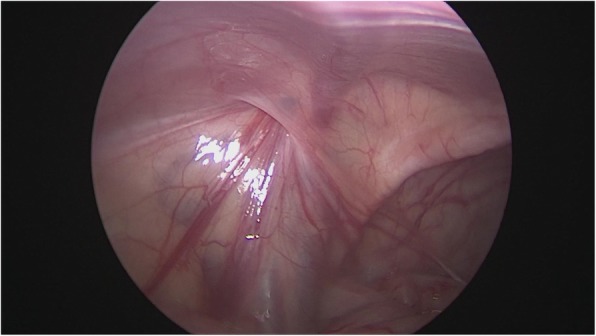
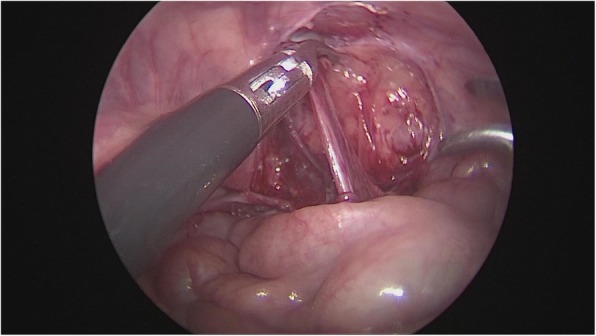
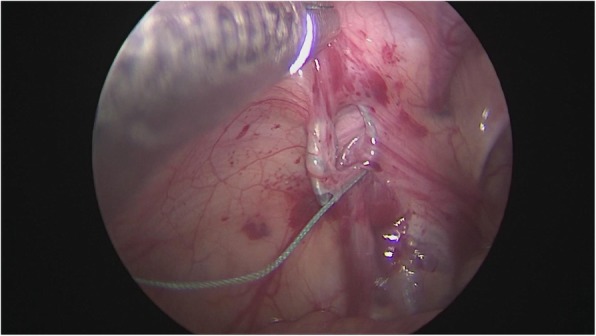
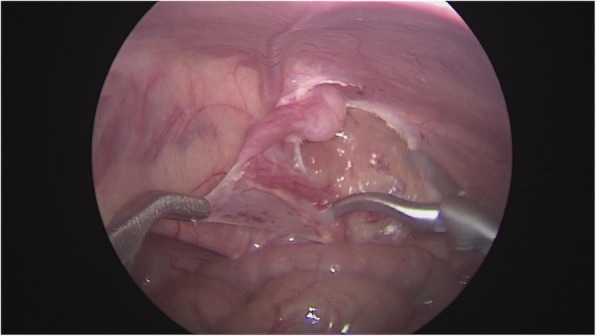
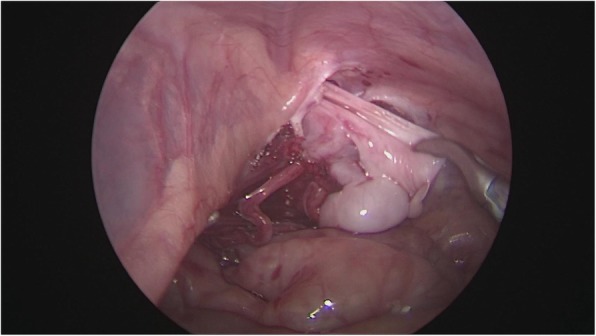
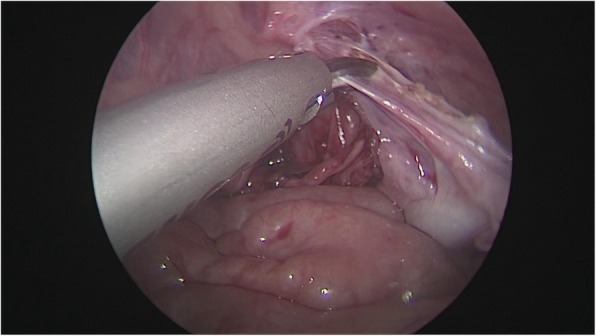
Inclusion criteria: Preoperative examination and color Doppler ultrasound examination confirmed that the testes were located in the inguinal canal and could not be pulled into the scrotum, except for retractive and ectopic testes. The surgical steps were depicted as follow. The retroperitoneal wall was carved by ultrasonic scalpels, separates the spermatic vessels closed to the inferior pole of the kidney if necessary, dissects the peritoneum of vas deferens, cuts the testicular gubernaculum, and pulls back the testicle into the abdominal cavity. Besides, protect the vas deferens, and descend the testes to the scrotum and fix them without tension.
There were 773 patients with 869 inguinal undescended palpable testes, 218 cases on the left side, 459 cases on the right side and 96 cases with bilateral undescended testes, whose age ranged from 6 months to 8 years, with an average of 20 months. All testes were successfully operated, no converted to open surgery. The average operation time was (34.8 ± 5.4) min. There were 692 testes have an ipsilateral patent processus vaginalis (89.5%); In 677 cases of unilateral cryptorchidism, 233 cases (34.4%) have a contralateral patent processus vaginalis, and laparoscopic percutaneous extraperitoneal closure the hernia sac carry out during the surgery. There was no subcutaneous emphysema during the operation, no vomiting, no abdominal distension, no wound bleeding and obvious pain after surgery, especially wound infection is rarely. Doppler ultrasound was evaluated regularly after surgery. The patients were followed up for 6 to 18 months. All the testes were located in the scrotum without testicular retraction and atrophy. No inguinal hernia or hydrocele was found in follow-up examination.
Laparoscopic orchiopexy manage inguinal palpable cryptorchidism is safe and effective, and there are obvious minimally invasive advantages. Furthermore, It could discover a contralateral patent processus vaginalis, and treat at the same time, which avoid the occurrence of metachronous inguinal hernia.
探讨腹腔镜睾丸固定术治疗腹股沟可触及未降睾丸的优势。
纳入标准:术前检查及彩色多普勒超声检查证实睾丸位于腹股沟管内,不能拉入阴囊,除回缩性和异位睾丸外。手术步骤如下。超声刀切开腹膜后壁,必要时分离靠近肾下极的精索血管,解剖输精管的腹膜,切断睾丸悬韧带,将睾丸拉入腹腔。此外,保护输精管,将睾丸下降至阴囊并固定,避免张力。
共 773 例 869 例腹股沟可触及未降睾丸,左侧 218 例,右侧 459 例,双侧 96 例,年龄 6 个月至 8 岁,平均 20 个月。所有睾丸均成功手术,无一例转为开放手术。平均手术时间为(34.8±5.4)min。692 例睾丸同侧鞘状突未闭(89.5%);677 例单侧隐睾中,233 例(34.4%)对侧鞘状突未闭,术中同时行腹腔镜经皮腹膜外疝囊高位结扎术。手术过程中无皮下气肿,无呕吐、腹胀,术后无伤口出血和明显疼痛,尤其是伤口感染少见。术后定期行多普勒超声检查。患者随访 6 至 18 个月。所有睾丸均位于阴囊内,无睾丸回缩和萎缩。随访检查均未见腹股沟疝或鞘膜积液。
腹腔镜睾丸固定术治疗腹股沟可触及隐睾安全有效,具有明显的微创优势。此外,还可发现对侧鞘状突未闭,并同时治疗,避免了同期腹股沟疝的发生。