Turku PET Centre, University of Turku, Turku, Finland.
Department of Psychiatry, University of Turku and Turku University Hospital, Turku, Finland.
Transl Psychiatry. 2020 Mar 16;10(1):94. doi: 10.1038/s41398-020-0776-z.
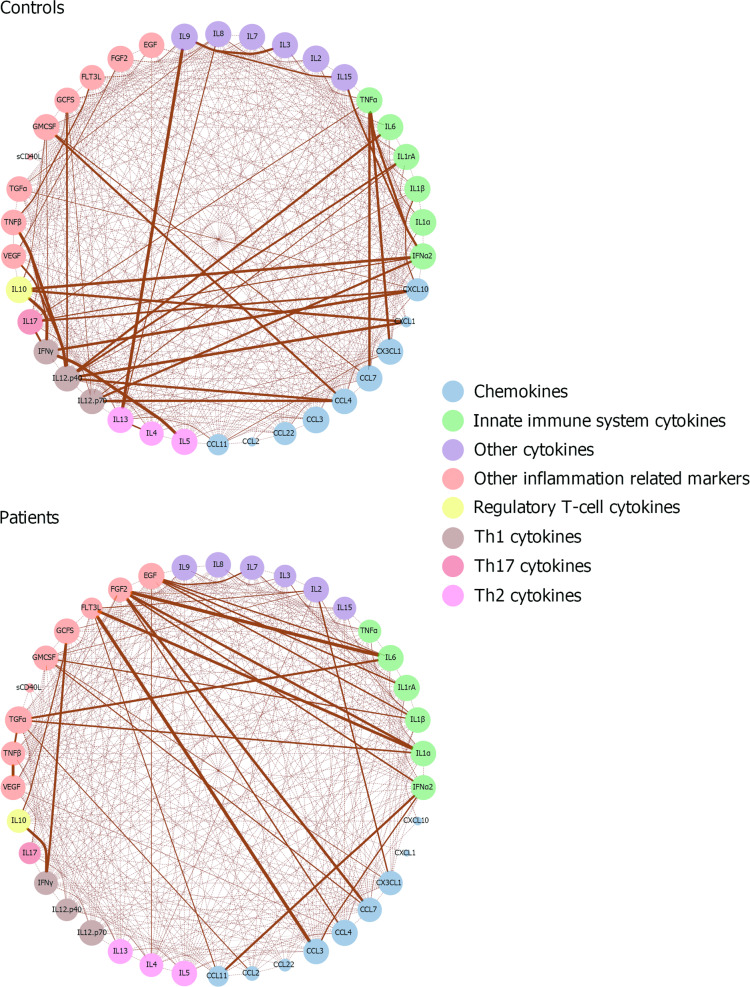
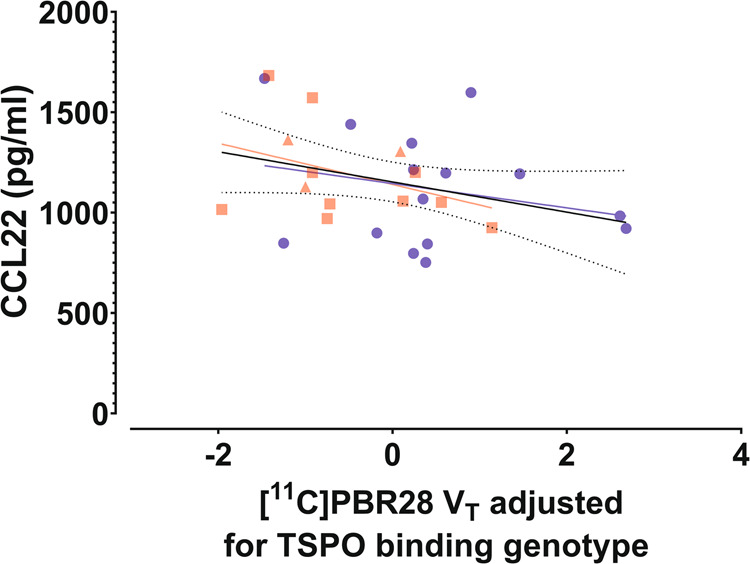
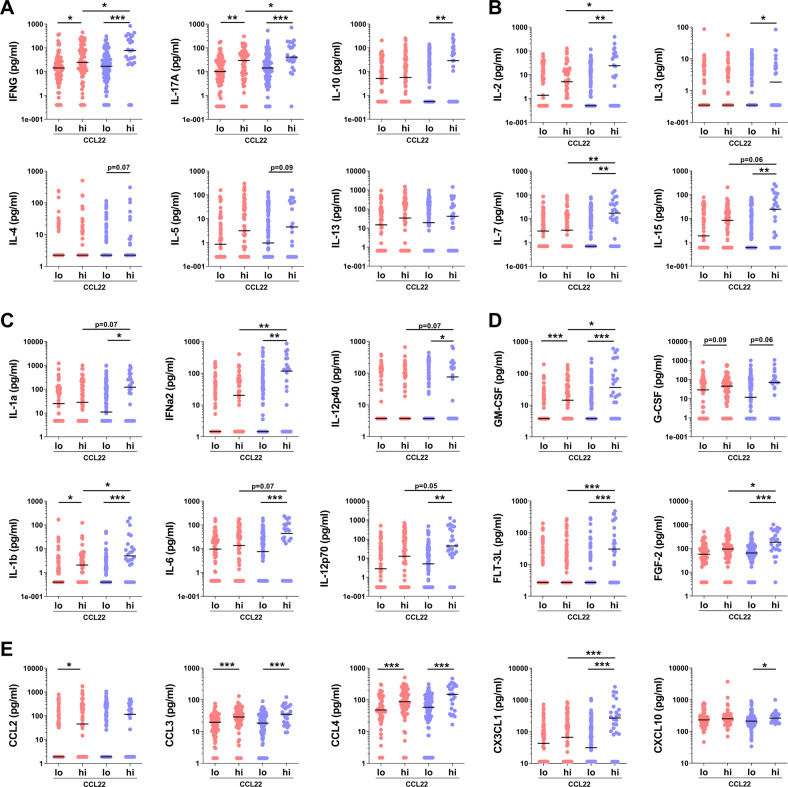
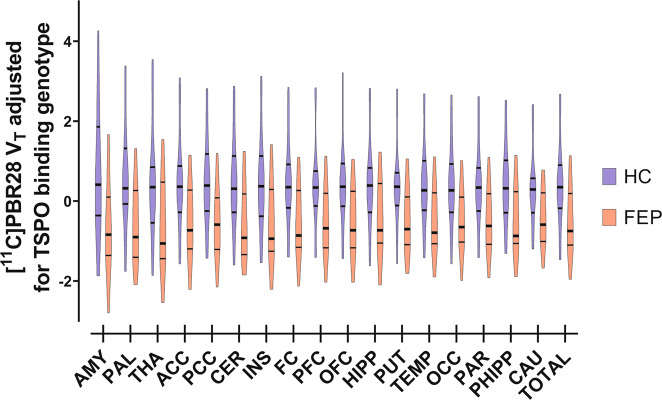
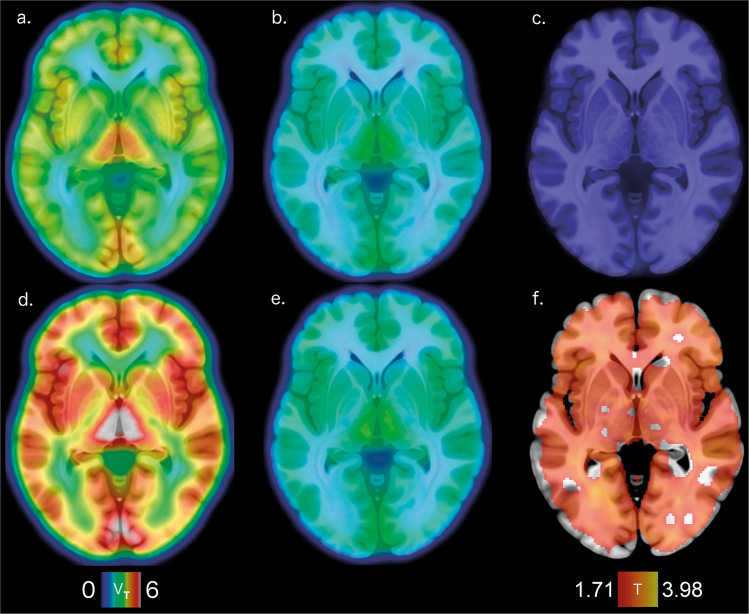
Several lines of research support immune system dysregulation in psychotic disorders. However, it remains unclear whether the immunological marker alterations are stable and how they associate with brain glial cell function. This longitudinal study aimed at investigating whether peripheral immune functions are altered in the early phases of psychotic disorders, whether the changes are associated with core symptoms, remission, brain glial cell function, and whether they persist in a one-year follow-up. Two independent cohorts comprising in total of 129 first-episode psychosis (FEP) patients and 130 controls were assessed at baseline and at the one-year follow-up. Serum cyto-/chemokines were measured using a 38-plex Luminex assay. The FEP patients showed a marked increase in chemokine CCL22 levels both at baseline (p < 0.0001; Cohen's d = 0.70) and at the 12-month follow-up (p = 0.0007) compared to controls. The group difference remained significant (p = 0.0019) after accounting for relevant covariates including BMI, smoking, and antipsychotic medication. Elevated serum CCL22 levels were significantly associated with hallucinations (ρ = 0.20) and disorganization (ρ = 0.23), and with worse verbal performance (ρ = -0.23). Brain glial cell activity was indexed with positron emission tomography and the translocator protein radiotracer [C]PBR28 in subgroups of 15 healthy controls and 14 FEP patients with serum CCL22/CCL17 measurements. The distribution volume (V) of [C]PBR28 was lower in patients compared to controls (p = 0.026; Cohen's d = 0.94) without regionally specific effects, and was inversely associated with serum CCL22 and CCL17 levels (p = 0.036). Our results do not support the over-active microglia hypothesis of psychosis, but indicate altered CCR4 immune signaling in early psychosis with behavioral correlates possibly mediated through cross-talk between chemokine networks and dysfunctional or a decreased number of glial cells.
几项研究支持精神障碍患者的免疫系统失调。然而,目前尚不清楚免疫标志物的改变是否稳定,以及它们与大脑神经胶质细胞功能的关系如何。这项纵向研究旨在调查精神障碍早期阶段外周免疫功能是否发生改变,这些变化是否与核心症状、缓解、大脑神经胶质细胞功能有关,以及它们是否在一年的随访中持续存在。两个独立的队列共纳入 129 名首发精神分裂症 (FEP) 患者和 130 名对照者,在基线和一年的随访时进行评估。使用 38 plex Luminex 测定法测量血清细胞因子/趋化因子。与对照组相比,FEP 患者的趋化因子 CCL22 水平在基线时(p<0.0001;Cohen's d=0.70)和 12 个月随访时(p=0.0007)均显著升高。在考虑到包括 BMI、吸烟和抗精神病药物在内的相关协变量后,组间差异仍具有统计学意义(p=0.0019)。血清 CCL22 水平升高与幻觉(ρ=0.20)和紊乱(ρ=0.23)显著相关,与言语表现下降(ρ=-0.23)显著相关。用正电子发射断层扫描和转位蛋白放射性示踪剂 [C]PBR28 在 15 名健康对照者和 14 名有血清 CCL22/CCL17 测量值的 FEP 患者亚组中评估神经胶质细胞活性。与对照组相比,患者的 [C]PBR28 分布容积(V)较低(p=0.026;Cohen's d=0.94),无区域性差异,与血清 CCL22 和 CCL17 水平呈负相关(p=0.036)。我们的结果不支持精神分裂症过度活跃的小胶质细胞假说,而是表明早期精神病患者的 CCR4 免疫信号发生改变,其行为相关性可能通过趋化因子网络与功能障碍或数量减少的神经胶质细胞之间的相互作用介导。