Department of Radiation Oncology, The Second Clinical Medical College of Jinan University, Shenzhen Municipal People's Hospital, Shenzhen 518020, People's Republic of China.
Department of Oncology, The First Affiliated Hospital of Jinan University, Guangzhou 510632, People's Republic of China.
Int J Nanomedicine. 2020 Mar 5;15:1469-1480. doi: 10.2147/IJN.S237335. eCollection 2020.
In spite of its enhanced efficacy and reduced side effects in clinical hepatocellular carcinoma (HCC) therapy, the therapeutic efficacy of antitumor angiogenesis inhibitor sorafenib (SFB) is still restricted due to short in vivo half-life and drug resistance. Here, a novel SFB-loaded dendritic polymeric nanoparticle (NP-TPGS-SFB) was developed for enhanced therapy of HCC.
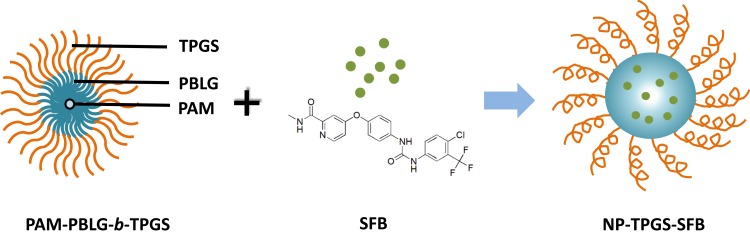
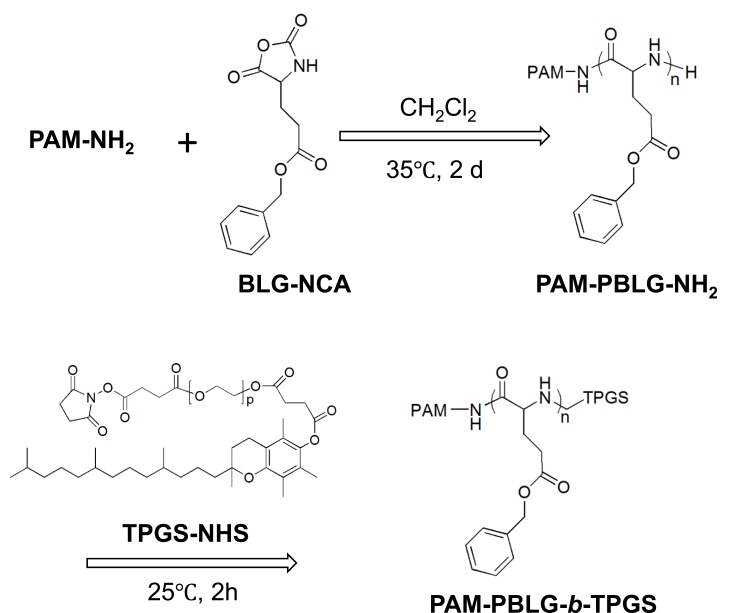
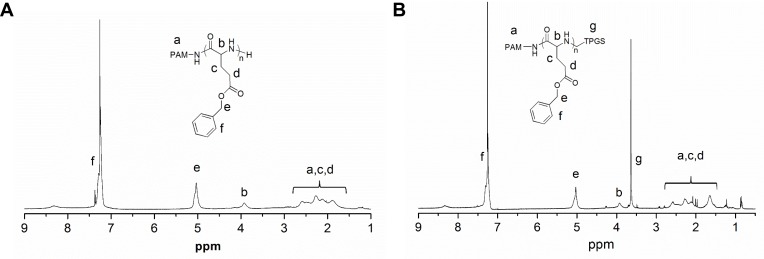
NP-TPGS-SFB was fabricated by encapsulating SFB with biodegradable dendritic polymers poly(amidoamine)-poly(γ-benzyl-L-Glutamate)-b-D-α-tocopheryl polyethylene glycol 1000 succinate (PAM-PBLG--TPGS).
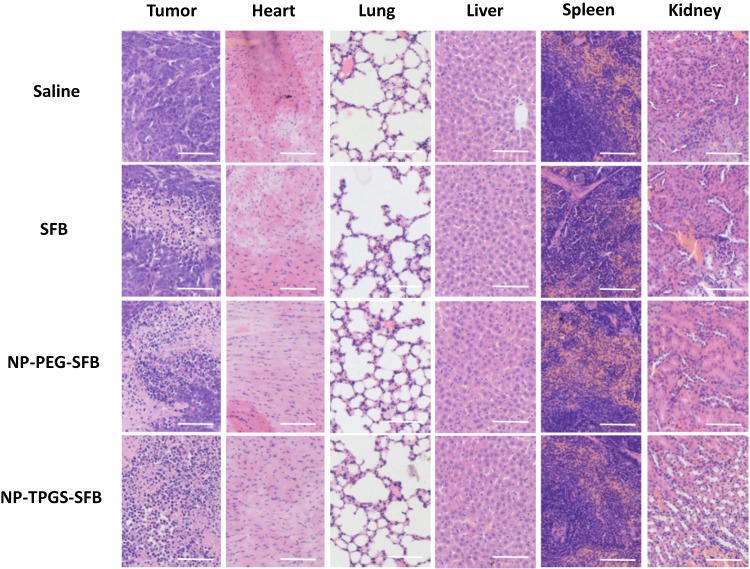
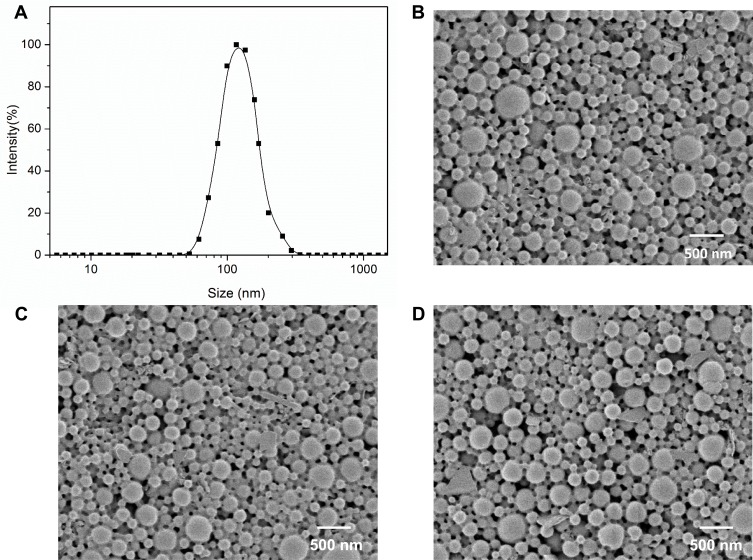
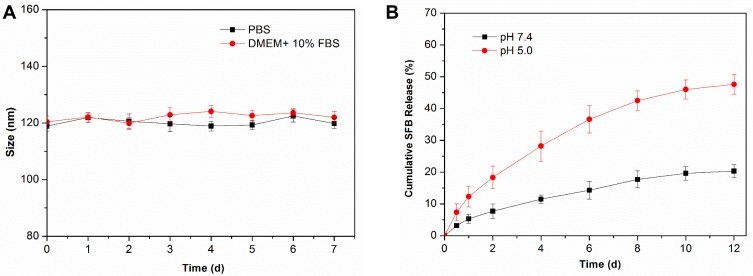
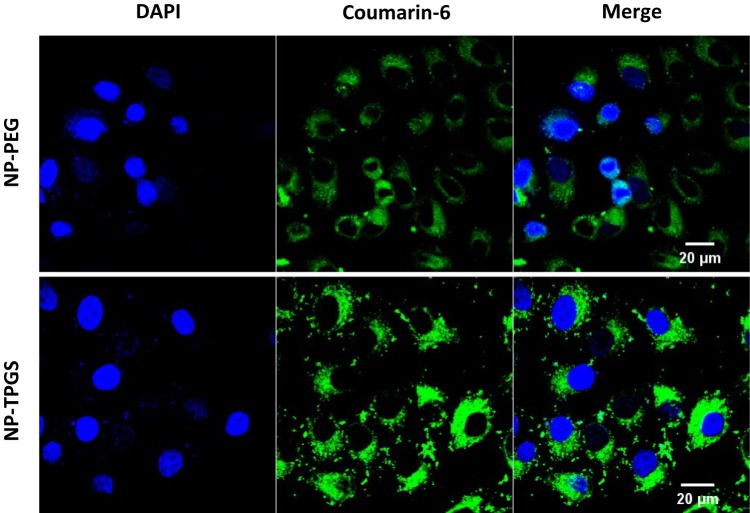
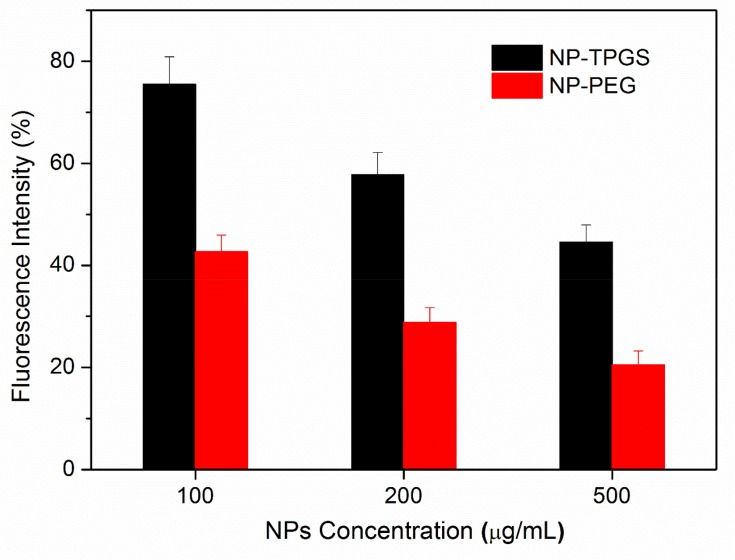
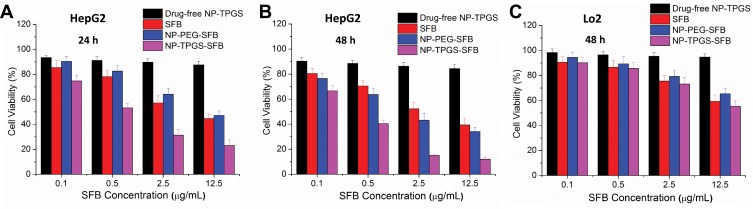
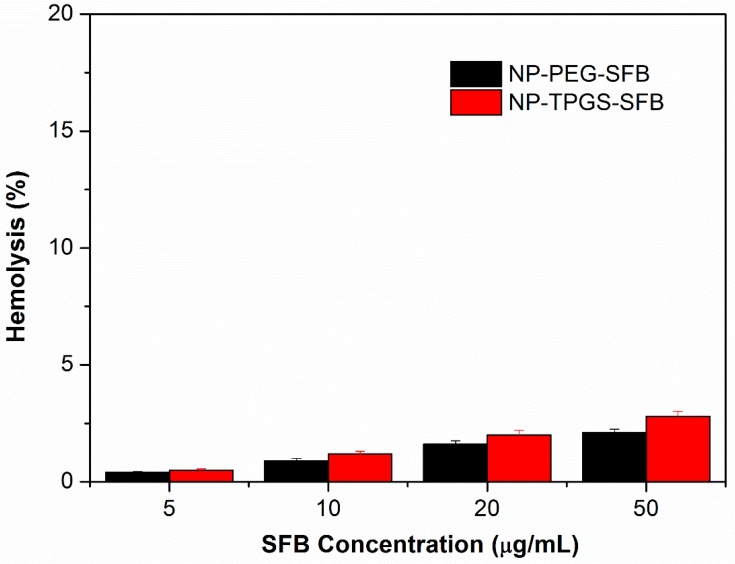
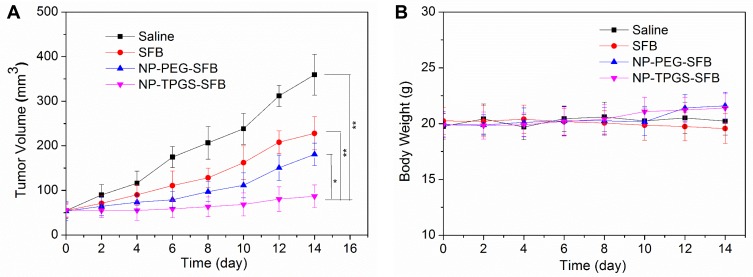
NP-TPGS-SFB exhibited excellent stability and achieved acid-responsive release of SFB. It also exhibited much higher cellular uptake efficiency in HepG2 human liver cells than PEG-conjugated NP (NP-PEG-SFB). Furthermore, MTT assay confirmed that NP-TPGS-SFB induced higher cytotoxicity than NP-PEG-SFB and free SFB, respectively. Lastly, NP-TPGS-SFB significantly inhibited tumor growth in mice bearing HepG2 xenografts, with negligible side effects.
Our result suggests that NP-TPGS-SFB may be a novel approach for enhanced therapy of HCC with promising potential.
尽管抗肿瘤血管生成抑制剂索拉非尼(SFB)在临床肝细胞癌(HCC)治疗中具有增强的疗效和降低的副作用,但由于体内半衰期短和耐药性,其治疗效果仍然受到限制。在这里,开发了一种新型的 SFB 负载树枝状聚合物纳米粒子(NP-TPGS-SFB),用于增强 HCC 的治疗。
通过用可生物降解的树枝状聚合物聚(酰胺-胺)-聚(γ-苄基-L-谷氨酸)-b-D-α-生育酚聚乙二醇 1000 琥珀酸酯(PAM-PBLG-b-TPGS)包裹 SFB 来制备 NP-TPGS-SFB。
NP-TPGS-SFB 表现出优异的稳定性,并实现了 SFB 的酸响应释放。它在 HepG2 人肝癌细胞中的细胞摄取效率也明显高于聚乙二醇化 NP(NP-PEG-SFB)。此外,MTT 测定证实,NP-TPGS-SFB 诱导的细胞毒性分别高于 NP-PEG-SFB 和游离 SFB。最后,NP-TPGS-SFB 显著抑制了携带 HepG2 异种移植物的小鼠的肿瘤生长,且副作用可忽略不计。
我们的结果表明,NP-TPGS-SFB 可能是增强 HCC 治疗的一种新方法,具有很大的应用潜力。