Martí Coma-Cros Elisabet, Biosca Arnau, Marques Joana, Carol Laura, Urbán Patricia, Berenguer Diana, Riera Maria Cristina, Delves Michael, Sinden Robert E, Valle-Delgado Juan José, Spanos Lefteris, Siden-Kiamos Inga, Pérez Paula, Paaijmans Krijn, Rottmann Matthias, Manfredi Amedea, Ferruti Paolo, Ranucci Elisabetta, Fernàndez-Busquets Xavier
Barcelona Institute for Global Health (ISGlobal, Hospital Clínic-Universitat de Barcelona), Rosselló 149-153, ES-08036 Barcelona, Spain.
Nanomalaria Group, Institute for Bioengineering of Catalonia (IBEC), The Barcelona Institute of Science and Technology, Baldiri Reixac 10-12, ES-08028 Barcelona, Spain.
Pharmaceutics. 2018 Nov 10;10(4):225. doi: 10.3390/pharmaceutics10040225.
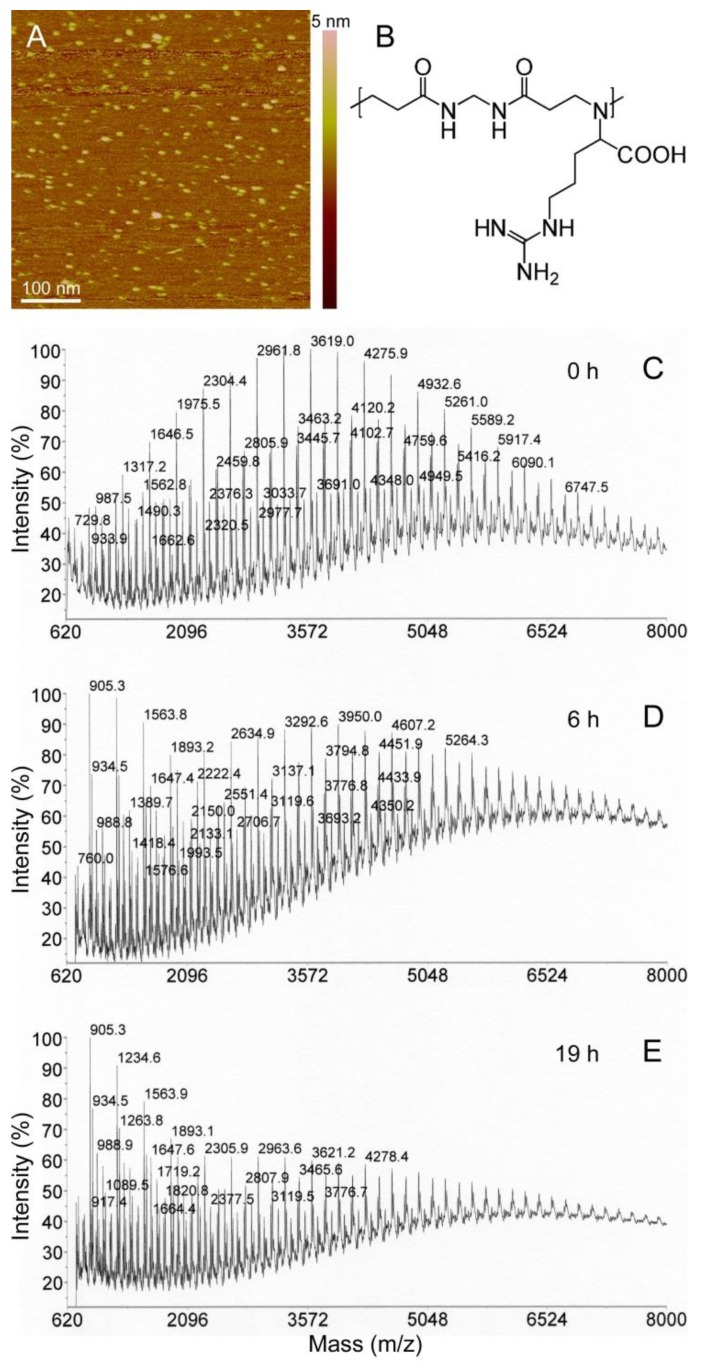
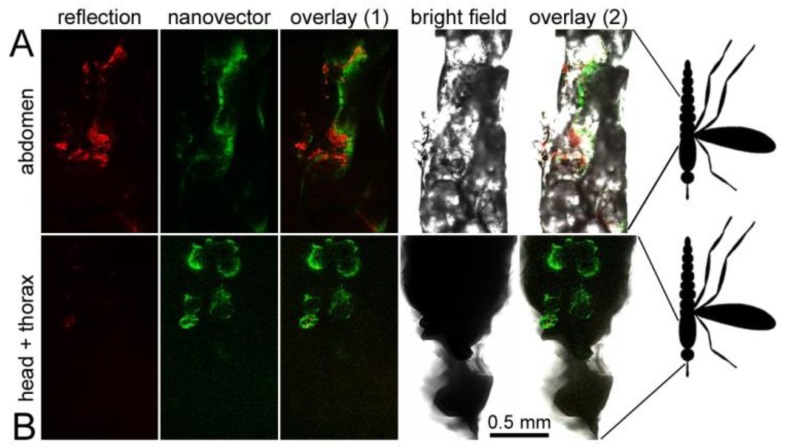
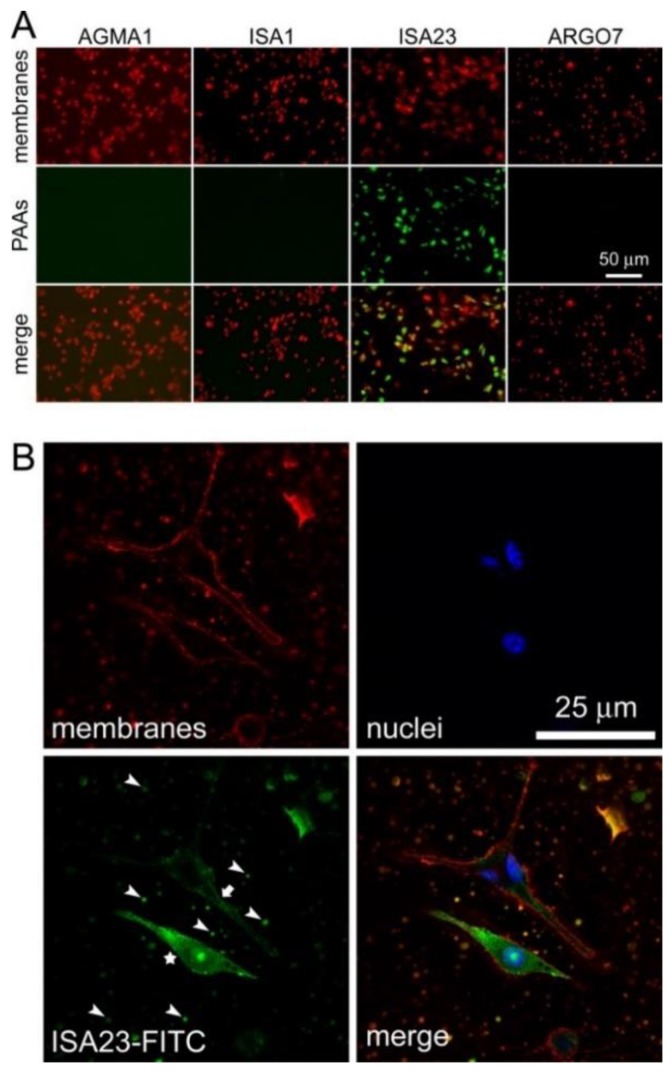
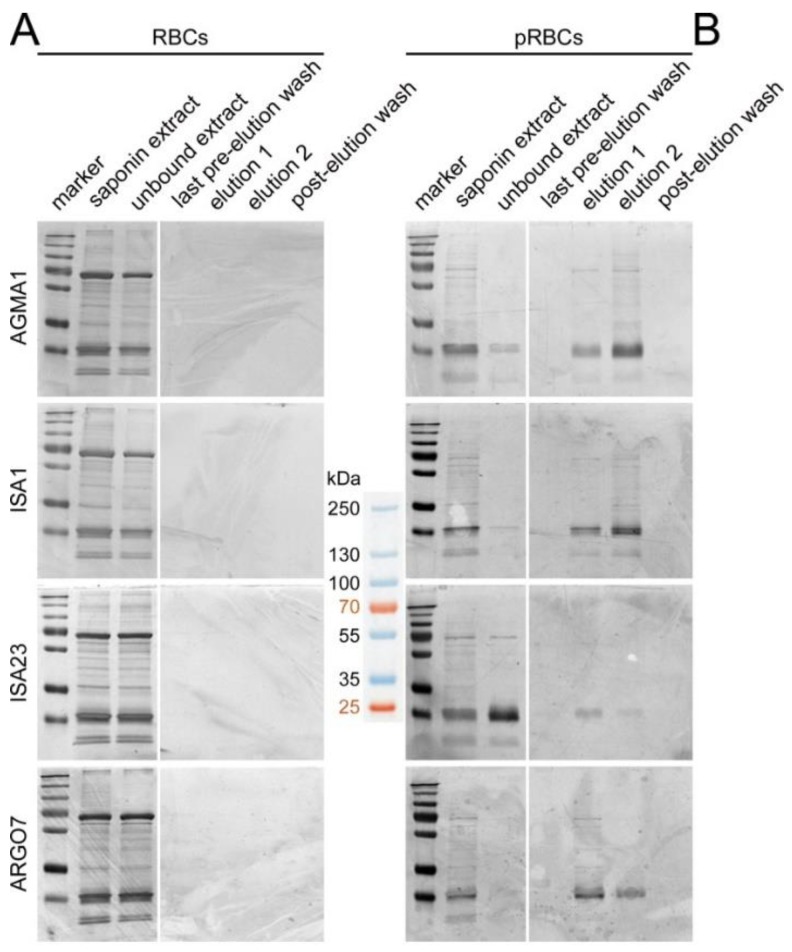
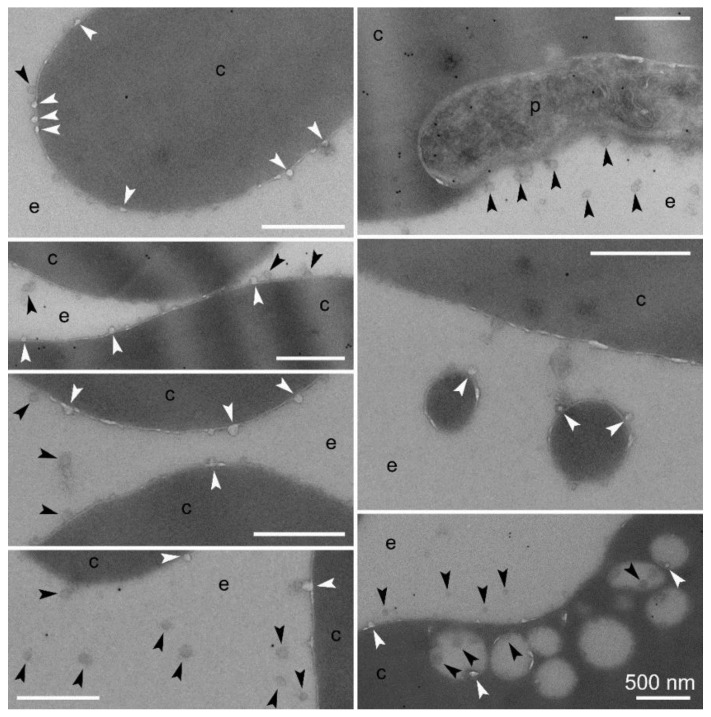
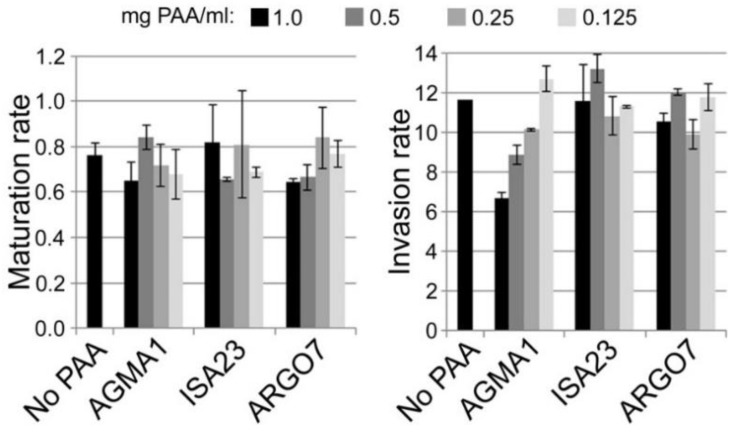
Current strategies for the mass administration of antimalarial drugs demand oral formulations to target the asexual stages in the peripheral bloodstream, whereas recommendations for future interventions stress the importance of also targeting the transmission stages of the parasite as it passes between humans and mosquitoes. Orally administered polyamidoamine (PAA) nanoparticles conjugated to chloroquine reached the blood circulation and cured -infected mice, slightly improving the activity of the free drug and inducing in the animals immunity against malaria. Liquid chromatography with tandem mass spectrometry analysis of affinity chromatography-purified PAA ligands suggested a high adhesiveness of PAAs to proteins, which might be the mechanism responsible for the preferential binding of PAAs to -infected erythrocytes vs. non-infected red blood cells. The weak antimalarial activity of some PAAs was found to operate through inhibition of parasite invasion, whereas the observed polymer intake by macrophages indicated a potential of PAAs for the treatment of certain coinfections such as and . When fluorescein-labeled PAAs were fed to females of the malaria mosquito vectors and , persistent fluorescence was observed in the midgut and in other insect's tissues. These results present PAAs as a versatile platform for the encapsulation of orally administered antimalarial drugs and for direct administration of antimalarials to mosquitoes, targeting mosquito stages of .
当前大规模施用抗疟药物的策略要求采用口服制剂来靶向外周血中的无性阶段,而未来干预措施的建议则强调,在疟原虫在人和蚊子之间传播时,靶向其传播阶段也很重要。与氯喹偶联的口服聚酰胺胺(PAA)纳米颗粒进入血液循环并治愈了感染的小鼠,略微提高了游离药物的活性,并在动物体内诱导了对疟疾的免疫力。对亲和色谱纯化的PAA配体进行液相色谱-串联质谱分析表明,PAA与蛋白质具有高粘附性,这可能是PAA优先结合感染红细胞而非未感染红细胞的机制。发现一些PAA的抗疟活性较弱是通过抑制寄生虫入侵来实现的,而观察到巨噬细胞摄取聚合物表明PAA有治疗某些合并感染(如……和……)的潜力。当将荧光素标记的PAA喂给疟疾蚊子媒介……和……的雌性时,在中肠和其他昆虫组织中观察到持续的荧光。这些结果表明,PAA是一种通用平台,可用于封装口服抗疟药物以及直接向蚊子施用抗疟药物,靶向疟原虫在蚊子体内的阶段。