.
,.
Invest Ophthalmol Vis Sci. 2020 Mar 9;61(3):29. doi: 10.1167/iovs.61.3.29.
In contact with the external environment, the cornea can easily be injured. Although corneal wounds generally heal rapidly, the pain and increased risk of infection associated with a damaged cornea, as well as the impaired healing observed in some individuals, emphasize the need for novel treatments to accelerate corneal healing. We previously demonstrated in epidermal keratinocytes that the glycerol channel aquaporin-3 (AQP3) interacts with phospholipase D2 (PLD2) to produce the signaling phospholipid phosphatidylglycerol (PG), which has been shown to accelerate skin wound healing in vivo. We hypothesized that the same signaling pathway might be operational in corneal epithelial cells.
We used co-immunoprecipitation, immunohistochemistry, scratch wound healing assays in vitro, and corneal epithelial wound healing assays in vivo to determine the role of the AQP3/PLD2/PG signaling pathway in corneal epithelium.
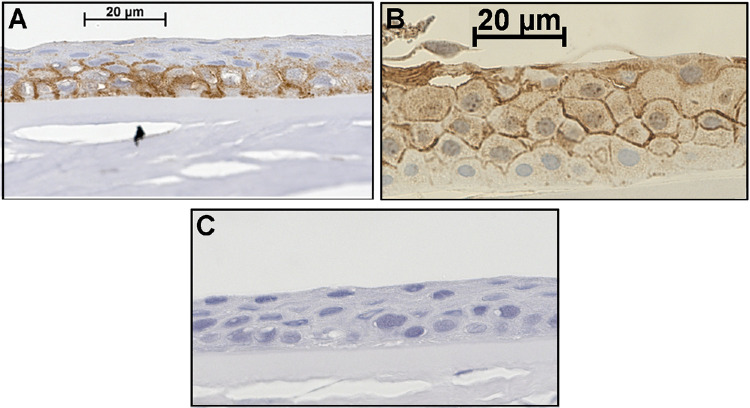
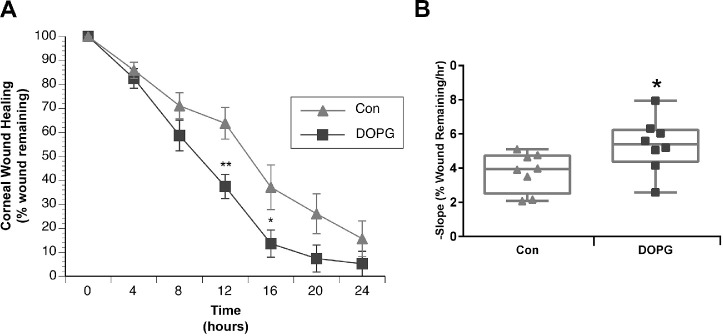
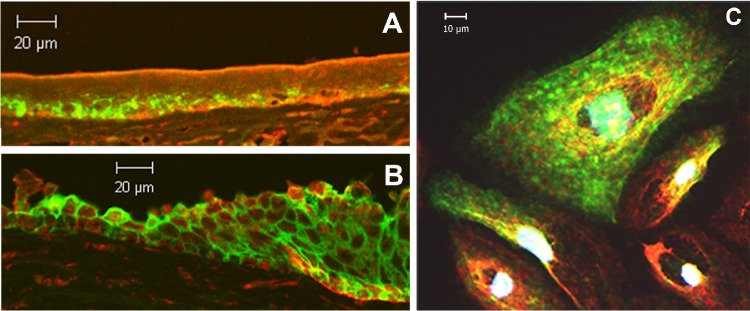
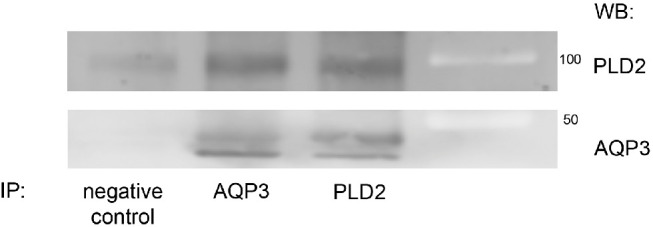
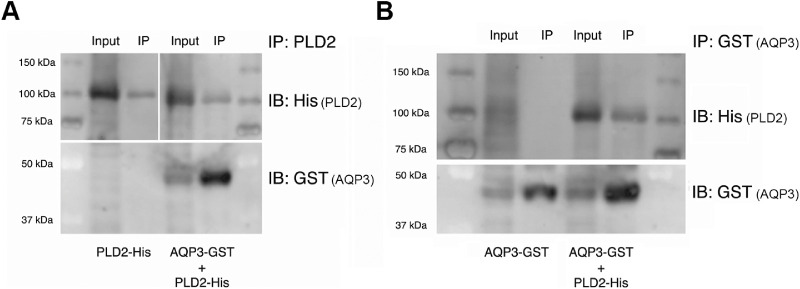
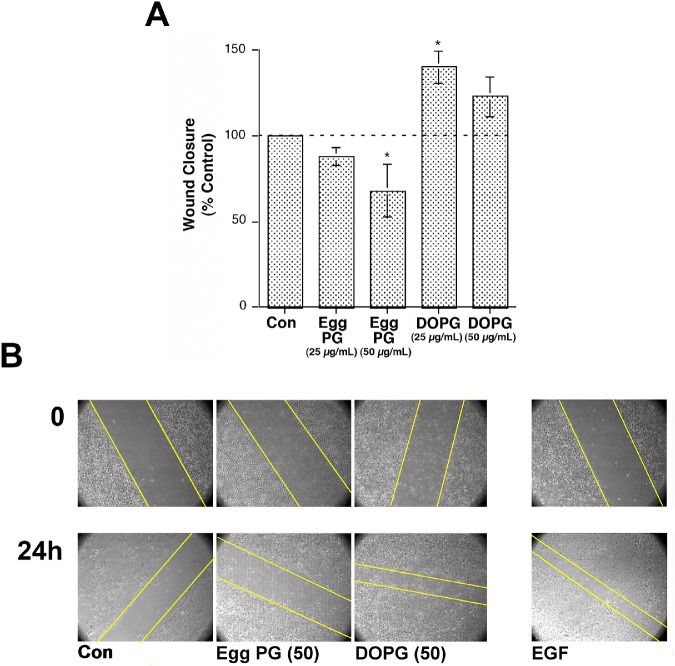
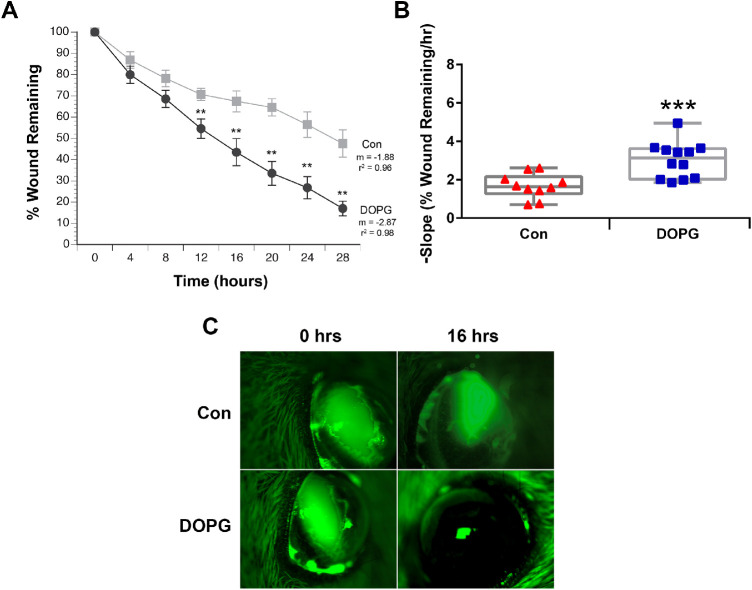
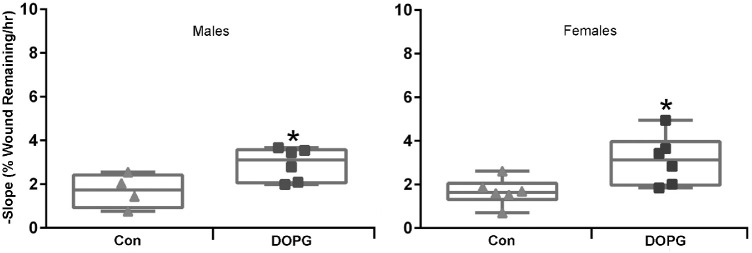
AQP3 was present in human corneas in situ, and AQP3 and PLD2 were co-immunoprecipitated from corneal epithelial cell lysates. The two proteins could also be co-immunoprecipitated from insect cells simultaneously infected with AQP3- and PLD2-expressing baculoviruses, suggesting a likely direct interaction. A particular PG, dioleoylphosphatidylglycerol (DOPG), enhanced scratch wound healing of a corneal epithelial monolayer in vitro. DOPG also accelerated corneal epithelial wound healing in vivo, both in wild-type mice and in a mouse model exhibiting impaired corneal wound healing (AQP3 knockout mice).
These results indicate the importance of the AQP3/PLD2/PG signaling pathway in corneal epithelial cells and suggest the possibility of developing DOPG as a pharmacologic therapy to enhance corneal wound healing in patients.
角膜与外界环境接触,容易受到损伤。虽然角膜伤口通常能迅速愈合,但受损角膜引起的疼痛和感染风险增加,以及一些个体观察到的愈合受损,强调了需要新的治疗方法来加速角膜愈合。我们之前在表皮角质形成细胞中证明,甘油通道水通道蛋白 3(AQP3)与磷脂酶 D2(PLD2)相互作用产生信号磷脂酰甘油(PG),已证明其可加速体内皮肤伤口愈合。我们假设相同的信号通路可能在角膜上皮细胞中起作用。
我们使用共免疫沉淀、免疫组织化学、体外划痕愈合试验和体内角膜上皮愈合试验来确定 AQP3/PLD2/PG 信号通路在角膜上皮中的作用。
AQP3 存在于原位人角膜中,并且 AQP3 和 PLD2 从角膜上皮细胞裂解物中被共免疫沉淀。这两种蛋白质也可以从同时感染 AQP3 和 PLD2 表达杆状病毒的昆虫细胞中被共免疫沉淀,这表明它们之间可能存在直接相互作用。一种特定的 PG,二油酰基磷脂酰甘油(DOPG),增强了体外角膜上皮单层的划痕愈合。DOPG 还可加速体内角膜上皮愈合,无论是在野生型小鼠还是在角膜愈合受损的小鼠模型(AQP3 敲除小鼠)中。
这些结果表明 AQP3/PLD2/PG 信号通路在角膜上皮细胞中的重要性,并提示开发 DOPG 作为一种药理学治疗方法来增强患者的角膜伤口愈合的可能性。