Department of Dermatology, University of Pisa, Italy.
Farmaceutici Damor SPA, Napoli, Italy.
Mediators Inflamm. 2020 Feb 27;2020:2851949. doi: 10.1155/2020/2851949. eCollection 2020.
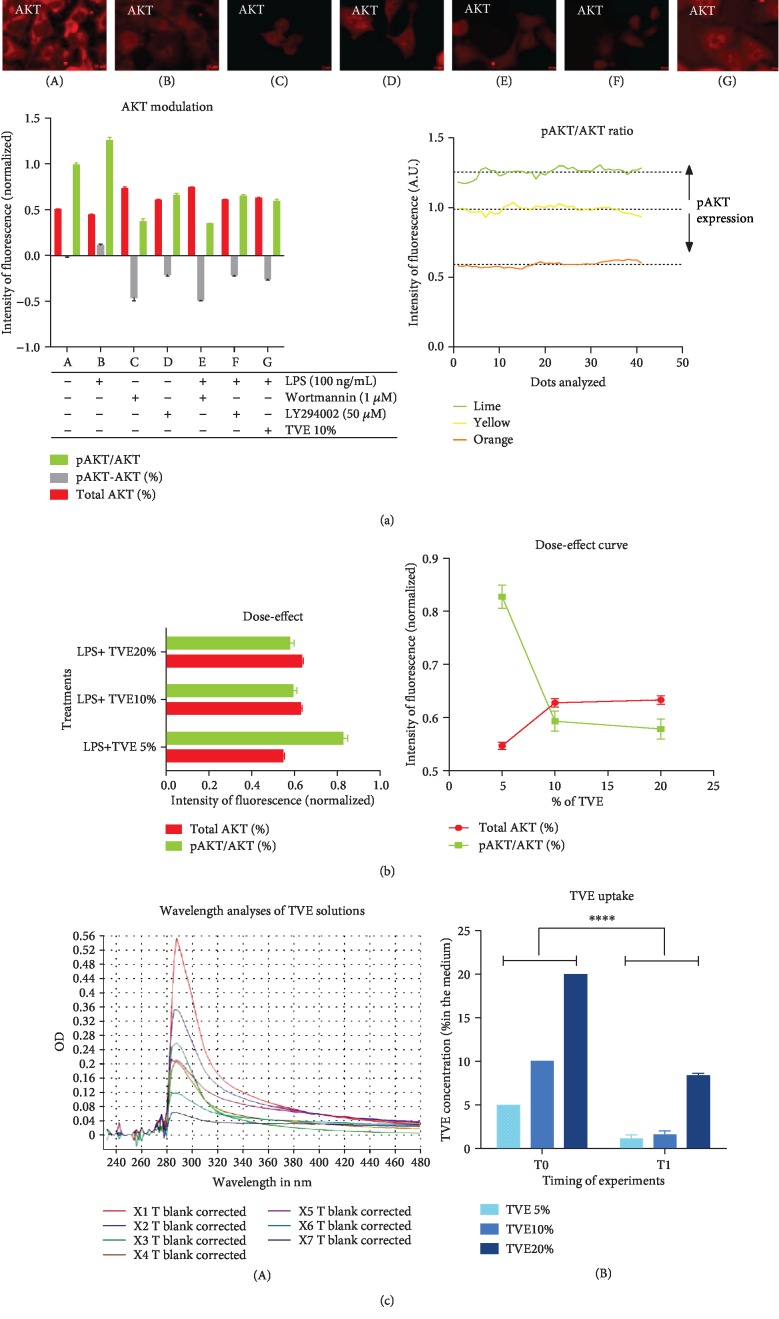
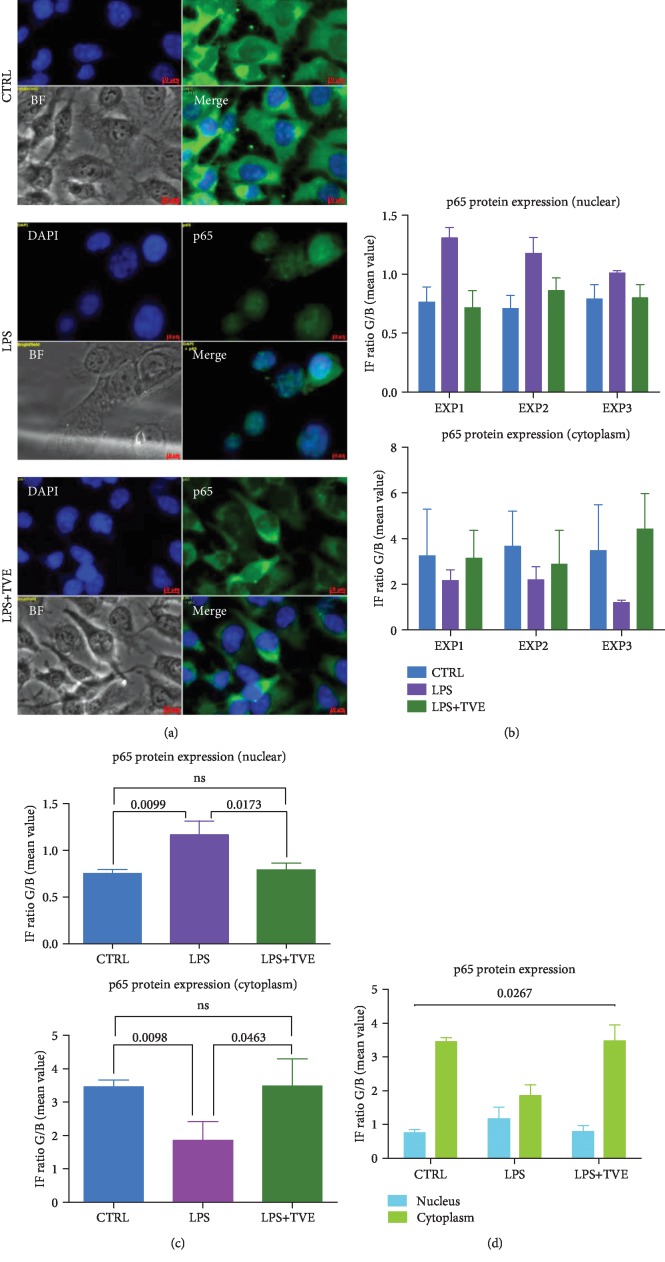
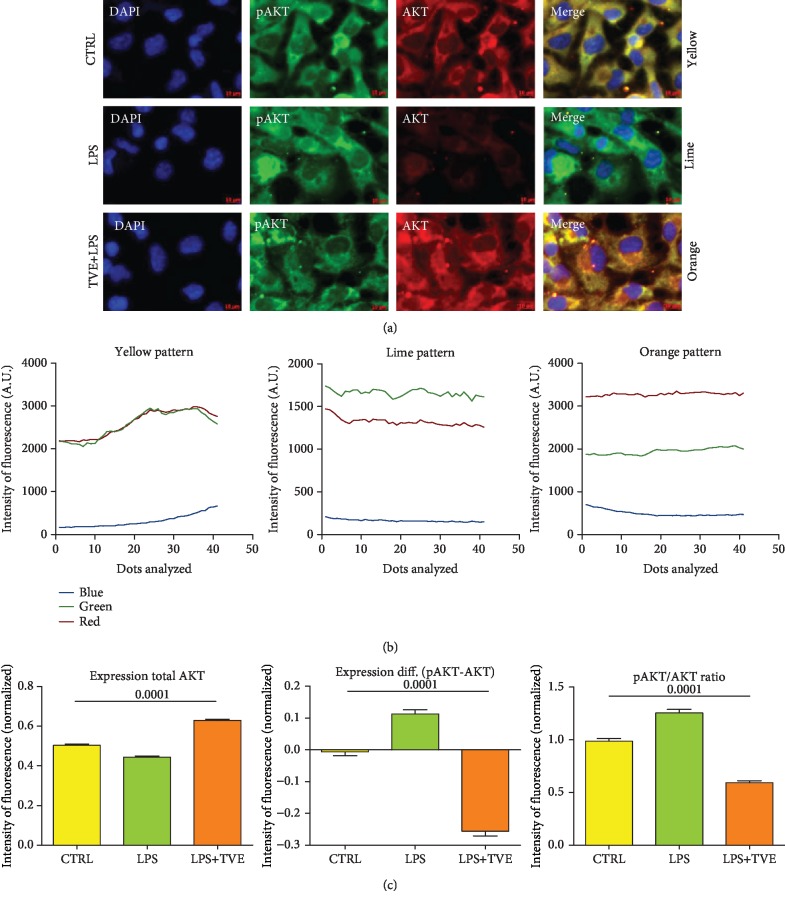
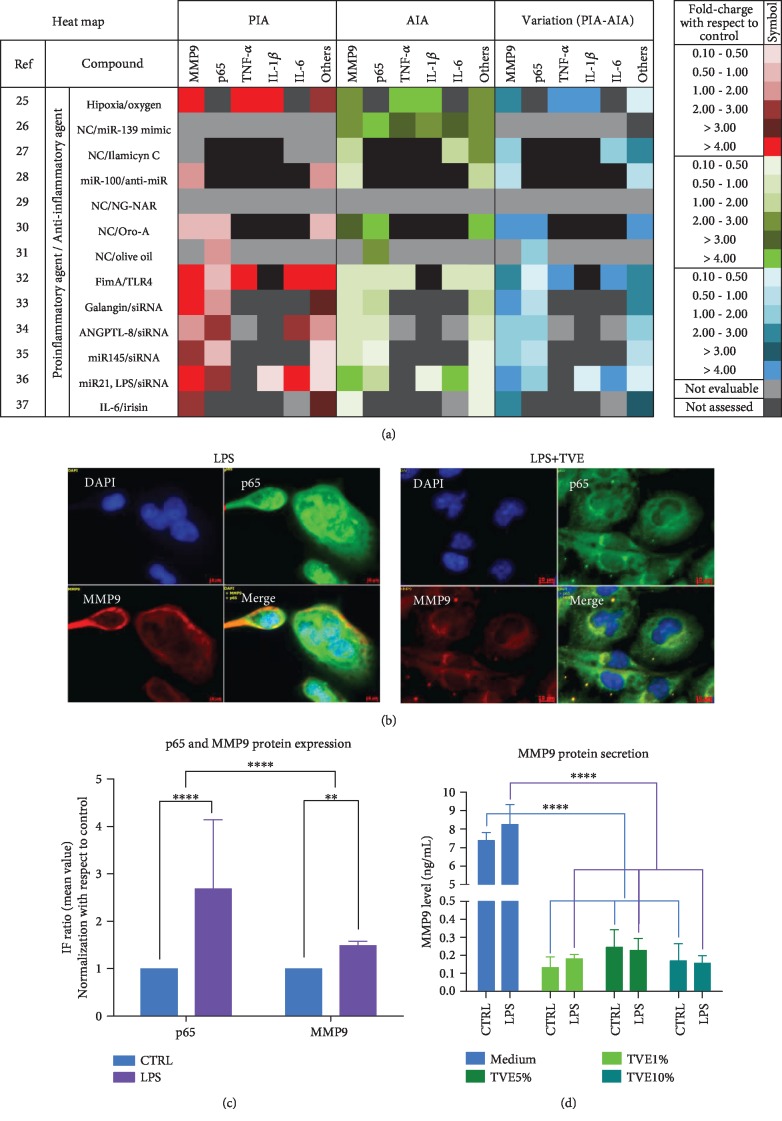
Matrix metalloproteinases (MMPs) are a large family of ubiquitously expressed zinc-dependent enzymes with proteolitic activities. They are expressed in physiological situations and pathological conditions involving inflammatory processes including epithelial to mesenchymal transition (EMT), neuronal injury, and cancer. There is also evidence that MMPs regulate inflammation in tumor microenvironment, which plays an important role in healing tissue processes. Looking at both inflammatory and neuronal damages, MMP9 is involved in both processes and their modulation seems to be regulated by two proteins: tumor necrosis factor-alpha (TNF-alpha) and interleukin 6 (IL-6). However other important genes are involved in molecular regulation of transcription factors, protein-kinase B (AKT), and p65. In addition, Triticum vulgare extract (TVE) modulated the biological markers associated with inflammatory processes, including p65 protein. While there are no evidence that TVE might be involved in the biological modulation of other inflammatory marker as AKT, we would like to assess whether TVE is able to (1) modulate phosphorylation of AKT (pAKT) as an early marker of inflammatory process in vitro and (2) affect MMP9 protein expression in an in vitro model. The BV-2 cells (microglial of mouse) have been used as an in vitro model to simulate both inflammatory and neuronal injury pathologies. Here, MMP9 seems to be involved in cellular migration through inflammatory marker activation. We simulate an inflammatory preclinical model treating BV-2 cells with lipopolysaccharide (LPS) to induce proinflammatory activation affecting pAKT and p65 proteins. TVE is revealed to restore the native expression of AKT and p65. Additionally, TVE extract modulates also the protein concentration of MMP9. Nevertheless, immunofluorescence confocal analyses revealed that both AKT and MMP9 are regulated together, synchronously. This work seems to demonstrate that two important genes can be used to monitor the beginning of an inflammatory process, AKT and MMP9, in which TVE seems able to modulate their expression of inflammation-associated molecules.
基质金属蛋白酶(MMPs)是一大类广泛表达的锌依赖性酶,具有蛋白水解活性。它们在生理和病理情况下表达,涉及炎症过程,包括上皮间质转化(EMT)、神经元损伤和癌症。有证据表明,MMPs 调节肿瘤微环境中的炎症,这在组织愈合过程中起着重要作用。考虑到炎症和神经元损伤,MMP9 参与这两个过程,其调节似乎受两种蛋白质调节:肿瘤坏死因子-α(TNF-α)和白细胞介素 6(IL-6)。然而,其他重要基因参与转录因子、蛋白激酶 B(AKT)和 p65 的分子调节。此外,普通小麦提取物(TVE)调节与炎症过程相关的生物标志物,包括 p65 蛋白。虽然没有证据表明 TVE 可能参与 AKT 等其他炎症标志物的生物学调节,但我们想评估 TVE 是否能够(1)在体外调节 AKT 的磷酸化(pAKT),作为炎症过程的早期标志物,以及(2)在体外模型中影响 MMP9 蛋白的表达。BV-2 细胞(小鼠的小胶质细胞)已被用作体外模型,模拟炎症和神经元损伤病理。在这里,MMP9 似乎通过激活炎症标志物参与细胞迁移。我们通过用脂多糖(LPS)处理 BV-2 细胞来模拟炎症前临床模型,以诱导促炎激活,影响 pAKT 和 p65 蛋白。TVE 被证明可以恢复 AKT 和 p65 的天然表达。此外,TVE 提取物还调节 MMP9 的蛋白浓度。然而,免疫荧光共聚焦分析显示,AKT 和 MMP9 均受到同步调节。这项工作似乎表明,AKT 和 MMP9 这两个重要基因可用于监测炎症过程的开始,而 TVE 似乎能够调节其与炎症相关的分子表达。