MacDonald Eilidh A, Rose Robert A, Quinn T Alexander
Department of Physiology and Biophysics, Dalhousie University, Halifax, NS, Canada.
Cumming School of Medicine, Libin Cardiovascular Institute of Alberta, University of Calgary, Calgary, AB, Canada.
Front Physiol. 2020 Mar 3;11:170. doi: 10.3389/fphys.2020.00170. eCollection 2020.
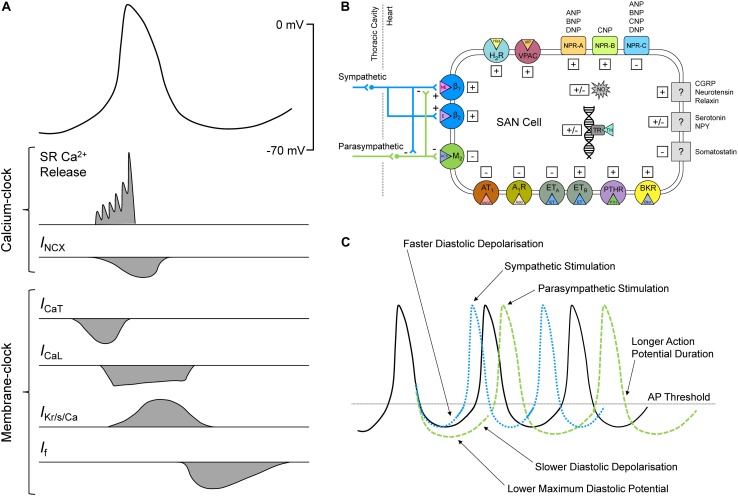
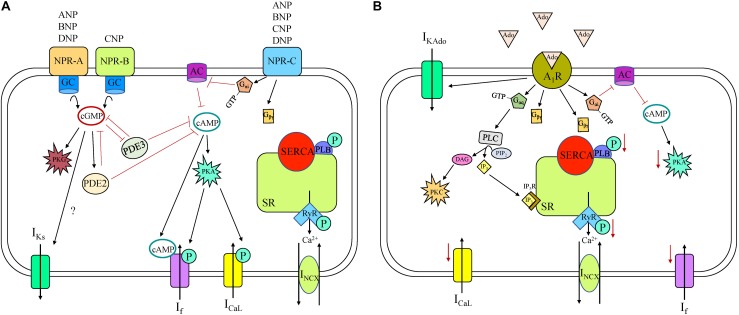
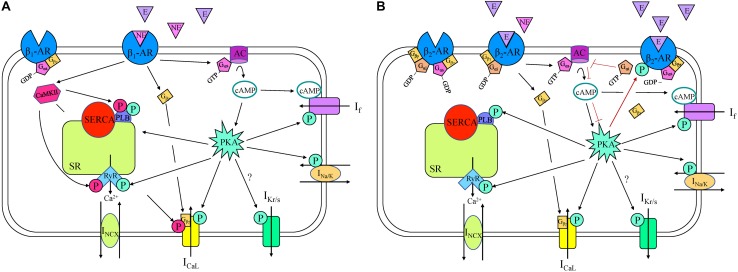
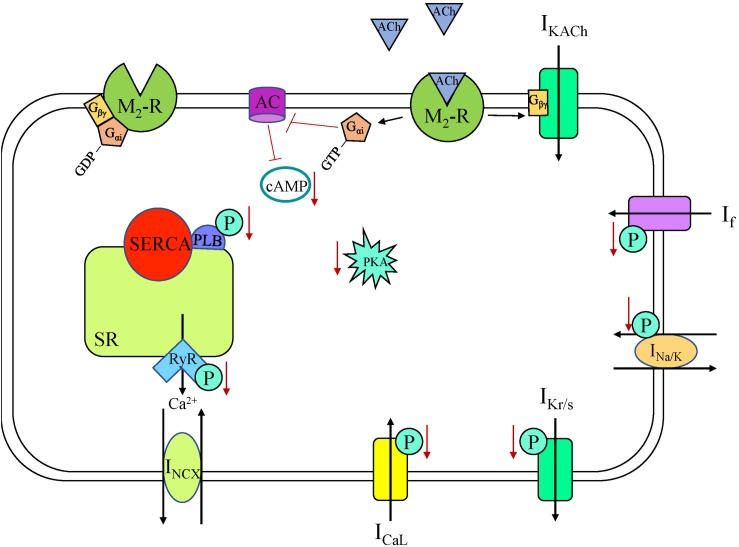
The sinoatrial node is perhaps one of the most important tissues in the entire body: it is the natural pacemaker of the heart, making it responsible for initiating each-and-every normal heartbeat. As such, its activity is heavily controlled, allowing heart rate to rapidly adapt to changes in physiological demand. Control of sinoatrial node activity, however, is complex, occurring through the autonomic nervous system and various circulating and locally released factors. In this review we discuss the coupled-clock pacemaker system and how its manipulation by neurohumoral signaling alters heart rate, considering the multitude of canonical and non-canonical agents that are known to modulate sinoatrial node activity. For each, we discuss the principal receptors involved and known intracellular signaling and protein targets, highlighting gaps in our knowledge and understanding from experimental models and human studies that represent areas for future research.
它是心脏的自然起搏器,负责启动每一次正常心跳。因此,其活动受到严格控制,使心率能够迅速适应生理需求的变化。然而,窦房结活动的控制很复杂,通过自主神经系统以及各种循环和局部释放的因子来实现。在本综述中,我们讨论耦合时钟起搏器系统,以及神经体液信号对其的操纵如何改变心率,同时考虑已知调节窦房结活动的众多经典和非经典因子。对于每一种因子,我们讨论所涉及的主要受体以及已知的细胞内信号传导和蛋白质靶点,突出我们在实验模型和人体研究中的知识和理解空白,这些空白代表了未来的研究领域。