Institute of Biomedical Research of Barcelona (IIBB). Spanish National Research Council (CSIC), Barcelona, Spain.
Lipids and Cardiovascular Pathology. Biomedical Research Institute Sant Pau (IIB Sant Pau), Hospital de la Santa Creu i Sant Pau. Barcelona. Spain.
Theranostics. 2020 Feb 10;10(7):3263-3280. doi: 10.7150/thno.37305. eCollection 2020.
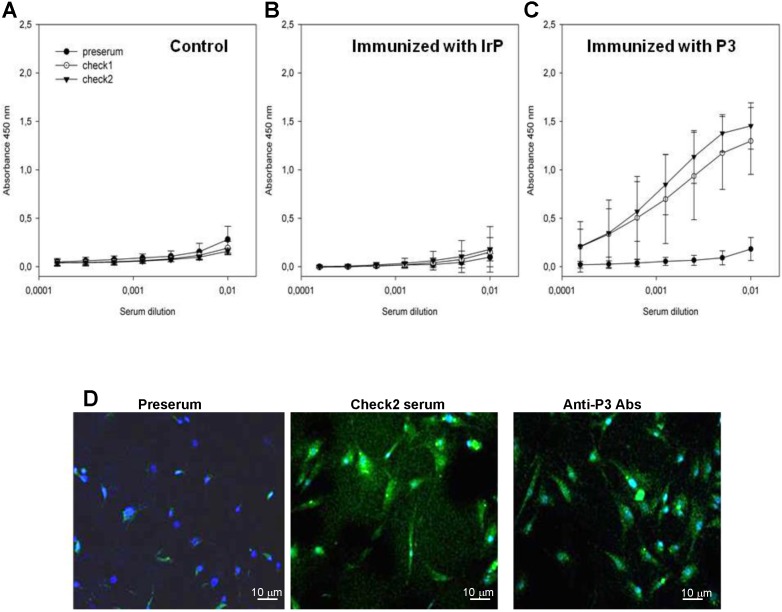
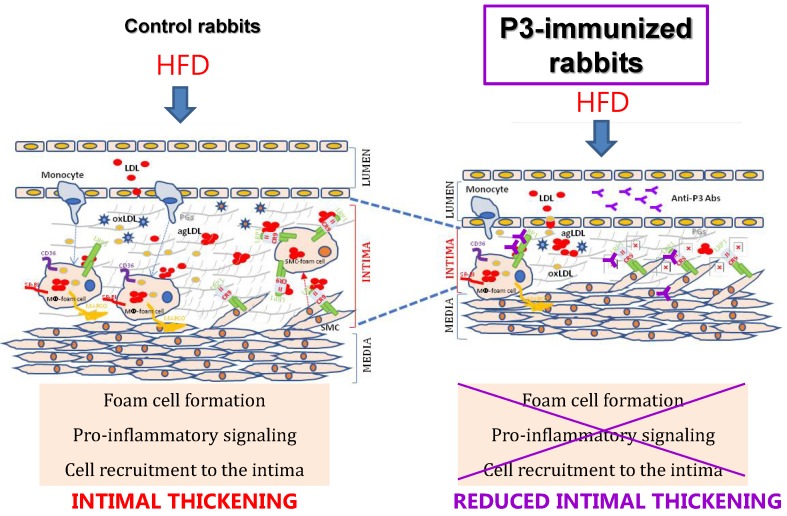
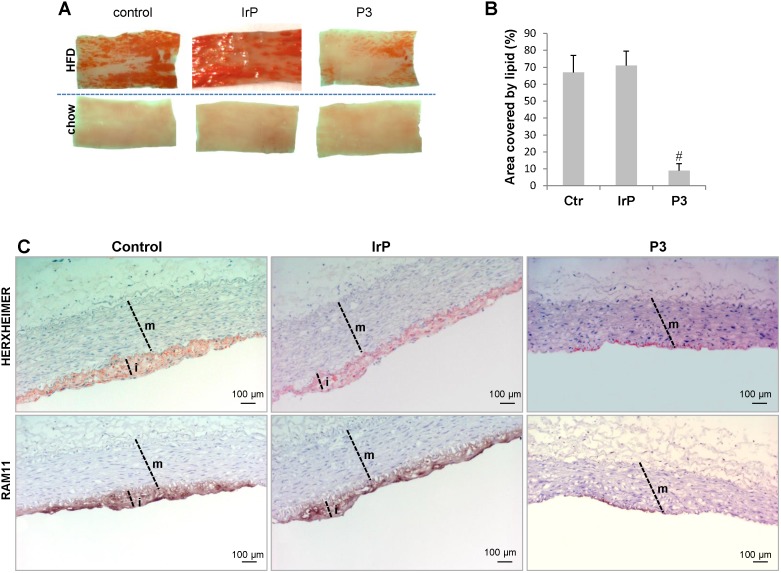
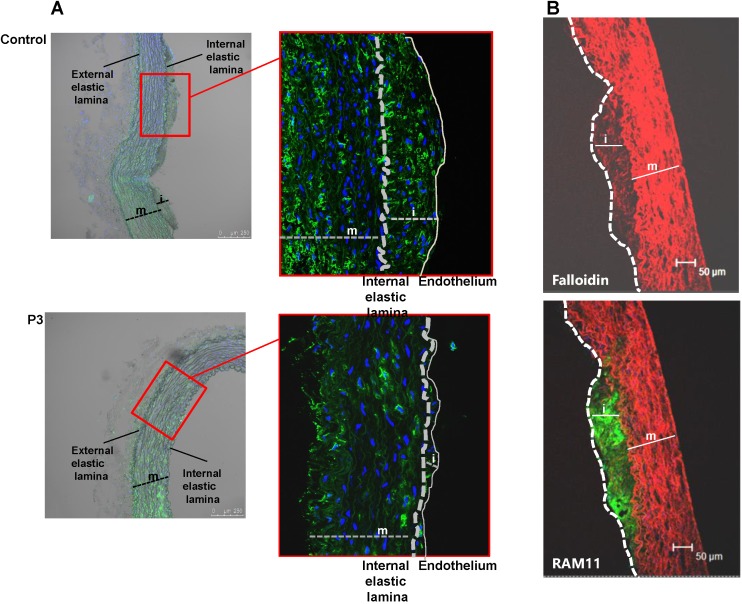
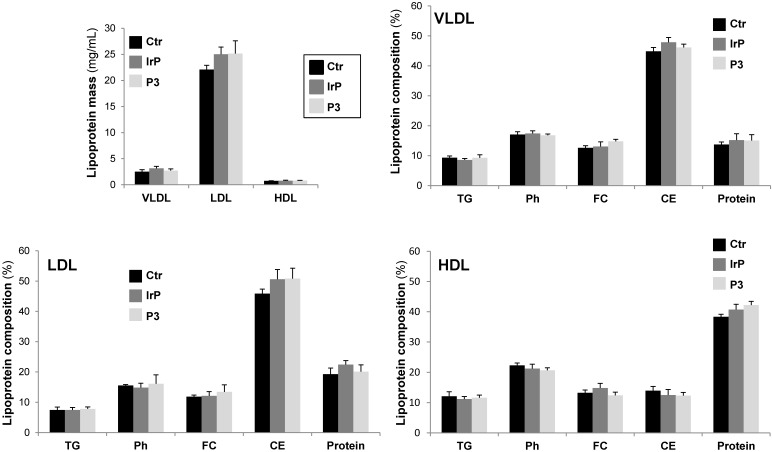
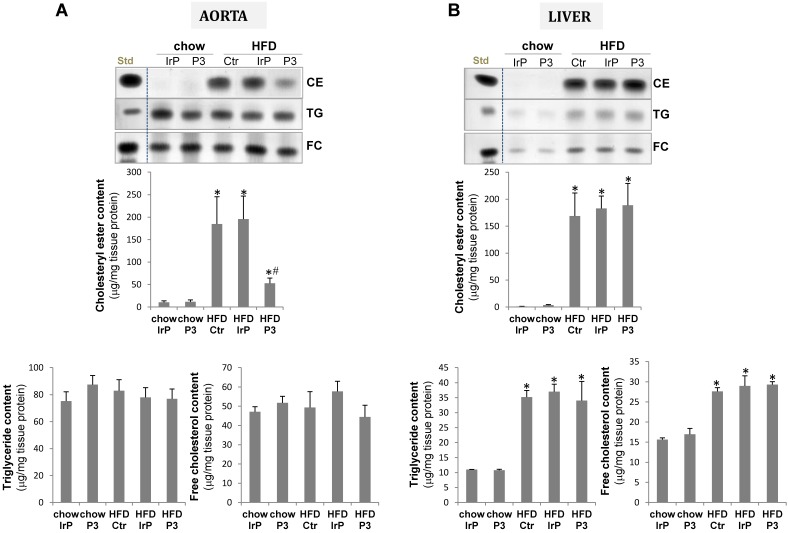
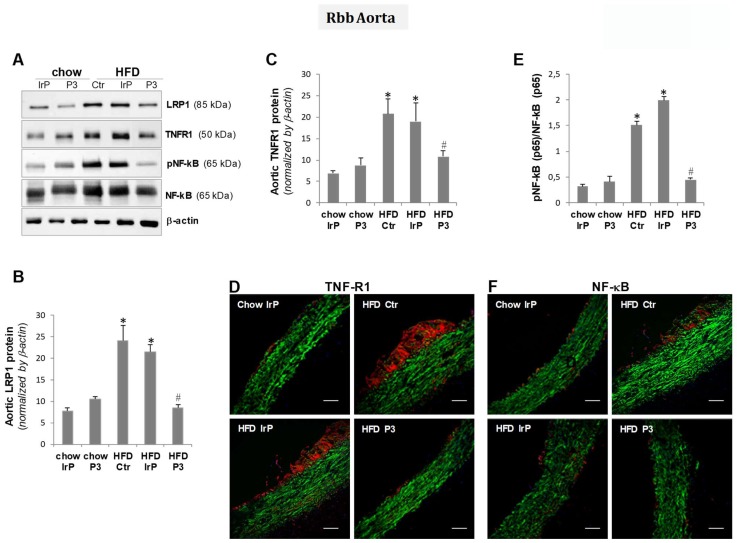
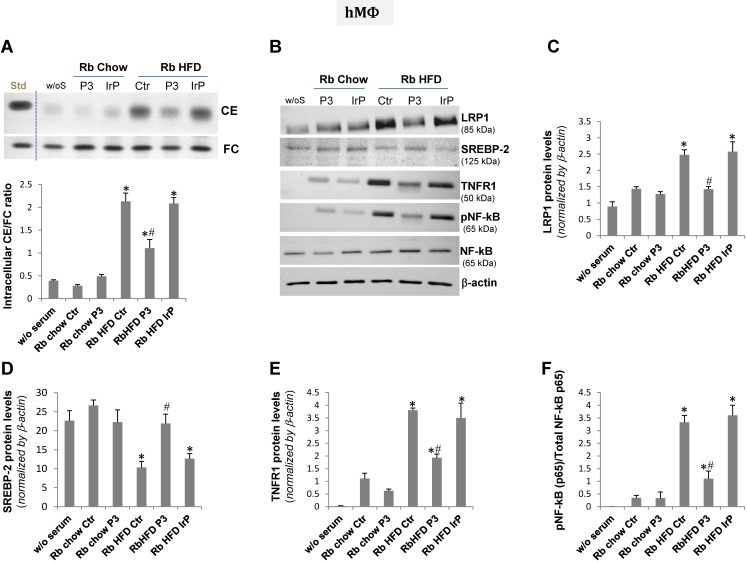
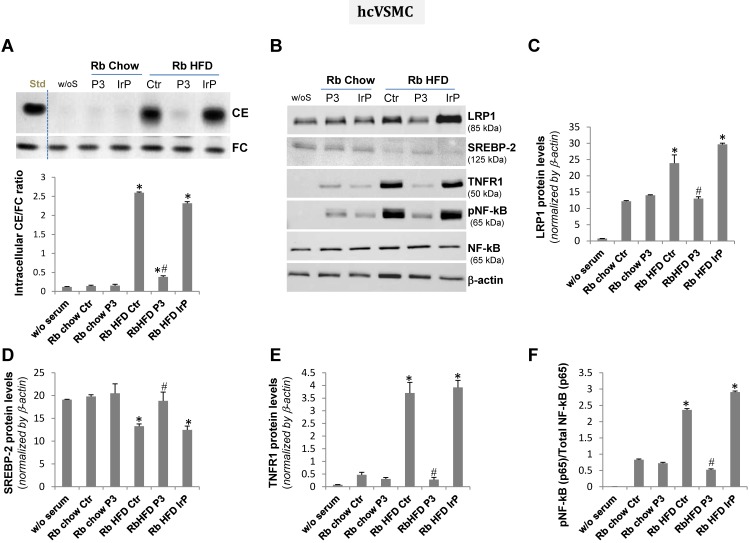
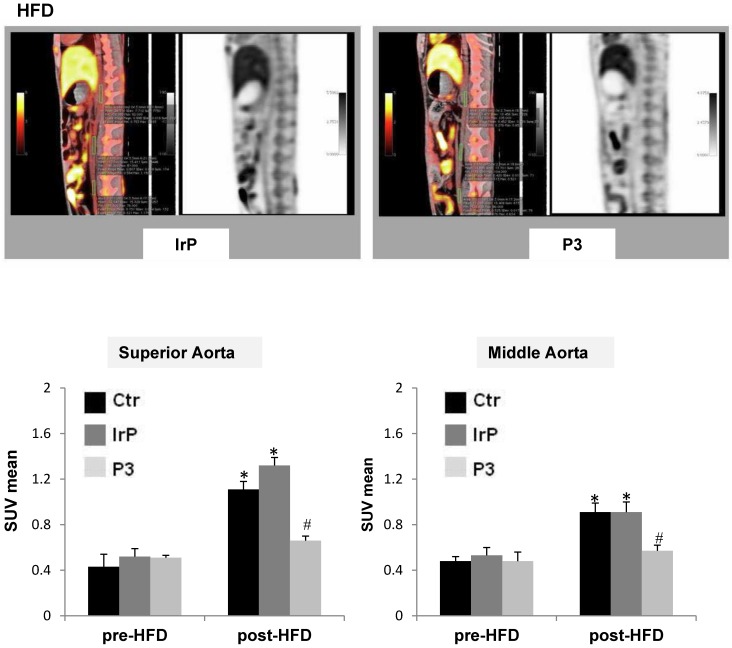
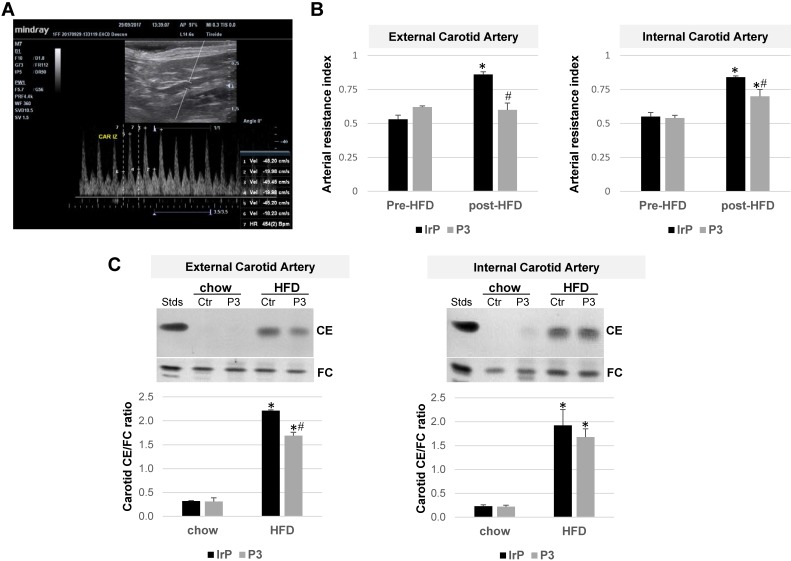
: The LRP1 (CR9) domain and, in particular, the sequence Gly-Cys (P3) plays a critical role in the binding and internalization of aggregated LDL (agLDL). We aimed to evaluate whether immunization with P3 reduces high-fat diet (HFD)-induced atherosclerosis. : Female New Zealand White (NZW) rabbits were immunized with a primary injection and four reminder doses (R1-R4) of IrP (irrelevant peptide) or P3 conjugated to the carrier. IrP and P3-immunized rabbits were randomly divided into a normal diet group and a HFD-fed group. Anti-P3 antibody levels were determined by ELISA. Lipoprotein profile, circulating and tissue lipids, and vascular pro-inflammatory mediators were determined using standardized methods while atherosclerosis was determined by confocal microscopy studies and non-invasive imaging (PET/CT and Doppler ultrasonography). Studies treating human macrophages (hMΦ) and coronary vascular smooth muscle cells (hcVSMC) with rabbit serums were performed to ascertain the potential impact of anti-P3 Abs on the functionality of these crucial cells. : P3 immunization specifically induced the production of anti-P3 antibodies (Abs) and did not alter the lipoprotein profile. HFD strongly induced cholesteryl ester (CE) accumulation in the aorta of both the control and IrP groups, and their serum dose-dependently raised the intracellular CE of hMΦ and hcVSMC, promoting TNFR1 and phospho-NF-kB (p65) overexpression. These HFD pro-inflammatory effects were dramatically decreased in the aorta of P3-immunized rabbits and in hMΦ and hcVSMC exposed to the P3 rabbit serums. Microscopy studies revealed that P3 immunization reduced the percentage of lipids, macrophages, and SMCs in the arterial intima, as well as the atherosclerotic extent and lesion area in the aorta. PET/CT and Doppler ultrasonography studies showed that the average standardized uptake value (SUV) of the aorta and the arterial resistance index (ARI) of the carotids were more upregulated by HFD in the control and IrP groups than the P3 group. : P3 immunization counteracts HFD-induced fatty streak formation in rabbits. The specific blockade of the LRP1 (CR9) domain with Anti-P3 Abs dramatically reduces HFD-induced intracellular CE loading and harmful coupling to pro-inflammatory signaling in the vasculature.
LRP1(CR9)结构域,特别是 Gly-Cys(P3)序列,在聚集 LDL(agLDL)的结合和内化中起着关键作用。我们旨在评估免疫接种 P3 是否可以减少高脂肪饮食(HFD)诱导的动脉粥样硬化。
雌性新西兰白兔(NZW)用初级注射和四个提醒剂量(R1-R4)的 IrP(无关肽)或 P3 与载体结合进行免疫接种。IrP 和 P3 免疫接种的兔子被随机分为正常饮食组和 HFD 喂养组。通过 ELISA 测定抗 P3 抗体水平。使用标准方法测定脂蛋白谱、循环和组织脂质以及血管促炎介质,通过共聚焦显微镜研究和非侵入性成像(PET/CT 和多普勒超声)测定动脉粥样硬化。用兔血清处理人巨噬细胞(hMΦ)和冠状动脉平滑肌细胞(hcVSMC)的研究,以确定抗 P3 Abs 对这些关键细胞功能的潜在影响。
P3 免疫接种特异性诱导抗 P3 抗体(Abs)的产生,并且不改变脂蛋白谱。HFD 强烈诱导对照组和 IrP 组主动脉中胆固醇酯(CE)的积累,其血清剂量依赖性地增加 hMΦ 和 hcVSMC 中的细胞内 CE,促进 TNFR1 和磷酸化 NF-kB(p65)的过度表达。在 P3 免疫接种的兔子的主动脉中和暴露于 P3 兔血清的 hMΦ 和 hcVSMC 中,这些 HFD 促炎作用明显降低。显微镜研究表明,P3 免疫接种降低了动脉内膜中的脂质、巨噬细胞和 SMC 的百分比,以及主动脉中的动脉粥样硬化程度和病变面积。PET/CT 和多普勒超声研究表明,在对照组和 IrP 组中,HFD 对主动脉的平均标准化摄取值(SUV)和颈动脉的动脉阻力指数(ARI)的上调作用大于 P3 组。
P3 免疫接种可拮抗 HFD 诱导的兔脂肪条纹形成。LRP1(CR9)结构域的特异性阻断用抗 P3 Abs 可显著减少 HFD 诱导的细胞内 CE 负荷,并减少血管中促炎信号的有害偶联。