Reule A G
Carl Zeiss, 7082 Oberkochen, Germany.
J Res Natl Bur Stand A Phys Chem. 1976 Jul-Aug;80A(4):609-624. doi: 10.6028/jres.080A.060. Epub 1976 Aug 1.
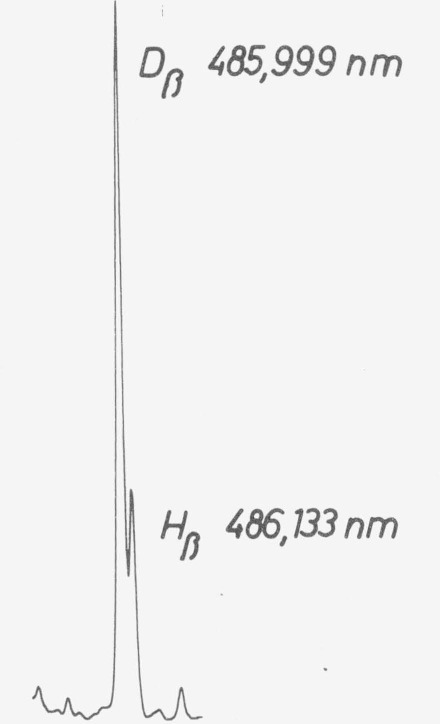
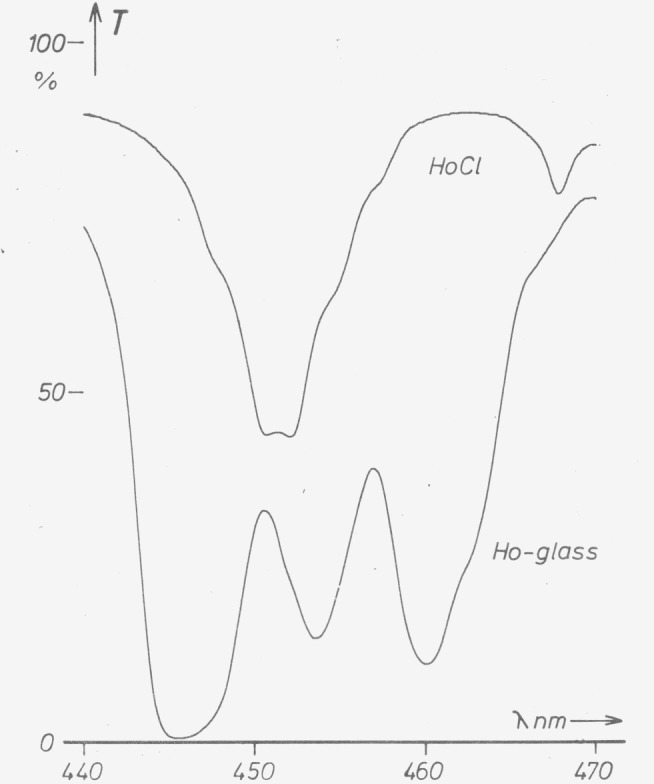
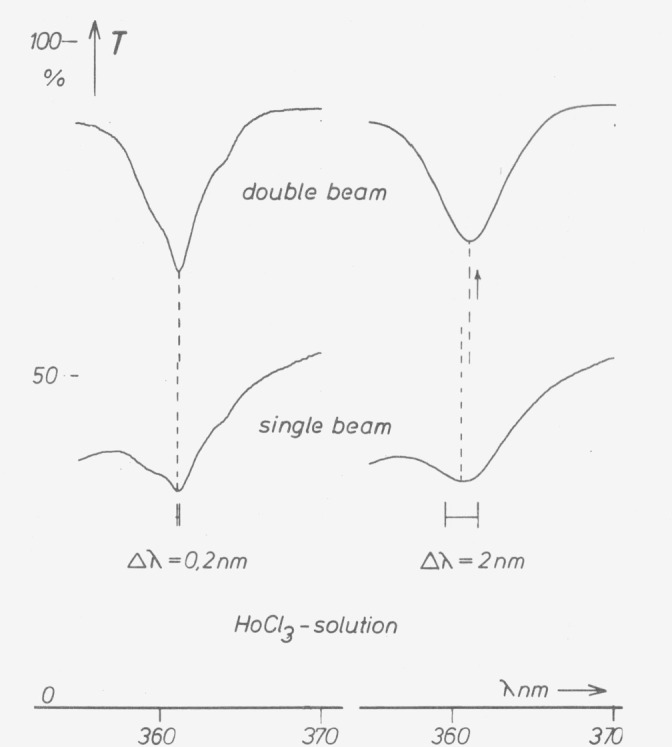
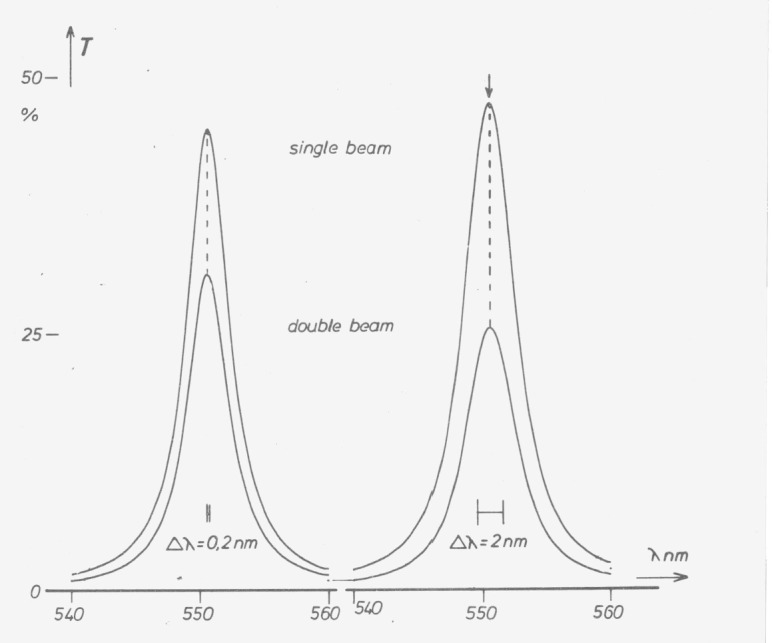
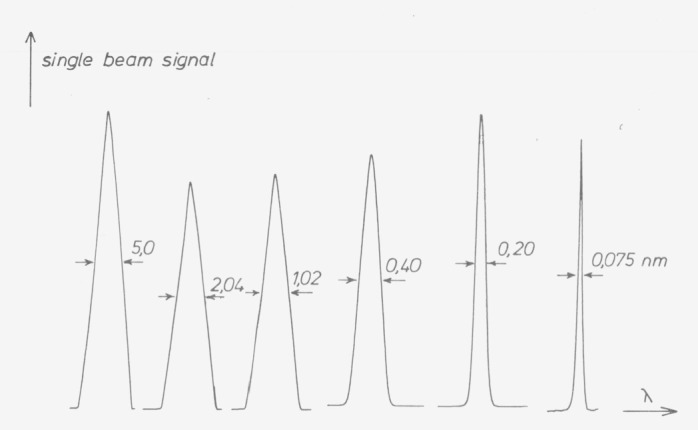
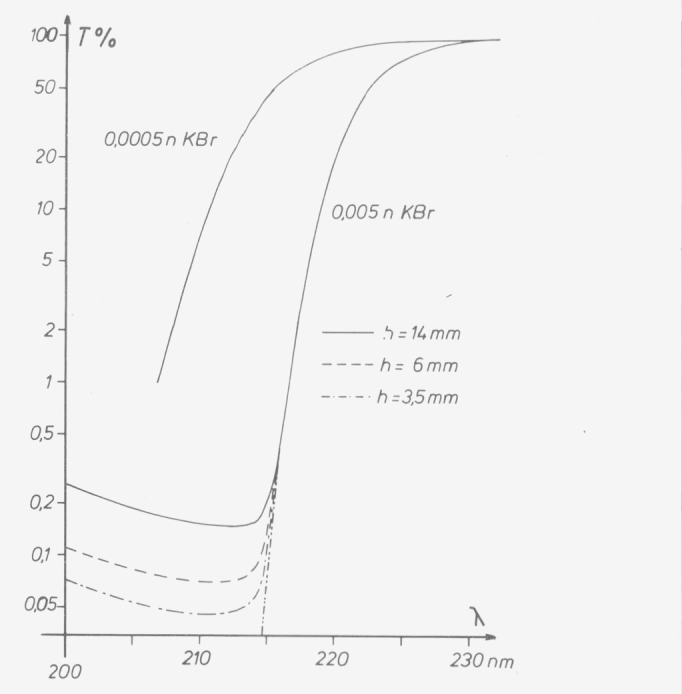
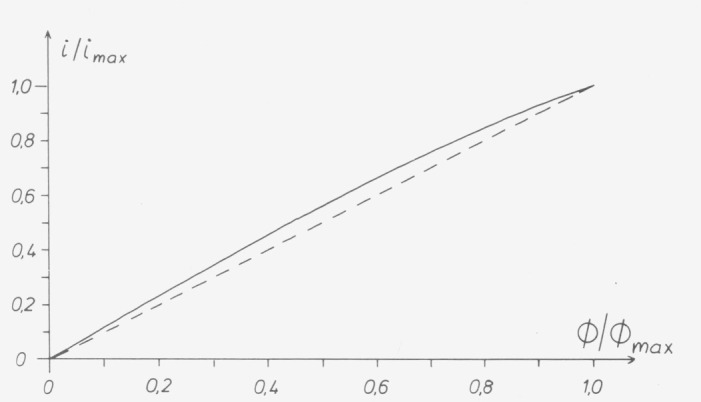
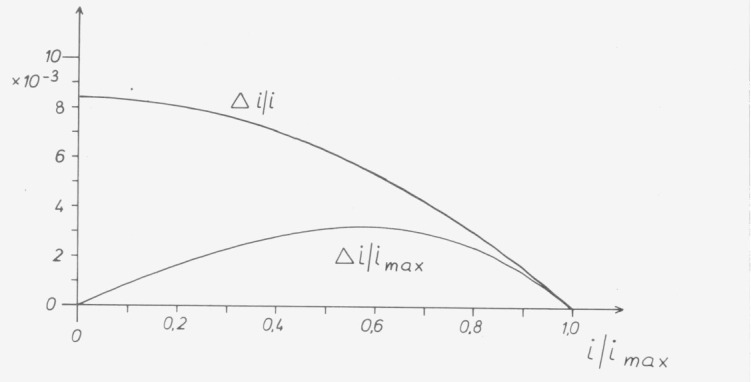
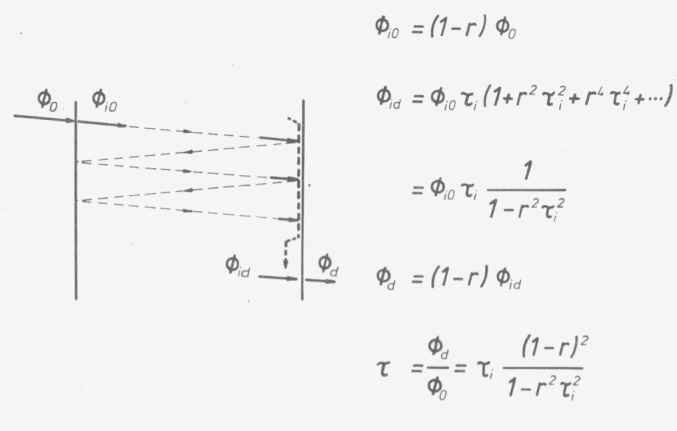
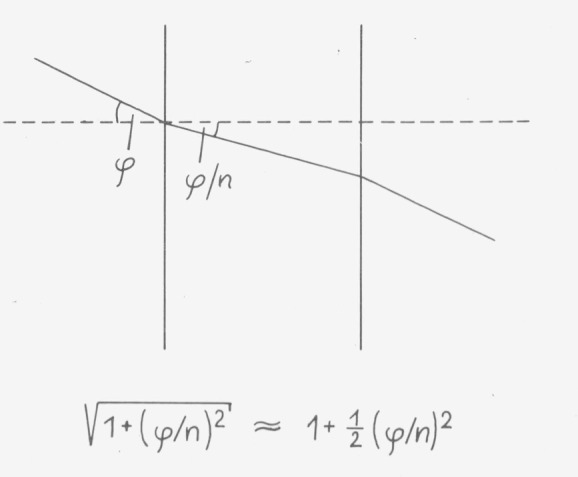
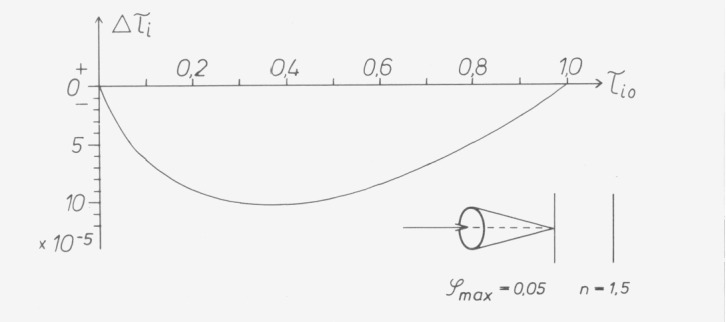
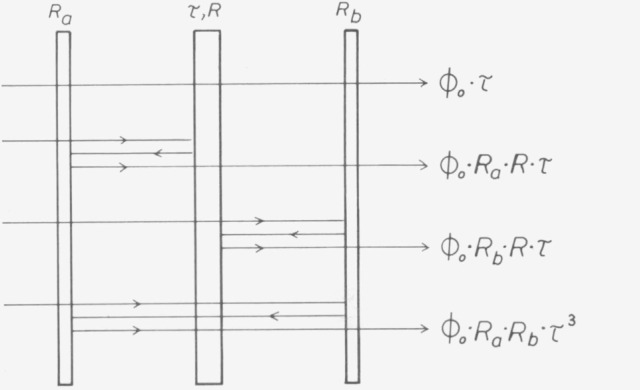
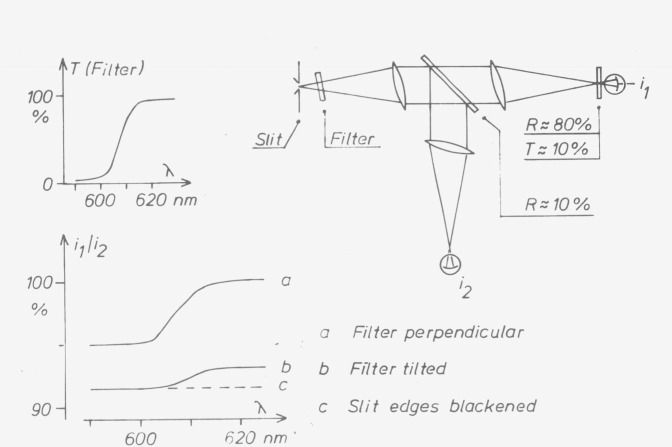
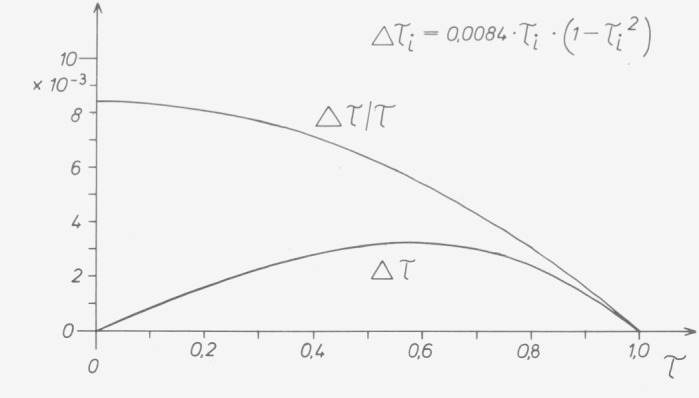
Based on simple principles, spectrophotometry nevertheless demands a lot of precautions to avoid errors. The following properties of spectrophotometers will be discussed together with methods to test them: Spectral properties-wavelength accuracy, bandwidth, stray light; photometric linearity; interactions between sample and instrument-multiple reflections, polarization, divergence, sample wedge, sample tilt, optical path length (refractive index), interferences. Calibration of master instruments is feasible only by complicated procedures. With such a master instrument standards may be calibrated which greatly simplify performance checks of instruments used for practical work. For testing high quality spectrophotometers the use of emission lines and nearly neutral absorbing solid filters as standards seems to be superior, for some kinds of routine instruments the use of absorption bands and liquid filters may be necessary.
尽管分光光度法基于简单的原理,但仍需要采取许多预防措施以避免误差。将讨论分光光度计的以下特性以及测试这些特性的方法:光谱特性——波长准确度、带宽、杂散光;光度线性;样品与仪器之间的相互作用——多次反射、偏振、发散、样品楔、样品倾斜、光程长度(折射率)、干扰。主仪器的校准仅通过复杂的程序才可行。有了这样的主仪器,就可以校准标准,这大大简化了用于实际工作的仪器的性能检查。对于测试高质量的分光光度计,使用发射线和近乎中性吸收的固体滤光片作为标准似乎更具优势,对于某些常规仪器,可能需要使用吸收带和液体滤光片。