Department of Earth Science and Engineering, Imperial College London, Royal School of Mines, Prince Consort Rd, Kensington London, SW7 2AZ, UK.
Chembiochem. 2020 Aug 3;21(15):2111-2115. doi: 10.1002/cbic.202000117. Epub 2020 Apr 14.
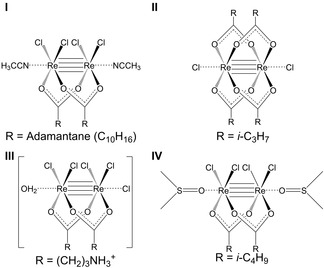
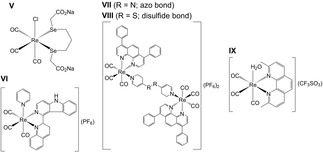
The success of metal-based anticancer therapeutics in the treatment of cancer is best exemplified by cisplatin. Currently used in 32/78 cancer regimens, metal-based drugs have a clear role in cancer therapy. Despite this, metal-based anticancer therapeutics are not without drawbacks, with issues such as toxic side effects and the development of resistance mechanisms. This has led to investigations of other metal-based drug candidates such as auranofin, a gold-based drug candidate as well as ruthenium-based candidates, NAMI-A, NKP-1339 and TLD-1433. All are currently undergoing clinical trials. Another class of complexes under study are rhenium-based; such complexes have undergone extensive in vitro testing but only nine have been reported to display antitumour in vivo activity, which is a necessary step before entering clinical trials. This review will document, chronologically, the rhenium-based drug candidates that have undergone in vivo testing and the outlook for such complexes.
金属抗肿瘤疗法在癌症治疗中的成功以顺铂为最佳代表。目前在 32/78 种癌症治疗方案中使用,金属基药物在癌症治疗中具有明确的作用。尽管如此,金属抗肿瘤疗法并非没有缺点,存在毒性副作用和耐药机制发展等问题。这导致了对其他金属药物候选物的研究,如金药物候选物金诺芬以及钌基候选物 NAMI-A、NKP-1339 和 TLD-1433。所有这些都正在进行临床试验。另一类正在研究的复合物是基于铼的;此类复合物已经进行了广泛的体外测试,但只有 9 种被报道具有体内抗肿瘤活性,这是进入临床试验之前的必要步骤。本综述将按时间顺序记录已经进行过体内测试的基于铼的药物候选物,并展望这些复合物的前景。