Madonna Rosalinda, Pieragostino Damiana, Cufaro Maria Concetta, Doria Vanessa, Del Boccio Piero, Deidda Martino, Pierdomenico Sante Donato, Dessalvi Christian Cadeddu, De Caterina Raffaele, Mercuro Giuseppe
Institute of Cardiology, University of Pisa, 56124 Pisa, Italy.
Department of Internal Medicine, Cardiology Division, McGovern School of Medicine, University of Texas Health Science Center at Houston, Houston, TX 77030, USA.
J Clin Med. 2020 Mar 18;9(3):820. doi: 10.3390/jcm9030820.
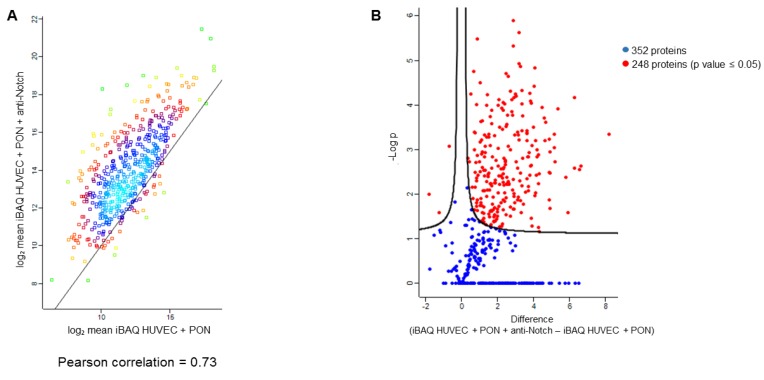
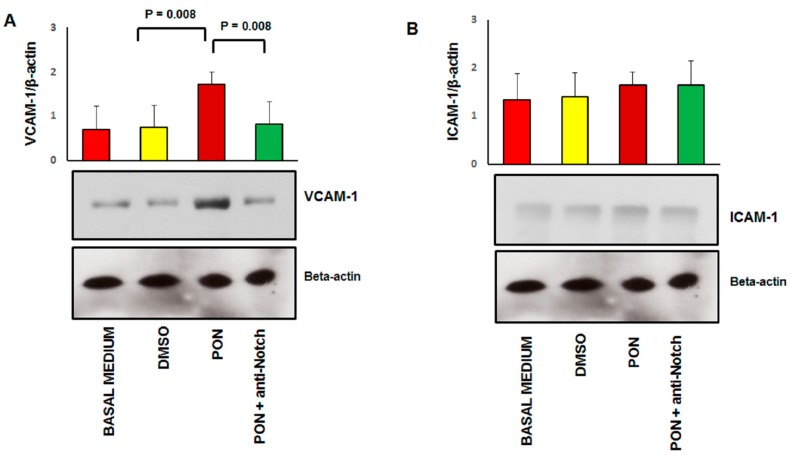
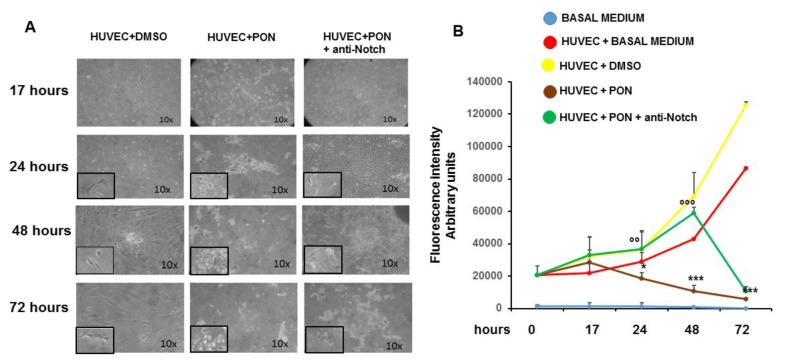
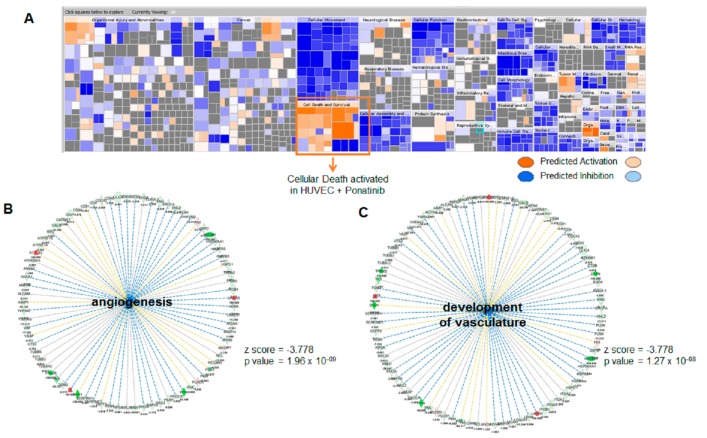
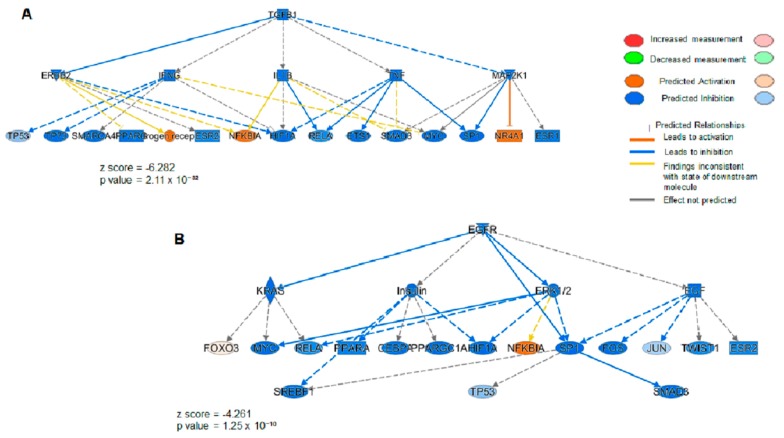
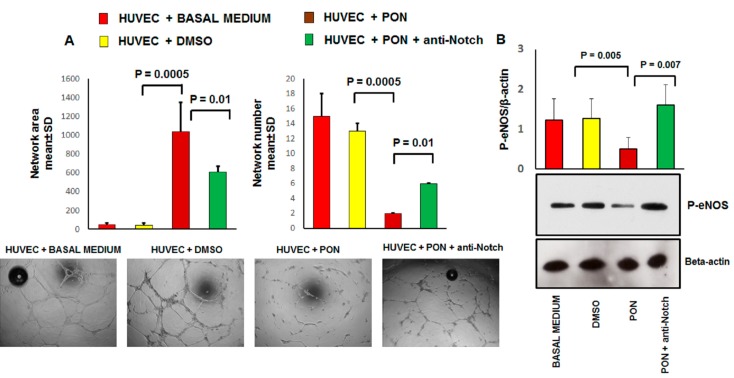
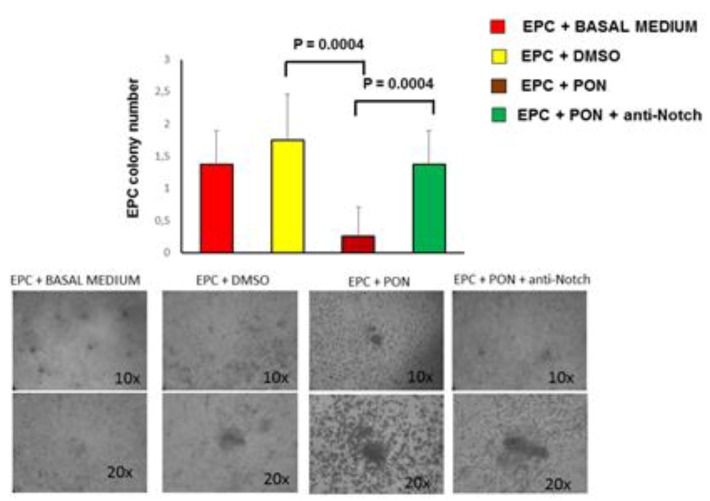
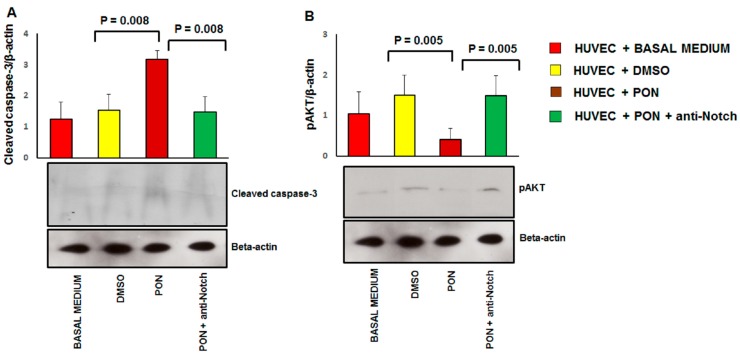
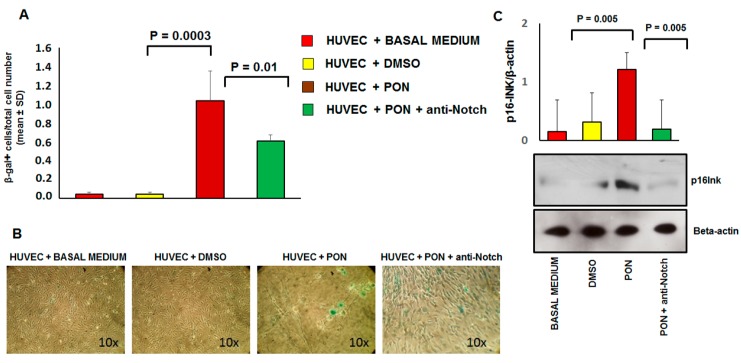
Ponatinib, a third-generation tyrosine kinase inhibitor (TKI), is the only approved TKI that is effective against T315I mutations in patients with chronic myeloid leukemia (CML). Specific activation of Notch signaling in CML cells by ponatinib can be considered as the "on-target effect" on the tumor and represents a therapeutic approach for CML. Nevertheless, ponatinib-induced vascular toxicity remains a serious concern, with underlying mechanisms being poorly understood. We aimed to determine the mechanisms of ponatinib-induced vascular toxicity, defining associated signaling pathways and identifying potential rescue strategies. We exposed human umbilical endothelial cells (HUVECs) to ponatinib or vehicle in the presence or absence of the neutralizing factor anti-Notch-1 antibody for exposure times of 0-72 h. Label-free proteomics and network analysis showed that protein cargo of HUVECs treated with ponatinib triggered apoptosis and inhibited vasculature development. We validated the proteomic data showing the inhibition of matrigel tube formation, an up-regulation of cleaved caspase-3 and a downregulation of phosphorylated AKT and phosphorylated eNOS. We delineated the signaling of ponatinib-induced vascular toxicity, demonstrating that ponatinib inhibits endothelial survival, reduces angiogenesis and induces endothelial senescence and apoptosis via the Notch-1 pathway. Ponatinib induced endothelial toxicity in vitro. Hyperactivation of Notch-1 in the vessels can lead to abnormal vascular development and vascular dysfunction. By hyperactivating Notch-1 in the vessels, ponatinib exerts an "on-target off tumor effect", which leads to deleterious effects and may explain the drug's vasculotoxicity. Selective blockade of Notch-1 prevented ponatinib-induced vascular toxicity.
波纳替尼是一种第三代酪氨酸激酶抑制剂(TKI),是唯一被批准的对慢性髓性白血病(CML)患者中T315I突变有效的TKI。波纳替尼对CML细胞中Notch信号的特异性激活可被视为对肿瘤的“靶向效应”,代表了一种CML的治疗方法。然而,波纳替尼诱导的血管毒性仍然是一个严重问题,其潜在机制尚不清楚。我们旨在确定波纳替尼诱导血管毒性的机制,明确相关信号通路并确定潜在的挽救策略。我们在存在或不存在中和因子抗Notch-1抗体的情况下,将人脐静脉内皮细胞(HUVECs)暴露于波纳替尼或溶剂中,暴露时间为0至72小时。无标记蛋白质组学和网络分析表明,用波纳替尼处理的HUVECs的蛋白质负载引发细胞凋亡并抑制血管生成。我们验证了蛋白质组学数据,显示基质胶管形成受到抑制、裂解的半胱天冬酶-3上调以及磷酸化AKT和磷酸化eNOS下调。我们描绘了波纳替尼诱导血管毒性的信号传导,证明波纳替尼通过Notch-1途径抑制内皮细胞存活、减少血管生成并诱导内皮细胞衰老和凋亡。波纳替尼在体外诱导内皮毒性。血管中Notch-1的过度激活可导致异常的血管发育和血管功能障碍。通过过度激活血管中的Notch-1,波纳替尼发挥“靶向非肿瘤效应”,这会导致有害影响,并可能解释该药物的血管毒性。选择性阻断Notch-1可预防波纳替尼诱导的血管毒性。