Ai Nana, Chong Cheong-Meng, Chen Weiting, Hu Zhe, Su Huanxing, Chen Guokai, Lei Wong Queenie Wing, Ge Wei
Centre of Reproduction, Development and Aging (CRDA), Faculty of Health Sciences, University of Macau, Macau, China.
Institute of Chinese Medicinal Sciences (ICMS), University of Macau, Macau, China.
Oncotarget. 2018 Jan 10;9(62):31958-31970. doi: 10.18632/oncotarget.24110. eCollection 2018 Aug 10.
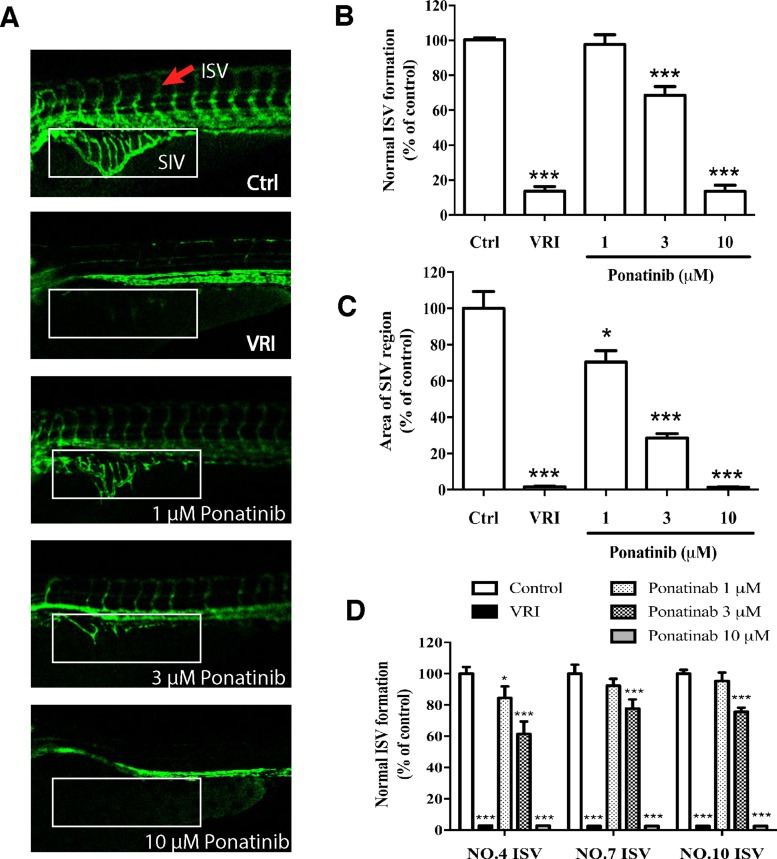
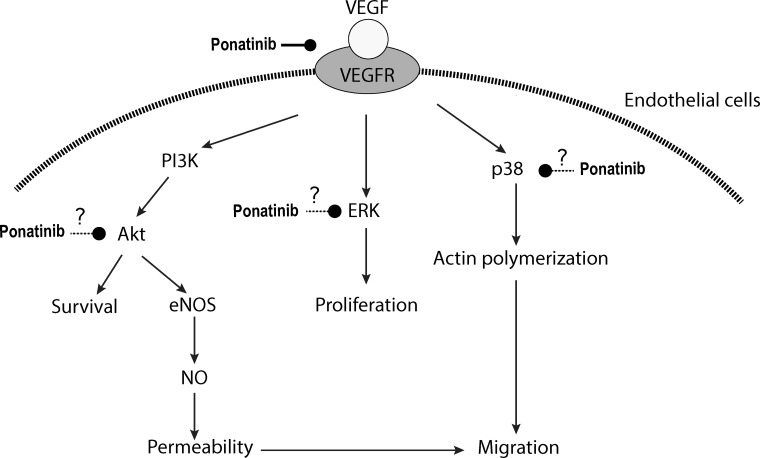
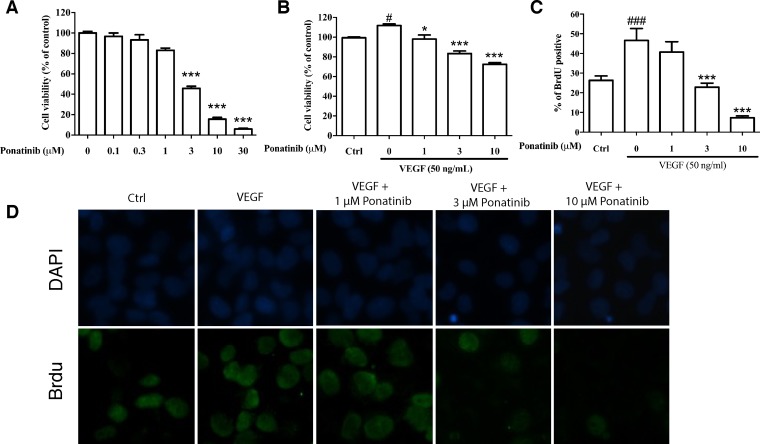
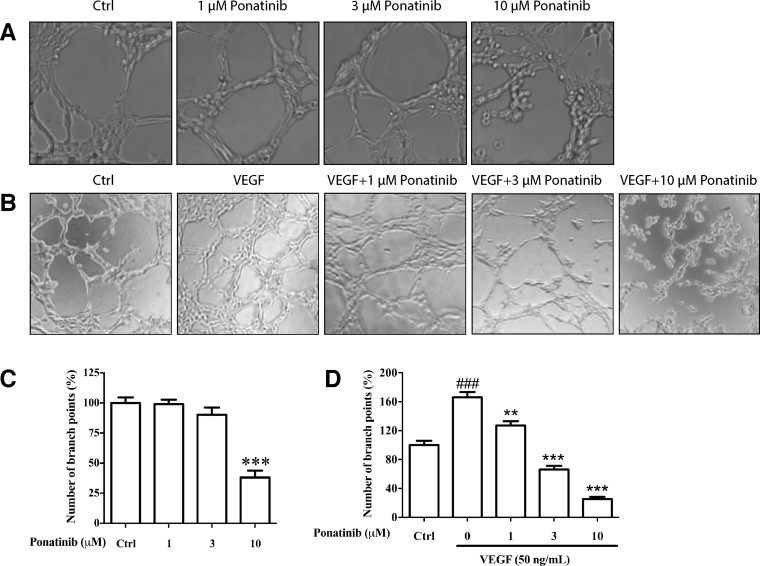
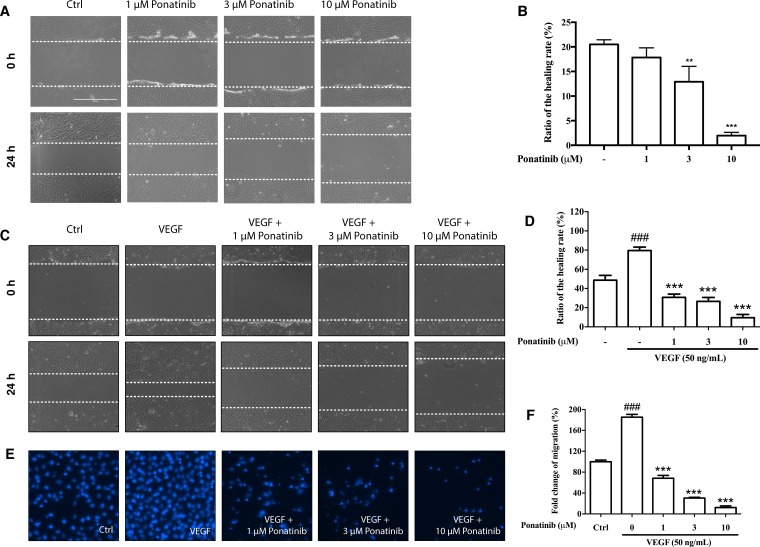
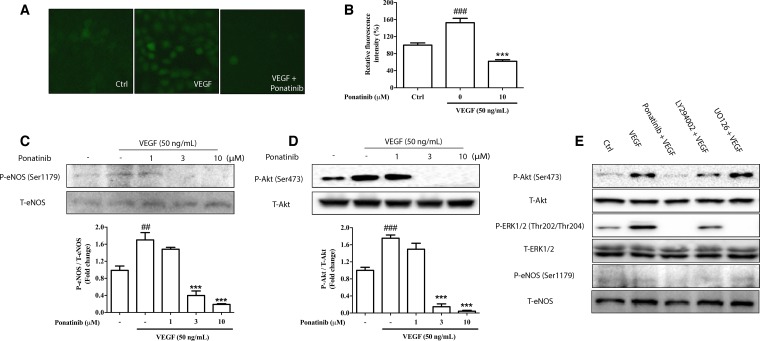
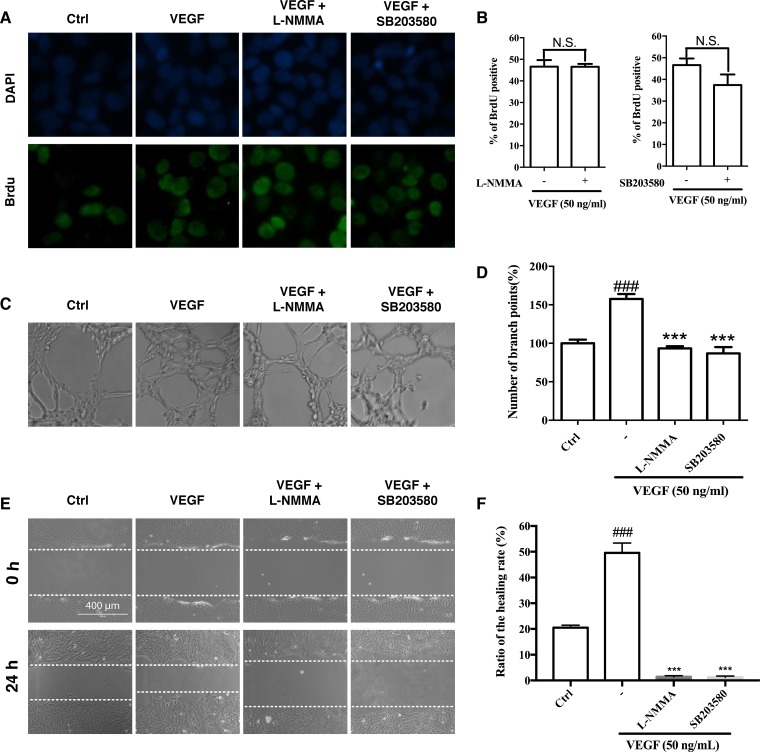
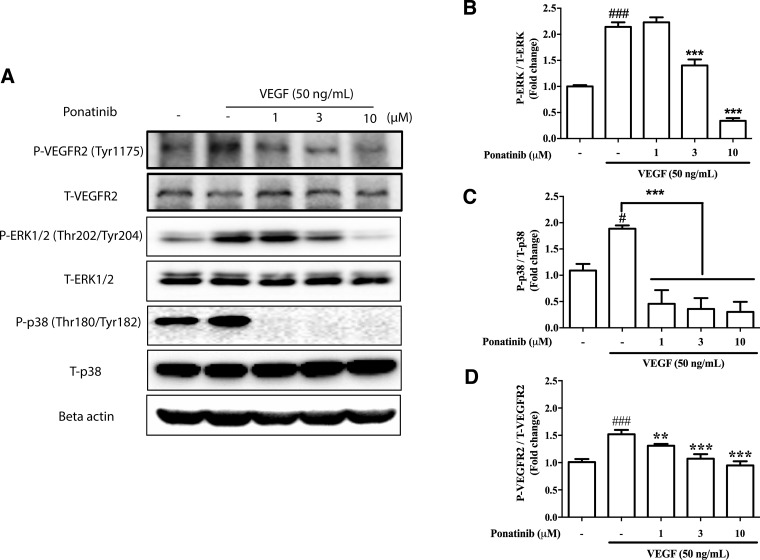
Angiogenesis is a hallmark for cancer development because it is essential for cancer growth and provides the route for cancer cell migration (metastasis). Understanding the mechanism of angiogenesis and developing drugs that target the process has therefore been a major focus for research on cancer therapy. In this study, we screened 114 FDA-approved anti-cancer drugs for their effects on angiogenesis in the zebrafish. Among those with positive effects, we chose to focus on Ponatinib (AP24534; Iclusig) for further investigation. Ponatinib is an inhibitor of the tyrosine kinase BCR-ABL in chronic myeloid leukemia (CML), and its clinical trial has been approved by FDA for the treatment of the disease. In recent clinical trials, however, some side effects have been reported for Ponatinib, mostly on blood vessel disorders, raising the possibility that this drug may influence angiogenesis. In this study, we demonstrated that Ponatinib was able to suppress the formation of intersegmental vessels (ISV) and subintestinal vessels (SIV) in the zebrafish larvae. The anti-angiogenic effect of Ponatinib was further validated by other bioassays in human umbilical vein endothelial cells (HUVECs), including cell proliferation and migration, tube formation, and wound healing. Further experiments showed that Ponatinib inhibited VEGF-induced VEGFR2 phosphorylation and its downstream signaling pathways including Akt/eNOS/NO pathway and MAPK pathways (ERK and p38MAPK). Taken together, these results suggest that inhibition of VEGF signaling at its receptor level and downstream pathways may likely be responsible for the antiangiogenic activity of Ponatinib.
血管生成是癌症发展的一个标志,因为它对癌症生长至关重要,并为癌细胞迁移(转移)提供途径。因此,了解血管生成机制并开发针对该过程的药物一直是癌症治疗研究的主要重点。在本研究中,我们筛选了114种美国食品药品监督管理局(FDA)批准的抗癌药物对斑马鱼血管生成的影响。在那些具有积极作用的药物中,我们选择专注于波纳替尼(AP24534;Iclusig)进行进一步研究。波纳替尼是慢性髓性白血病(CML)中酪氨酸激酶BCR-ABL的抑制剂,其临床试验已获FDA批准用于治疗该疾病。然而,在最近的临床试验中,已报道波纳替尼存在一些副作用,主要是血管疾病方面的,这增加了该药物可能影响血管生成的可能性。在本研究中,我们证明波纳替尼能够抑制斑马鱼幼虫节间血管(ISV)和肠下血管(SIV)的形成。波纳替尼的抗血管生成作用通过在人脐静脉内皮细胞(HUVECs)中的其他生物测定进一步得到验证,包括细胞增殖和迁移、管形成以及伤口愈合。进一步的实验表明,波纳替尼抑制VEGF诱导的VEGFR2磷酸化及其下游信号通路,包括Akt/eNOS/NO通路和MAPK通路(ERK和p38MAPK)。综上所述,这些结果表明在受体水平和下游通路抑制VEGF信号可能是波纳替尼抗血管生成活性的原因。