Physiology Biophysics and Systems Biology, Weill Cornell Graduate School of Medical Sciences, New York, NY 10065, USA.
Autoimmunity and Inflammation Program, Hospital for Special Surgery Research Institute, New York, NY 10021, USA.
Sci Immunol. 2020 Mar 20;5(45). doi: 10.1126/sciimmunol.aaw0693.
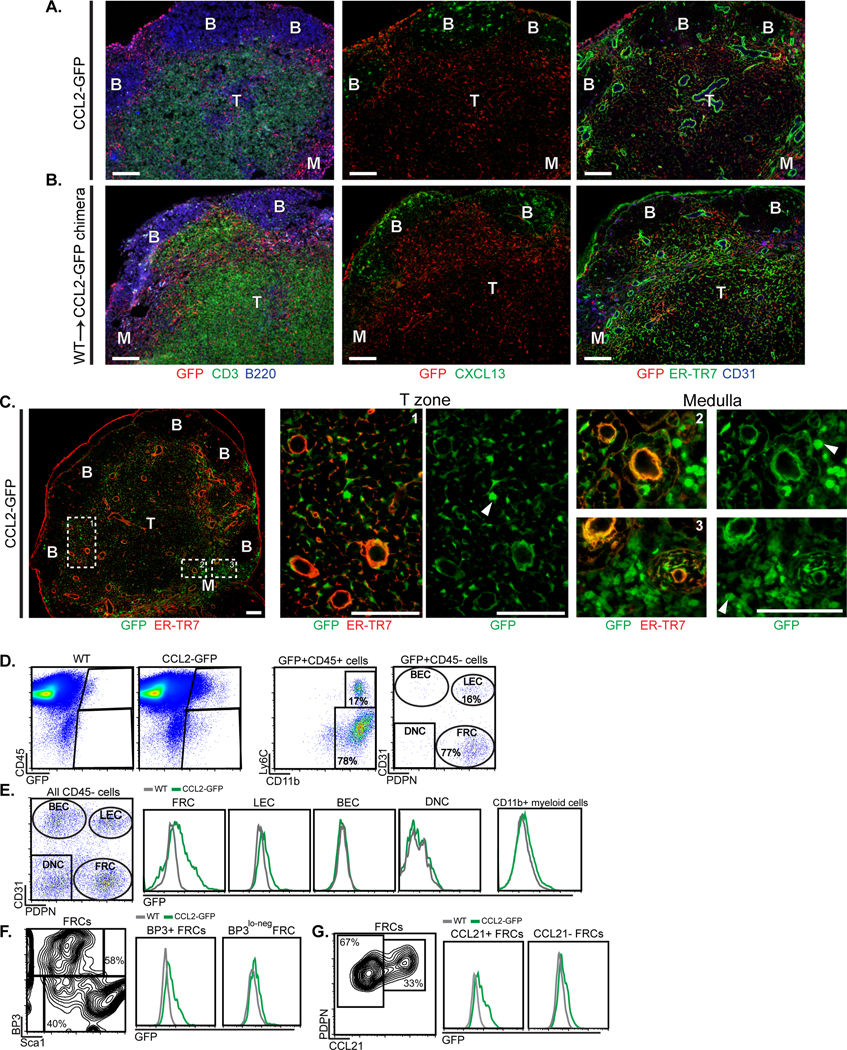
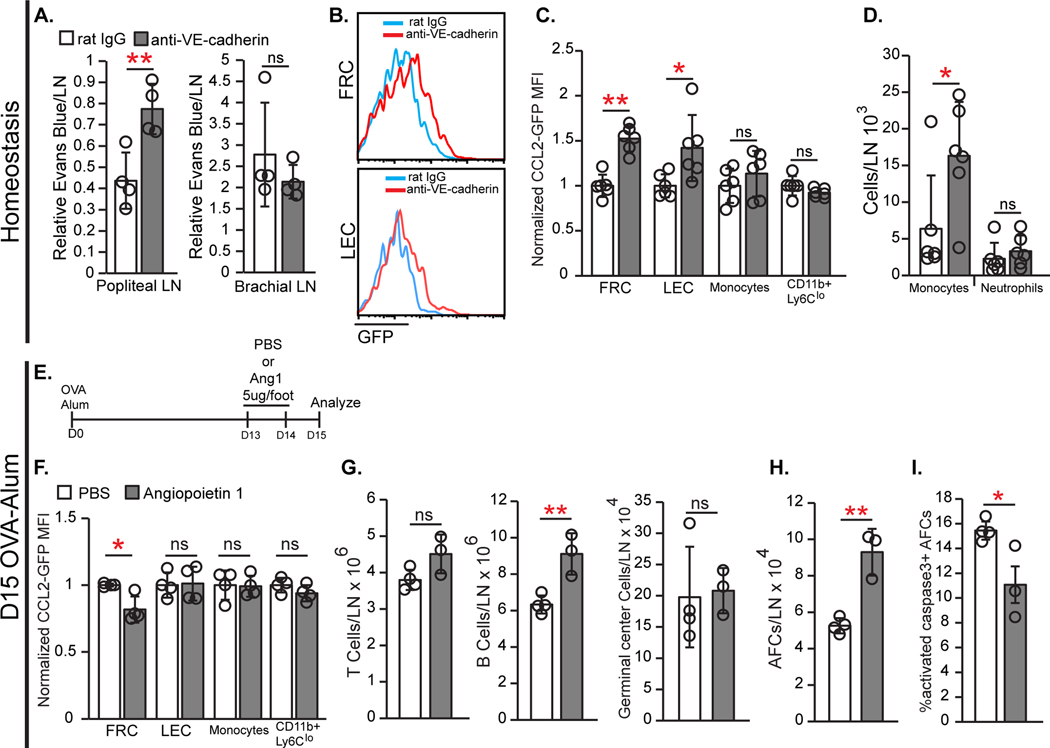
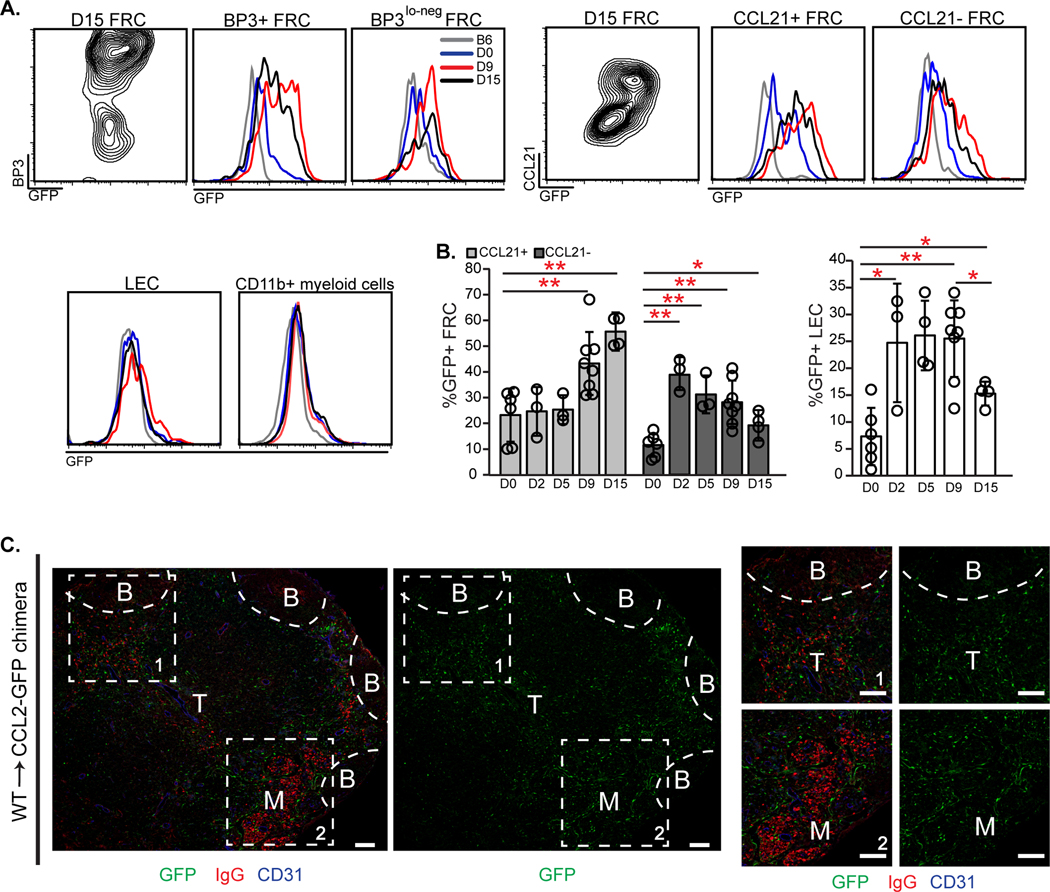
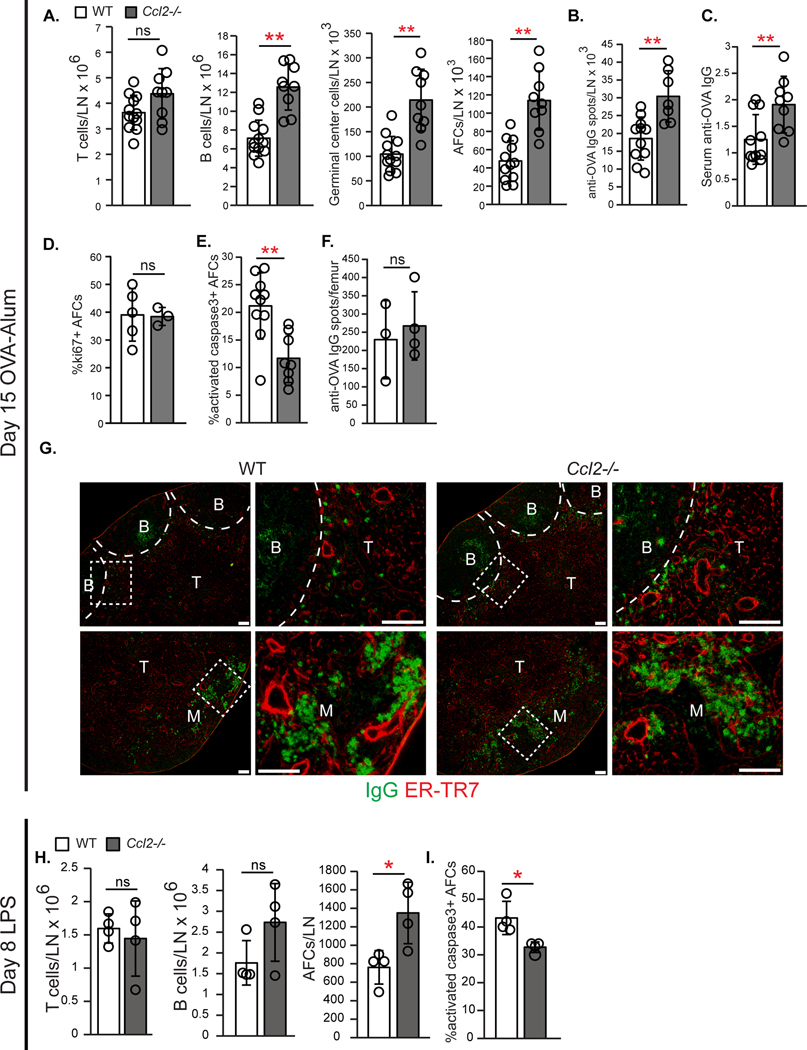
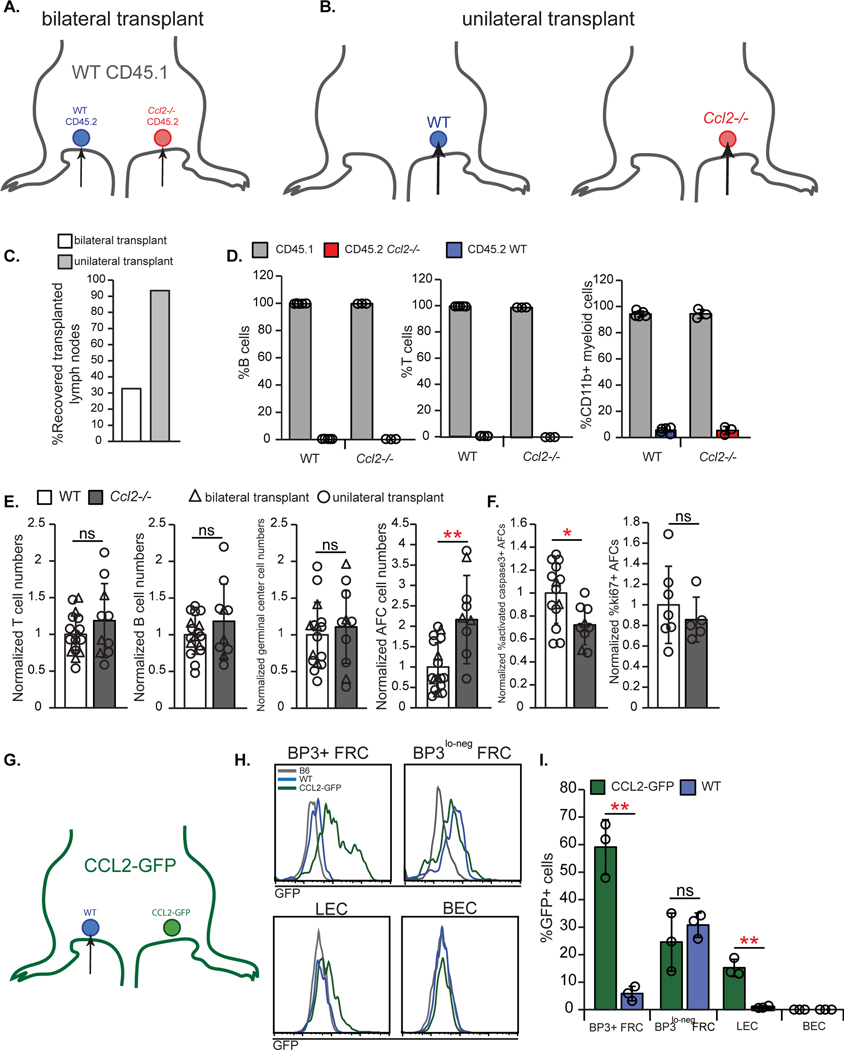
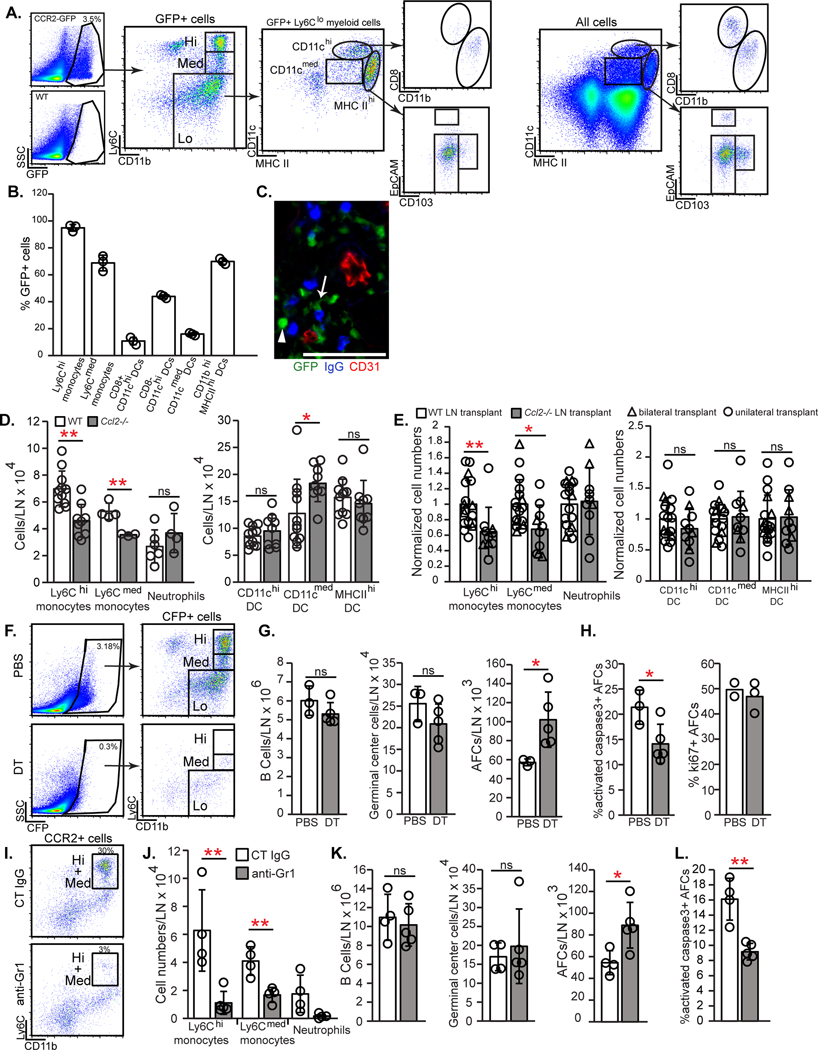
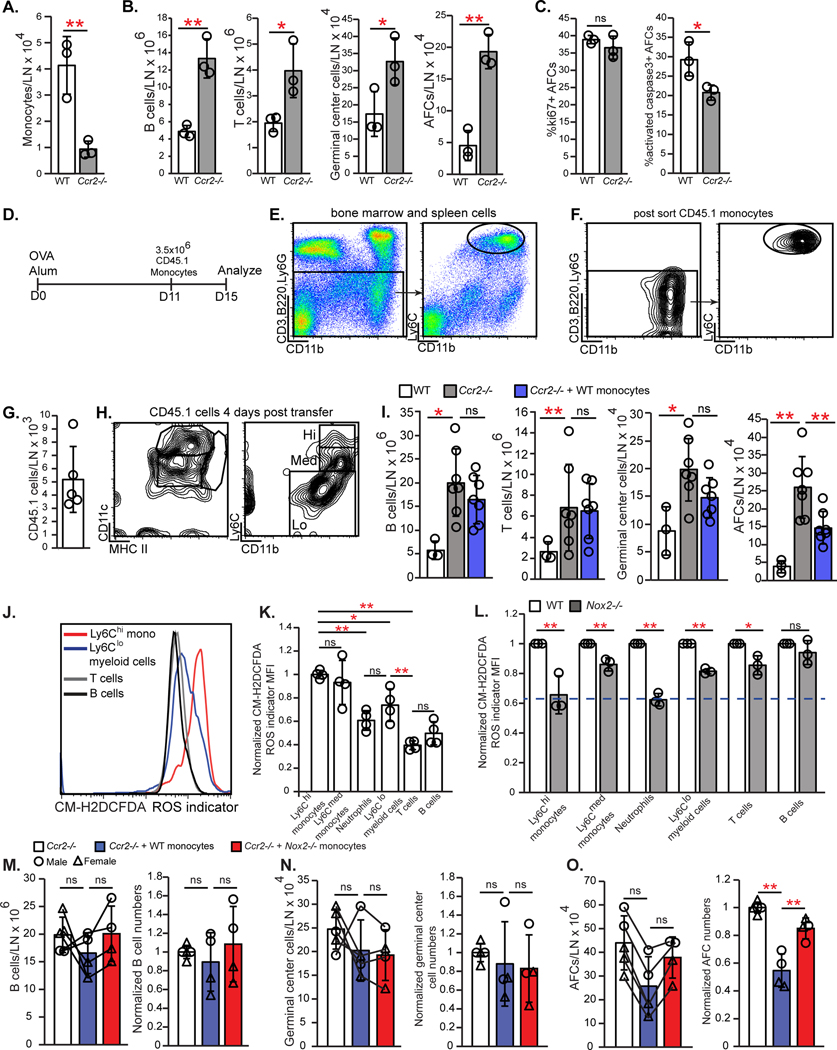
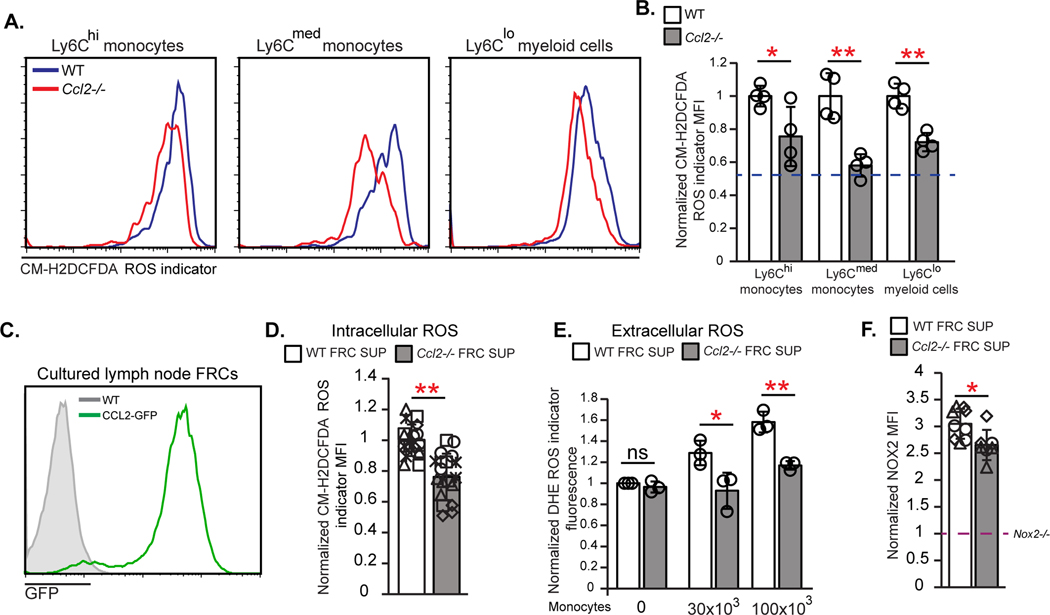
Nonhematopoietic stromal cells in lymph nodes such as fibroblastic reticular cells (FRCs) can support the survival of plasmablasts and plasma cells [together, antibody-forming cells (AFCs)]. However, a regulatory function for the stromal compartment in AFC accumulation has not been appreciated. Here, we show that chemokine ligand 2 (CCL2)-expressing stromal cells limit AFC survival. FRCs express high levels of CCL2 in vessel-rich areas of the T cell zone and the medulla, where AFCs are located. FRC CCL2 is up-regulated during AFC accumulation, and we use lymph node transplantation to show that CCL2 deficiency in BP3 FRCs and lymphatic endothelial cells increases AFC survival without affecting B or germinal center cell numbers. Monocytes are key expressers of the CCL2 receptor CCR2, as monocyte depletion and transfer late in AFC responses increases and decreases AFC accumulation, respectively. Monocytes express reactive oxygen species (ROS) in an NADPH oxidase 2 (NOX2)-dependent manner, and NOX2-deficient monocytes fail to reduce AFC numbers. Stromal CCL2 modulates both monocyte accumulation and ROS production, and is regulated, in part, by manipulations that modulate vascular permeability. Together, our results reveal that the lymph node stromal compartment, by influencing monocyte accumulation and functional phenotype, has a regulatory role in AFC survival. Our results further suggest a role for inflammation-induced vascular activity in tuning the lymph node microenvironment. The understanding of stromal-mediated AFC regulation in vessel-rich environments could potentially be harnessed to control antibody-mediated autoimmunity.
淋巴结中的非造血基质细胞,如纤维网状细胞 (FRC),可以支持浆母细胞和浆细胞[统称为抗体形成细胞 (AFC)]的存活。然而,基质细胞在 AFC 聚集中的调节功能尚未被认识到。在这里,我们表明趋化因子配体 2 (CCL2)表达的基质细胞限制 AFC 的存活。FRC 在 T 细胞区和髓质富含血管的区域表达高水平的 CCL2,而 AFC 就位于这些区域。FRC CCL2 在 AFC 聚集过程中被上调,我们利用淋巴结移植来表明 BP3 FRC 和淋巴管内皮细胞中的 CCL2 缺乏会增加 AFC 的存活,而不会影响 B 细胞或生发中心细胞的数量。单核细胞是 CCL2 受体 CCR2 的主要表达者,因为单核细胞耗竭和晚期 AFC 反应中的单核细胞转移分别增加和减少 AFC 的聚集。单核细胞以 NADPH 氧化酶 2 (NOX2) 依赖的方式表达活性氧物质 (ROS),而缺乏 NOX2 的单核细胞无法减少 AFC 的数量。基质 CCL2 调节单核细胞的积累和 ROS 的产生,并且部分受调节血管通透性的操作调控。总之,我们的结果表明,淋巴结基质细胞通过影响单核细胞的积累和功能表型,在 AFC 的存活中具有调节作用。我们的结果进一步表明,炎症诱导的血管活性在调节淋巴结微环境方面发挥作用。了解富含血管的环境中基质介导的 AFC 调节可能有助于控制抗体介导的自身免疫。