Department of Biomedical Engineering and Healthcare Engineering Innovation Center, Khalifa University of Science and Technology, PO Box 127788, Abu Dhabi, United Arab Emirates.
Department of Bio and Brain Engineering, Korea Advanced Institute of Science and Technology (KAIST), Daejeon, 34141, South Korea.
Sci Rep. 2020 Mar 20;10(1):5120. doi: 10.1038/s41598-020-62062-3.
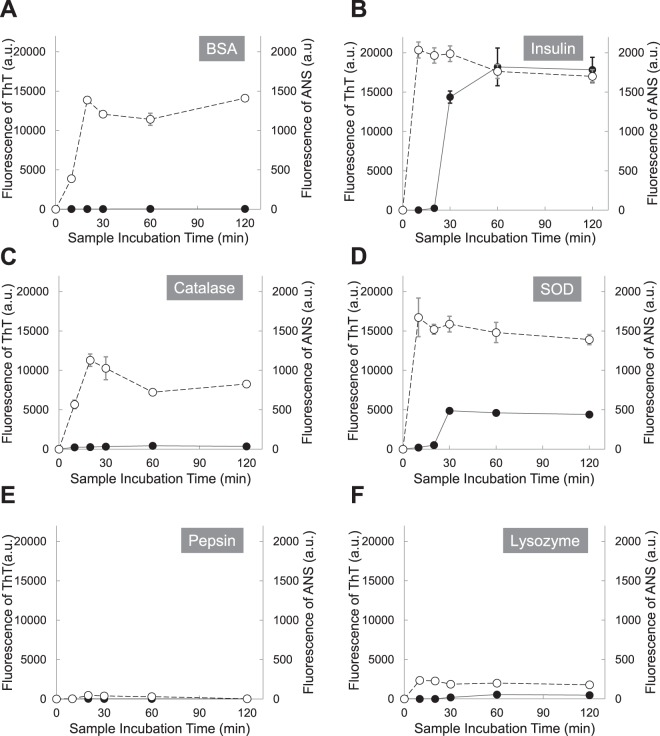
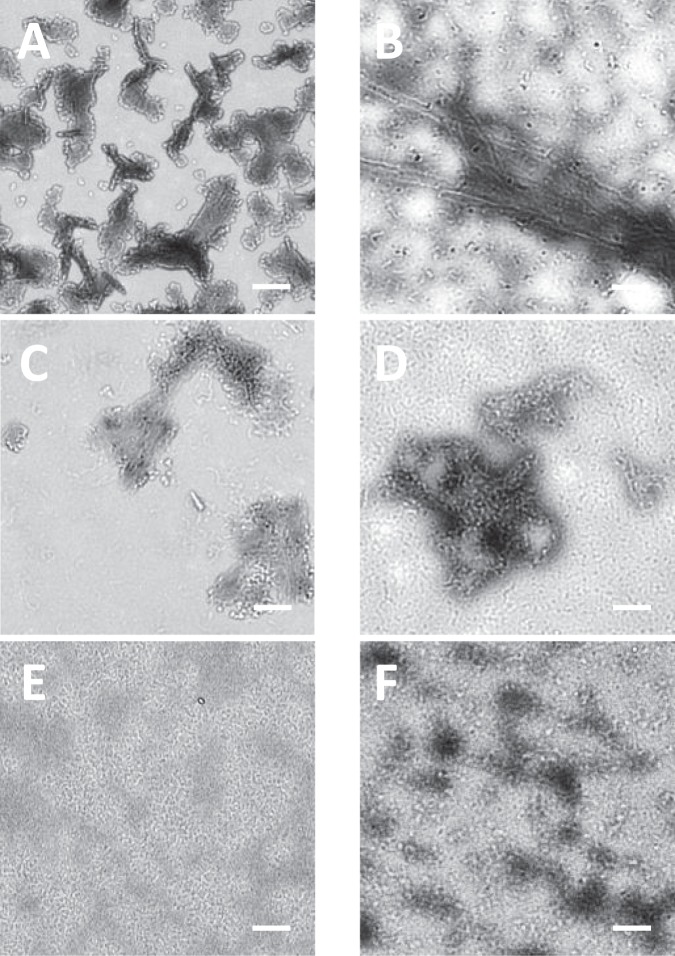
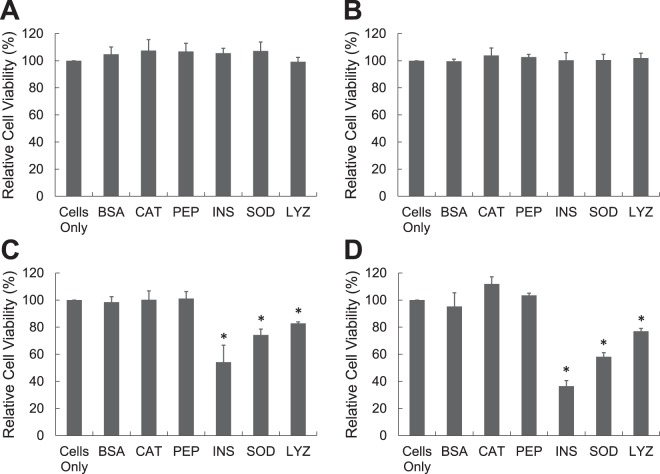
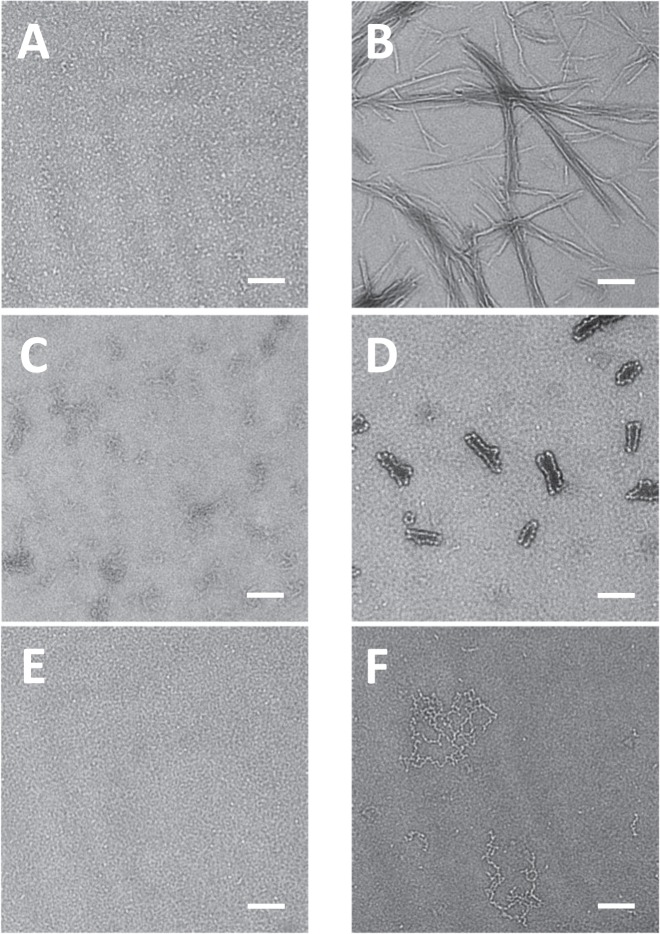
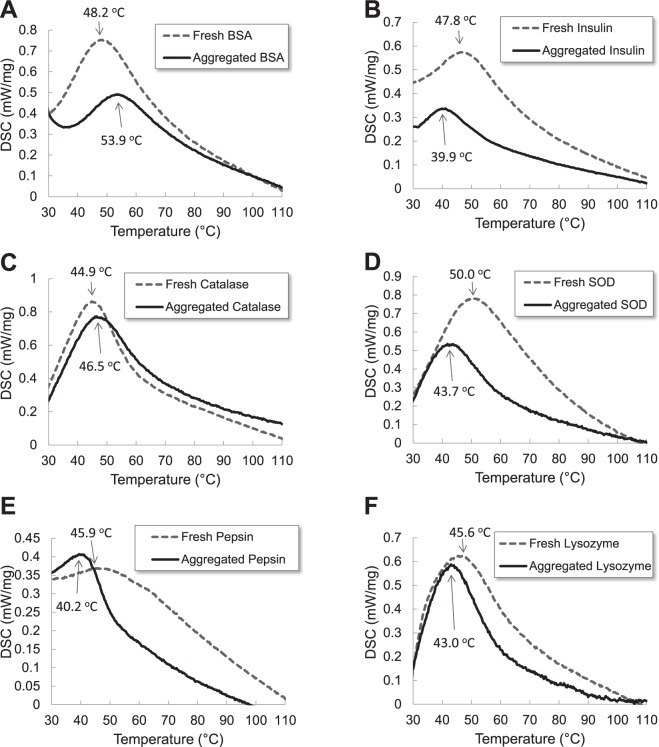
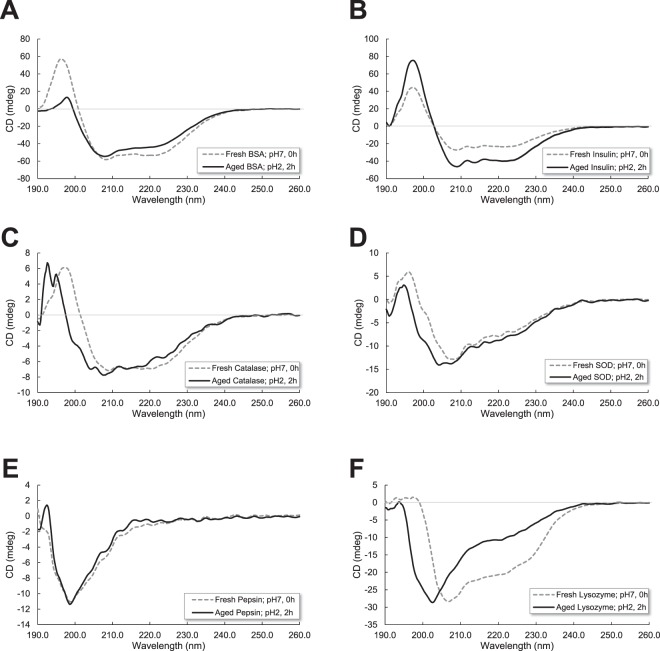
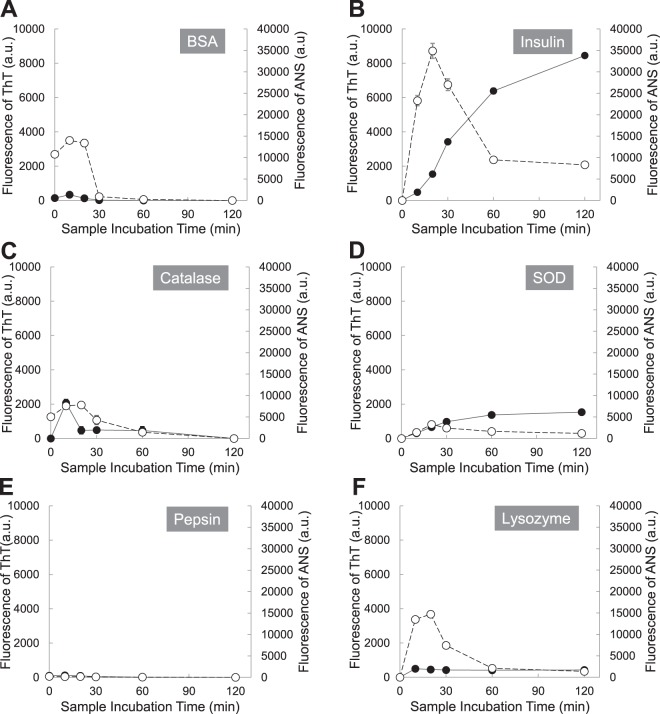
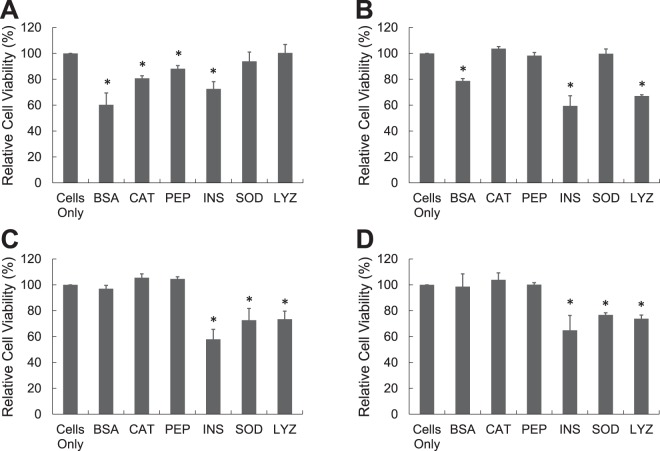
More than 20 unique diseases such as diabetes, Alzheimer's disease, Parkinson's disease are caused by the abnormal aggregations of pathogenic proteins such as amylin, β-amyloid (Aβ), and α-synuclein. All pathogenic proteins differ from each other in biological function, primary sequences, and morphologies; however, the proteins are toxic when aggregated. Here, we investigated the cellular toxicity of pathogenic or non-pathogenic protein aggregates. In this study, six proteins were selected and they were incubated at acid pH and high temperature. The aggregation kinetic and cellular toxicity of protein species with time were characterized. Three non-pathogenic proteins, bovine serum albumin (BSA), catalase, and pepsin at pH 2 and 65 °C were stable in protein structure and non-toxic at a lower concentration of 1 mg/mL. They formed aggregates at a higher concentration of 20 mg/mL with time and they induced the toxicity in short incubation time points, 10 min and 20 min only and they became non-toxic after 30 min. Other three pathogenic proteins, lysozyme, superoxide dismutase (SOD), and insulin, also produced the aggregates with time and they caused cytotoxicity at both 1 mg/mL and 20 mg/mL after 10 min. TEM images and DSC analysis demonstrated that fibrils or aggregates at 1 mg/mL induced cellular toxicity due to low thermal stability. In DSC data, fibrils or aggregates of pathogenic proteins had low thermal transition compared to fresh samples. The results provide useful information to understand the aggregation and cellular toxicity of pathogenic and non-pathogenic proteins.
二十多种独特的疾病,如糖尿病、阿尔茨海默病、帕金森病,都是由淀粉样蛋白、β-淀粉样蛋白 (Aβ) 和 α-突触核蛋白等致病蛋白的异常聚集引起的。所有致病蛋白在生物学功能、一级序列和形态上都有所不同;然而,当它们聚集时,这些蛋白都是有毒的。在这里,我们研究了致病或非致病蛋白聚集体的细胞毒性。在这项研究中,选择了六种蛋白质,在酸性 pH 值和高温下孵育它们。随着时间的推移,研究了蛋白质种类的聚集动力学和细胞毒性。在 pH 值为 2 和 65°C 时,三种非致病性蛋白质,牛血清白蛋白(BSA)、过氧化氢酶和胃蛋白酶,在蛋白质结构上是稳定的,在较低浓度 1mg/mL 时是无毒的。它们在较高浓度 20mg/mL 时随着时间的推移形成聚集体,并在短孵育时间点 10min 和 20min 仅诱导毒性,在 30min 后变得无毒。其他三种致病性蛋白质,溶菌酶、超氧化物歧化酶(SOD)和胰岛素,也随着时间的推移产生聚集体,在 10min 后,在 1mg/mL 和 20mg/mL 浓度下都导致细胞毒性。TEM 图像和 DSC 分析表明,在 1mg/mL 时,纤维或聚集体由于热稳定性低而引起细胞毒性。在 DSC 数据中,与新鲜样品相比,致病性蛋白的纤维或聚集体的热转变较低。这些结果为理解致病和非致病蛋白的聚集和细胞毒性提供了有用的信息。