General Surgery, ShanXian Hygeia Hospital, Heze, Shandong Province, China.
Outpatient Department, ShanXian Central Hospital, Heze, Shandong Province, China.
Biosci Rep. 2020 Apr 30;40(4). doi: 10.1042/BSR20191845.
To explore the biological function and mechanism of miR-96-5p in gastric cancer.
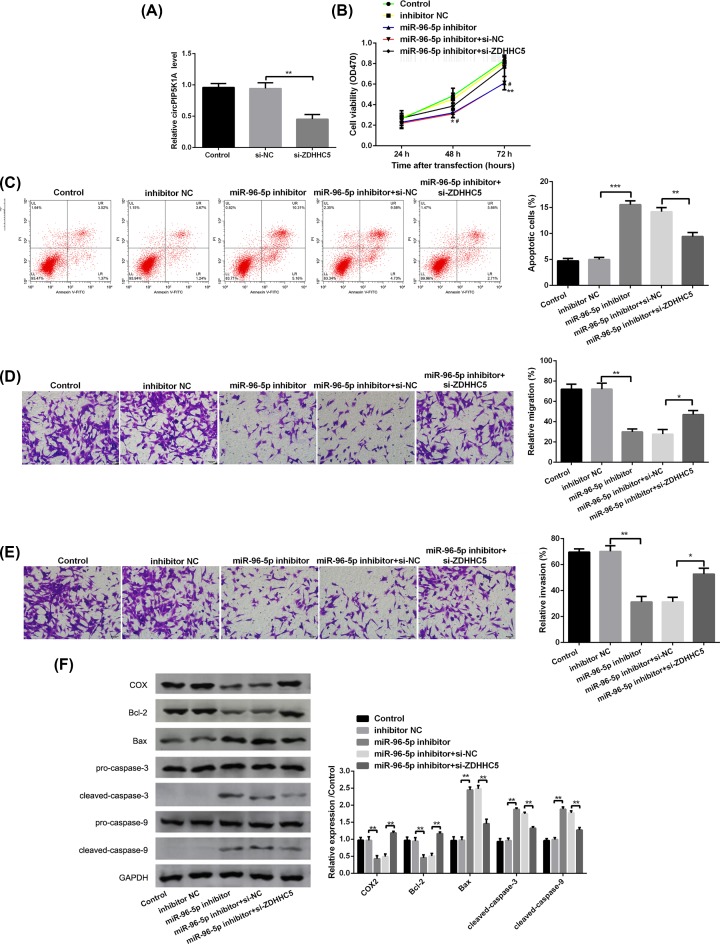
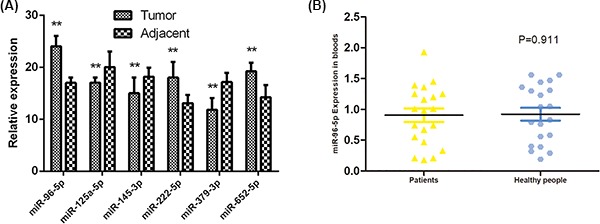
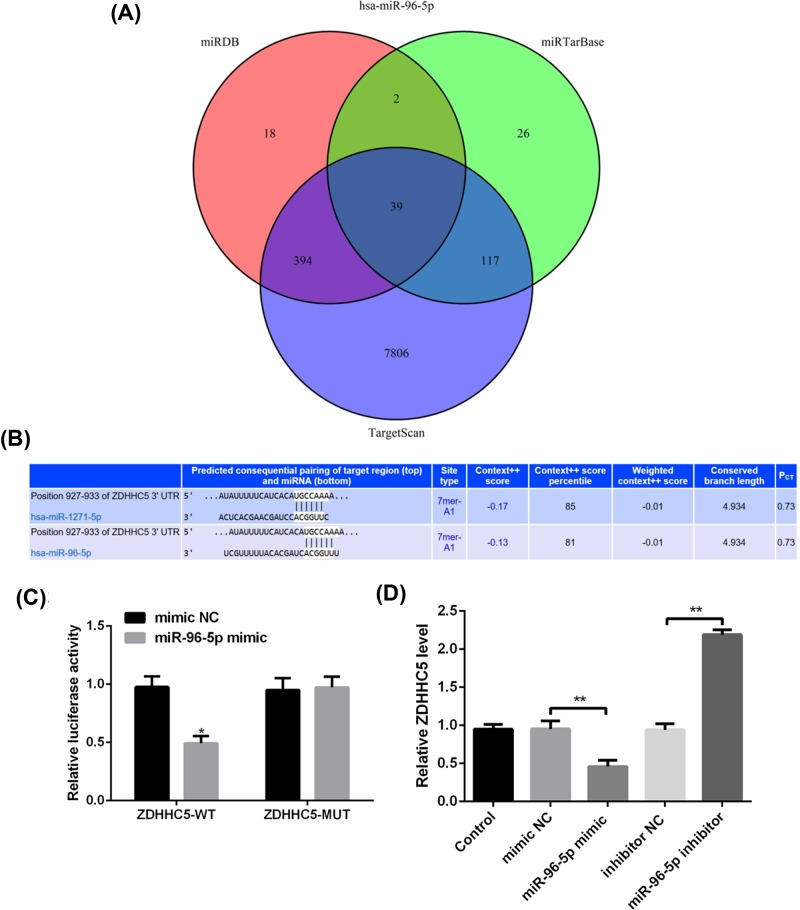
The expression of differently expressed microRNAs (DEMs) related to gastric adenocarcinoma (GAC) prognosis was identified in GAC tumor samples and adjacent normal samples by qRT-PCR. A target gene miR-96-5p was selected using TargetScan, miRTarBase, miRDB databases. The combination of miR-96-5p and ZDHHC5 was verified by luciferase receptor assay. To further study the function and mechanism of miR-96-5p, we treated MGC-803 cells with miR-96-5p inhibitor and si-ZDHHC5, then detected cell viability, apoptosis, migration and invasion ability, as well as the expression of ZDHHC5, Bcl-2, Bax, cleaved caspase-3, cleaved caspase-9, and COX-2 by Western blot.
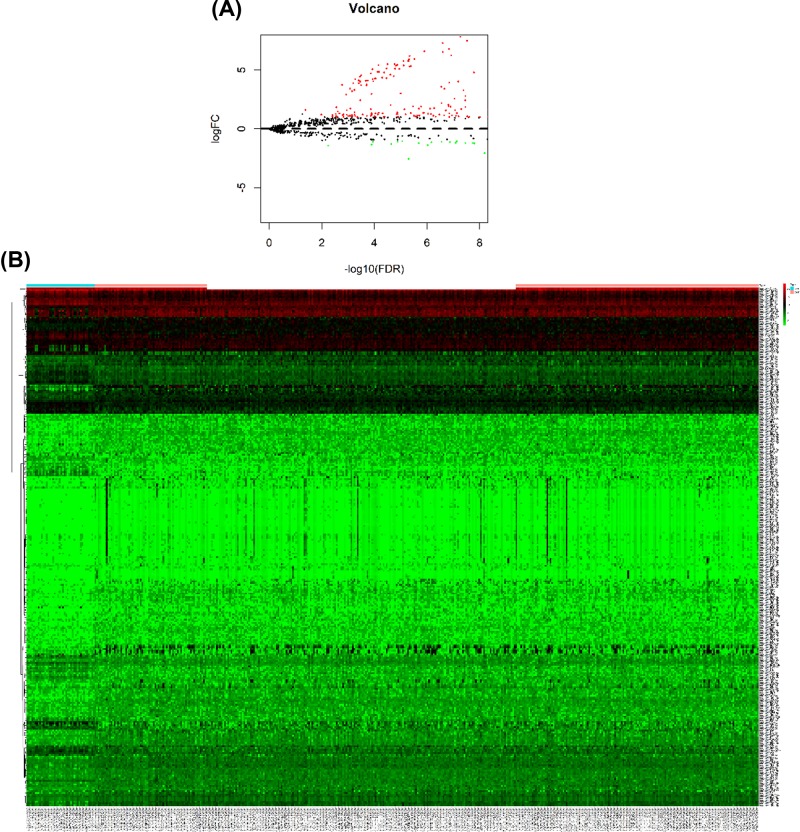
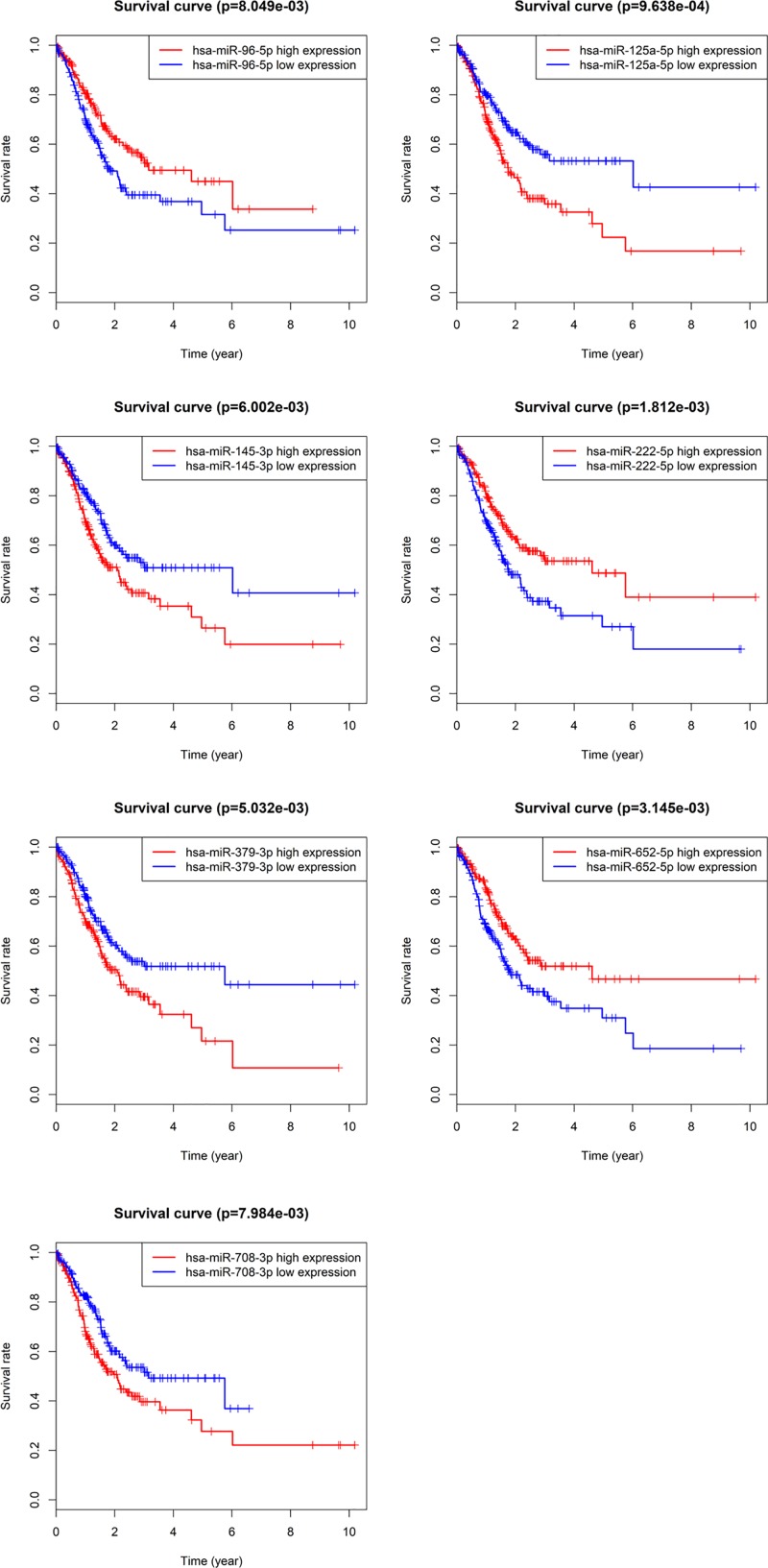
Compared with adjacent normal samples, the levels of miR-96-5p, miR-222-5p, and miR-652-5p were remarkably increased, while miR-125-5p, miR-145-3p, and miR-379-3p were significantly reduced in GAC tumor samples (P<0.01), which were consistent with bioinformatics analysis. Furthermore, ZDHHC5 was defined as a direct target gene of miR-96-5p. miR-96-5p silence significantly reduced cell viability, increased cell apoptosis, and suppressed cell migration and invasion, as well as inhibited the expression of Bcl-2 and COX-2 and promoted Bax, cleaved caspase-3 and cleaved caspase-9 level in MGC-803 cells (P<0.01). Notably, ZDHHC5 silence reversed the inhibiting effects of miR-96-5p on MGC-803 cells growth and metastasis Conclusion: Our findings identified six microRNAs (miRNAs; miR-96-5p, miR-222-5p, miR-652-5p, miR-125-5p, miR-145-3p, and miR-379-3p) related to GAC prognosis, and suggested that down-regulated miR-96-5p might inhibit tumor cell growth and metastasis via increasing ZDHHC5 expression enhance MGC-803 cell apoptosis, as well as decrease MGC-803 cell metastasis.
探讨 miR-96-5p 在胃癌中的生物学功能和作用机制。
采用 qRT-PCR 技术检测胃癌肿瘤组织及癌旁正常组织中差异表达的 microRNA(DEMs),利用 TargetScan、miRTarBase、miRDB 数据库筛选靶基因 miR-96-5p。采用荧光素酶受体实验验证 miR-96-5p 与 ZDHHC5 的结合。进一步采用 miR-96-5p 抑制剂和 si-ZDHHC5 处理 MGC-803 细胞,通过 Western blot 检测细胞活力、凋亡、迁移和侵袭能力,以及 ZDHHC5、Bcl-2、Bax、cleaved caspase-3、cleaved caspase-9 和 COX-2 的表达。
与癌旁正常组织相比,胃癌组织中 miR-96-5p、miR-222-5p 和 miR-652-5p 的水平显著升高,而 miR-125-5p、miR-145-3p 和 miR-379-3p 的水平显著降低(P<0.01),与生物信息学分析结果一致。进一步研究发现,ZDHHC5 是 miR-96-5p 的直接靶基因。沉默 miR-96-5p 可显著降低细胞活力,增加细胞凋亡,抑制细胞迁移和侵袭,同时抑制 Bcl-2 和 COX-2 的表达,促进 Bax、cleaved caspase-3 和 cleaved caspase-9 的水平(P<0.01)。值得注意的是,沉默 ZDHHC5 可逆转 miR-96-5p 对 MGC-803 细胞生长和转移的抑制作用。
本研究发现了 6 个与胃癌预后相关的 microRNAs(miRNAs;miR-96-5p、miR-222-5p、miR-652-5p、miR-125-5p、miR-145-3p 和 miR-379-3p),并表明下调的 miR-96-5p 可能通过增加 ZDHHC5 的表达抑制肿瘤细胞生长和转移,增强 MGC-803 细胞凋亡,降低 MGC-803 细胞转移。