Department of Biological Sciences, International Islamic University Islamabad, Islamabad, 44000, Pakistan.
Department of Neuromuscular Disorders, UCL Institute of Neurology, Queen Square, London, WC1N 3BG, UK.
BMC Med Genet. 2020 Mar 24;21(1):59. doi: 10.1186/s12881-020-00998-z.
Intellectual disability (ID) is both a clinically diverse and genetically heterogeneous group of disorder, with an onset of cognitive impairment before the age of 18 years. ID is characterized by significant limitations in intellectual functioning and adaptive behaviour. The identification of genetic variants causing ID and neurodevelopmental disorders using whole-exome sequencing (WES) has proven to be successful. So far more than 1222 primary and 1127 candidate genes are associated with ID.
To determine pathogenic variants causative of ID in three unrelated consanguineous Pakistani families, we used a combination of WES, homozygosity-by-descent mapping, de-deoxy sequencing and bioinformatics analysis.
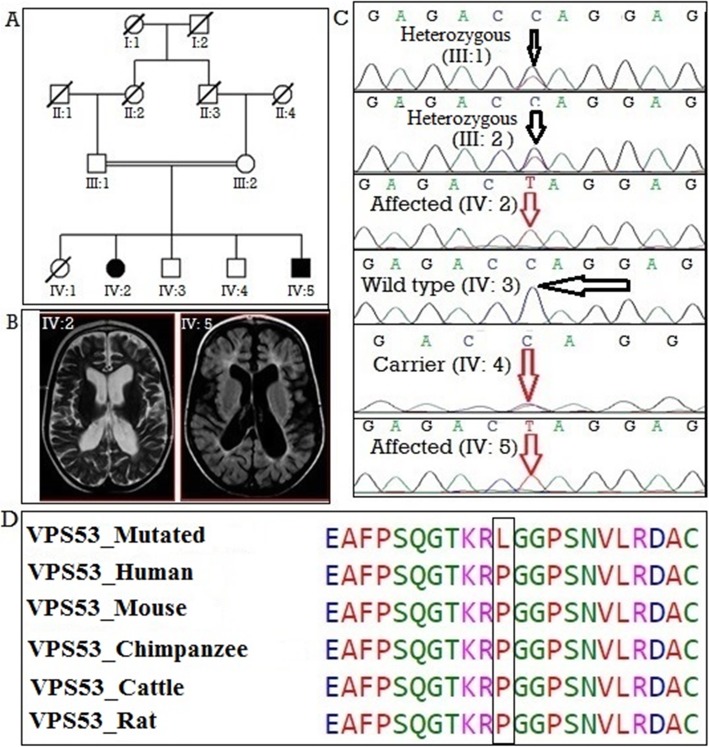
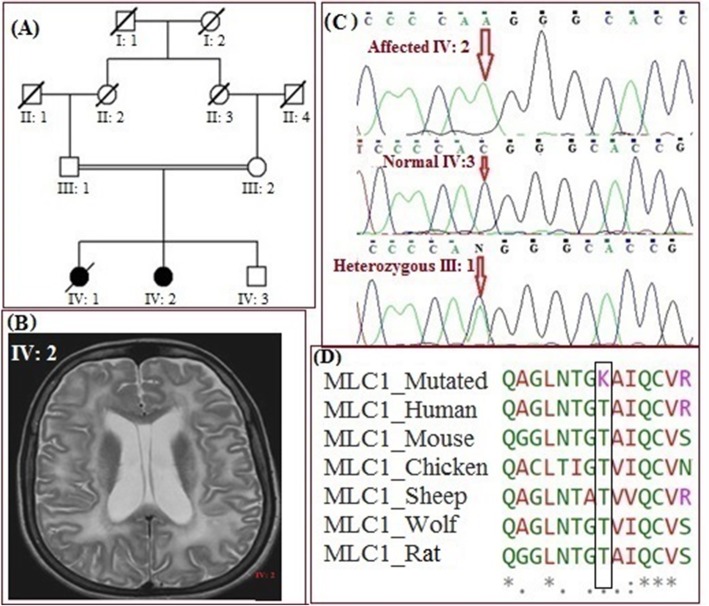
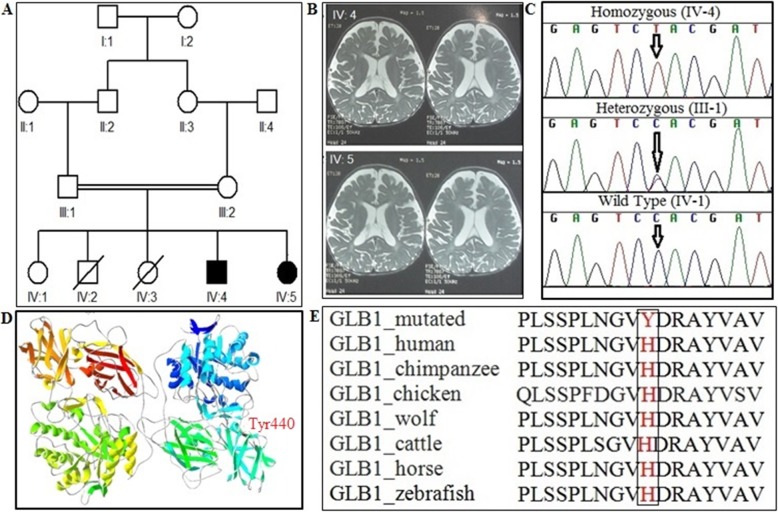
Rare pathogenic single nucleotide variants identified by WES which passed our filtering strategy were confirmed by traditional Sanger sequencing and segregation analysis. Novel and deleterious variants in VPS53, GLB1, and MLC1, genes previously associated with variable neurodevelopmental anomalies, were found to segregate with the disease in the three families.
This study expands our knowledge on the molecular basis of ID as well as the clinical heterogeneity associated to different rare genetic causes of neurodevelopmental disorders. This genetic study could also provide additional knowledge to help genetic assessment as well as clinical and social management of ID in Pakistani families.
智力障碍(ID)是一组临床表现多样且遗传异质性的疾病,其认知障碍始于 18 岁之前。ID 的特征是智力功能和适应行为存在显著限制。使用全外显子组测序(WES)鉴定导致 ID 和神经发育障碍的遗传变异已被证明是成功的。到目前为止,已有超过 1222 个原发性和 1127 个候选基因与 ID 相关。
为了确定三个无血缘关系的巴基斯坦家系中导致 ID 的致病性变异,我们使用了 WES、纯合子区域定位、去脱氧测序和生物信息学分析的组合。
通过 WES 鉴定出的罕见致病性单核苷酸变异,经过我们的过滤策略进行确认,通过传统的 Sanger 测序和分离分析进行确认。在三个家系中,发现了先前与可变神经发育异常相关的 VPS53、GLB1 和 MLC1 基因中的新型和有害变异与疾病共分离。
本研究扩展了我们对 ID 的分子基础以及与神经发育障碍的不同罕见遗传原因相关的临床异质性的认识。这项遗传研究还可以提供额外的知识,帮助对巴基斯坦家庭的 ID 进行遗传评估以及临床和社会管理。