Fornaro Michele, Giovannelli Alessia, Foggetti Angelica, Muratori Luisa, Geuna Stefano, Novajra Giorgia, Perroteau Isabelle
Department of Anatomy, College of Graduates Studies (CGS), Chicago College of Osteopathic Medicine (CCOM), Midwestern University, Downers Grove, IL, USA.
Department of Clinical and Biological Sciences, University of Turin, Torino, Italy.
Neural Regen Res. 2020 Sep;15(9):1732-1739. doi: 10.4103/1673-5374.276338.
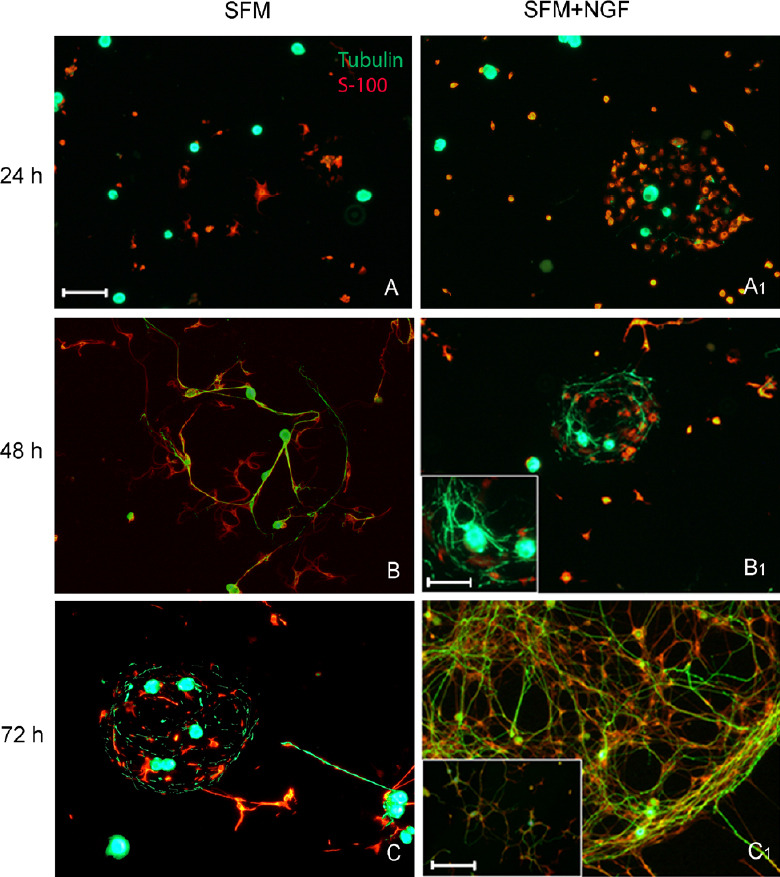
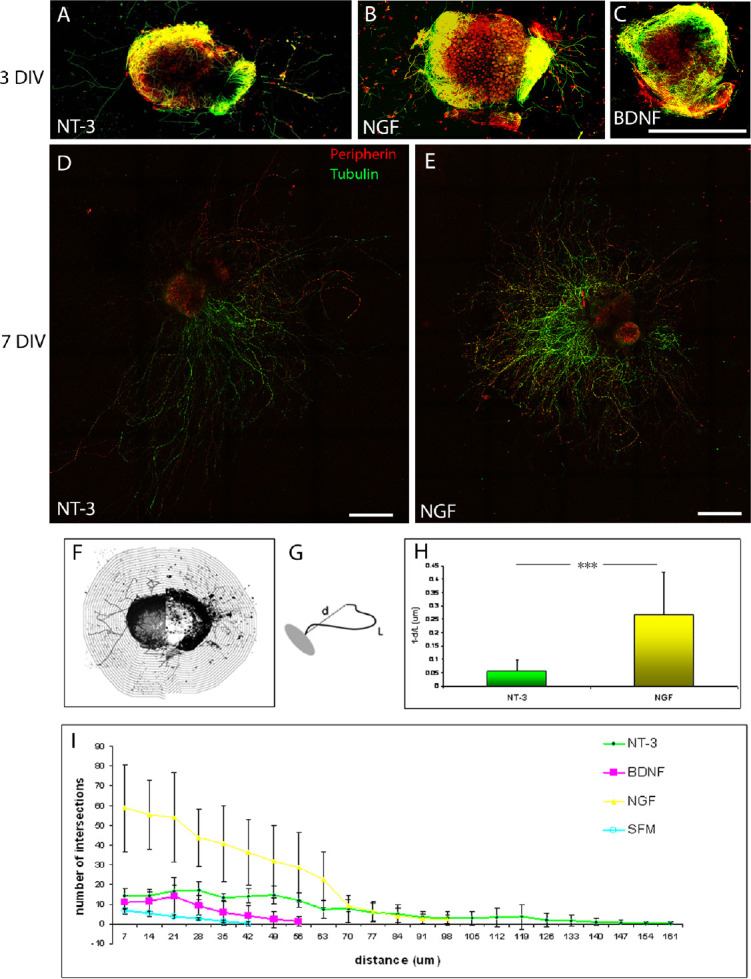
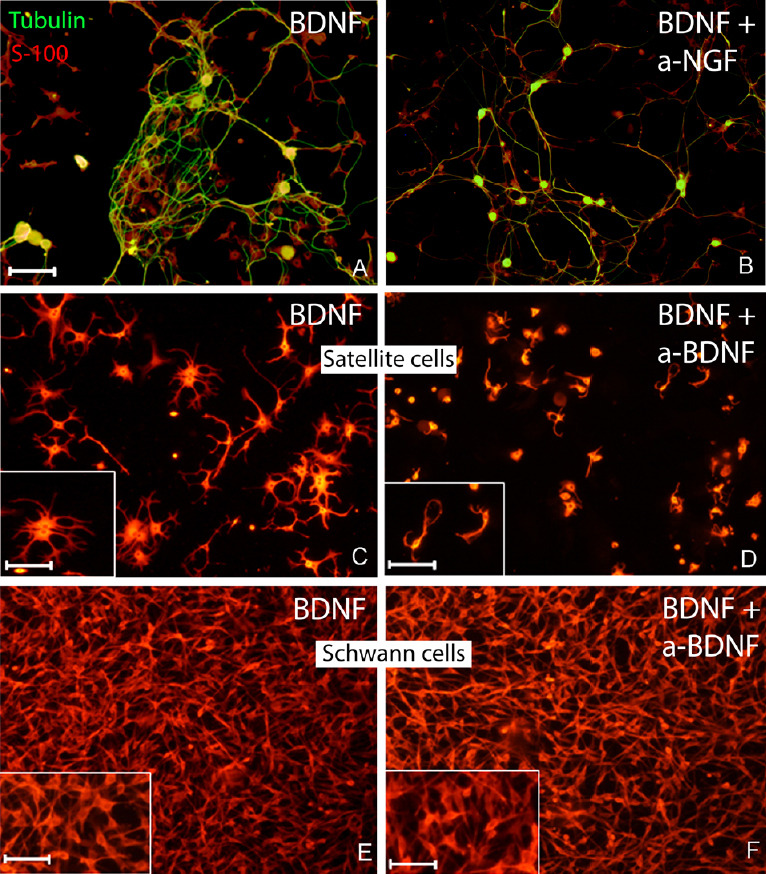
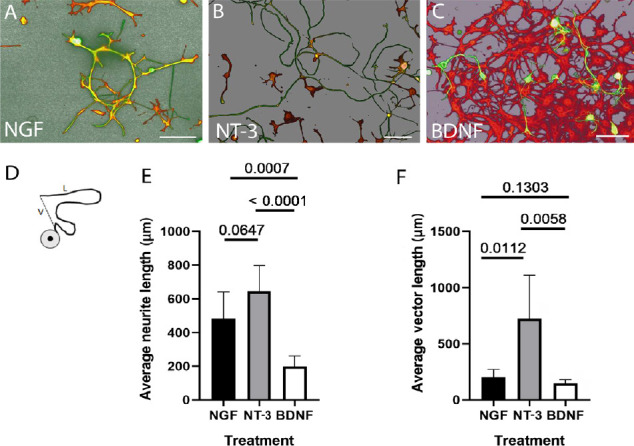
Neurotrophins play a major role in the regulation of neuronal growth such as neurite sprouting or regeneration in response to nerve injuries. The role of nerve growth factor, neurotrophin-3, and brain-derived neurotrophic factor in maintaining the survival of peripheral neurons remains poorly understood. In regenerative medicine, different modalities have been investigated for the delivery of growth factors to the injured neurons, in search of a suitable system for clinical applications. This study was to investigate the influence of nerve growth factor, neurotrophin-3 and brain-derived neurotrophic factor on the growth of neurites using two in vitro models of dorsal root ganglia explants and dorsal root ganglia-derived primary cell dissociated cultures. Quantitative data showed that the total neurite length and tortuosity were differently influenced by trophic factors. Nerve growth factor and, indirectly, brain-derived neurotrophic factor stimulate the tortuous growth of sensory fibers and the formation of cell clusters. Neurotrophin-3, however, enhances neurite growth in terms of length and linearity allowing for a more organized and directed axonal elongation towards a peripheral target compared to the other growth factors. These findings could be of considerable importance for any clinical application of neurotrophic factors in peripheral nerve regeneration. Ethical approval was obtained from the Regione Piemonte Animal Ethics Committee ASLTO1 (file # 864/2016-PR) on September 14, 2016.
神经营养因子在调节神经元生长中发挥着重要作用,如神经突萌发或对神经损伤作出反应时的再生。神经生长因子、神经营养因子-3和脑源性神经营养因子在维持外周神经元存活方面的作用仍知之甚少。在再生医学中,人们研究了不同的方式来将生长因子递送至受损神经元,以寻找适合临床应用的系统。本研究旨在利用背根神经节外植体和背根神经节来源的原代细胞解离培养这两种体外模型,研究神经生长因子、神经营养因子-3和脑源性神经营养因子对神经突生长的影响。定量数据表明,营养因子对神经突总长度和曲折度的影响各不相同。神经生长因子以及间接的脑源性神经营养因子刺激感觉纤维的曲折生长和细胞簇的形成。然而,与其他生长因子相比,神经营养因子-3在长度和线性方面促进神经突生长,使轴突能更有序、更有方向地向外周靶点延伸。这些发现对于神经营养因子在周围神经再生中的任何临床应用可能具有相当重要的意义。2016年9月14日,获得了皮埃蒙特大区动物伦理委员会ASLTO1(文件编号864/2016-PR)的伦理批准。