Bigoni D, Cavuoto R, Misseroni D, Paggi M, Ruffini A, Sprio S, Tampieri A
DICAM, University of Trento, Via Mesiano 77, Trento, Italy.
IMT School for Advanced Studies Lucca, Italy.
Mater Today Bio. 2019 Oct 24;5:100032. doi: 10.1016/j.mtbio.2019.100032. eCollection 2020 Jan.
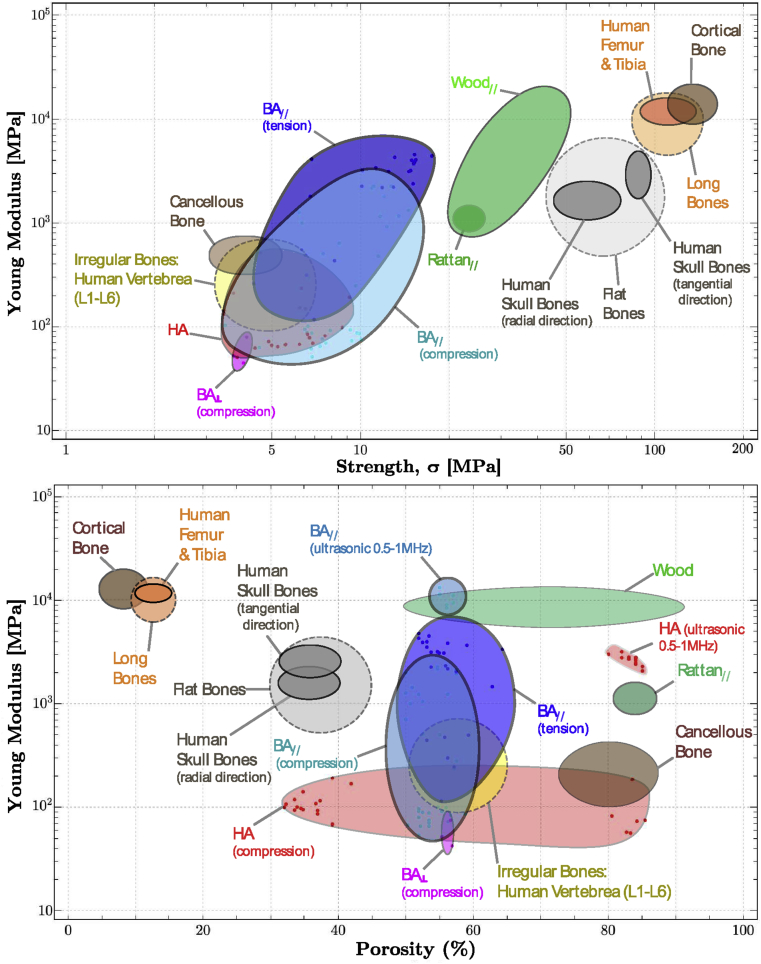
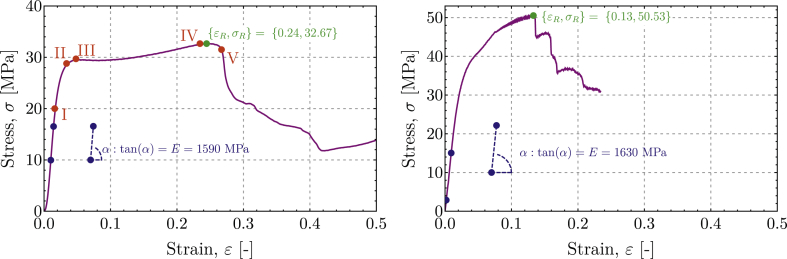
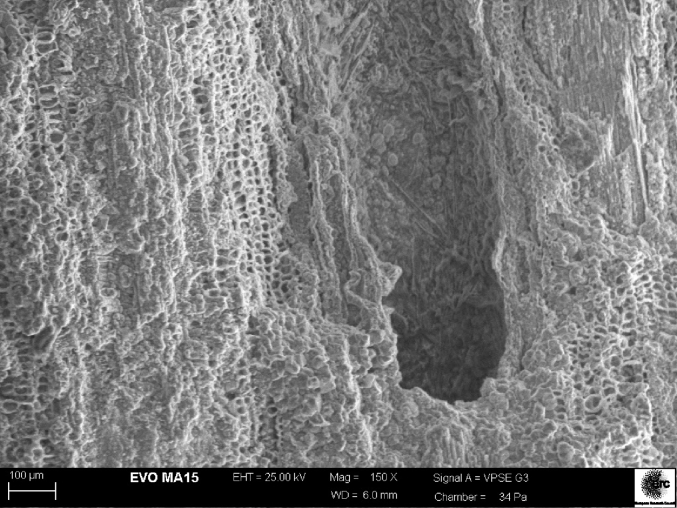
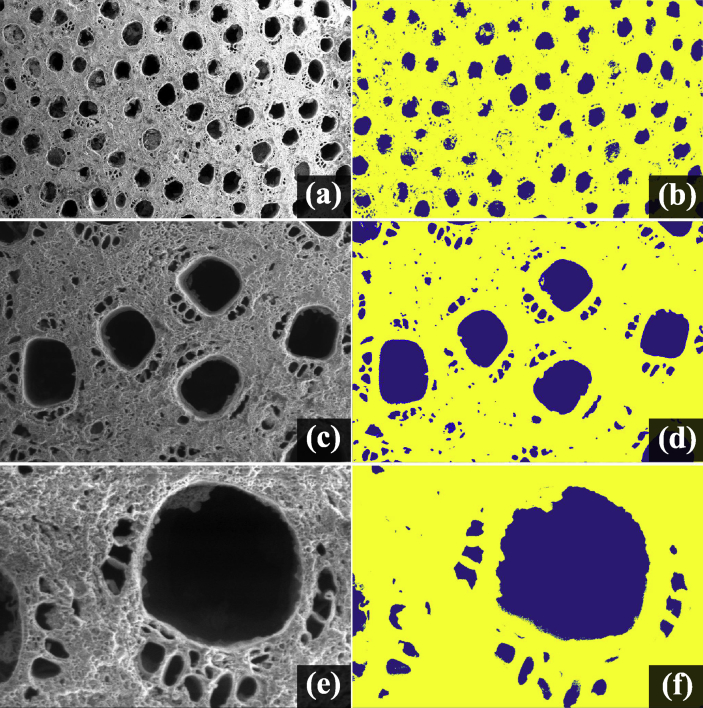
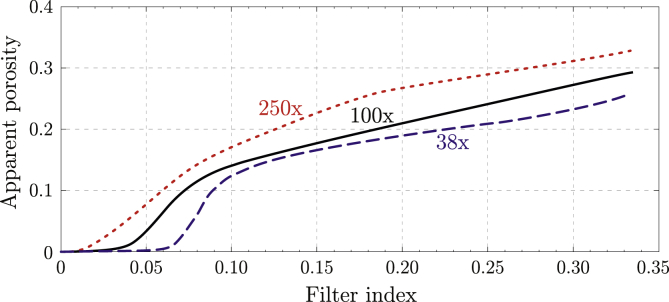
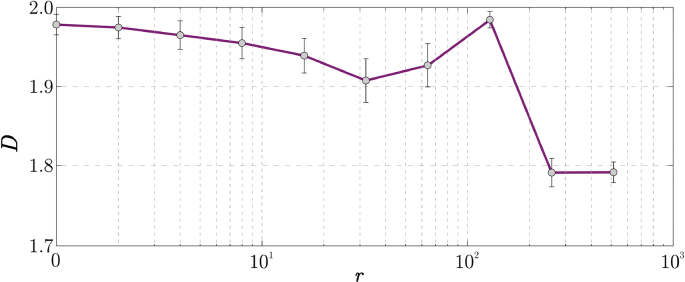
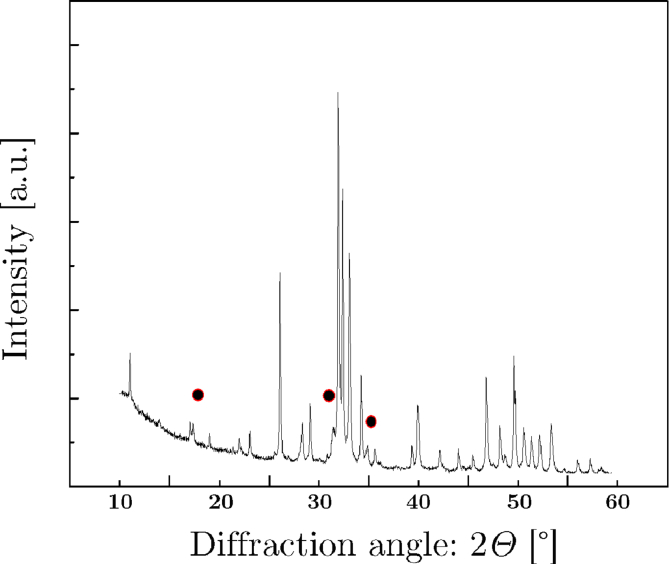
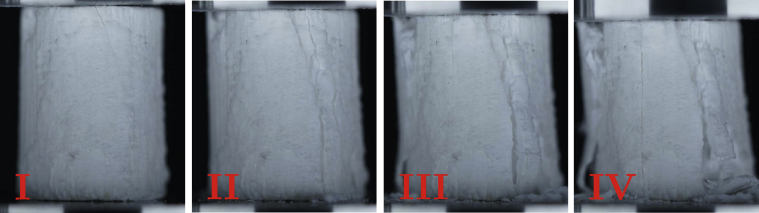
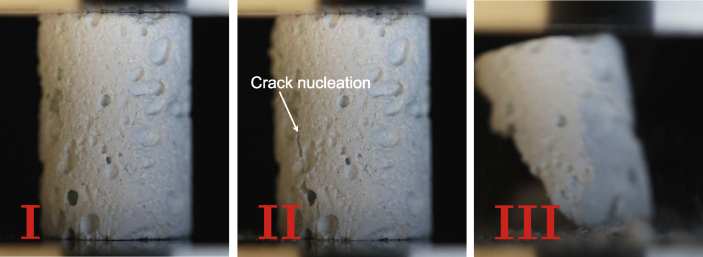
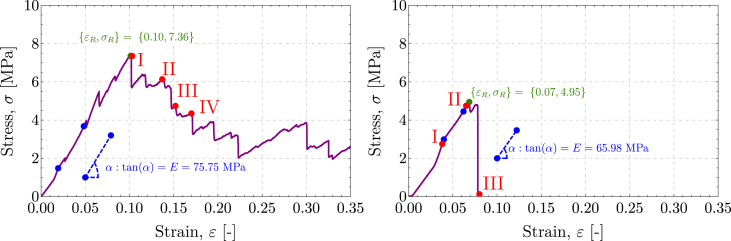
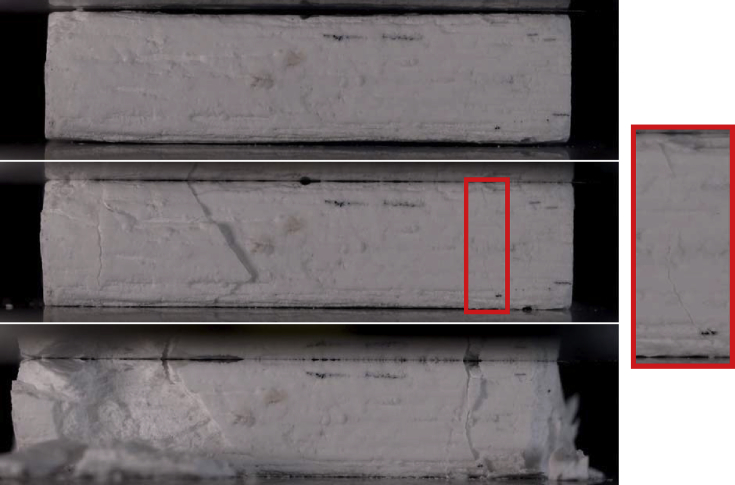
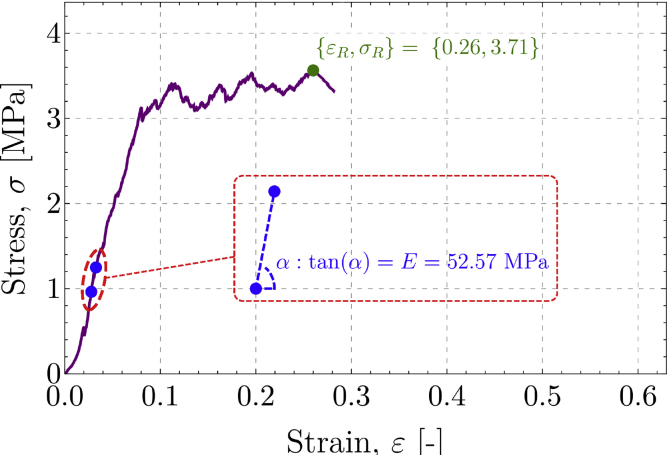
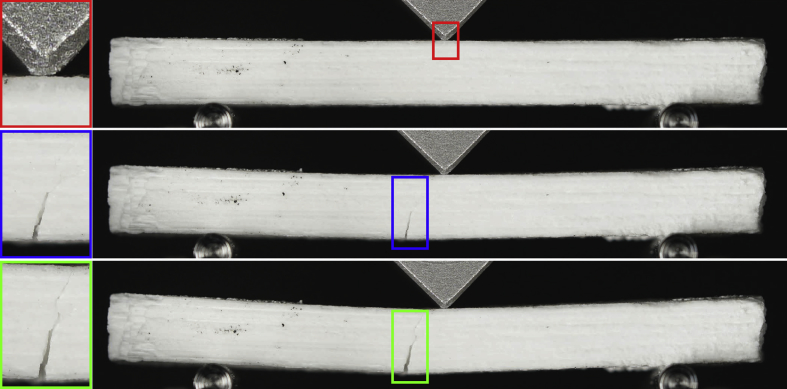
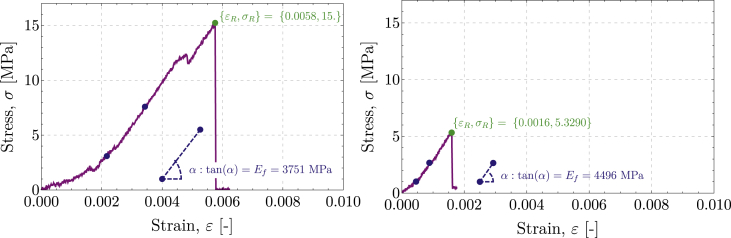
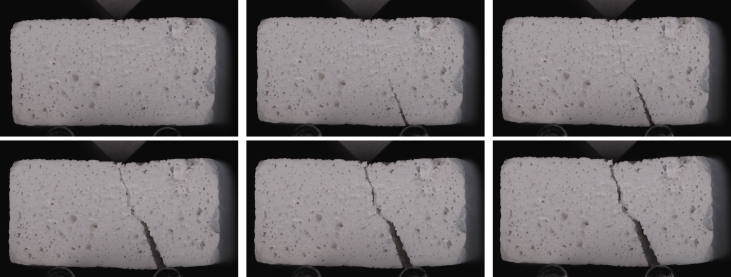
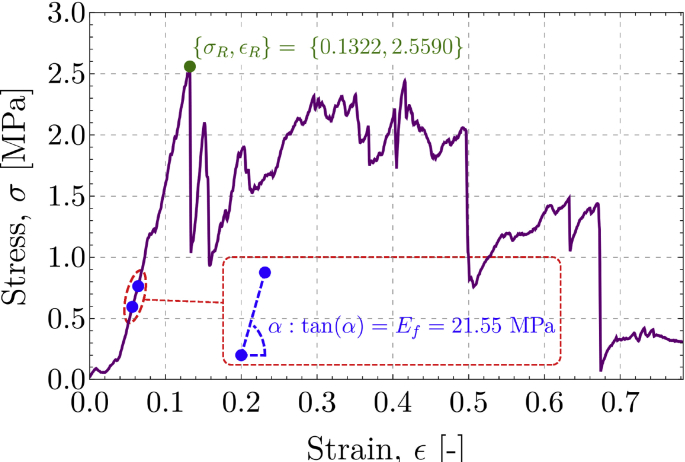
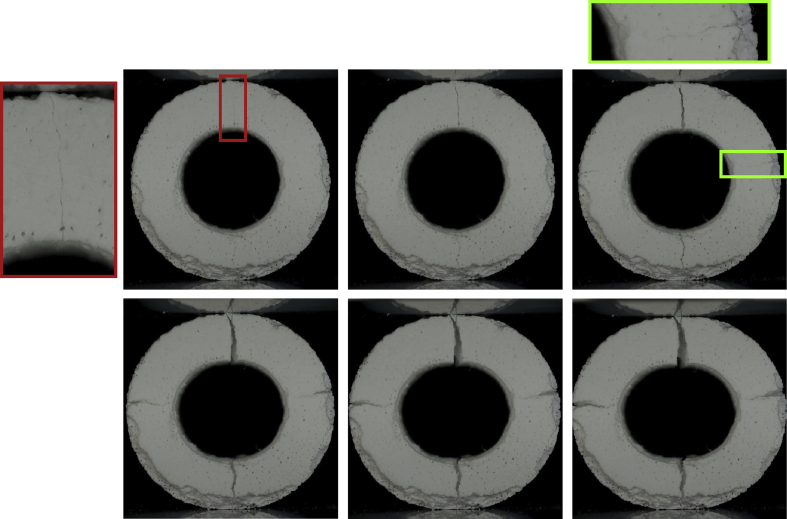
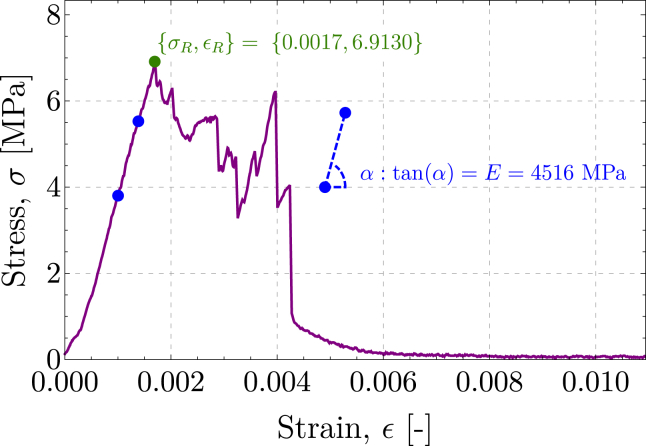
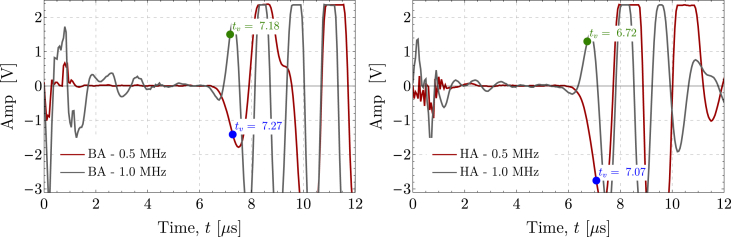
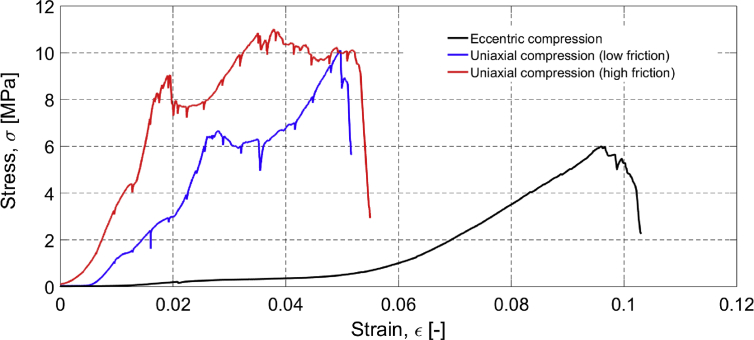
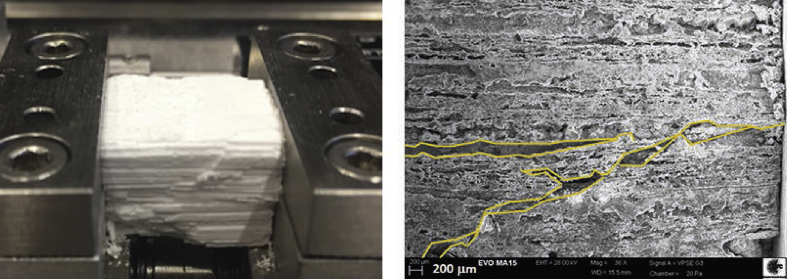
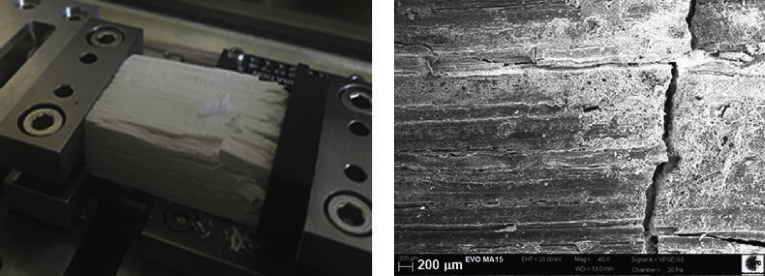
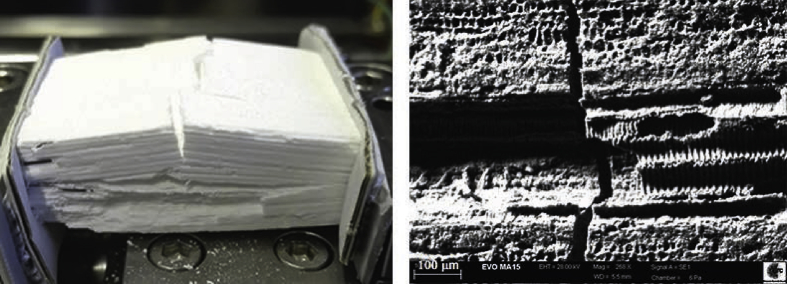
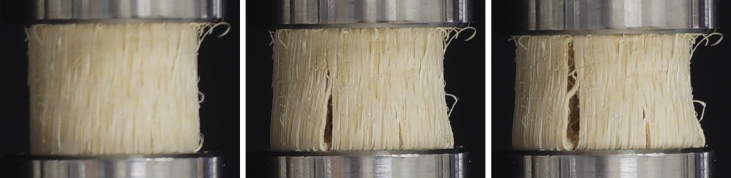
In an attempt to mimic the outstanding mechanical properties of wood and bone, a 3D heterogeneous chemistry approach has been used in a biomorphic transformation process (in which sintering is avoided) to fabricate ceramics from rattan wood, preserving its hierarchical fibrous microstructure. The resulting material (called biomorphic apatite [BA] henceforth) possesses a highly bioactive composition and is characterised by a multiscale hierarchical pore structure, based on nanotwinned hydroxyapatite lamellae, which is shown to display a lacunar fractal nature. The mechanical properties of BA are found to be exceptional (when compared with usual porous hydroxyapatite and other ceramics obtained from wood through sintering) and unique as they occupy a zone in the Ashby map previously free from ceramics, but not far from wood and bone. Mechanical tests show the following: (i) the strength in tension may exceed that in compression, (ii) failure in compression involves complex exfoliation patterns, thus resulting in high toughness, (iii) unlike in sintered porous hydroxyapatite, fracture does not occur 'instantaneously,' but its growth may be observed, and it exhibits tortuous patterns that follow the original fibrillar structure of wood, thus yielding outstanding toughness, (iv) the anisotropy of the elastic stiffness and strength show unprecedented values when situations of stresses parallel and orthogonal to the main channels are compared. Despite being a ceramic material, BA displays a mechanical behavior similar on the one hand to the ligneous material from which it was produced (therefore behaving as a 'ceramic with the signature of wood') and on the other hand to the cortical/spongy osseous complex constituting the structure of compact bone.
为了模仿木材和骨骼出色的力学性能,在生物形态转变过程(避免烧结)中采用了一种三维非均相化学方法,用藤木制备陶瓷,同时保留其分层纤维微观结构。所得材料(此后称为生物形态磷灰石[BA])具有高生物活性成分,其特征在于基于纳米孪晶羟基磷灰石薄片的多尺度分层孔隙结构,显示出腔隙分形性质。研究发现,BA的力学性能非常出色(与普通多孔羟基磷灰石以及通过烧结从木材获得的其他陶瓷相比)且独特,因为它们在阿什比图中占据了一个以前没有陶瓷的区域,但离木材和骨骼不远。力学测试表明:(i)拉伸强度可能超过压缩强度;(ii)压缩破坏涉及复杂的剥落模式,从而导致高韧性;(iii)与烧结多孔羟基磷灰石不同,断裂不是“瞬间”发生的,而是可以观察到其扩展,并且呈现出遵循木材原始纤维结构的曲折模式,从而产生出色的韧性;(iv)当比较平行和垂直于主要通道的应力情况时,弹性刚度和强度的各向异性显示出前所未有的值。尽管BA是一种陶瓷材料,但它一方面表现出与制备它的木质材料相似的力学行为(因此表现为“具有木材特征的陶瓷”),另一方面表现出与构成致密骨结构的皮质/海绵状骨复合体相似的力学行为。