Hanemann Thomas, Syperek Diana, Nötzel Dorit
Institute for Applied Materials, Karlsruhe Institute of Technology, D-76344 Eggenstein-Leopoldshafen, Germany.
Department of Microsystems Engineering, University Freiburg, D-79110 Freiburg, Germany.
Materials (Basel). 2020 Mar 24;13(6):1481. doi: 10.3390/ma13061481.
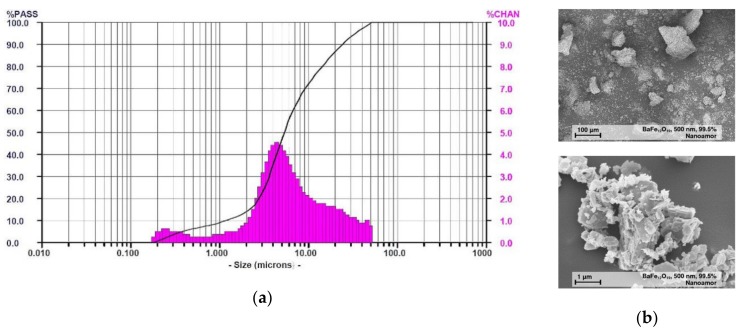
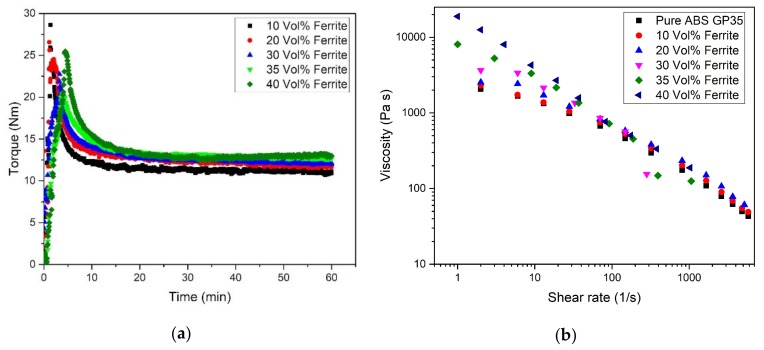
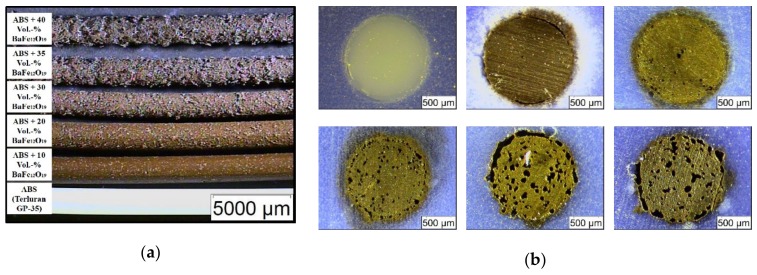
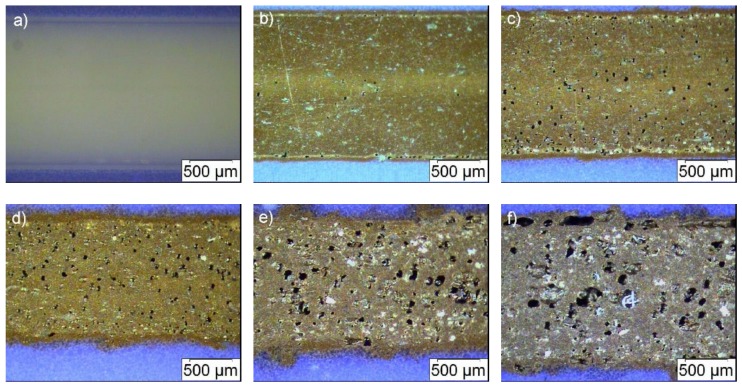
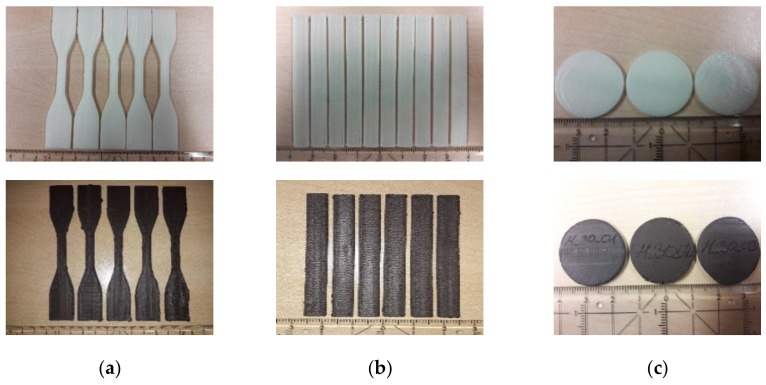
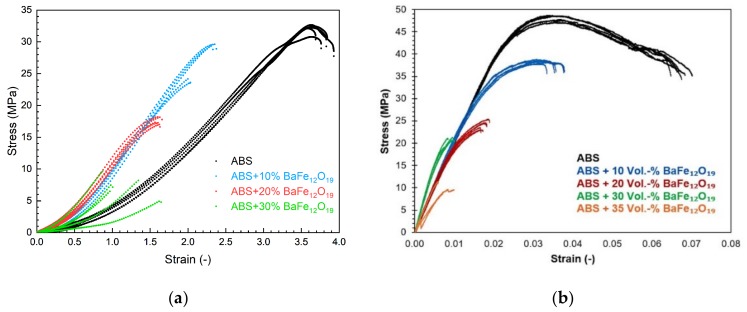
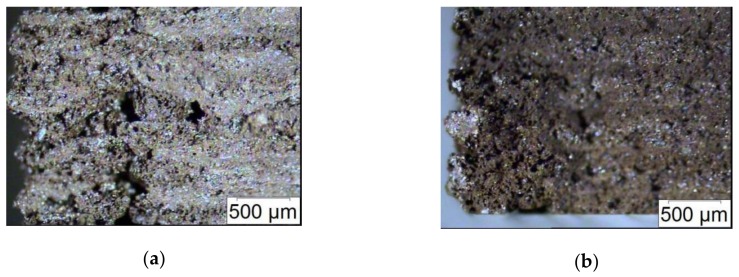
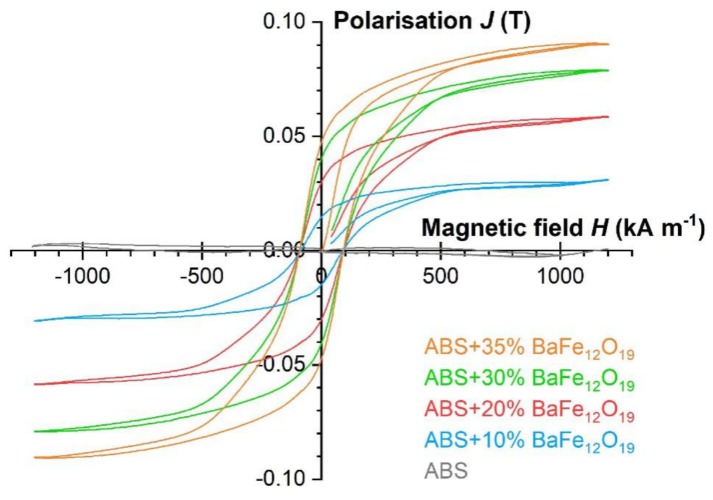
In this work, a process for the realization of new polymer matrix composites with nanosized barium ferrite (BaFeO) as ferrimagnetic filler, acryl butadiene styrene (ABS) as polymer matrix and an extrusion-based method, namely fused filament fabrication (FFF), as 3D printing method will be described comprehensively. The whole process consists of the individual steps material compounding, rheological testing, filament extrusion, 3D-printing via FFF and finally a widespread specimen characterization regarding to appearance, mechanical properties like tensile and bending behavior as well as the aspired magnetic properties. Increasing ferrite amounts up to 40 vol.% (equal 76 wt.%) cause a reduction of the ultimate stress and an increase of the magnetic polarization as well as of the energy product (BH) in comparison to the pure polymer matrix. In addition, an extensive discussion of typical printing defects and their consequences on the device properties will be undertaken.
在本工作中,将全面描述一种制备新型聚合物基复合材料的工艺,该复合材料以纳米尺寸的钡铁氧体(BaFeO)作为亚铁磁性填料、丙烯腈-丁二烯-苯乙烯共聚物(ABS)作为聚合物基体,并采用基于挤出的方法,即熔融长丝制造(FFF)作为3D打印方法。整个过程包括材料复合、流变学测试、长丝挤出、通过FFF进行3D打印以及最后对外观、拉伸和弯曲行为等力学性能以及期望的磁性能进行广泛的试样表征等各个步骤。与纯聚合物基体相比,将铁氧体含量增加至40体积%(相当于76重量%)会导致极限应力降低,同时磁极化以及能量积(BH)增加。此外,还将对典型的打印缺陷及其对器件性能的影响进行广泛讨论。