Max Perutz Labs, Medical University of Vienna, Vienna Biocenter Campus (VBC), Vienna, Austria.
Department of Biochemistry and Molecular Biology, Center for Eukaryotic Gene Regulation, Pennsylvania State University, University Park, PA, USA.
Nature. 2020 Mar;579(7800):592-597. doi: 10.1038/s41586-020-2097-z. Epub 2020 Mar 11.
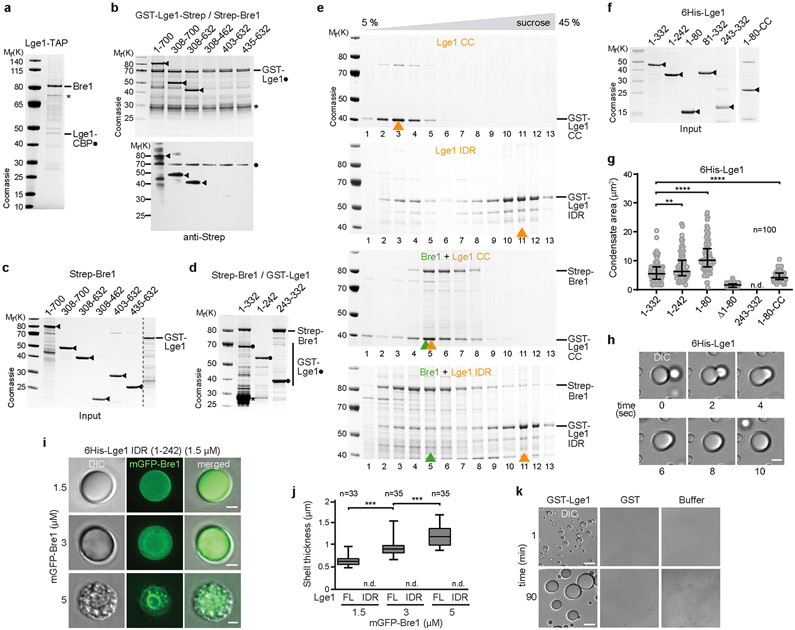
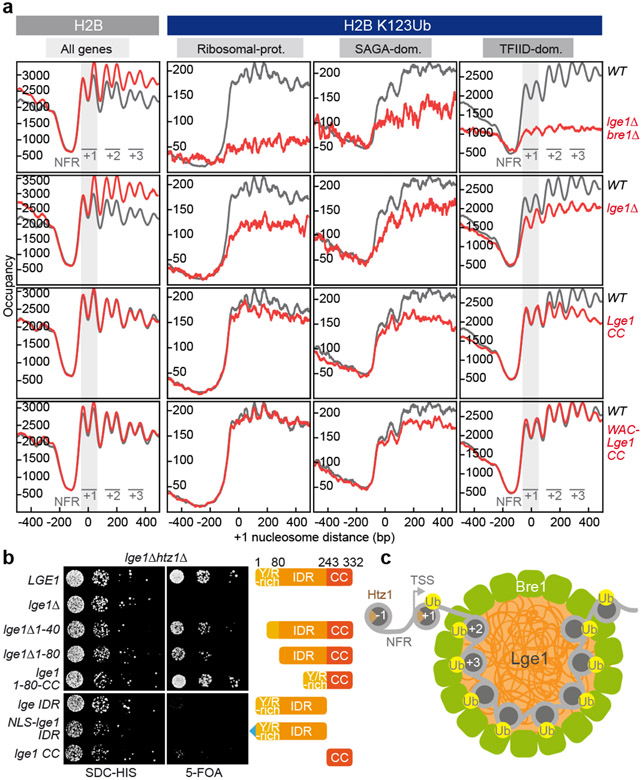
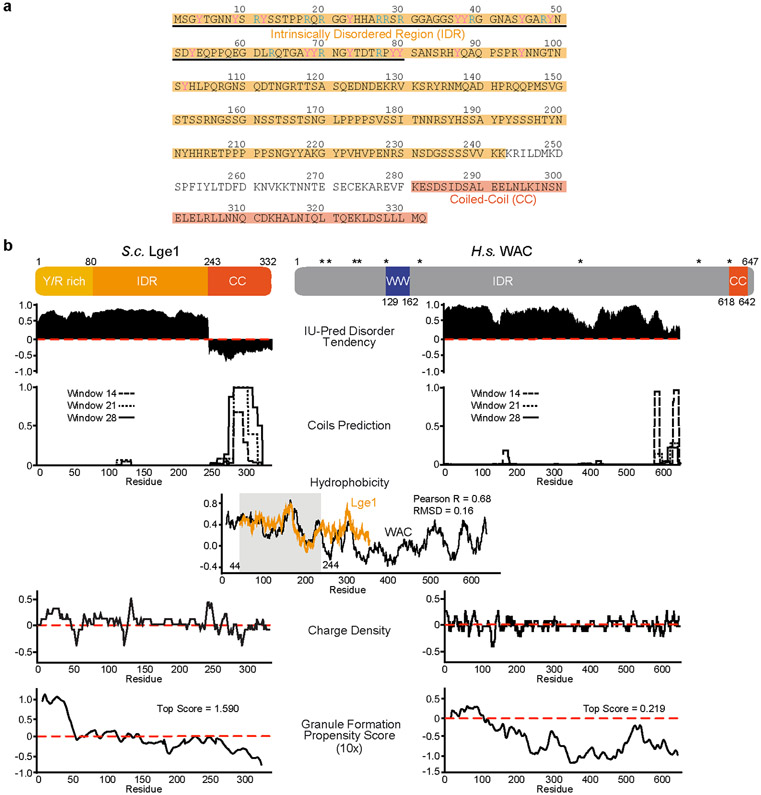
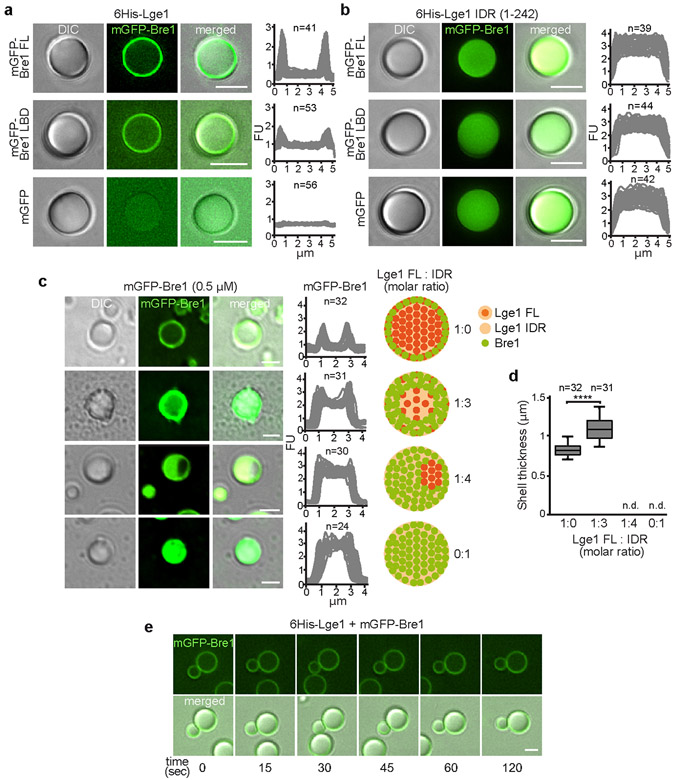
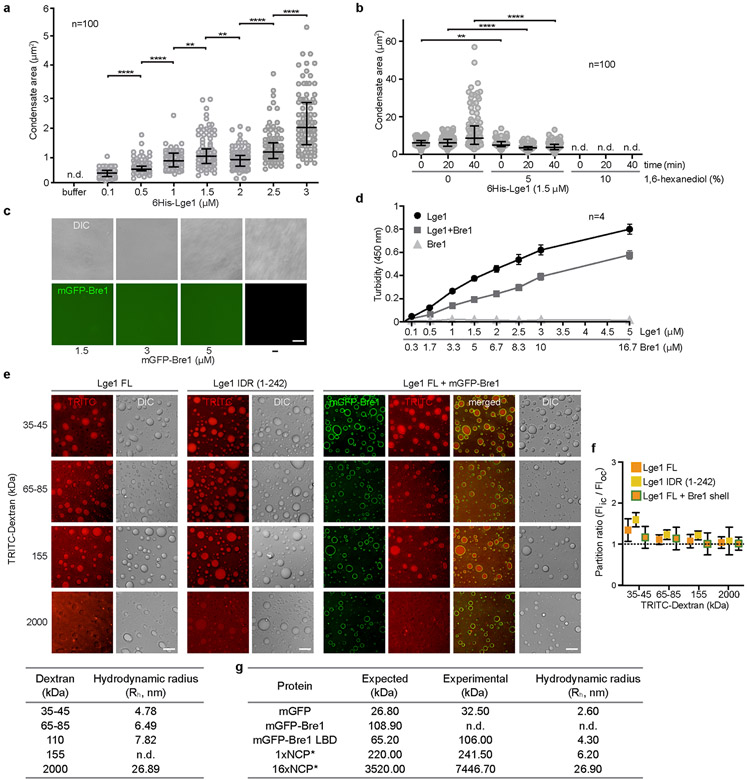
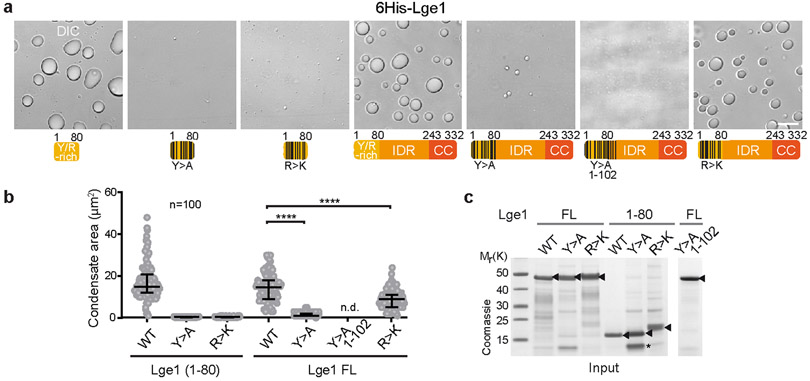
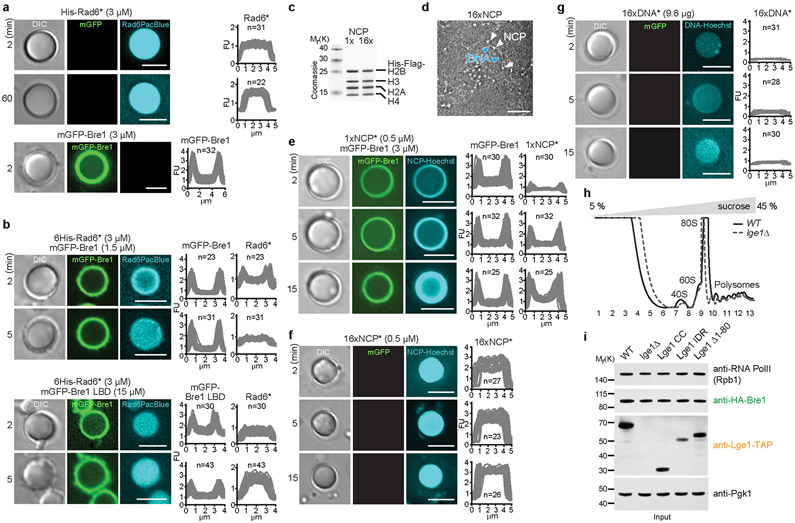
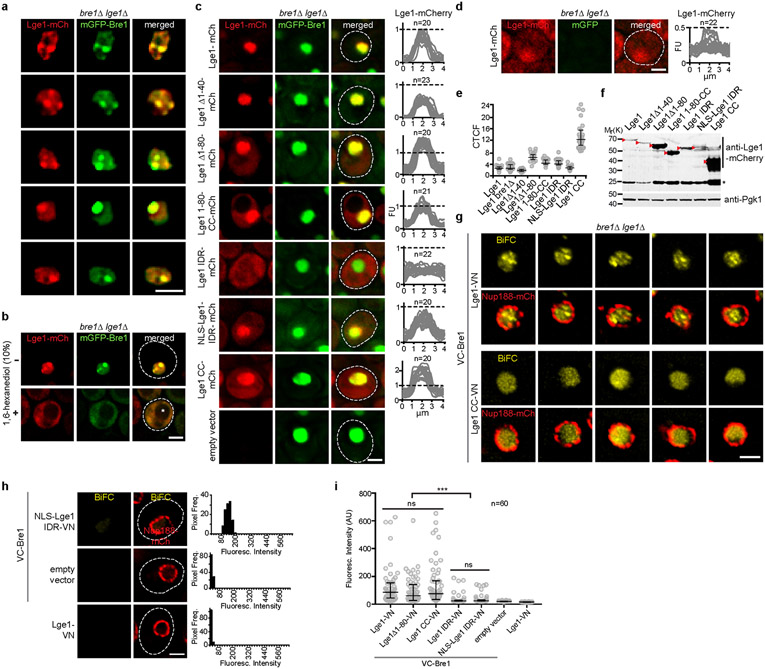
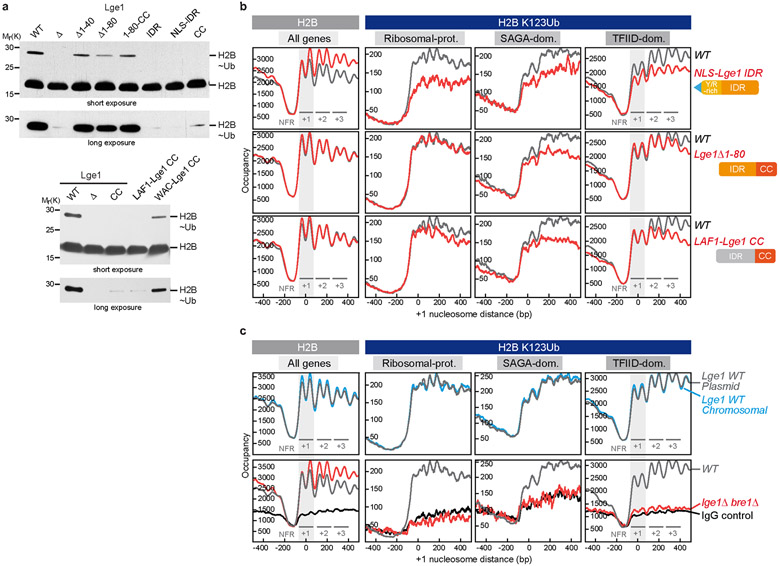
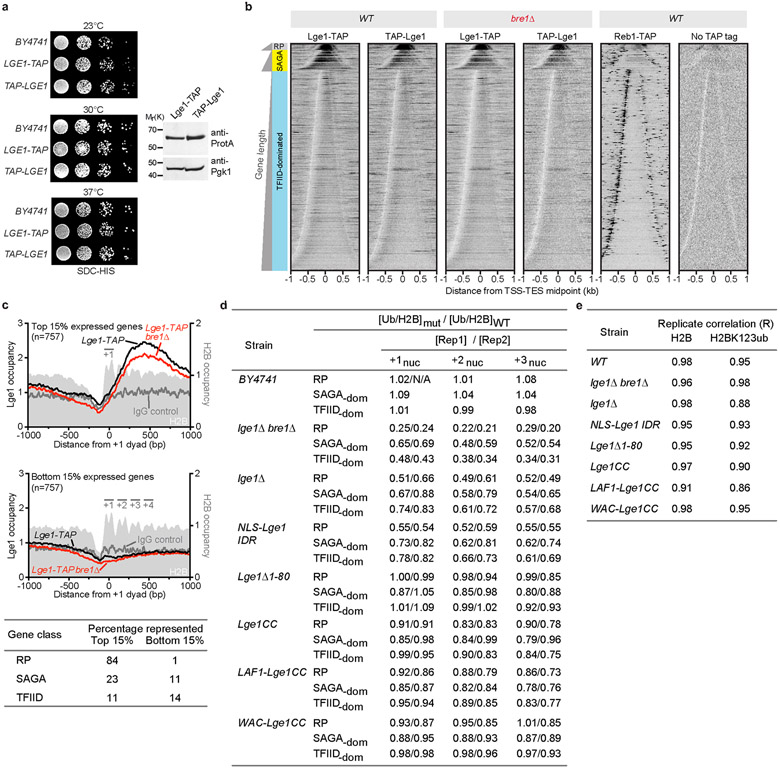
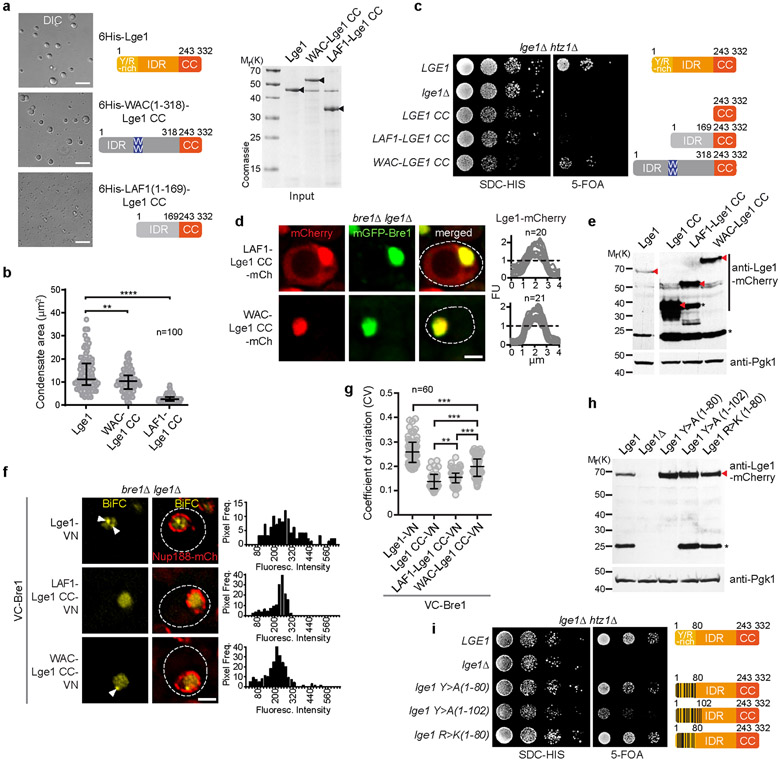
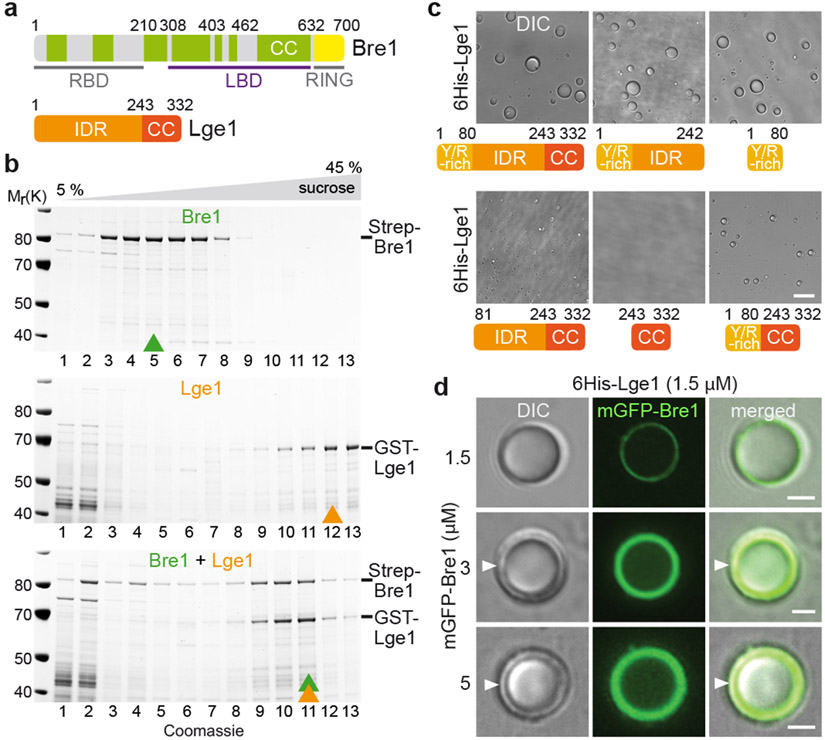
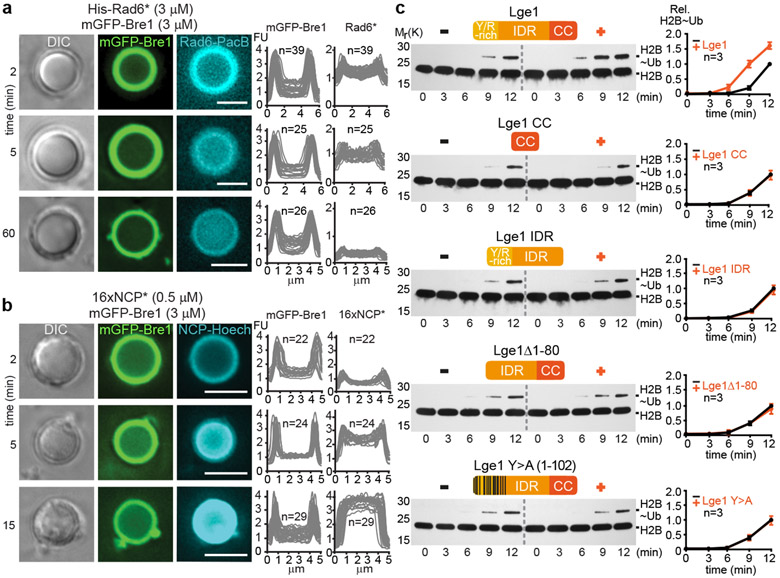
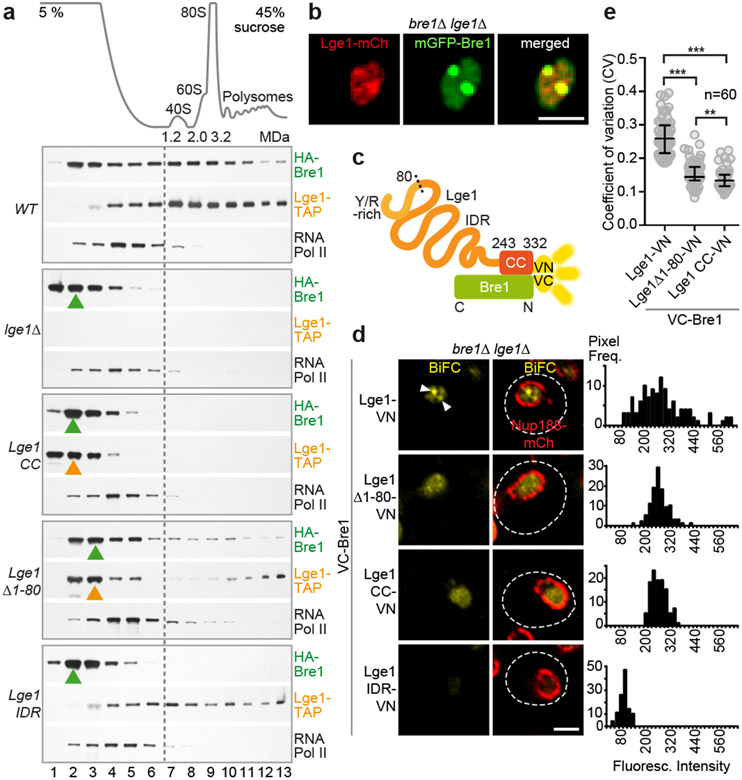
The conserved yeast E3 ubiquitin ligase Bre1 and its partner, the E2 ubiquitin-conjugating enzyme Rad6, monoubiquitinate histone H2B across gene bodies during the transcription cycle. Although processive ubiquitination might-in principle-arise from Bre1 and Rad6 travelling with RNA polymerase II, the mechanism of H2B ubiquitination across genic nucleosomes remains unclear. Here we implicate liquid-liquid phase separation as the underlying mechanism. Biochemical reconstitution shows that Bre1 binds the scaffold protein Lge1, which possesses an intrinsically disordered region that phase-separates via multivalent interactions. The resulting condensates comprise a core of Lge1 encapsulated by an outer catalytic shell of Bre1. This layered liquid recruits Rad6 and the nucleosomal substrate, which accelerates the ubiquitination of H2B. In vivo, the condensate-forming region of Lge1 is required to ubiquitinate H2B in gene bodies beyond the +1 nucleosome. Our data suggest that layered condensates of histone-modifying enzymes generate chromatin-associated 'reaction chambers', with augmented catalytic activity along gene bodies. Equivalent processes may occur in human cells, and cause neurological disease when impaired.
保守的酵母 E3 泛素连接酶 Bre1 及其伴侣 E2 泛素缀合酶 Rad6,在转录周期中沿基因体对组蛋白 H2B 进行单泛素化。虽然从理论上讲,Bre1 和 Rad6 与 RNA 聚合酶 II 一起移动可能会产生连续的泛素化,但组蛋白 H2B 在基因核小体上的泛素化机制仍不清楚。在这里,我们暗示液-液相分离是潜在的机制。生化重构表明 Bre1 结合支架蛋白 Lge1,Lge1 具有通过多价相互作用相分离的固有无序区域。由此产生的凝聚体包含由 Bre1 的外催化壳封装的 Lge1 核心。这种分层液体募集 Rad6 和核小体底物,从而加速 H2B 的泛素化。在体内,Lge1 的凝聚形成区域需要在 +1 核小体之外的基因体中对 H2B 进行泛素化。我们的数据表明,组蛋白修饰酶的分层凝聚物生成与染色质相关的“反应室”,沿基因体增加催化活性。在人类细胞中可能会发生类似的过程,而当该过程受损时则会导致神经疾病。