Université de Strasbourg, Strasbourg, France.
Inserm, U1110, Institut de Recherche sur les Maladies Virales et Hépatiques, Strasbourg, France.
Gut. 2021 Jan;70(1):157-169. doi: 10.1136/gutjnl-2019-318918. Epub 2020 Mar 26.
Hepatocellular carcinoma (HCC) is the fastest-growing cause of cancer-related mortality with chronic viral hepatitis and non-alcoholic steatohepatitis (NASH) as major aetiologies. Treatment options for HCC are unsatisfactory and chemopreventive approaches are absent. Chronic hepatitis C (CHC) results in epigenetic alterations driving HCC risk and persisting following cure. Here, we aimed to investigate epigenetic modifications as targets for liver cancer chemoprevention.
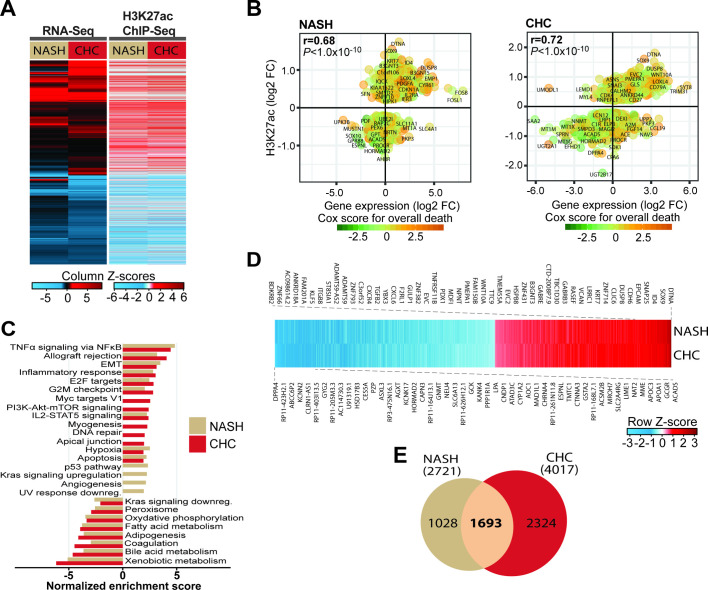
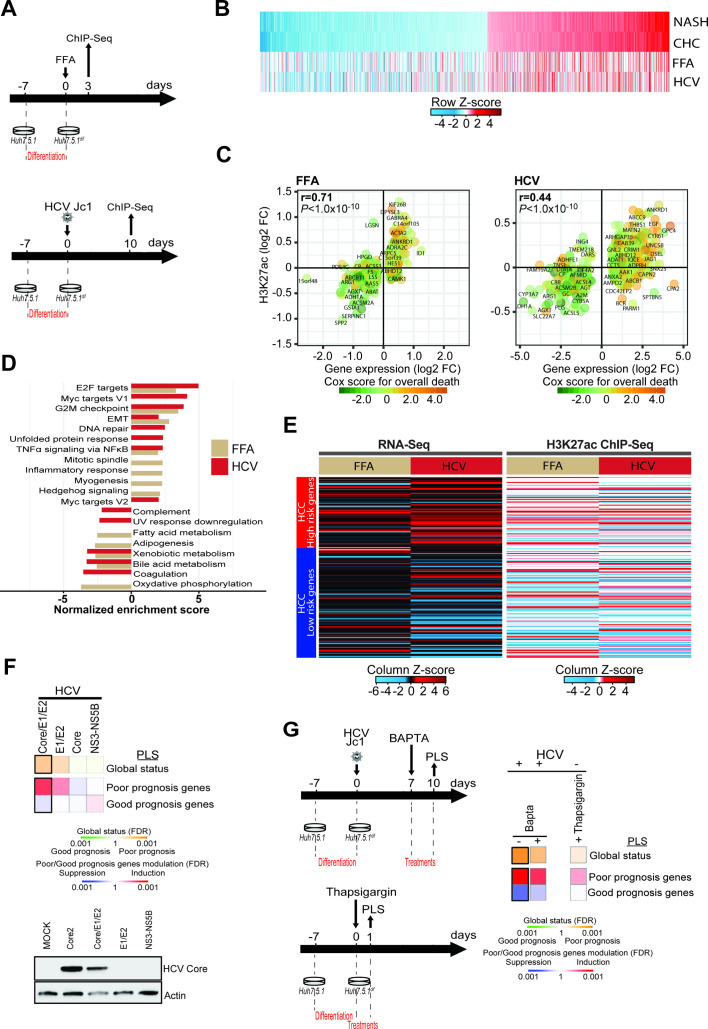
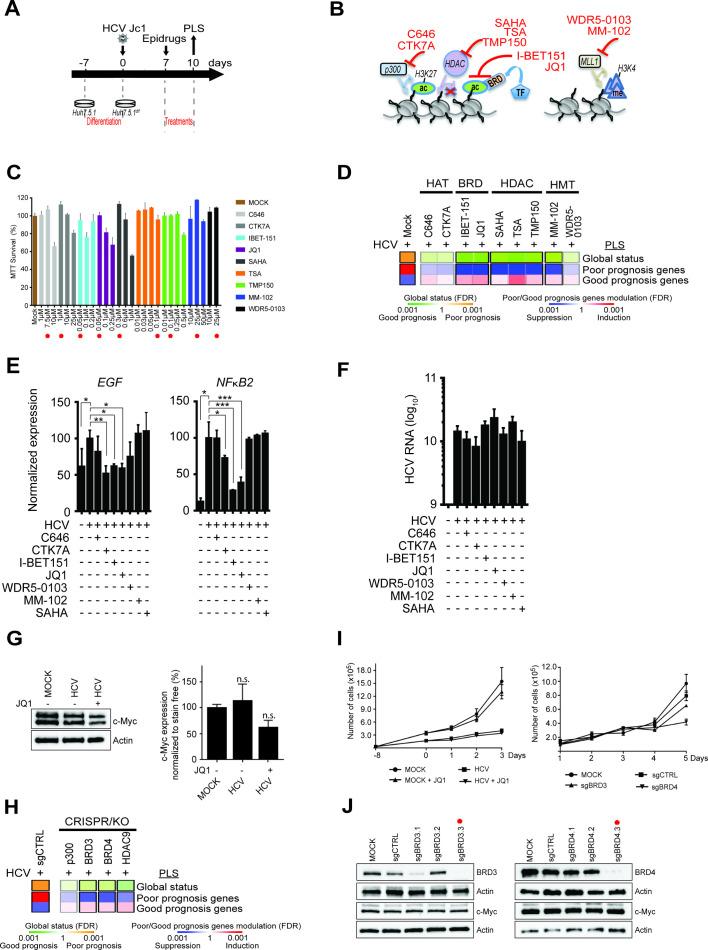
Liver tissues from patients with NASH and CHC were analysed by ChIP-Seq (H3K27ac) and RNA-Seq. The liver disease-specific epigenetic and transcriptional reprogramming in patients was modelled in a liver cell culture system. Perturbation studies combined with a targeted small molecule screen followed by i and validation were used to identify chromatin modifiers and readers for HCC chemoprevention.
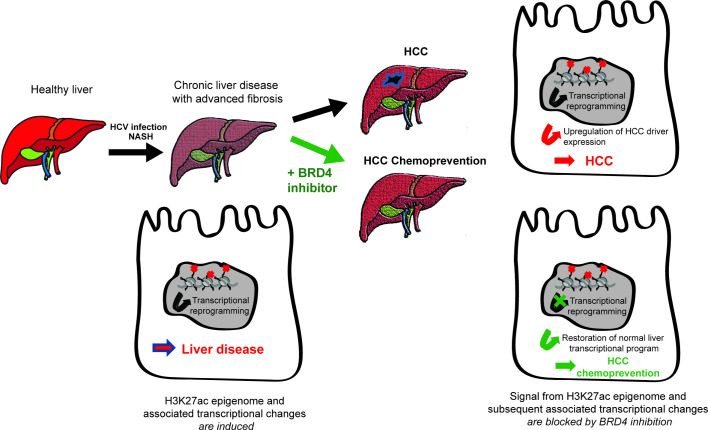
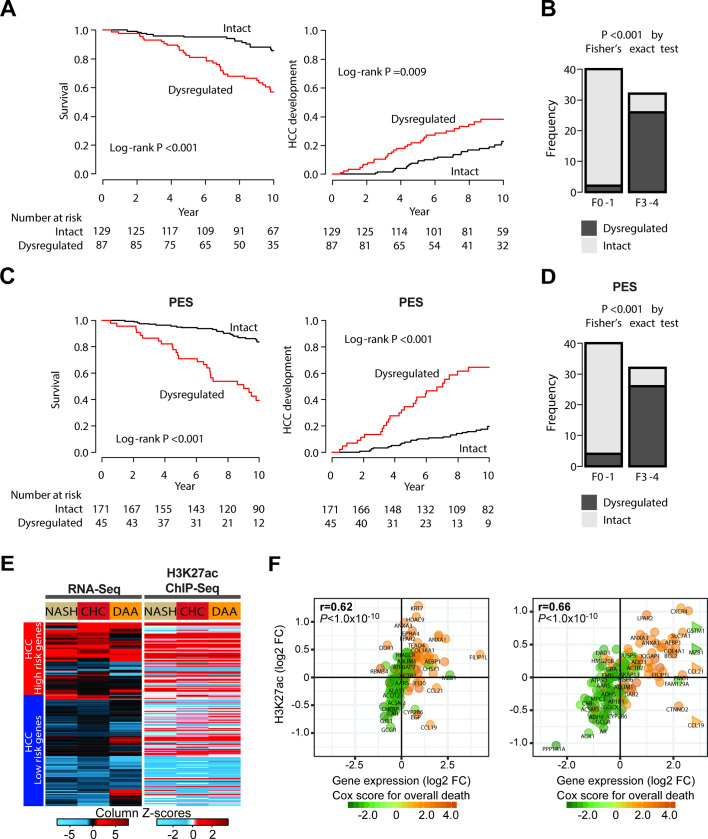
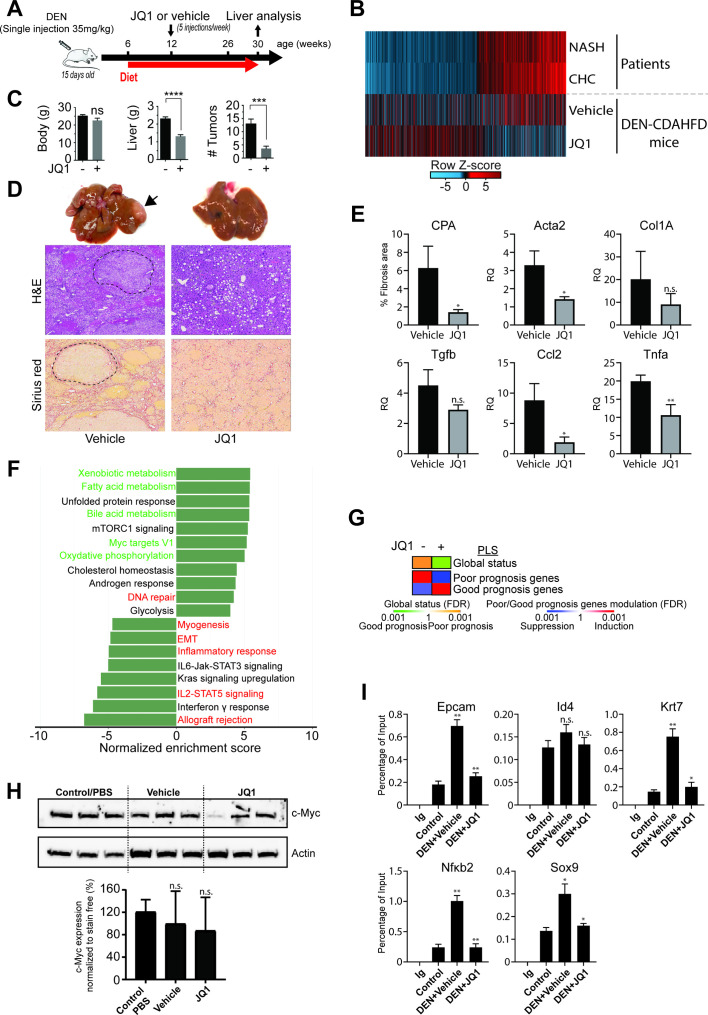
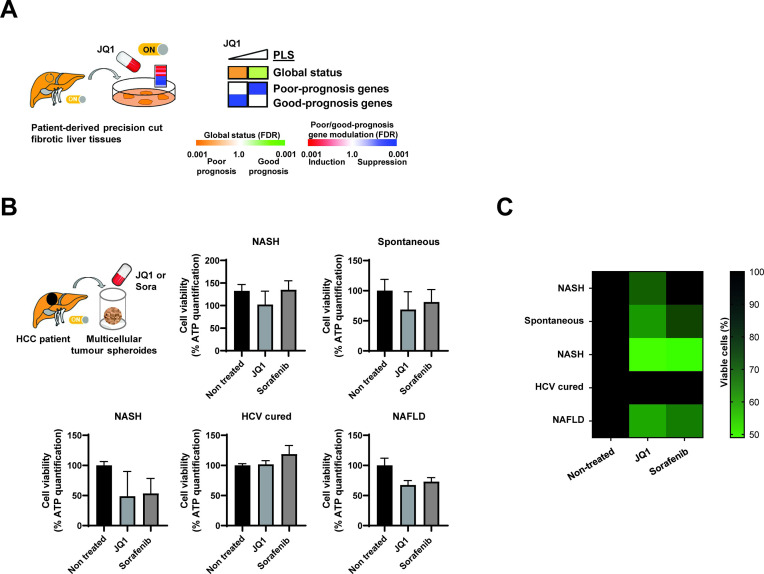
In patients, CHC and NASH share similar epigenetic and transcriptomic modifications driving cancer risk. Using a cell-based system modelling epigenetic modifications in patients, we identified chromatin readers as targets to revert liver gene transcription driving clinical HCC risk. Proof-of-concept studies in a NASH-HCC mouse model showed that the pharmacological inhibition of chromatin reader bromodomain 4 inhibited liver disease progression and hepatocarcinogenesis by restoring transcriptional reprogramming of the genes that were epigenetically altered in patients.
Our results unravel the functional relevance of metabolic and virus-induced epigenetic alterations for pathogenesis of HCC development and identify chromatin readers as targets for chemoprevention in patients with chronic liver diseases.
肝细胞癌 (HCC) 是癌症相关死亡率增长最快的原因,其主要病因包括慢性病毒性肝炎和非酒精性脂肪性肝炎 (NASH)。HCC 的治疗选择并不令人满意,也缺乏化学预防方法。慢性丙型肝炎 (CHC) 导致表观遗传改变,增加 HCC 风险,并在治愈后持续存在。在这里,我们旨在研究表观遗传修饰作为肝癌化学预防的靶点。
通过 ChIP-Seq (H3K27ac) 和 RNA-Seq 分析 NASH 和 CHC 患者的肝组织。在肝细胞培养系统中对患者的肝脏疾病特异性表观遗传和转录重编程进行建模。通过扰动研究结合靶向小分子筛选,随后进行体内和验证,鉴定用于 HCC 化学预防的染色质修饰剂和阅读器。
在患者中,CHC 和 NASH 具有相似的表观遗传和转录组修饰,从而驱动癌症风险。使用基于细胞的系统模拟患者中的表观遗传修饰,我们确定了染色质阅读器作为逆转驱动临床 HCC 风险的肝脏基因转录的靶点。在 NASH-HCC 小鼠模型中的概念验证研究表明,通过恢复患者中表观遗传改变的基因的转录重编程,溴结构域 4 染色质阅读器的药理学抑制可抑制肝脏疾病进展和肝癌发生。
我们的研究结果揭示了代谢和病毒诱导的表观遗传改变在 HCC 发展发病机制中的功能相关性,并确定了染色质阅读器作为慢性肝病患者化学预防的靶点。