Kamoi Koju
Department of Ophthalmology and Visual Science, Graduate School of Medical and Dental Sciences, Tokyo Medical and Dental University, Tokyo, Japan.
HTLV-1 Uveitis/ATL-Related Ocular Disease Clinic, Research Hospital, The Institute of Medical Science, The University of Tokyo, Tokyo, Japan.
Front Microbiol. 2020 Mar 11;11:388. doi: 10.3389/fmicb.2020.00388. eCollection 2020.
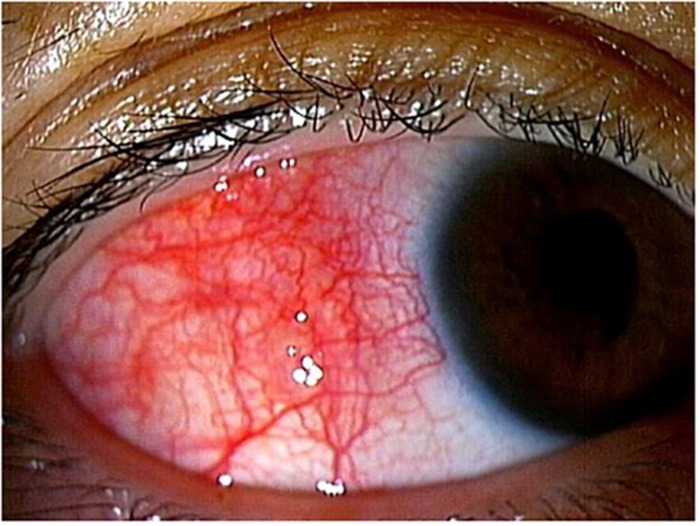
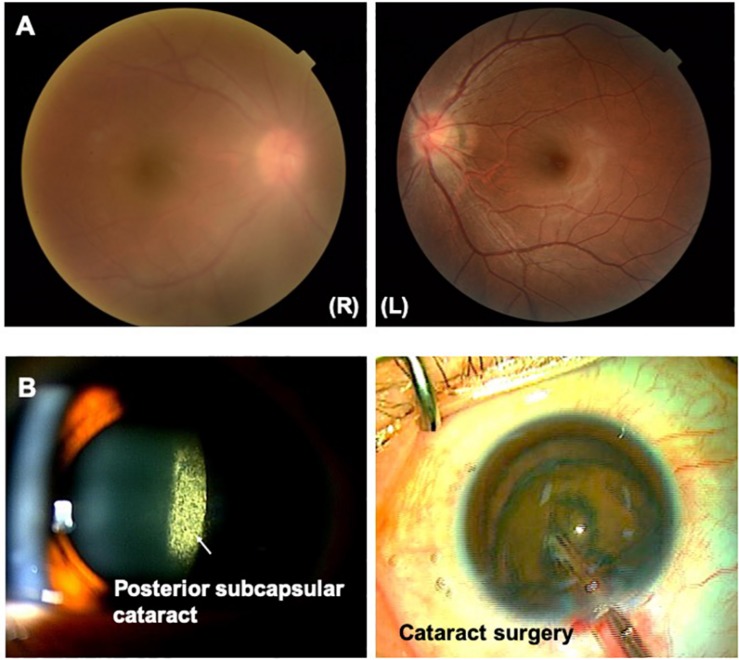
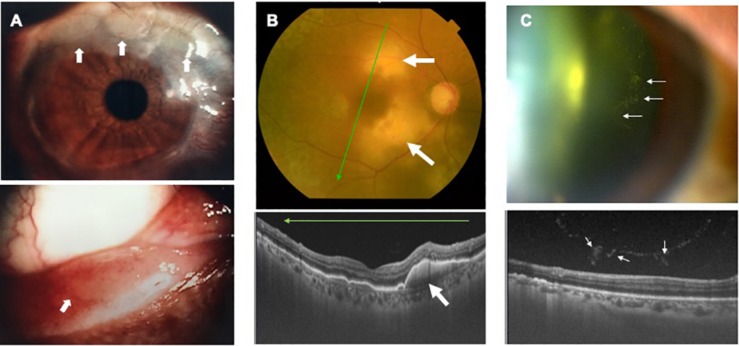
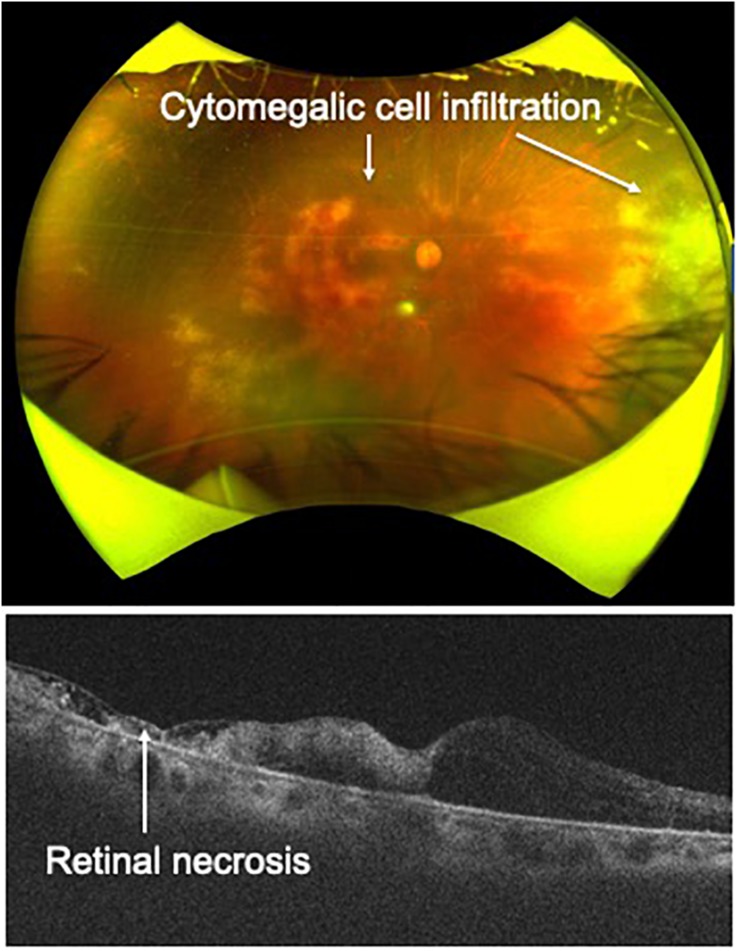
Human T-cell leukemia virus type 1 (HTLV-1) was the first retrovirus described as a causative agent for human disease. In the field of ophthalmology, a close relationship between HTLV-1 infection and uveitis was identified through a series of clinical and laboratory studies in the late 1980s-1990s. Since then, HTLV-1-related ocular manifestations such as keratoconjunctivitis sicca, interstitial keratitis, optic neuritis and adult T-cell leukemia/lymphoma (ATL)-related ocular manifestations have continuously been reported. During the three decades since the association between HTLV-1 and ocular pathologies was discovered, ophthalmic practice and research have advanced with the incorporation of new technologies into the field of ophthalmology. Accordingly, new findings from recent research have provided many insights into HTLV-1-associated ocular diseases. Advanced molecular technologies such as multiplex polymerase chain reaction (PCR)/broad-range PCR using ocular samples have enabled rapid and accurate diagnosis. Advanced ophthalmic technologies such as widefield fundus camera and optical coherence tomography (OCT) have clarified various features of HTLV-1-associated ocular manifestations, and identified characteristics such as the "knob-like ATL cell multiple ocular infiltration" (KAMOI) sign. Advanced drug delivery methods such as intravitreal injection and sub-Tenon injection have led to progress in preventing disease progression. This article describes global topics and the latest research findings for HTLV-1-associated ocular diseases, with reference to a large-scale nationwide survey of ophthalmologists. Current approaches and unmet needs for HTLV-1 infection in ophthalmology are also discussed.
人类嗜T细胞病毒1型(HTLV-1)是首个被描述为可导致人类疾病的逆转录病毒。在眼科领域,通过20世纪80年代末至90年代的一系列临床和实验室研究,发现HTLV-1感染与葡萄膜炎之间存在密切关系。从那时起,不断有报告称出现了与HTLV-1相关的眼部表现,如干燥性角结膜炎、间质性角膜炎、视神经炎以及与成人T细胞白血病/淋巴瘤(ATL)相关的眼部表现。自发现HTLV-1与眼部病变之间的关联以来的三十年里,随着新技术融入眼科领域,眼科实践和研究取得了进展。因此,近期研究的新发现为HTLV-1相关眼病提供了许多见解。使用眼部样本的多重聚合酶链反应(PCR)/广谱PCR等先进分子技术实现了快速准确的诊断。宽视野眼底照相机和光学相干断层扫描(OCT)等先进眼科技术明确了HTLV-1相关眼部表现的各种特征,并识别出“结节样ATL细胞多灶性眼内浸润”(KAMOI)体征等特征。玻璃体内注射和球后注射等先进给药方法在预防疾病进展方面取得了进展。本文参考了一项针对眼科医生的全国性大规模调查,描述了HTLV-1相关眼病的全球主题和最新研究结果。还讨论了眼科领域针对HTLV-1感染的当前方法和未满足的需求。