Kang Joo H
Department of Biomedical Engineering, Ulsan National Institute of Science and Technology (UNIST), 50, UNIST-gil, Ulsan, 44919 Republic of Korea.
Biochip J. 2020;14(1):63-71. doi: 10.1007/s13206-020-4106-6. Epub 2020 Mar 12.
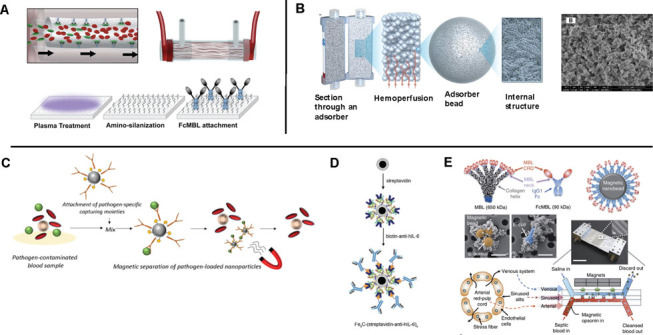
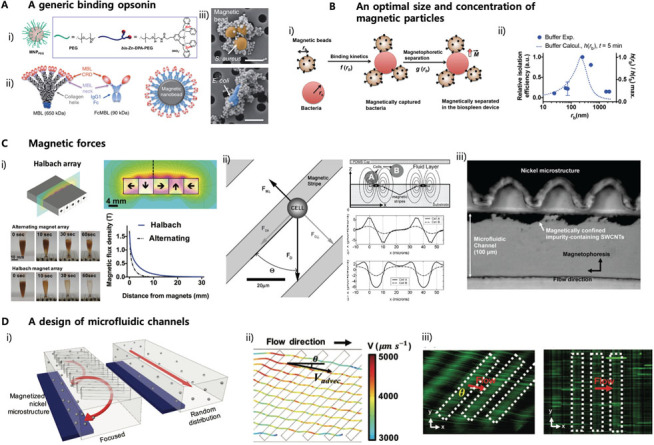
Infectious diseases and their pandemics periodically attract public interests due to difficulty in treating the patients and the consequent high mortality. Sepsis caused by an imbalanced systemic inflammatory response to infection often leads to organ failure and death. The current therapeutic intervention mainly includes "the sepsis bundles," antibiotics (antibacterial, antiviral, and antifungal), intravenous fluids for resuscitation, and surgery, which have significantly improved the clinical outcomes in past decades; however, the patients with fulminant sepsis are still in desperate need of alternative therapeutic approaches. One of the potential supportive therapies, extracorporeal blood treatment, has emerged and been developed for improving the current therapeutic efficacy. Here, I overview how the treatment of infectious diseases has been assisted with the extracorporeal adjuvant therapy and the potential utility of various nanobiotechnology and microfluidic approaches for developing new auxiliary therapeutic methods.
传染病及其大流行因其治疗患者的困难以及随之而来的高死亡率而周期性地吸引公众关注。感染引发的全身炎症反应失衡所导致的脓毒症常常会引发器官衰竭和死亡。当前的治疗干预主要包括“脓毒症集束治疗”、抗生素(抗菌、抗病毒和抗真菌)、用于复苏的静脉输液以及手术,这些在过去几十年里显著改善了临床结果;然而,暴发性脓毒症患者仍迫切需要替代治疗方法。一种潜在的支持性疗法——体外血液治疗,已经出现并得到发展,以提高当前的治疗效果。在此,我概述了体外辅助治疗如何助力传染病治疗,以及各种纳米生物技术和微流控方法在开发新的辅助治疗手段方面的潜在用途。