Mao Zhimin, Yang Xiawen, Mizutani Sayumi, Huang Yanru, Zhang Zhen, Shinmori Hideyuki, Gao Kun, Yao Jian
Division of Molecular Signaling, Department of the Advanced Biomedical Research, Interdisciplinary Graduate School of Medicine, University of Yamanashi, Kofu, Japan.
Institute of Reproductive Medicine, School of Medicine, Nantong University, Nantong, China.
Front Oncol. 2020 Mar 10;10:252. doi: 10.3389/fonc.2020.00252. eCollection 2020.
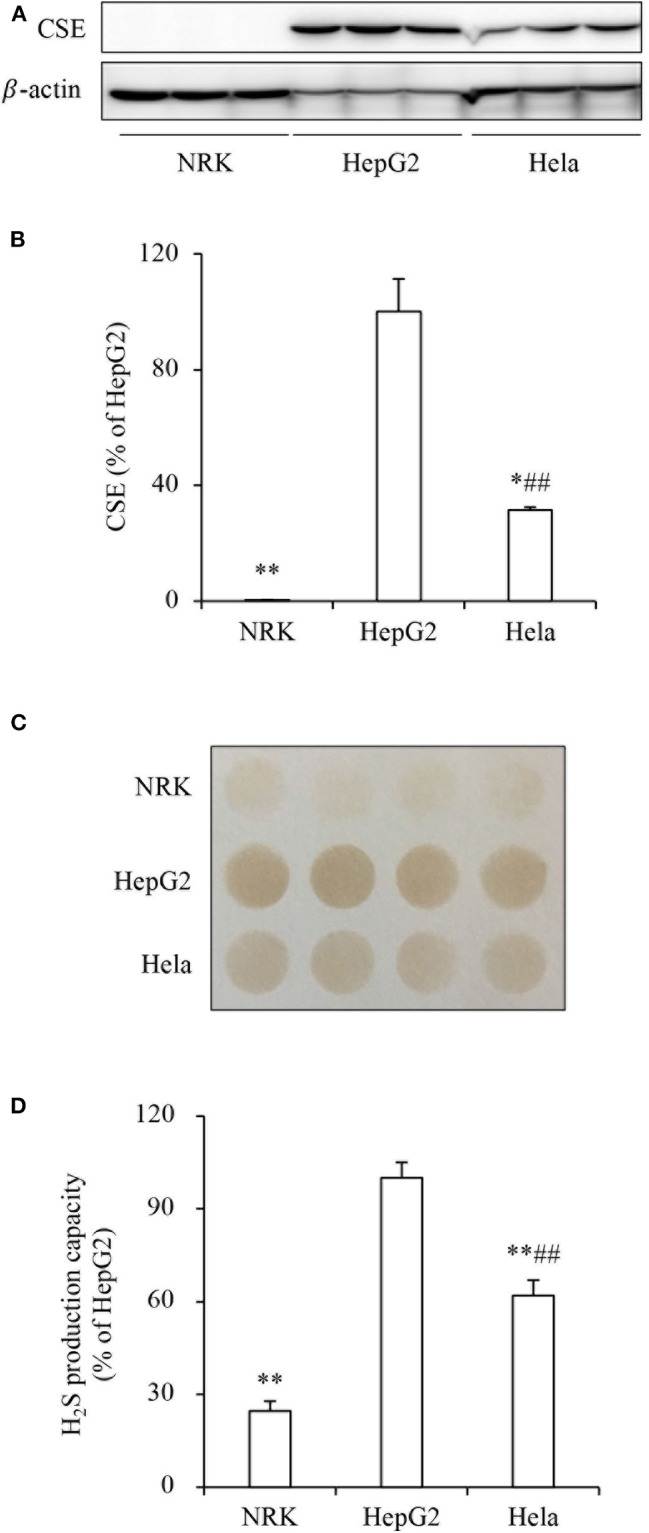
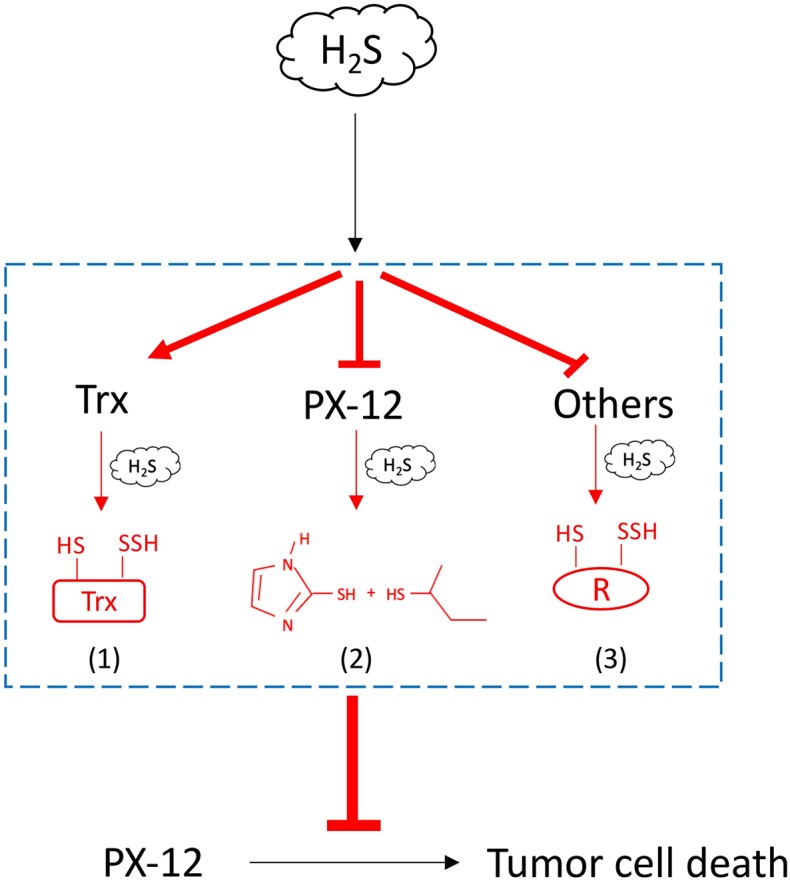
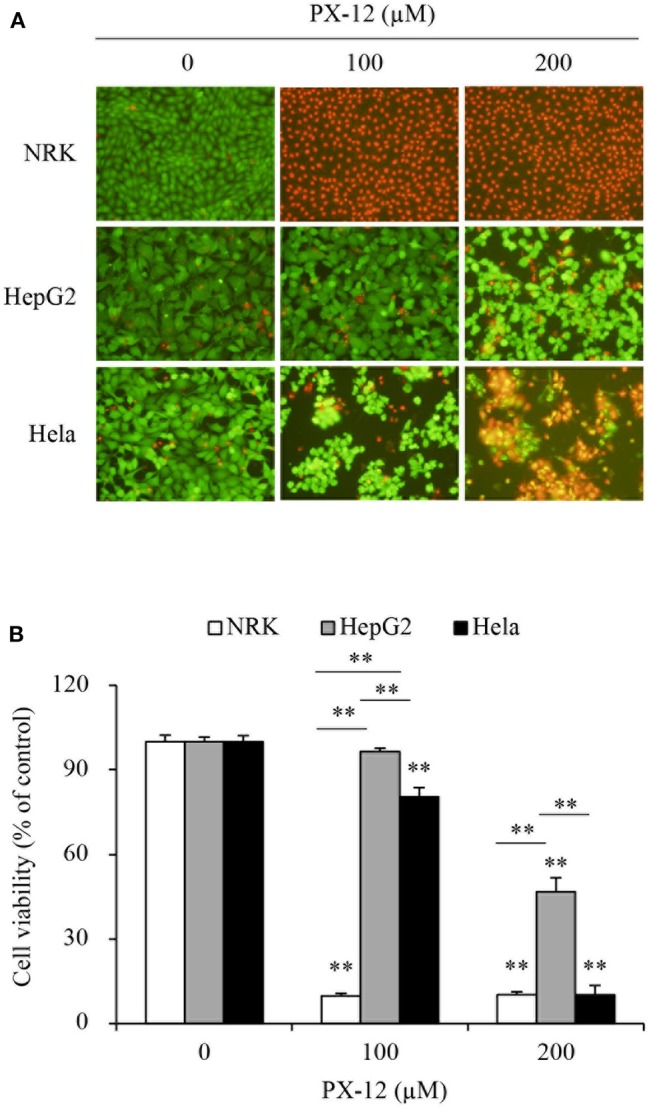
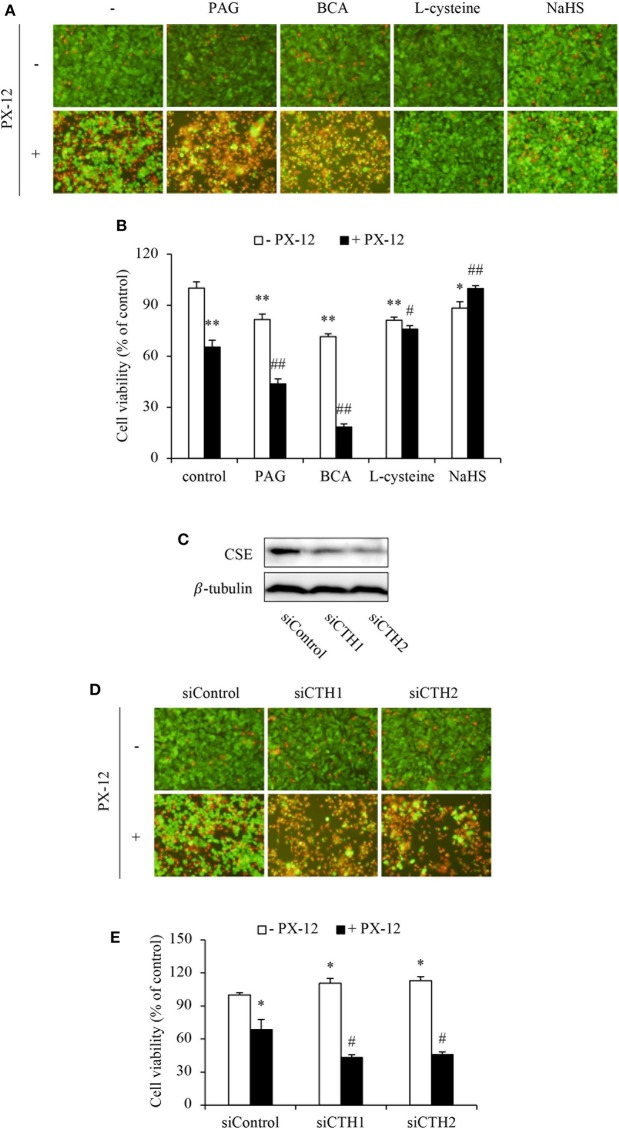
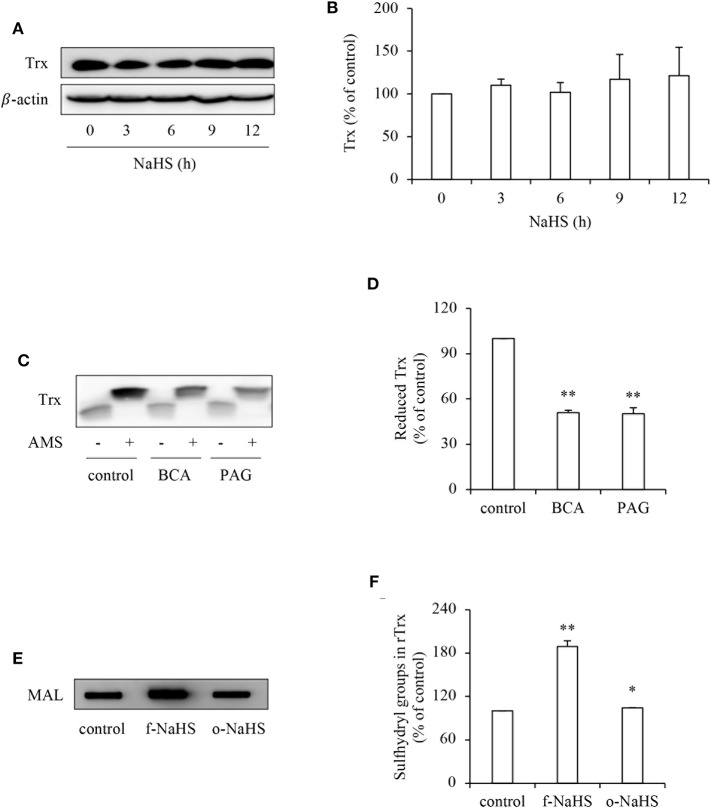
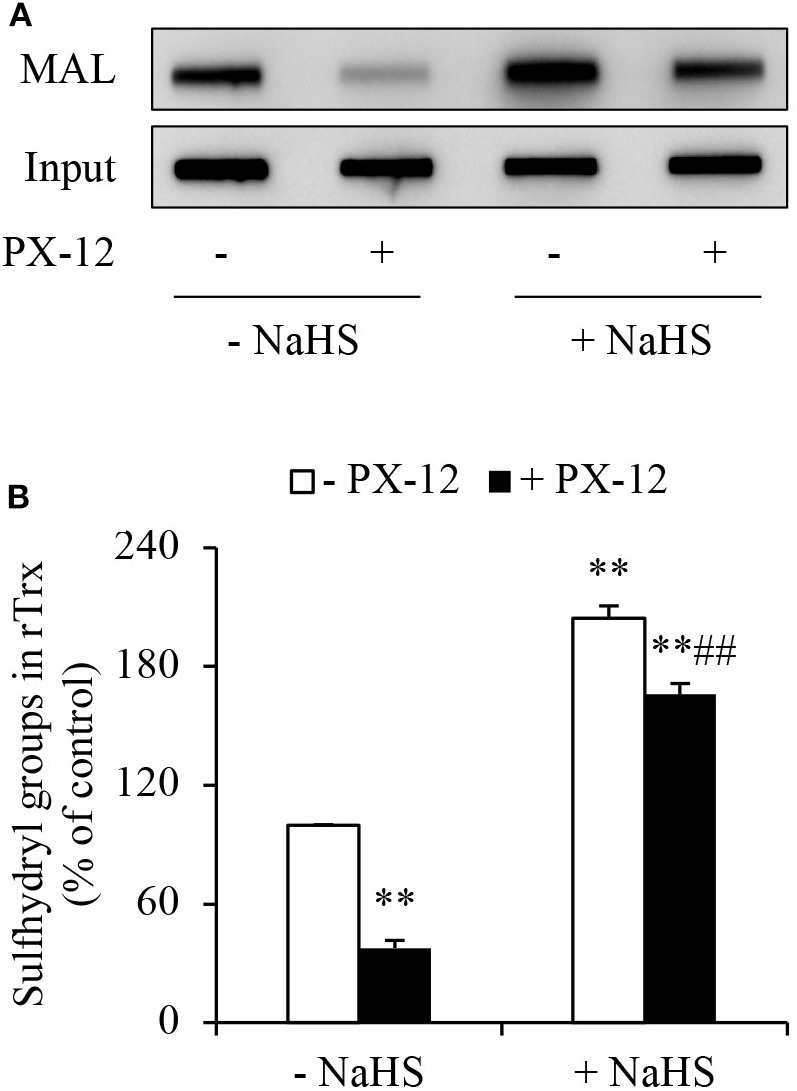
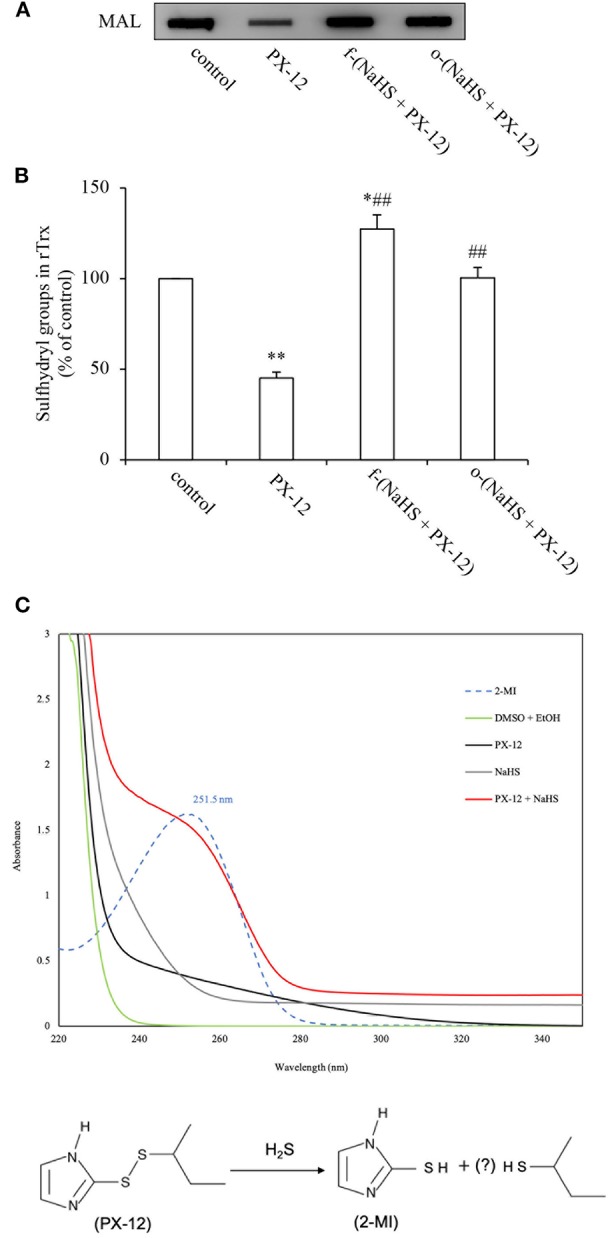
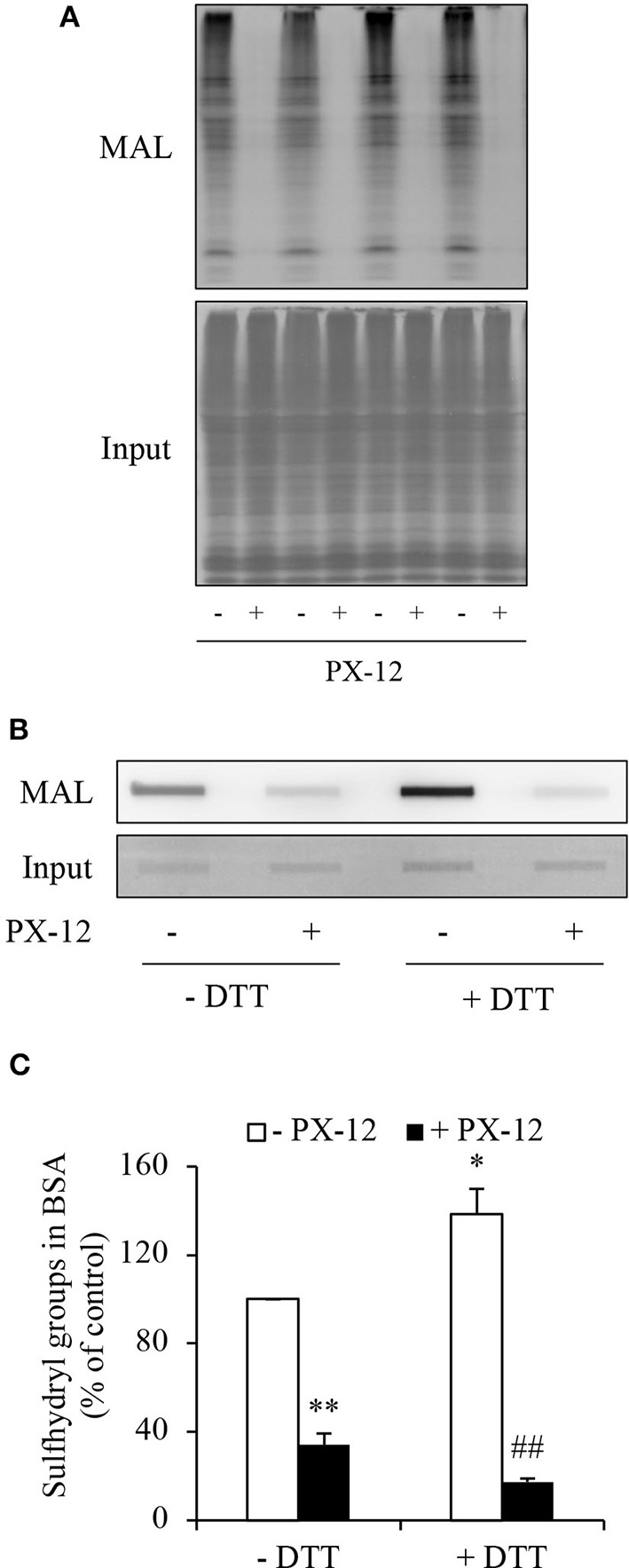
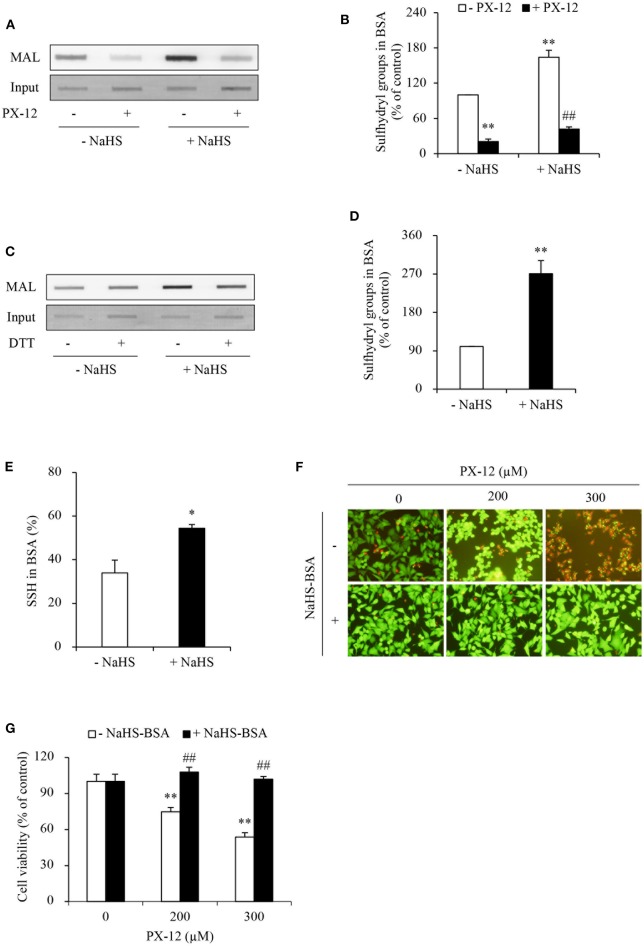
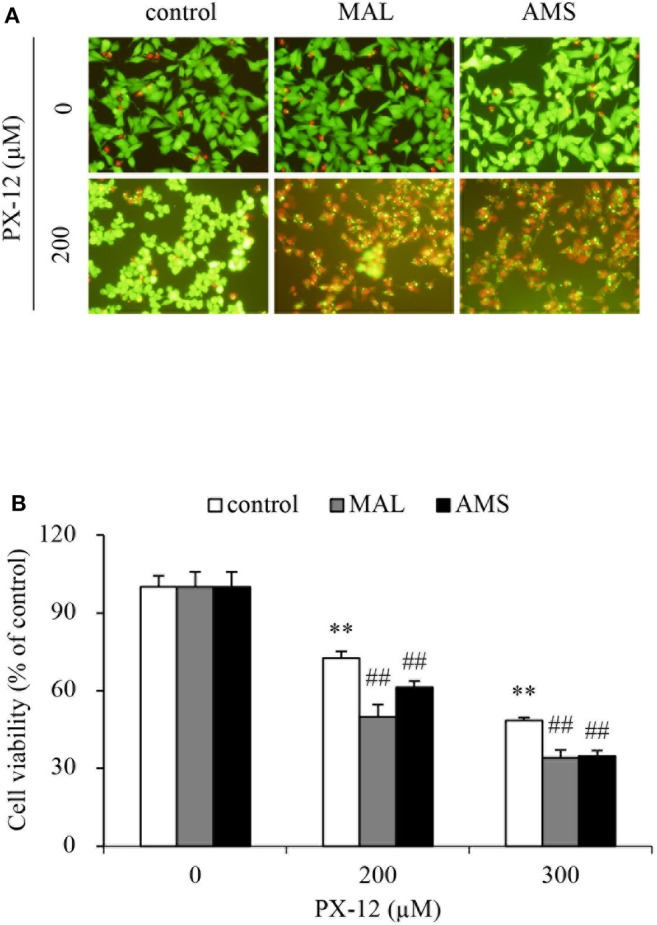
Thioredoxin (Trx) is a pro-oncogenic molecule that underlies tumor initiation, progression and chemo-resistance. PX-12, a Trx inhibitor, has been used to treat certain tumors. Currently, factors predicting tumor sensitivity to PX-12 are unclear. Given that hydrogen sulfide (HS), a gaseous bio-mediator, promotes Trx activity, we speculated that it might affect tumor response to PX-12. Here, we tested this possibility. Exposure of several different types of tumor cells to PX-12 caused cell death, which was reversely correlated with the levels of HS-synthesizing enzyme CSE and endogenous HS. Inhibition of CSE sensitized tumor cells to PX-12, whereas addition of exogenous HS elevated PX-12 resistance. Further experiments showed that HS abolished PX-12-mediated inhibition on Trx. Mechanistic analyses revealed that HS stimulated Trx activity. It promoted Trx from the oxidized to the reduced state. In addition, HS directly cleaved the disulfide bond in PX-12, causing PX-12 deactivation. Additional studies found that, besides Trx, PX-12 also interacted with the thiol residues of other proteins. Intriguingly, HS-mediated cell resistance to PX-12 could also be achieved through promotion of the thiol activity of these proteins. Addition of HS-modified protein into culture significantly enhanced cell resistance to PX-12, whereas blockade of extracellular sulfhydryl residues sensitized cells to PX-12. Collectively, our study revealed that HS mediated tumor cell resistance to PX-12 through multiple mechanisms involving induction of thiol activity in multiple proteins and direct inactivation of PX-12. HS could be used to predict tumor response to PX-12 and could be targeted to enhance the therapeutic efficacy of PX-12.
硫氧还蛋白(Trx)是一种促癌分子,是肿瘤起始、进展和化疗耐药的基础。PX - 12是一种Trx抑制剂,已被用于治疗某些肿瘤。目前,预测肿瘤对PX - 12敏感性的因素尚不清楚。鉴于气态生物介质硫化氢(HS)可促进Trx活性,我们推测它可能会影响肿瘤对PX - 12的反应。在此,我们测试了这种可能性。几种不同类型的肿瘤细胞暴露于PX - 12会导致细胞死亡,这与HS合成酶CSE的水平和内源性HS呈负相关。抑制CSE可使肿瘤细胞对PX - 12敏感,而添加外源性HS则会提高PX - 12耐药性。进一步的实验表明,HS消除了PX - 12介导的对Trx的抑制作用。机制分析显示,HS刺激Trx活性。它促进Trx从氧化态转变为还原态。此外,HS直接裂解PX - 12中的二硫键,导致PX - 12失活。额外的研究发现,除了Trx,PX - 12还与其他蛋白质的巯基残基相互作用。有趣的是,HS介导的细胞对PX - 12的耐药性也可以通过促进这些蛋白质的巯基活性来实现。将HS修饰的蛋白质添加到培养物中可显著增强细胞对PX - 12的耐药性,而阻断细胞外巯基残基则使细胞对PX - 12敏感。总的来说,我们的研究表明,HS通过多种机制介导肿瘤细胞对PX - 12的耐药性,这些机制包括诱导多种蛋白质中的巯基活性和直接使PX - 12失活。HS可用于预测肿瘤对PX - 12的反应,并可作为靶点来提高PX - 12的治疗效果。