Xie Zucheng, Dang Yiwu, Wu Huayu, He Rongquan, Ma Jie, Peng Zhigang, Rong Minhua, Li Zhekun, Yang Jiapeng, Jiang Yizhao, Chen Gang, Yang Lihua
Department of Medical Oncology, First Affiliated Hospital of Guangxi Medical University, 6 Shuangyong Road, Nanning 530021, Guangxi Zhuang Autonomous Region, P. R. China.
Department of Pathology, First Affiliated Hospital of Guangxi Medical University, 6 Shuangyong Road, Nanning 530021, Guangxi Zhuang Autonomous Region, P. R. China.
J Cancer. 2020 Feb 21;11(10):2830-2844. doi: 10.7150/jca.39328. eCollection 2020.
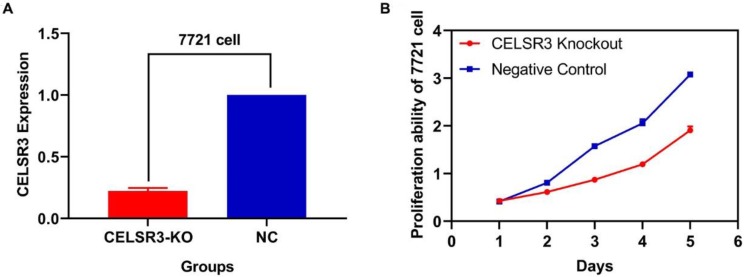
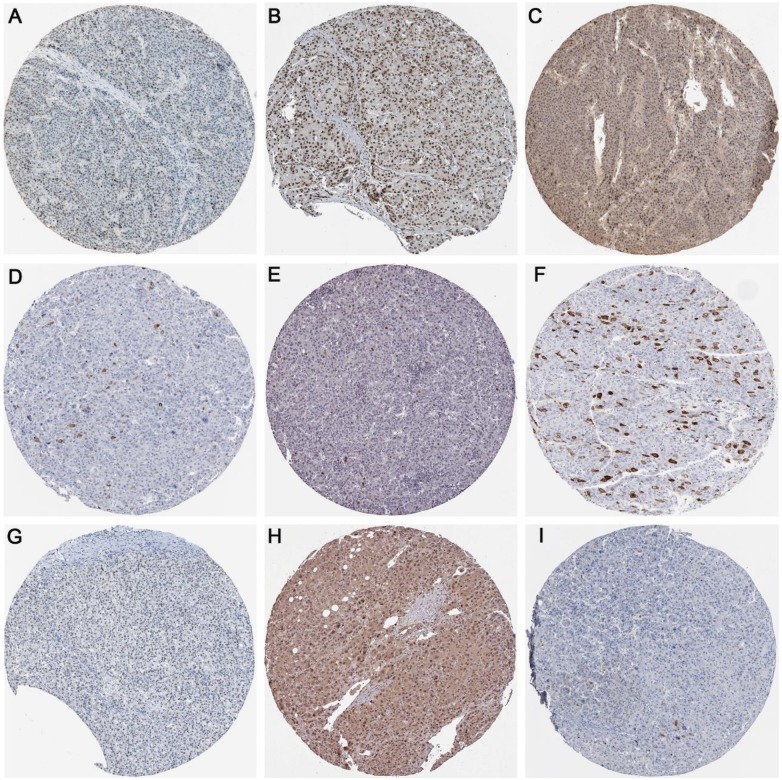
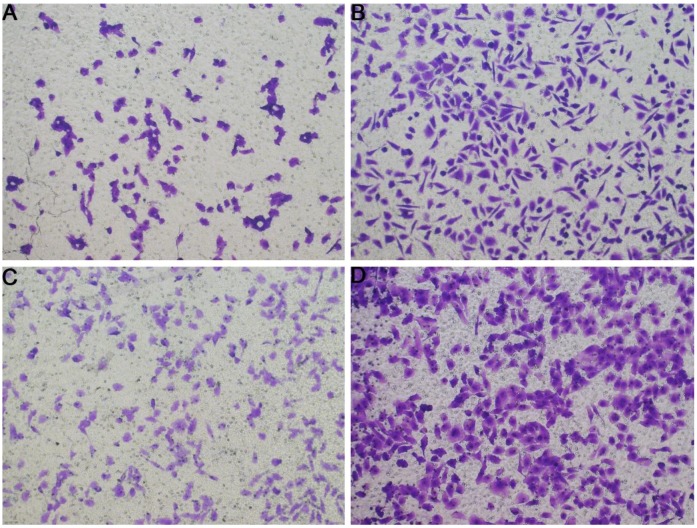
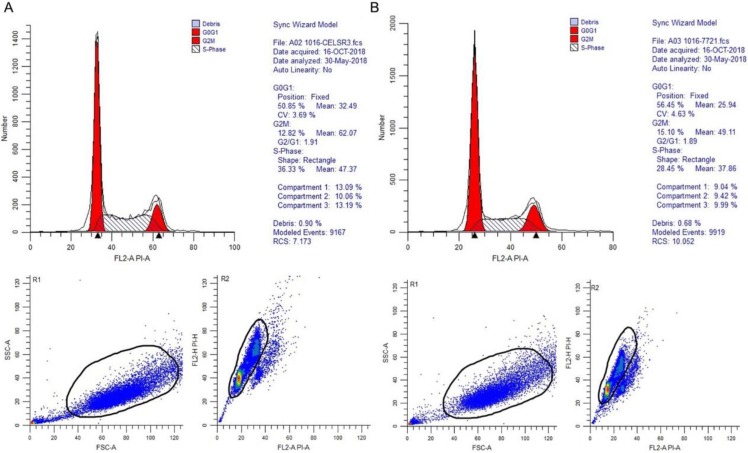
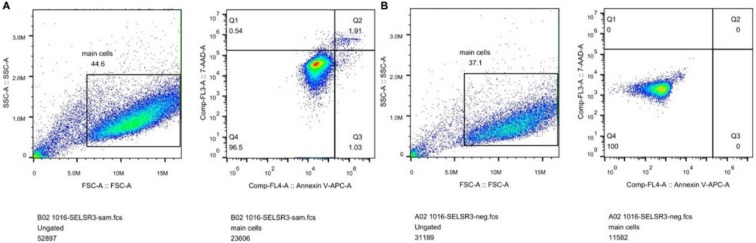
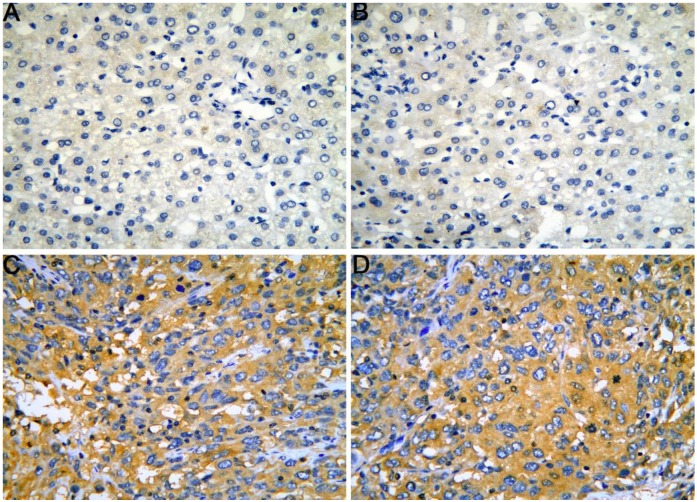
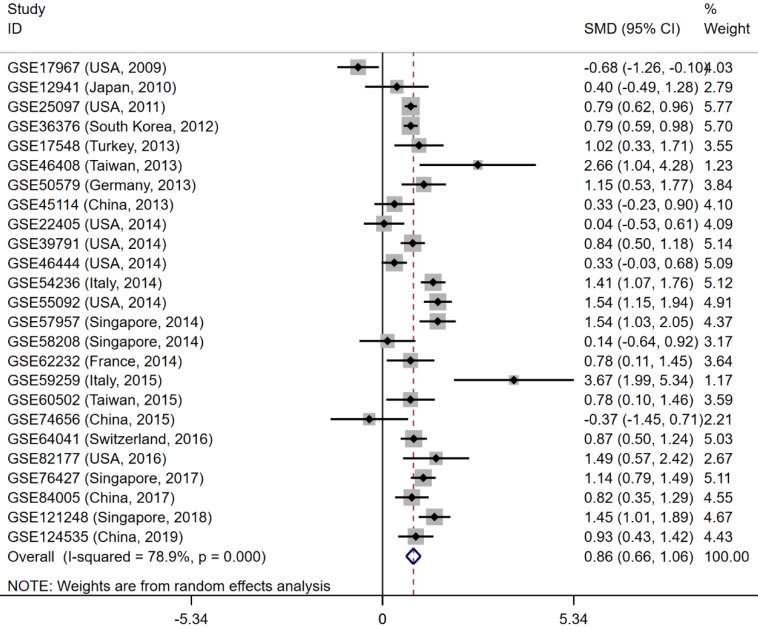
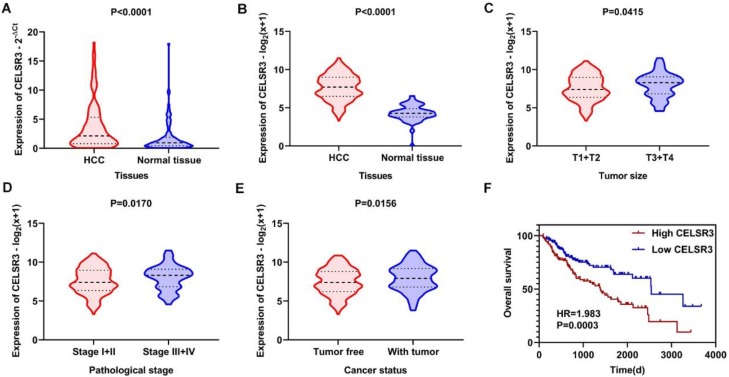
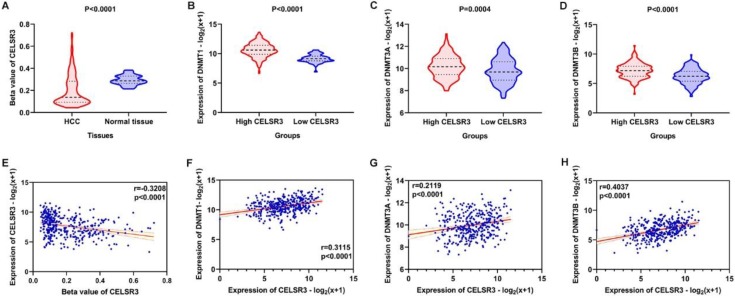
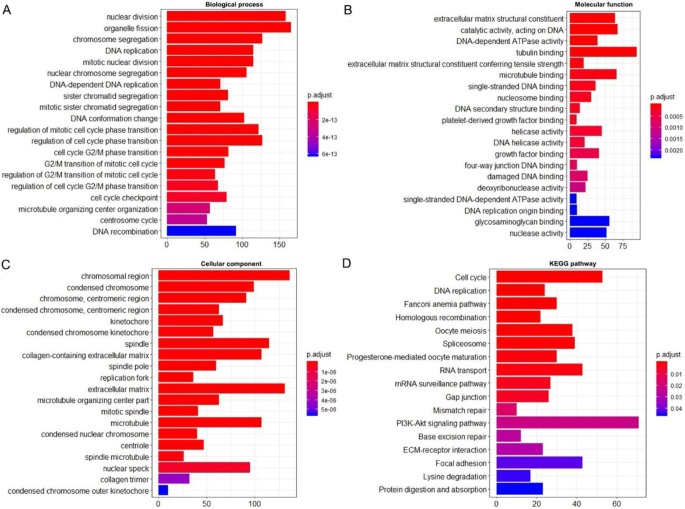
Cadherin EGF LAG seven-pass G-type receptor 3 (CELSR3) has been reported in cancers but its role and potential molecular mechanism in hepatocellular carcinoma (HCC) is unclear. Therefore, we aimed to investigate the clinical value and molecular mechanism of CELSR3 in HCC using an experiment, a meta-analysis and bioinformatics. The experiment determined the promoting effect of CELSR3 in the proliferation, invasion, and migration of HCC cells. CELSR3 knockout causes S-phage arrest in HCC cells. CELSR3 can also inhibit the apoptosis of HCC cells. The expression of the CELSR3 gene and protein was significantly elevated in HCC. Elevated CELSR3 was correlated to the bigger tumor size, higher pathological stage, and the worse overall survival of HCC. Methylation analysis revealed that the hypomethylation of CELSR3 regulated by DNMT1, DNMT3A, and DNMT3B may be the underlying mechanism of upregulated CELSR3. Biological enrichment analysis uncovered that the cell cycle, DNA replication, and PI3K-Akt signaling pathways were important pathways regulated by CELSR3 and its co-expressed genes in HCC. Taken together, upregulated CELSR3 is an important regulator in the progression and prognosis of HCC. The hypomethylation of CELSR3 and its regulation in the cell cycle may be the potential molecular mechanism in HCC.
钙黏蛋白表皮生长因子七次跨膜G型受体3(CELSR3)已在癌症中被报道,但其在肝细胞癌(HCC)中的作用及潜在分子机制尚不清楚。因此,我们旨在通过实验、荟萃分析和生物信息学研究CELSR3在HCC中的临床价值和分子机制。实验确定了CELSR3对HCC细胞增殖、侵袭和迁移的促进作用。CELSR3基因敲除导致HCC细胞出现S期阻滞。CELSR3还可抑制HCC细胞的凋亡。CELSR3基因和蛋白在HCC中表达显著升高。CELSR3升高与HCC肿瘤体积增大、病理分期较高及总生存期较差相关。甲基化分析显示,由DNMT1、DNMT3A和DNMT3B调控的CELSR3低甲基化可能是CELSR3上调的潜在机制。生物富集分析发现,细胞周期、DNA复制和PI3K-Akt信号通路是CELSR3及其在HCC中共表达基因调控的重要通路。综上所述,CELSR3上调是HCC进展和预后的重要调节因子。CELSR3的低甲基化及其在细胞周期中的调控可能是HCC潜在的分子机制。