Hu Jianwen, Ma Yongchen, Ma Ju, Chen Shanwen, Zhang Xiaoqian, Guo Shihao, Huang Zhihao, Yue Taohua, Yang Yanpeng, Ning Yingze, Zhu Jing, Wang Pengyuan, Wang Xin, Chen Guowei, Liu Yucun
Department of General Surgery, Peking University First Hospital, Beijing, 100034, PR China.
Endoscopy Center, Peking University First Hospital, Beijing, 100034, PR China.
J Cancer. 2020 Mar 4;11(10):2981-2992. doi: 10.7150/jca.39651. eCollection 2020.
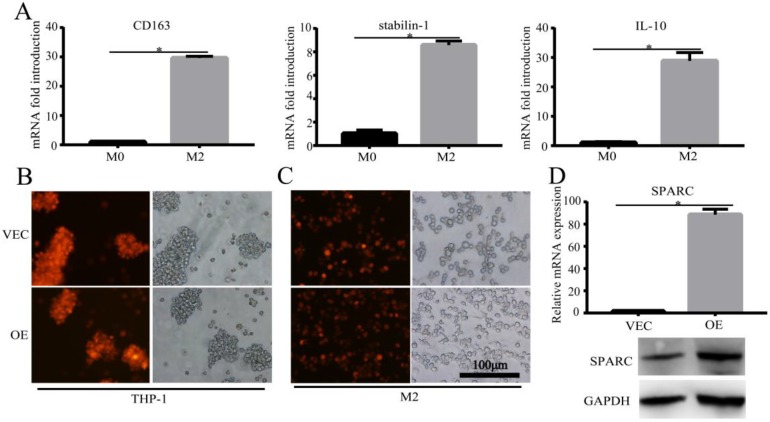
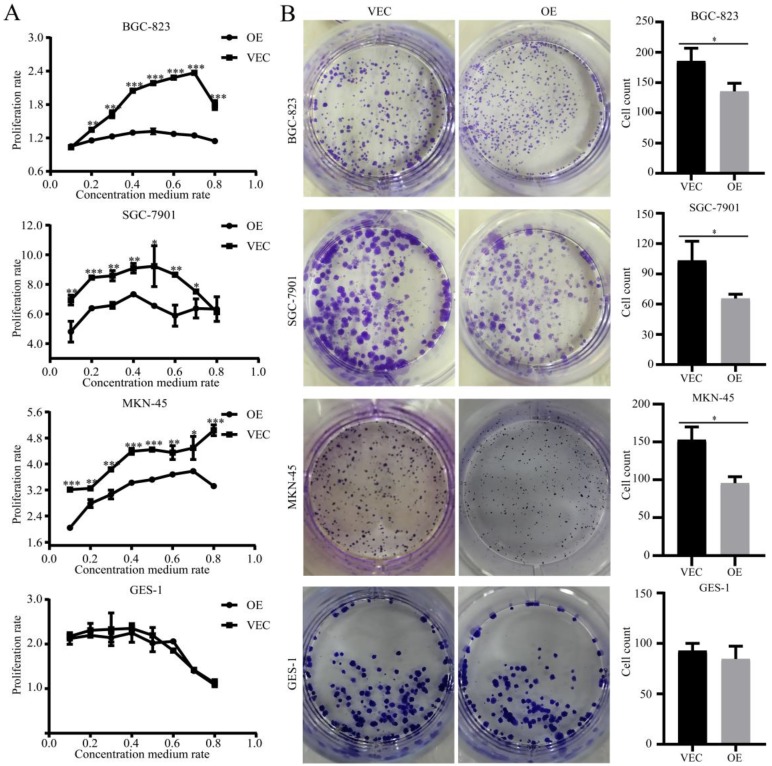
Since the theory of seed and soil was put forward, people have increasingly recognized that the tumour microenvironment is an important regulator of tumour progression and therapeutic response. Among them, M2-type macrophages (M2, as the major macrophage subtype in the tumour foci) have important promoting effects on various biological behaviours. Secreted protein acidic and rich in cysteine (SPARC) is an important anti-tumour component in the microenvironment of gastric cancer. This study shows that macrophages are an important source of the SPARC and that SPARC overexpression in M2 can reduce M2-mediated promoting proliferation, migration and anti-apoptotic effects in gastric cancer. Additionally, the AKT/mTOR signalling pathways may participate in the malignant process.
自“种子与土壤”学说提出以来,人们越来越认识到肿瘤微环境是肿瘤进展和治疗反应的重要调节因子。其中,M2型巨噬细胞(M2是肿瘤病灶中的主要巨噬细胞亚型)对各种生物学行为具有重要的促进作用。富含半胱氨酸的酸性分泌蛋白(SPARC)是胃癌微环境中的一种重要抗肿瘤成分。本研究表明,巨噬细胞是SPARC的重要来源,M2中SPARC的过表达可降低M2介导的胃癌增殖、迁移促进作用及抗凋亡作用。此外,AKT/mTOR信号通路可能参与了这一恶性过程。