Department of Biomedical, Surgical and Dental Sciences, University of Milan, Milan, Italy.
Immunology and General Pathology Laboratory, Department of Biotechnology and Life Sciences, University of Insubria, Varese, Italy.
J Immunol Res. 2018 Jan 14;2018:8917804. doi: 10.1155/2018/8917804. eCollection 2018.
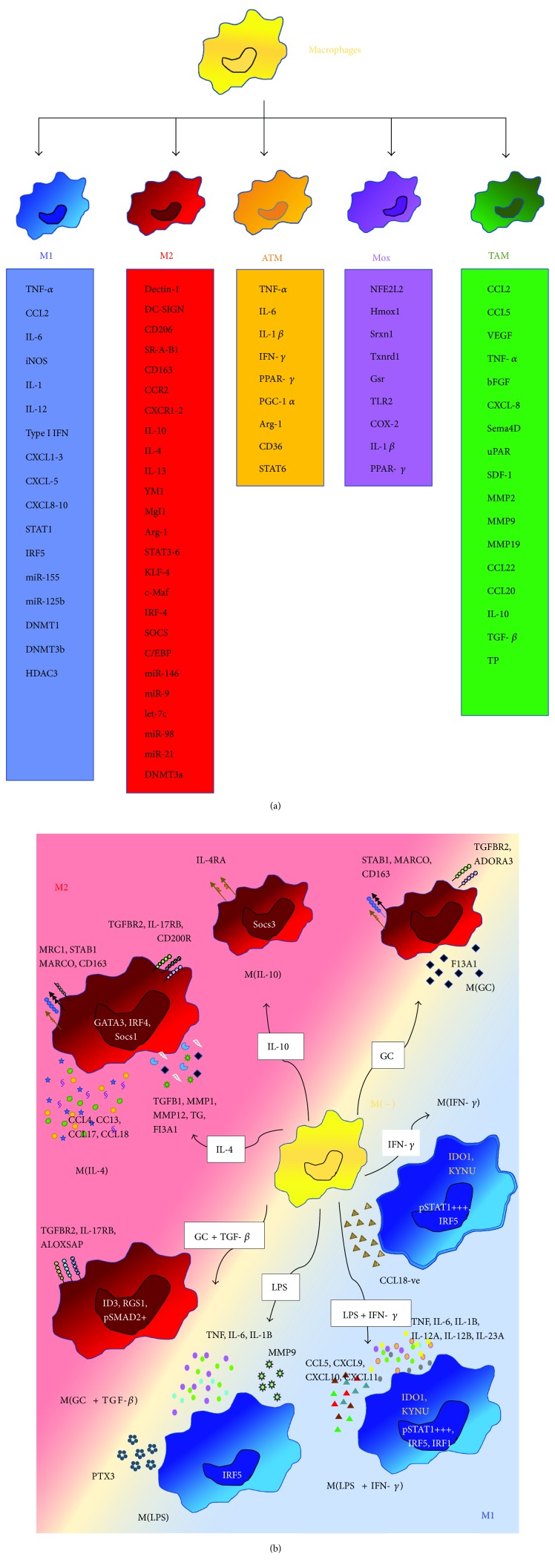
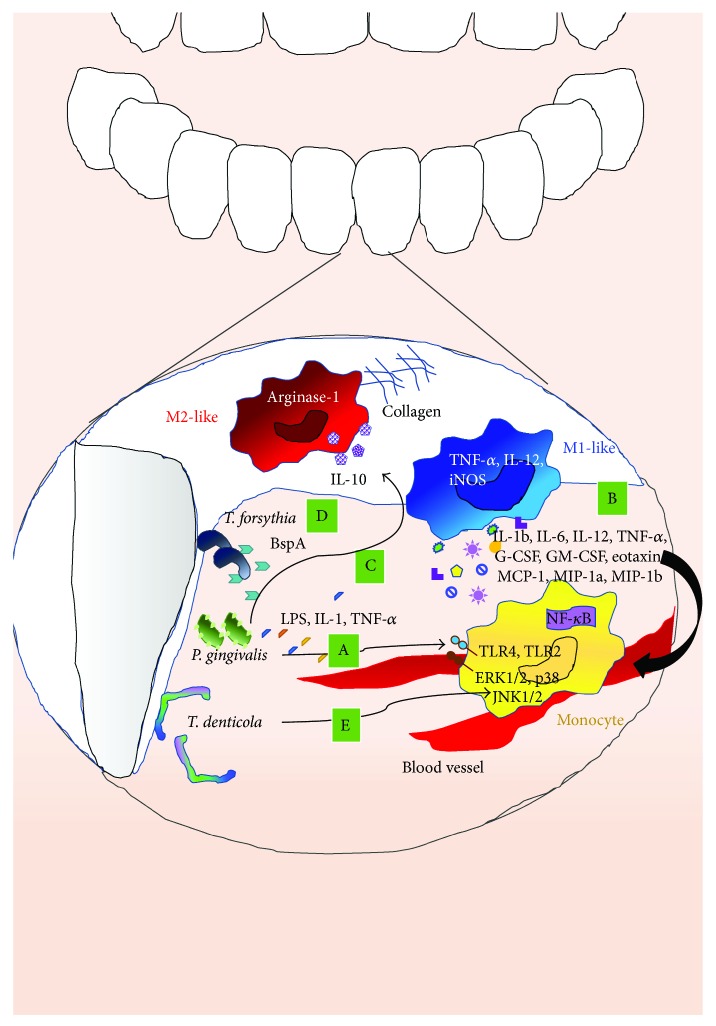
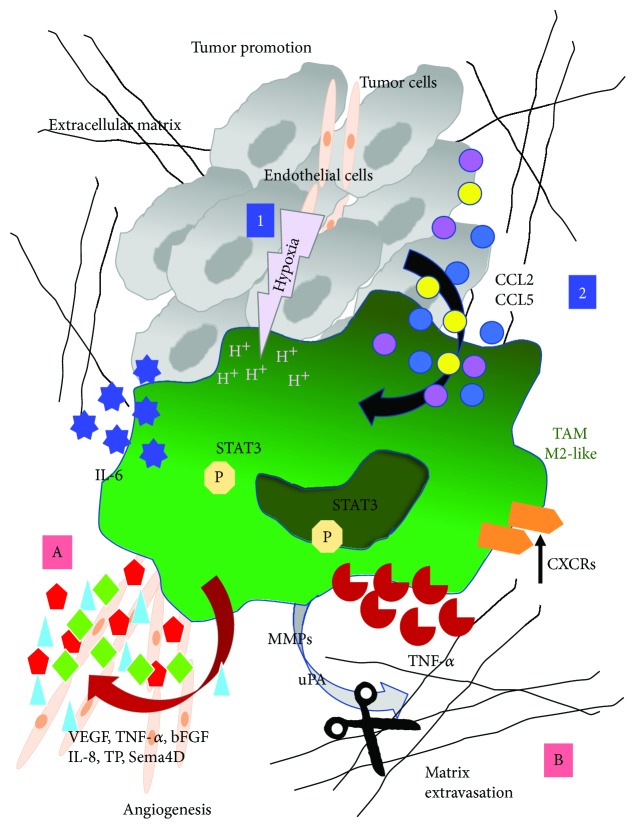
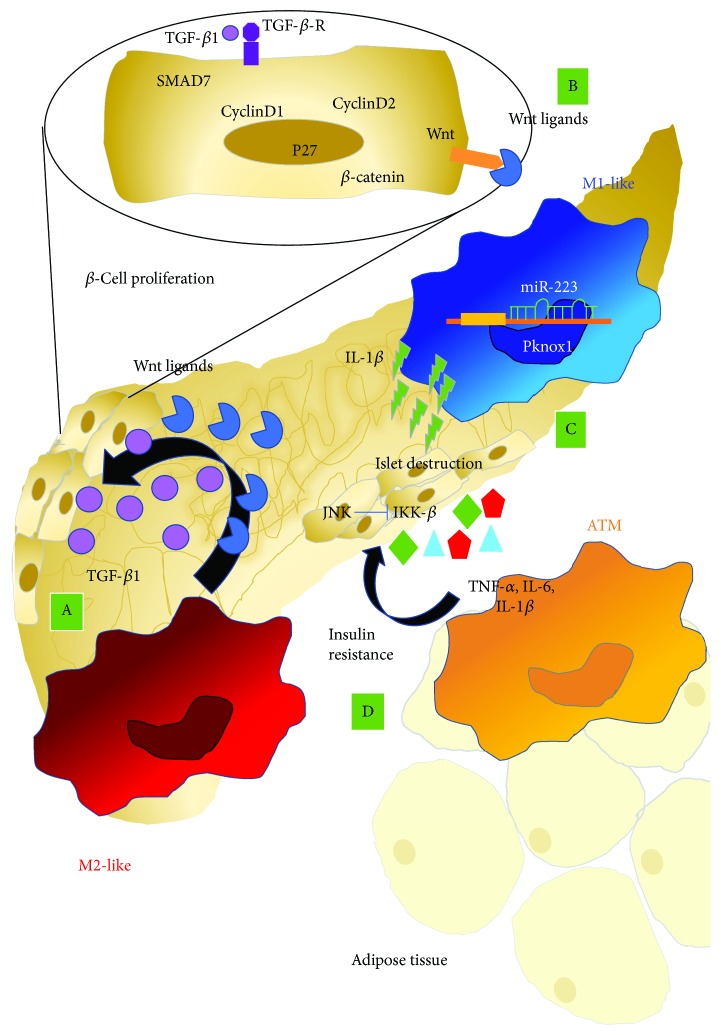
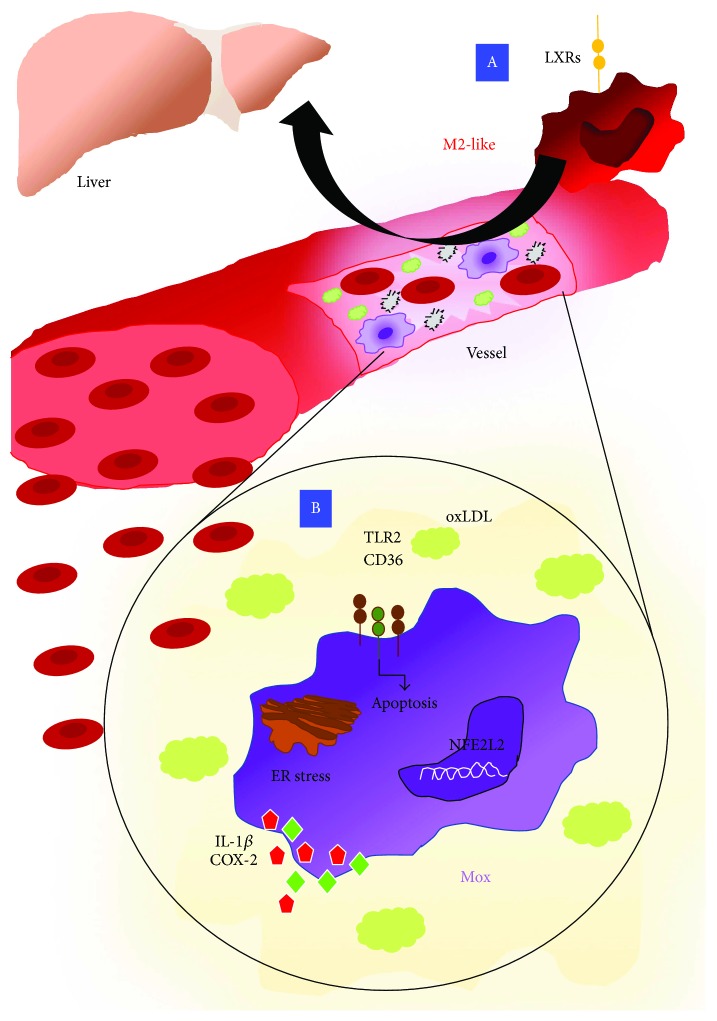
Macrophages are key cellular components of the innate immunity, acting as the main player in the first-line defence against the pathogens and modulating homeostatic and inflammatory responses. Plasticity is a major feature of macrophages resulting in extreme heterogeneity both in normal and in pathological conditions. Macrophages are not homogenous, and they are generally categorized into two broad but distinct subsets as either classically activated (M1) or alternatively activated (M2). However, macrophages represent a continuum of highly plastic effector cells, resembling a spectrum of diverse phenotype states. Induction of specific macrophage functions is closely related to the surrounding environment that acts as a relevant orchestrator of macrophage functions. This phenomenon, termed polarization, results from cell/cell, cell/molecule interaction, governing macrophage functionality within the hosting tissues. Here, we summarized relevant cellular and molecular mechanisms driving macrophage polarization in "distant" pathological conditions, such as cancer, type 2 diabetes, atherosclerosis, and periodontitis that share macrophage-driven inflammation as a key feature, playing their dual role as killers (M1-like) and/or builders (M2-like). We also dissect the physio/pathological consequences related to macrophage polarization within selected chronic inflammatory diseases, placing polarized macrophages as a relevant hallmark, putative biomarkers, and possible target for prevention/therapy.
巨噬细胞是先天免疫系统的关键细胞成分,作为抵御病原体的第一道防线的主要参与者,调节体内平衡和炎症反应。可塑性是巨噬细胞的一个主要特征,导致其在正常和病理条件下都具有极高的异质性。巨噬细胞不是同质的,它们通常被分为两种广泛但不同的亚型,即经典激活型(M1)或替代激活型(M2)。然而,巨噬细胞代表着一种高度可塑的效应细胞连续体,类似于一系列不同的表型状态。特定巨噬细胞功能的诱导与周围环境密切相关,周围环境是巨噬细胞功能的相关协调者。这种现象被称为极化,是由细胞/细胞、细胞/分子相互作用引起的,控制着驻留组织中巨噬细胞的功能。在这里,我们总结了在“远处”病理条件下,如癌症、2 型糖尿病、动脉粥样硬化和牙周炎,驱动巨噬细胞极化的相关细胞和分子机制,这些疾病都以巨噬细胞驱动的炎症为特征,发挥着杀伤(M1 样)和/或构建(M2 样)的双重作用。我们还剖析了与选定慢性炎症性疾病相关的生理/病理后果,将极化巨噬细胞作为一个相关的特征、潜在的生物标志物和可能的预防/治疗靶点。