Department of Medicine, University of Minnesota Medical School, Minneapolis, Minnesota 55455.
Department of Cardiology, the First Hospital of Shanxi Medical University, Taiyuan City, China 030001.
Theranostics. 2020 Mar 4;10(9):3952-3966. doi: 10.7150/thno.39578. eCollection 2020.
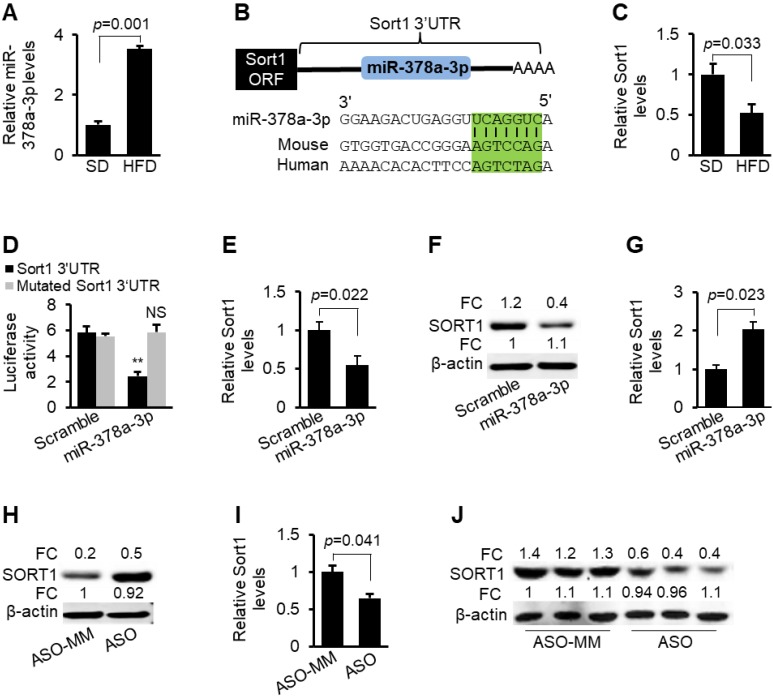
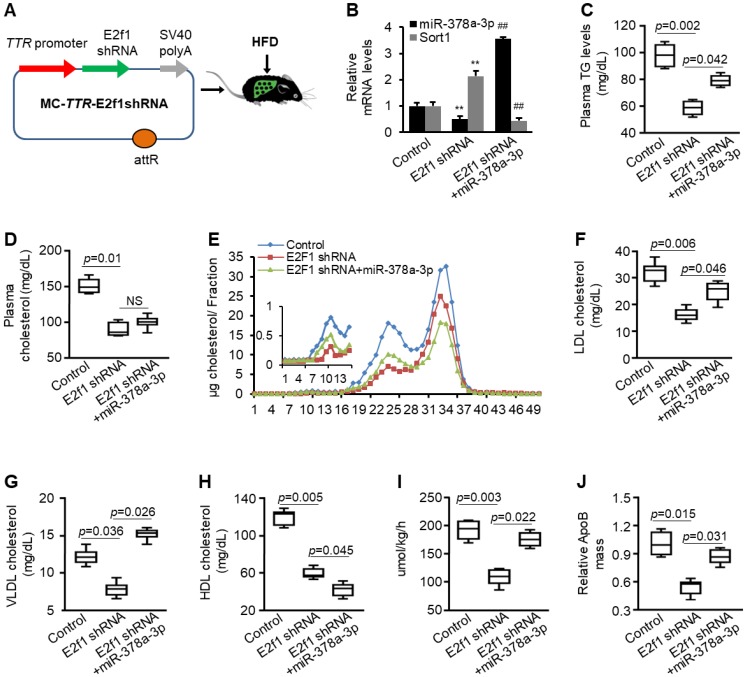
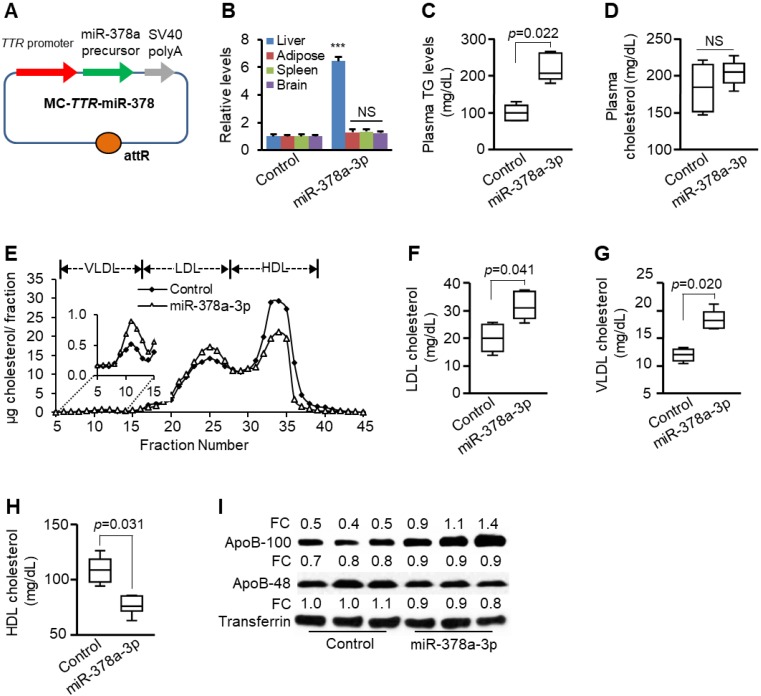
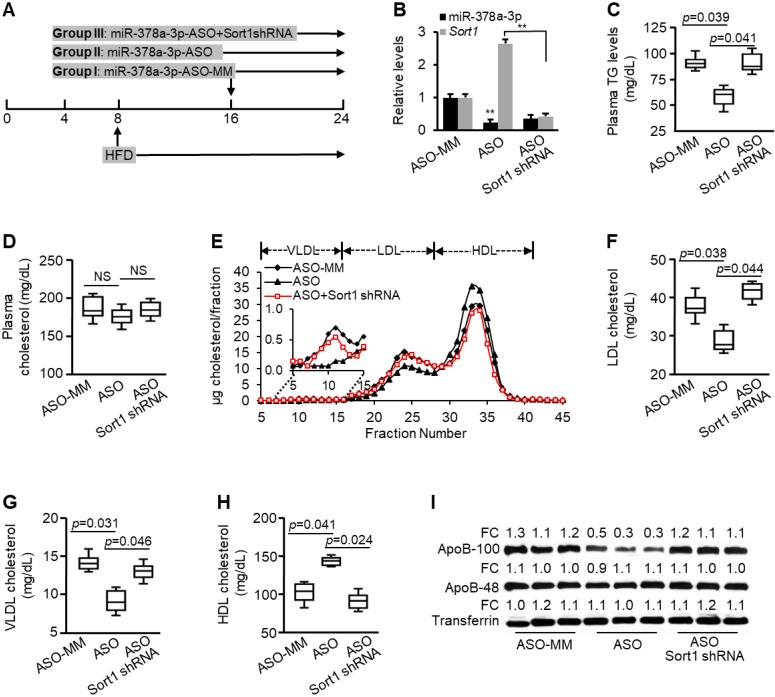
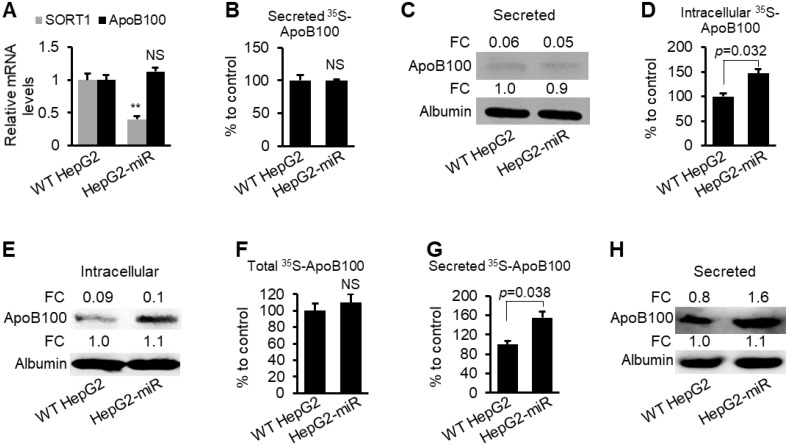
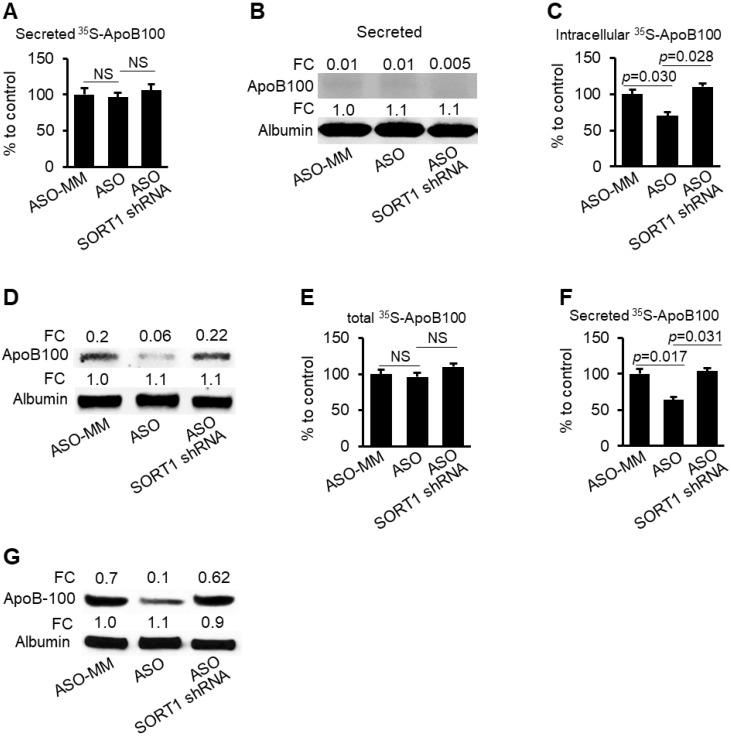
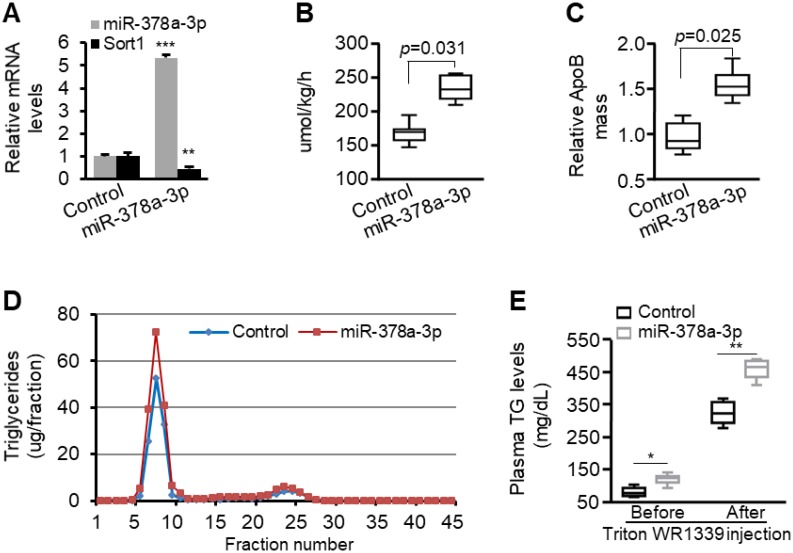
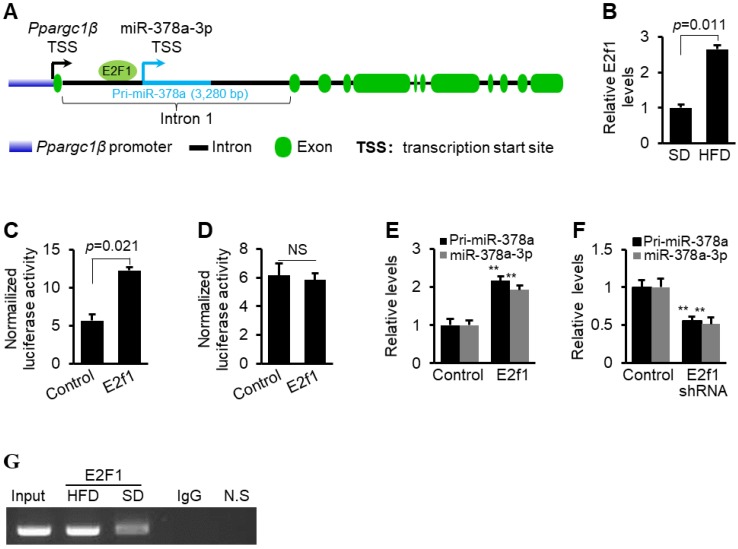
: Hyperlipidemia is a major risk factor of atherosclerosis and cardiovascular diseases (CVD). As a standard-of-care approach for hyperlipidemia, statins only reduce the risk of coronary artery disease by 20-40%, underscoring the importance of identifying molecular pathways for the design of drugs against this disorder. Alterations in microRNA (miRNA) expression have been reported in patients with hyperlipidemia and CVD. This study was designed to determine the mechanism of dysregulated miR-378a-3p under the status of hyperlipidemia and evaluate how miR-378a-3p regulates hepatic secretion of VLDL. : Wild-type mice kept on a high fat diet were injected with miR-378a-3p inhibitor or a mini-circle expression system containing miR-378a precursor to study loss and gain-of functions of miR-378a-3p. Mice were treated with Triton WR1339 and S-methionine/cysteine to determine the effect of miR-378a-3p on hepatic secretion of VLDL. Database mining, luciferase assay, and ChIP (chromatin immunoprecipitation) were used to study the mechanism of dysregulated miR-378a-3p biogenesis. : miR-378a-3p expression is significantly increased in livers of hyperlipidemic mice. (sortilin 1) was identified as a direct target of miR-378a-3p. By inhibiting the function of sortilin 1 as a transmembrane trafficking receptor, miR-378a-3p stabilized ApoB100 and promoted ApoB100 secretion . Liver-specific expression of miR-378a-3p stabilized ApoB100 and facilitated hepatic secretion of VLDL, which subsequently increased levels of VLDL/LDL cholesterol as well as triglycerides. In contrast, antagonizing miR-378a-3p using its inhibitor increased hepatic expression of and reduced hepatic export of VLDL with its consequent effects of serum lipid levels. Additional knockdown of up-regulated in livers of mice offset the effects of miR-378a-3p inhibitor, suggesting that was indispensable for miR-378a-3p to promote secretion of VLDL and thereby high levels of circulating VLDL/LDL cholesterol and triglycerides. Furthermore, oncogenic E2F1 (E2F transcription factor 1) was identified as a transcriptional activator of miR-378a-3p. knockdown, through reducing miR-378a-3p, impaired secretion of VLDL and reduced levels of VLDL/LDL cholesterol and triglycerides. : This study defines a novel pathway of E2F1-miR-378a-3p-SORT1-ApoB100 that controls levels of circulating VLDL/LDL cholesterol and triglycerides by modulating degradation and secretion of ApoB100, and suggests the use of miR-378a-3p as a potential therapeutic target for dyslipidemia.
高脂血症是动脉粥样硬化和心血管疾病(CVD)的主要危险因素。他汀类药物作为高脂血症的标准治疗方法,仅将冠心病的风险降低 20-40%,这突显了确定针对这种疾病的药物的分子途径的重要性。已经报道了高脂血症和 CVD 患者中 miRNA(miRNA)表达的改变。本研究旨在确定高脂血症状态下 miR-378a-3p 失调的机制,并评估 miR-378a-3p 如何调节 VLDL 的肝分泌。
在高脂肪饮食的野生型小鼠中注射 miR-378a-3p 抑制剂或含有 miR-378a 前体的微小环表达系统,以研究 miR-378a-3p 的缺失和获得功能。用 Triton WR1339 和 S-蛋氨酸/半胱氨酸处理小鼠,以确定 miR-378a-3p 对 VLDL 肝分泌的影响。数据库挖掘、荧光素酶测定和 ChIP(染色质免疫沉淀)用于研究失调的 miR-378a-3p 生物发生的机制。
miR-378a-3p 在高脂血症小鼠的肝脏中表达显著增加。(分选蛋白 1)被鉴定为 miR-378a-3p 的直接靶标。通过抑制分选蛋白 1 作为跨膜运输受体的功能,miR-378a-3p 稳定了 ApoB100 并促进了 ApoB100 的分泌。肝脏特异性表达 miR-378a-3p 稳定了 ApoB100,并促进了 VLDL 的肝分泌,随后增加了 VLDL/LDL 胆固醇和甘油三酯的水平。相比之下,使用其抑制剂拮抗 miR-378a-3p 增加了肝脏中 的表达,并减少了 VLDL 的肝输出,从而导致血清脂质水平相应降低。在小鼠肝脏中进一步敲低上调的 ,抵消了 miR-378a-3p 抑制剂的作用,表明 对于 miR-378a-3p 促进 VLDL 的分泌以及因此高循环 VLDL/LDL 胆固醇和甘油三酯水平是必不可少的。此外,致癌 E2F1(E2F 转录因子 1)被鉴定为 miR-378a-3p 的转录激活剂。通过减少 miR-378a-3p , 敲低降低了 VLDL 的分泌,并降低了 VLDL/LDL 胆固醇和甘油三酯的水平。
本研究定义了一个新的 E2F1-miR-378a-3p-SORT1-ApoB100 途径,通过调节 ApoB100 的降解和分泌来控制循环 VLDL/LDL 胆固醇和甘油三酯的水平,并表明使用 miR-378a-3p 作为治疗血脂异常的潜在治疗靶点。