Universidade Federal de São Paulo, Hospital do Rim, São Paulo, SP, Brasil.
J Bras Nefrol. 2020 Mar 20;42(2):231-237. doi: 10.1590/2175-8239-JBN-2019-0089.
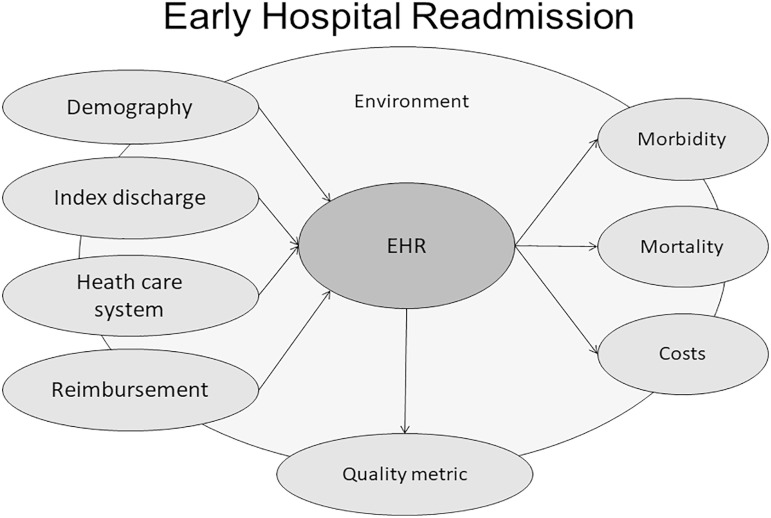
Early hospital readmission (EHR), defined as all readmissions within 30 days of initial hospital discharge, is a health care quality measure. It is influenced by the demographic characteristics of the population at risk, the multidisciplinary approach for hospital discharge, the access, coverage, and comprehensiveness of the health care system, and reimbursement policies. EHR is associated with higher morbidity, mortality, and increased health care costs. Monitoring EHR enables the identification of hospital and outpatient healthcare weaknesses and the implementation of corrective interventions. Among kidney transplant recipients in the USA, EHR ranges between 18 and 47%, and is associated with one-year increased mortality and graft loss. One study in Brazil showed an incidence of 19.8% of EHR. The main causes of readmission were infections and surgical and metabolic complications. Strategies to reduce early hospital readmission are therefore essential and should consider the local factors, including socio-economic conditions, epidemiology and endemic diseases, and mobility.
早期医院再入院(EHR),定义为初始出院后 30 天内的所有再入院,是医疗质量的衡量标准。它受高危人群的人口统计学特征、医院出院的多学科方法、医疗保健系统的可及性、覆盖范围和综合性以及报销政策的影响。EHR 与更高的发病率、死亡率和增加的医疗保健成本有关。监测 EHR 可以识别医院和门诊医疗保健的薄弱环节,并实施纠正干预措施。在美国的肾移植受者中,EHR 在 18%至 47%之间,与一年的死亡率和移植物丢失增加有关。巴西的一项研究显示 EHR 的发病率为 19.8%。再入院的主要原因是感染以及手术和代谢并发症。因此,减少早期医院再入院的策略是必不可少的,应考虑包括社会经济状况、流行病学和地方病以及流动性在内的当地因素。