Department of Plant Pathology, College of Plant Protection, Nanjing Agricultural University, Nanjing, China.
Key Laboratory of Monitoring and Management of Crop Diseases and Pest Insects, Ministry of Agriculture, Nanjing, China.
Mol Plant Pathol. 2020 Jun;21(6):854-870. doi: 10.1111/mpp.12935. Epub 2020 Mar 30.
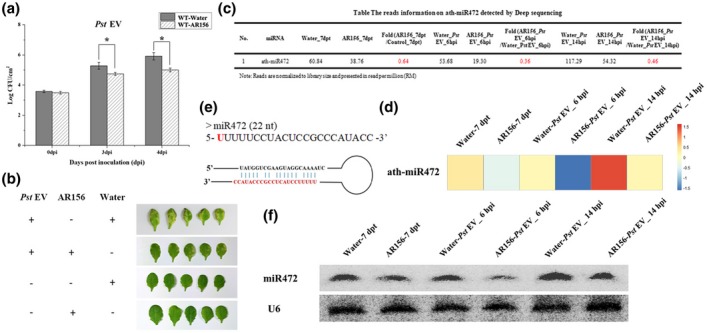
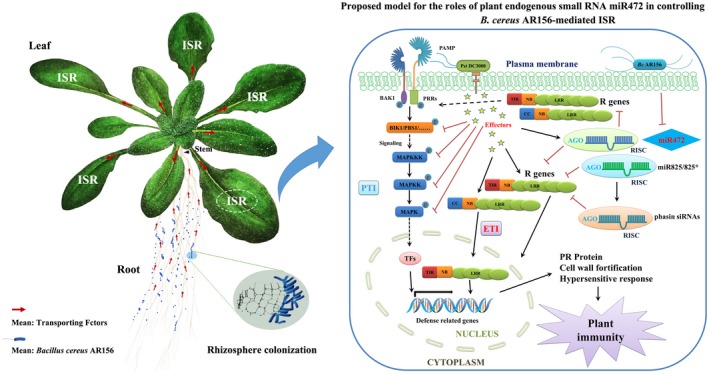
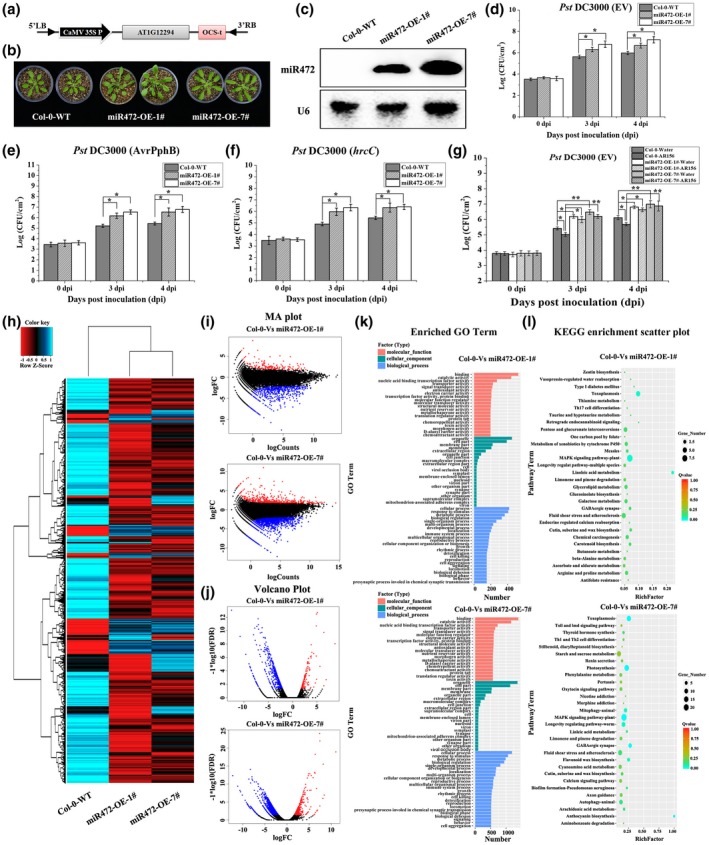
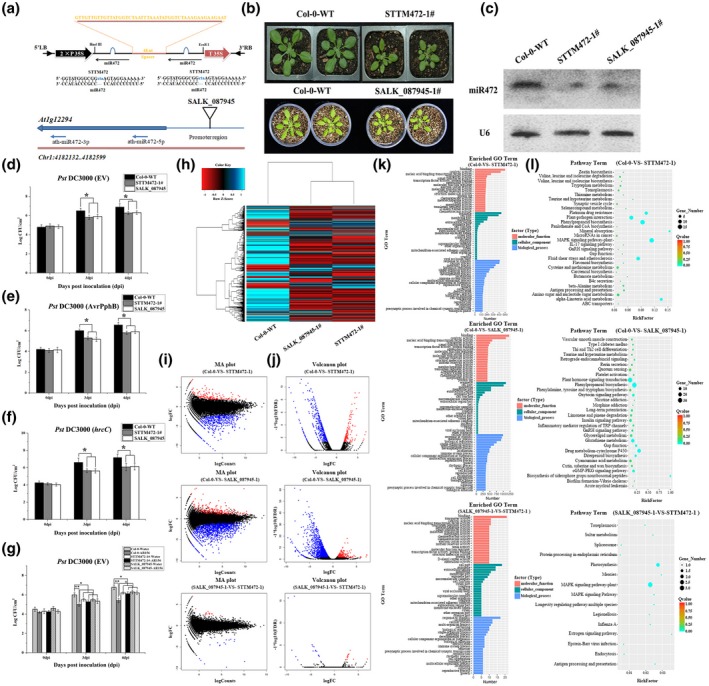
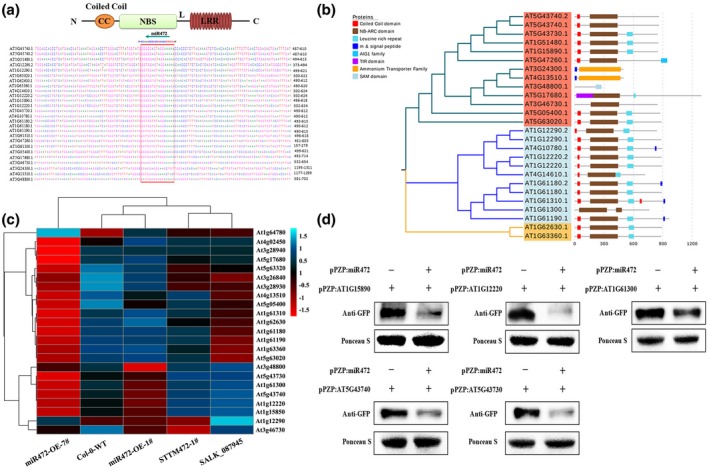
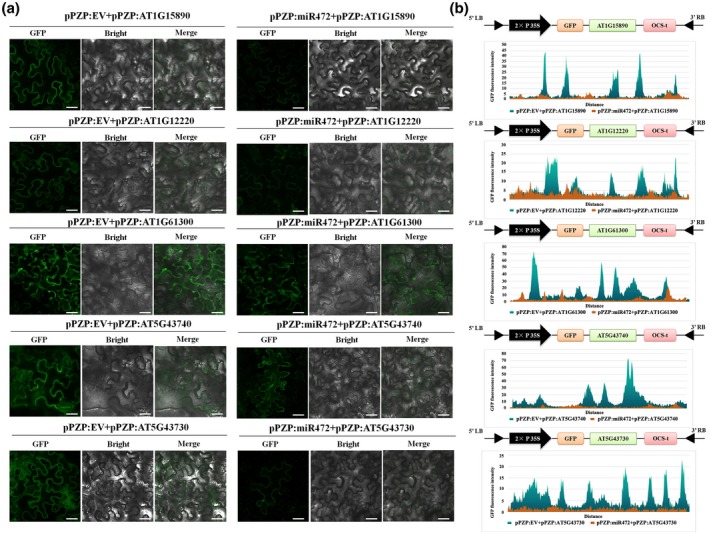
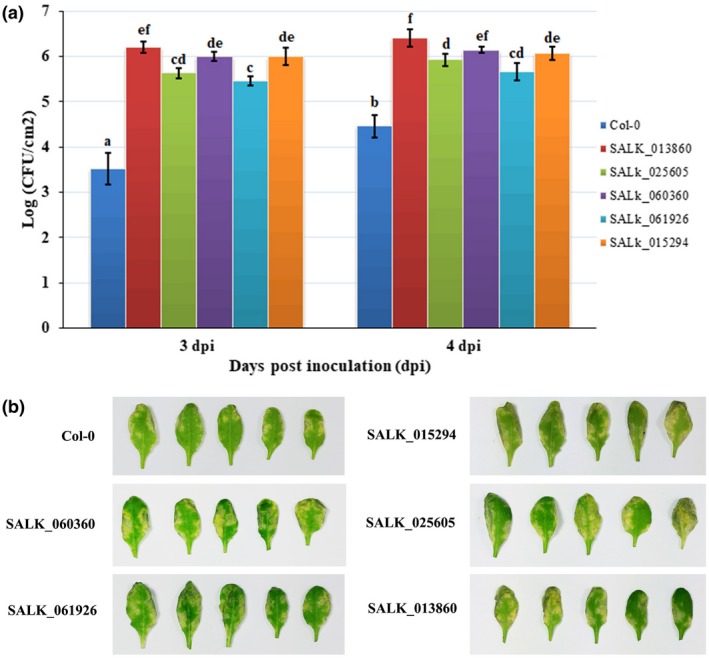
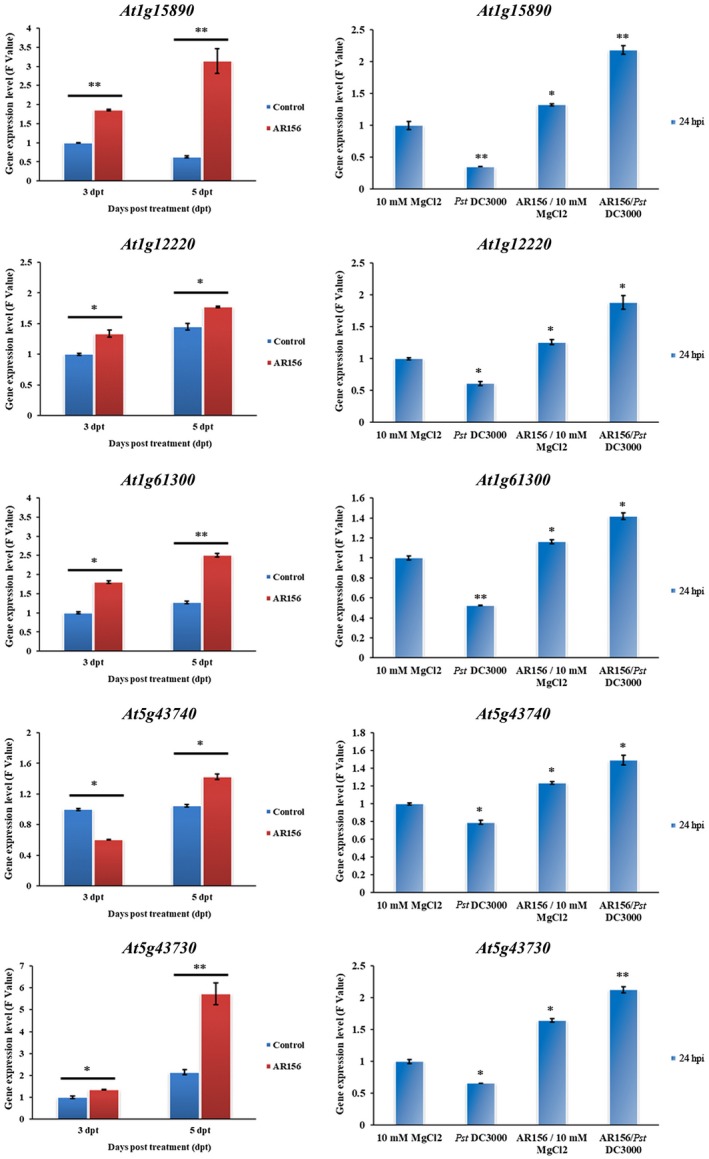
Small RNAs play an important role in plant innate immunity. However, their regulatory function in induced systemic resistance (ISR) triggered by plant growth-promoting rhizobacteria remains unclear. Here, using Arabidopsis as a model system, one plant endogenous small RNA, miR472, was identified as an important regulator involved in the process of Bacillus cereus AR156 ISR against Pseudomonas syringae pv. tomato (Pst) DC3000. The results revealed that miR472 was down-regulated with B. cereus AR156 treatment by comparing small RNA profiles and northern blot analysis of Arabidopsis with or without B. cereus AR156 treatment. Plants overexpressing miR472 showed higher susceptibility to Pst DC3000; by contrast, plant lines with miR472 knocked down/out showed the opposite. The transcriptome sequencing revealed thousands of differentially expressed genes in the transgenic plants. Target prediction showed that miR472 targets lots of coiled coil nucleotide-binding site (NBS) and leucine-rich repeat (LRR) type resistance genes and the expression of these targets was negatively correlated with the expression of miR472. In addition, transgenic plants with knocked-out target genes exhibited decreased resistance to Pst DC3000 invasion. Quantitative reverse transcription PCR results indicated that target genes of miR472 were expressed during the process of B. cereus AR156-triggered ISR. Taken together, our results demonstrate that the miR472-mediated silencing pathway is an important regulatory checkpoint occurring via post-transcriptional control of NBS-LRR genes during B. cereus AR156-triggered ISR in Arabidopsis.
小 RNA 在植物先天免疫中发挥重要作用。然而,它们在植物促生根际细菌引发的系统诱导抗性(ISR)中的调节功能尚不清楚。在这里,我们以拟南芥为模式系统,鉴定出一种植物内源性小 RNA,miR472,作为一个重要的调节剂,参与了芽孢杆菌 AR156 对丁香假单胞菌 pv.番茄(Pst)DC3000 的诱导系统抗性(ISR)过程。结果表明,通过比较有或没有芽孢杆菌 AR156 处理的拟南芥的小 RNA 图谱和 northern blot 分析,miR472 在芽孢杆菌 AR156 处理下下调。过表达 miR472 的植物对 Pst DC3000 的敏感性更高;相比之下,miR472 敲低/敲除的植物系表现出相反的结果。转录组测序显示在转基因植物中有数千个差异表达的基因。靶标预测表明,miR472 靶向许多卷曲螺旋核苷酸结合位点(NBS)和富含亮氨酸重复(LRR)型抗性基因,这些靶标的表达与 miR472 的表达呈负相关。此外,敲除靶基因的转基因植物对 Pst DC3000 的入侵表现出较低的抗性。定量反转录 PCR 结果表明,miR472 的靶基因在芽孢杆菌 AR156 引发的 ISR 过程中表达。综上所述,我们的结果表明,miR472 介导的沉默途径是一个重要的调控检查点,通过对芽孢杆菌 AR156 引发的 ISR 中 NBS-LRR 基因的转录后调控发生。