U. S. Food and Drug Administration, Center for Drug Evaluation and Research, Office of Translational Science, Office of Clinical Pharmacology, Division of Applied Regulatory Science, HFD-910, White Oak Federal Research Center, 10903 New Hampshire Ave, Silver Spring, MD, 20993, USA.
U. S. Food and Drug Administration, Center for Drug Evaluation and Research, Office of Medical Policy, White Oak Federal Research Center, 10903 New Hampshire Ave, Silver Spring, MD, 20993, USA.
BMC Genomics. 2020 Mar 30;21(1):263. doi: 10.1186/s12864-020-6665-2.
Emergence of antibiotic resistance is a global public health concern. The relationships between antibiotic use, the gut community composition, normal physiology and metabolism, and individual and public health are still being defined. Shifts in composition of bacteria, antibiotic resistance genes (ARGs) and mobile genetic elements (MGEs) after antibiotic treatment are not well-understood.
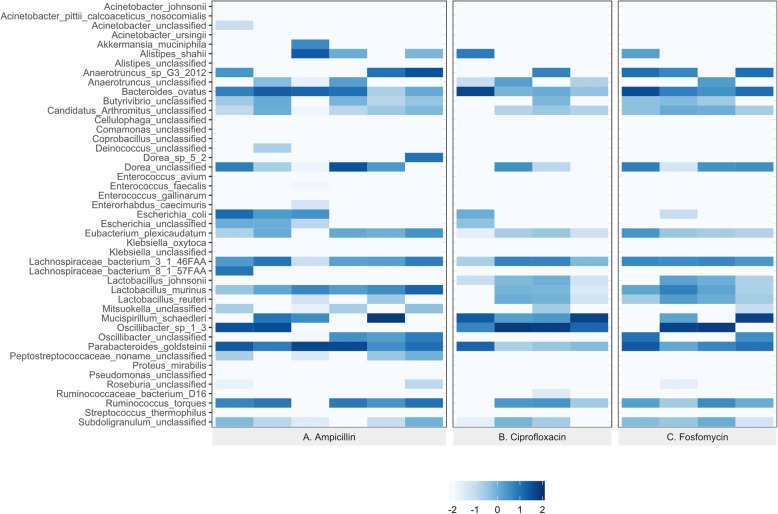
This project used next-generation sequencing, custom-built metagenomics pipeline and differential abundance analysis to study the effect of antibiotic monotherapy on resistome and taxonomic composition in the gut of Balb/c mice infected with E. coli via transurethral catheterization to investigate the evolution and emergence of antibiotic resistance.
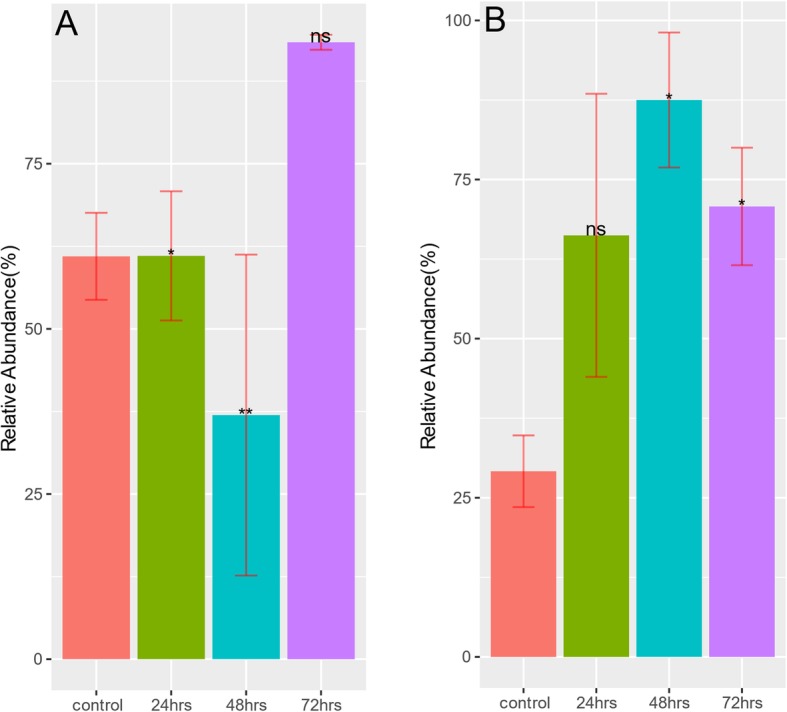
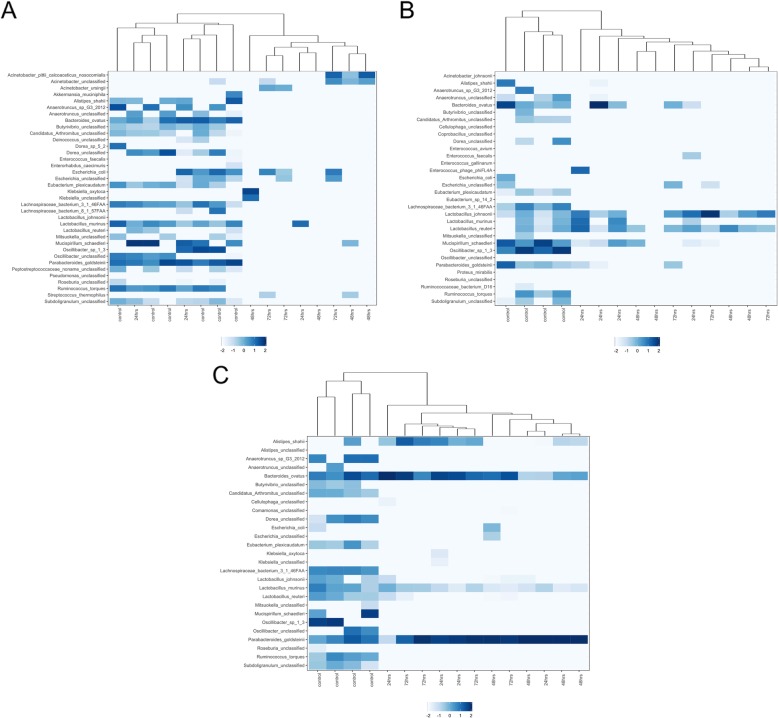
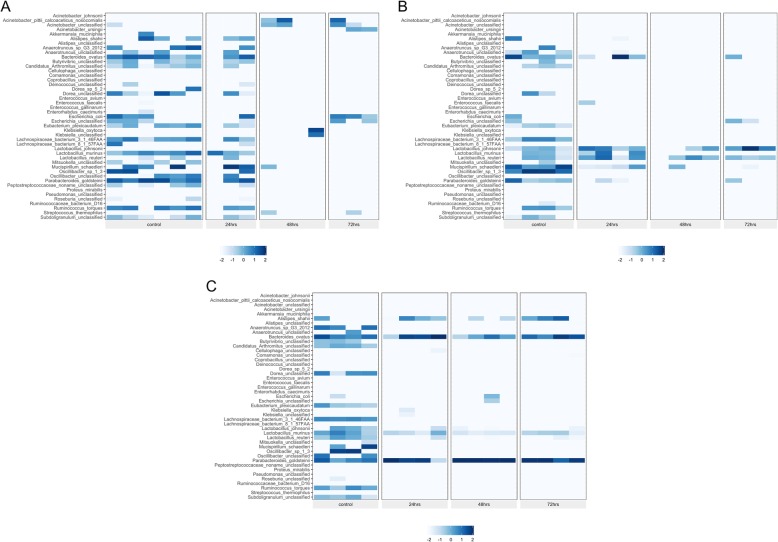
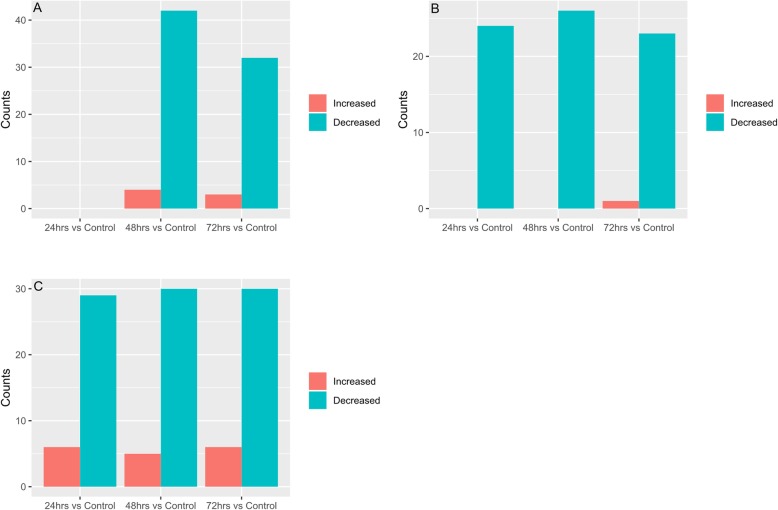
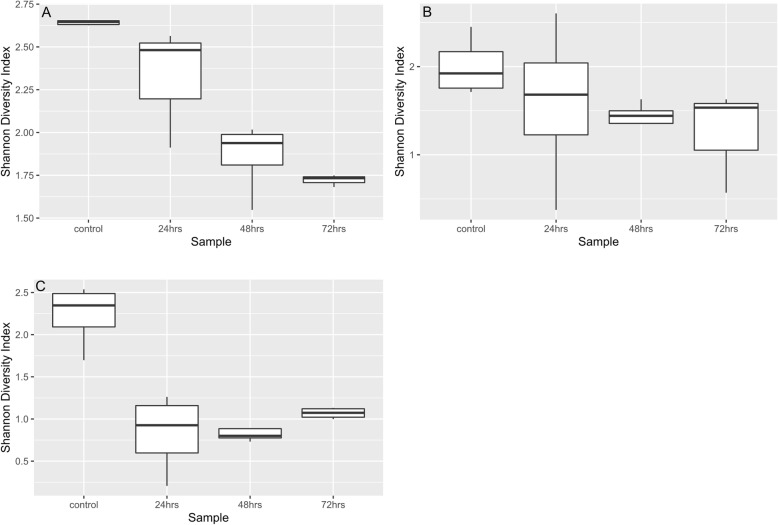
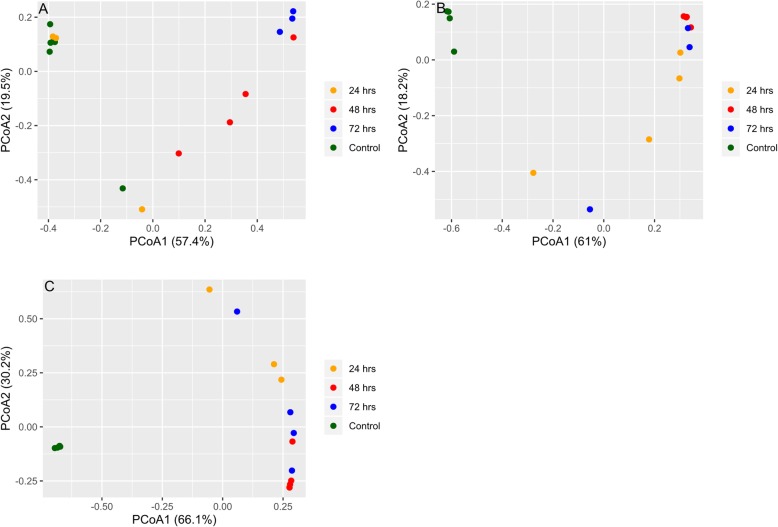
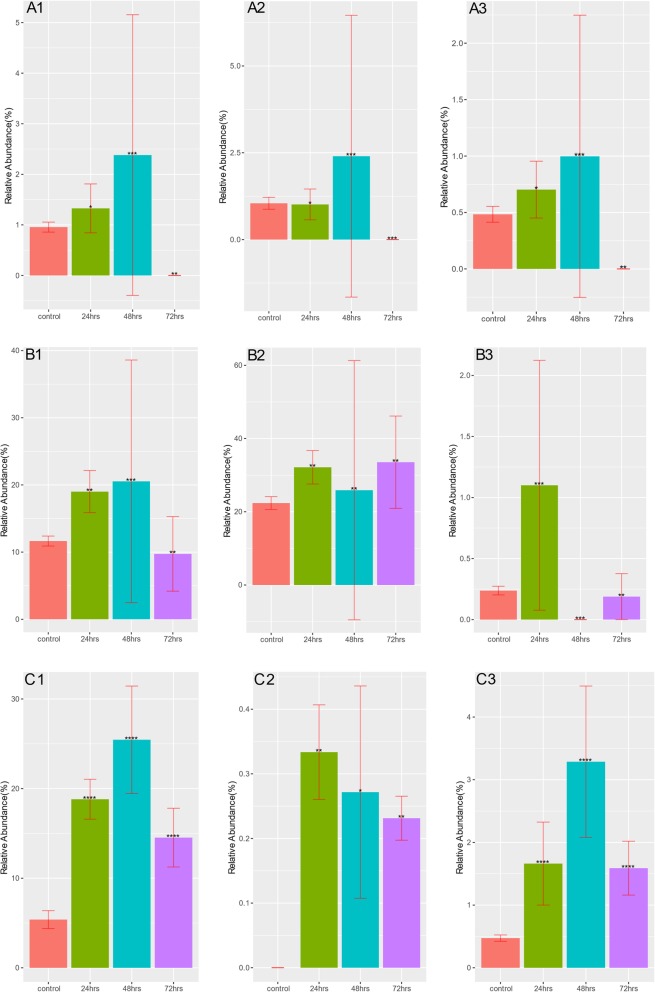
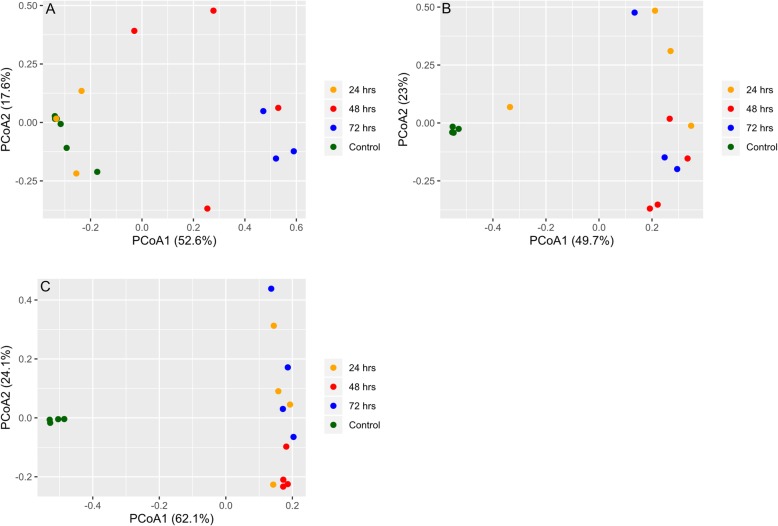
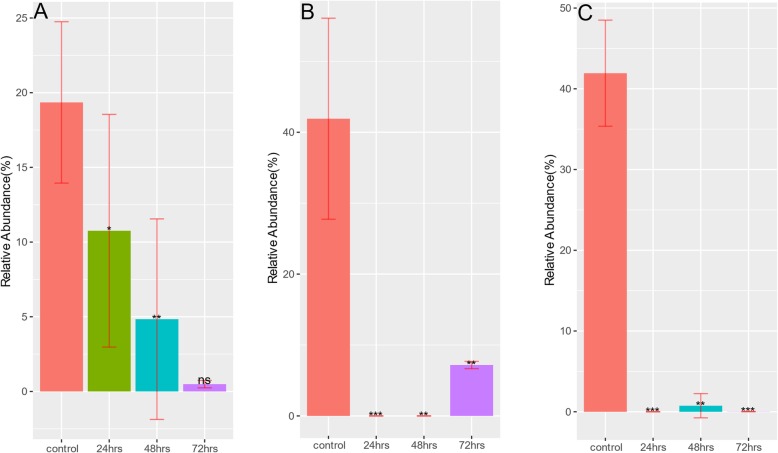
There is a longitudinal decrease of gut microbiota diversity after antibiotic treatment. Various ARGs are enriched within the gut microbiota despite an overall reduction of the diversity and total amount of bacteria after antibiotic treatment. Sometimes treatment with a specific class of antibiotics selected for ARGs that resist antibiotics of a completely different class (e.g. treatment of ciprofloxacin or fosfomycin selected for cepA that resists ampicillin). Relative abundance of some MGEs increased substantially after antibiotic treatment (e.g. transposases in the ciprofloxacin group).
Antibiotic treatment caused a remarkable reduction in diversity of gut bacterial microbiota but enrichment of certain types of ARGs and MGEs. These results demonstrate an emergence of cross-resistance as well as a profound change in the gut resistome following oral treatment of antibiotics.
抗生素耐药性的出现是一个全球性的公共卫生关注问题。抗生素的使用、肠道群落组成、正常生理和代谢,以及个体和公共健康之间的关系仍在不断定义中。抗生素治疗后细菌组成、抗生素耐药基因(ARGs)和移动遗传元件(MGEs)的变化尚不清楚。
本项目使用下一代测序、定制的宏基因组学管道和差异丰度分析,研究了单种抗生素治疗对通过经尿道导尿感染大肠杆菌的 Balb/c 小鼠肠道中的抗药性和分类组成的影响,以研究抗生素耐药性的进化和出现。
抗生素治疗后肠道微生物多样性呈纵向下降。尽管抗生素治疗后多样性和细菌总量总体减少,但各种 ARGs 在肠道微生物群中富集。有时,特定类别的抗生素治疗会选择对抗生素完全不同类别的抗生素具有耐药性的 ARGs(例如,环丙沙星或磷霉素治疗会选择对氨苄青霉素具有耐药性的 cepA)。抗生素治疗后某些 MGEs 的相对丰度显著增加(例如,环丙沙星组中的转座酶)。
抗生素治疗导致肠道细菌微生物群多样性显著降低,但某些类型的 ARGs 和 MGEs 富集。这些结果表明,在口服抗生素治疗后,会出现交叉耐药以及肠道抗药性的深刻变化。