Huber Tim, Najaf Zadeh Hossein, Feast Sean, Roughan Thea, Fee Conan
School of Product Design, University of Canterbury, Private Bag 4800, Christchurch 8020, New Zealand.
Biomolecular Interaction Centre, University of Canterbury, Private Bag 4800, Christchurch 8020, New Zealand.
Bioengineering (Basel). 2020 Mar 27;7(2):30. doi: 10.3390/bioengineering7020030.
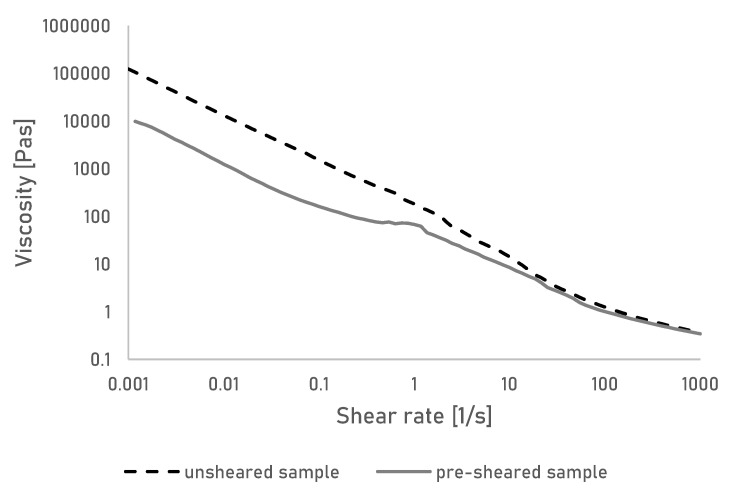
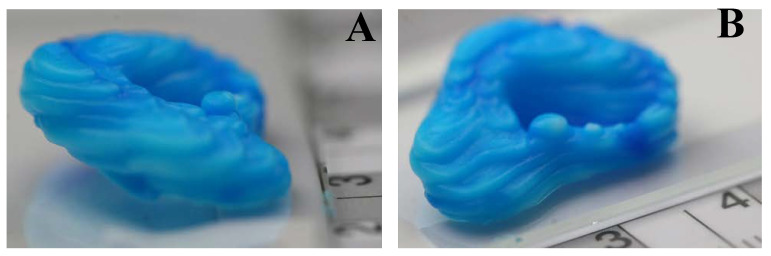
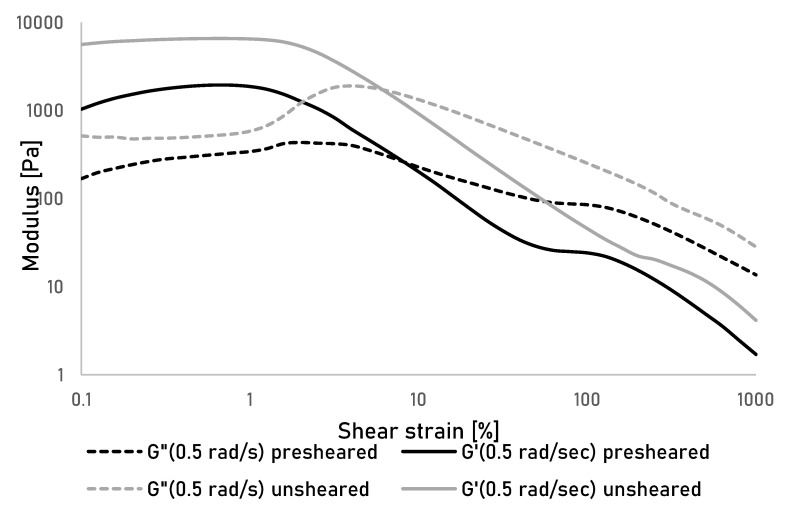
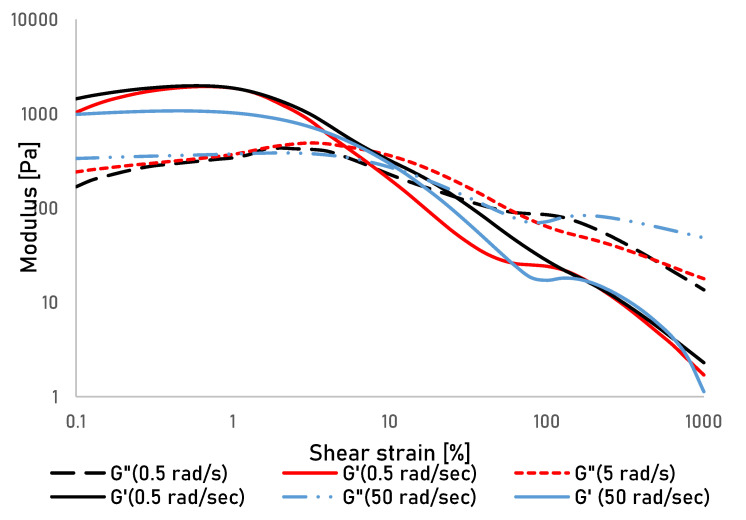
In recent years, 3D printing has enabled the fabrication of complex designs, with low-cost customization and an ever-increasing range of materials. Yet, these abilities have also created an enormous challenge in optimizing a large number of process parameters, especially in the 3D printing of swellable, non-toxic, biocompatible and biodegradable materials, so-called bio-ink materials. In this work, a cellulose gel, made out of aqueous solutions of cellulose, sodium hydroxide and urea, was used to demonstrate the formation of a shear thinning bio-ink material necessary for an extrusion-based 3D printing. After analysing the shear thinning behaviour of the cellulose gel by rheometry a Design of Experiments (DoE) was applied to optimize the 3D bioprinter settings for printing the cellulose gel. The optimum print settings were then used to print a human ear shape, without a need for support material. The results clearly indicate that the found settings allow the printing of more complex parts with high-fidelity. This confirms the capability of the applied method to 3D print a newly developed bio-ink material.
近年来,3D打印技术已能够制造复杂的设计产品,实现低成本定制,且可用材料种类不断增加。然而,这些能力也给大量工艺参数的优化带来了巨大挑战,尤其是在可膨胀、无毒、生物相容且可生物降解材料(即所谓的生物墨水材料)的3D打印方面。在这项工作中,由纤维素、氢氧化钠和尿素的水溶液制成的纤维素凝胶被用于展示基于挤出的3D打印所需的剪切变稀生物墨水材料的形成。通过流变学分析纤维素凝胶的剪切变稀行为后,应用实验设计(DoE)来优化用于打印纤维素凝胶的3D生物打印机设置。然后使用最佳打印设置打印出一个人耳形状,无需支撑材料。结果清楚地表明,所找到的设置允许以高保真度打印更复杂的部件。这证实了所应用方法对新开发的生物墨水材料进行3D打印的能力。