Kluczyński Janusz, Śnieżek Lucjan, Grzelak Krzysztof, Janiszewski Jacek, Płatek Paweł, Torzewski Janusz, Szachogłuchowicz Ireneusz, Gocman Krzysztof
Military University of Technology, Faculty of Mechanical Engineering, Institute of Robots & Machine Design, 2 Gen. S. Kaliskiego Street, 00-908 Warsaw 49, Poland.
Military University of Technology, Faculty of Mechatronics and Aviation, Institute of Armament Technology, 2 Gen. S. Kaliskiego Street, 00-908 Warsaw 49, Poland.
Materials (Basel). 2020 Mar 22;13(6):1449. doi: 10.3390/ma13061449.
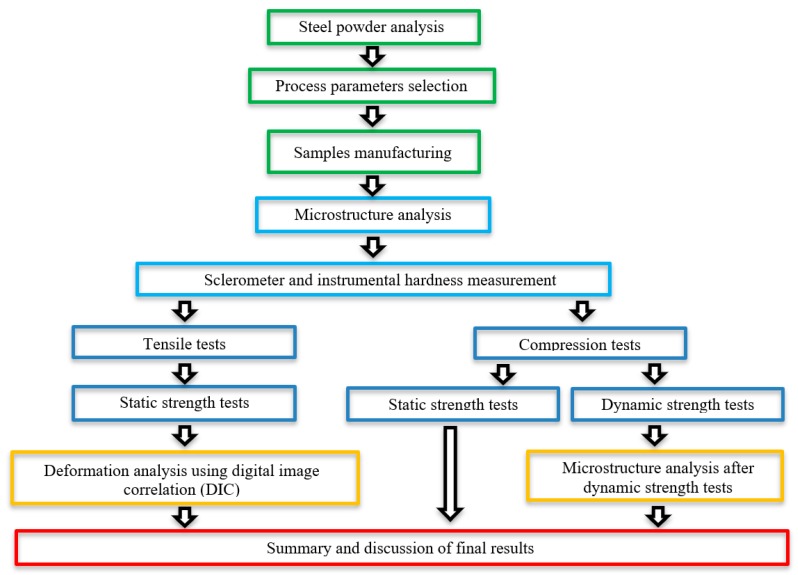
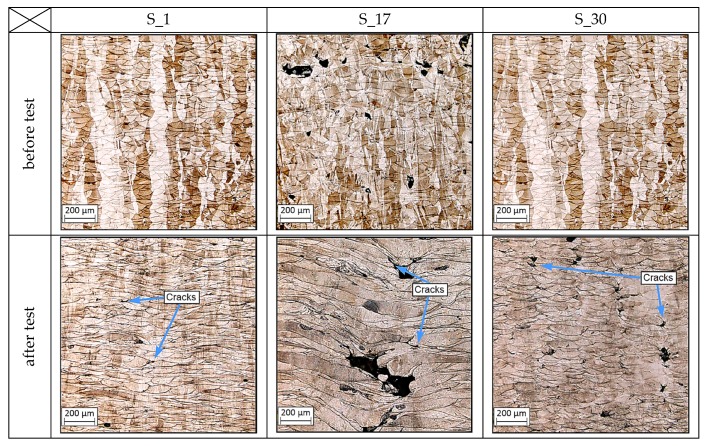
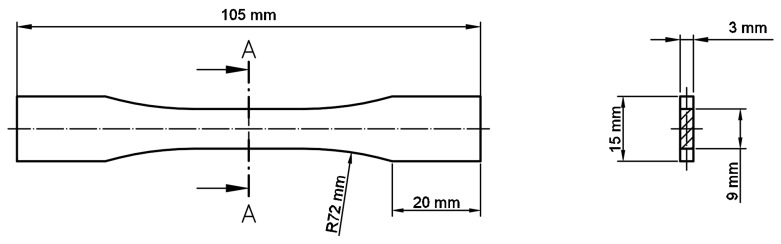
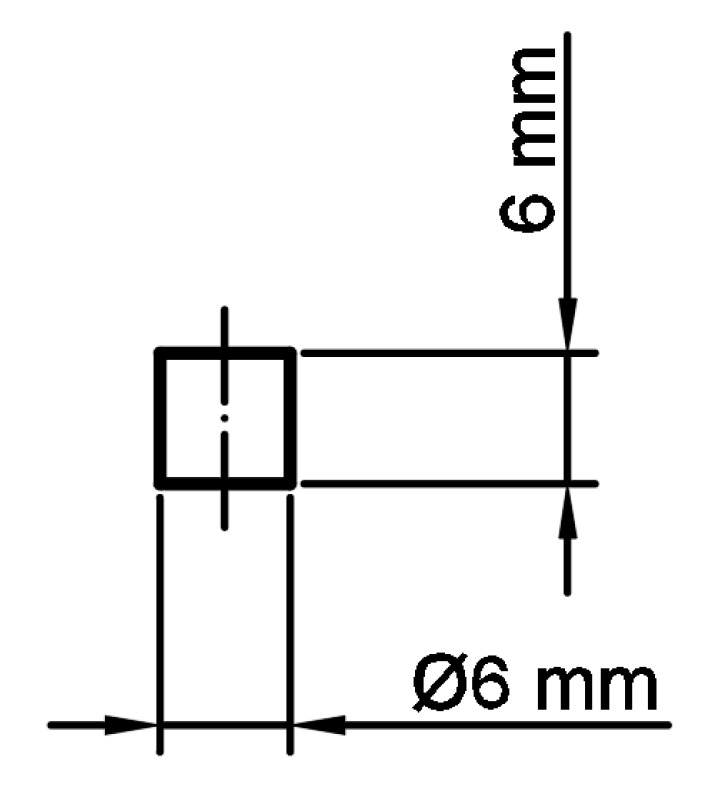
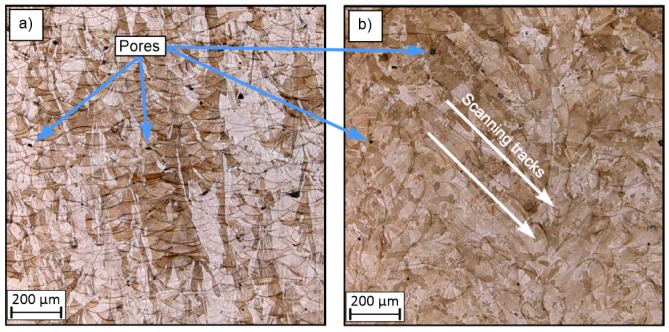
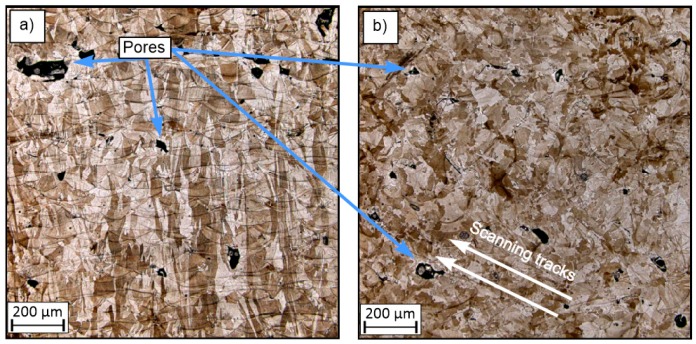
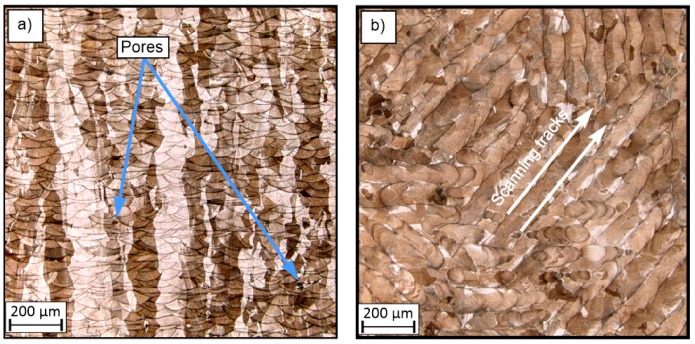
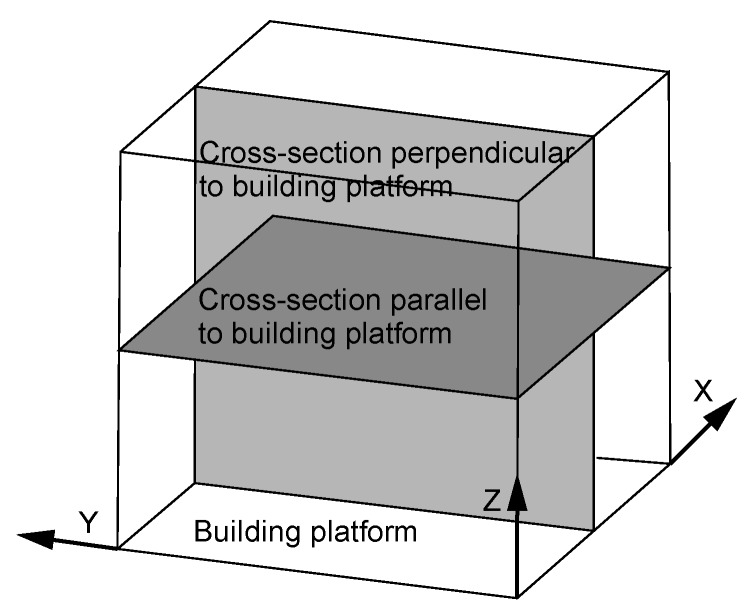
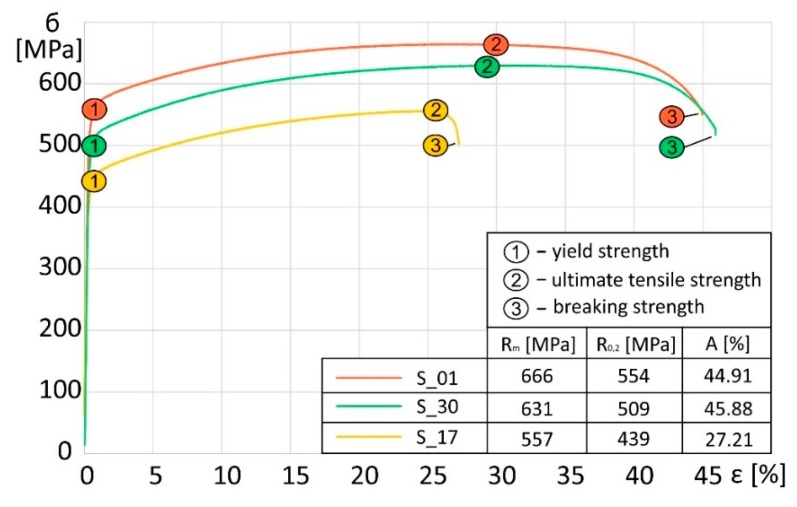
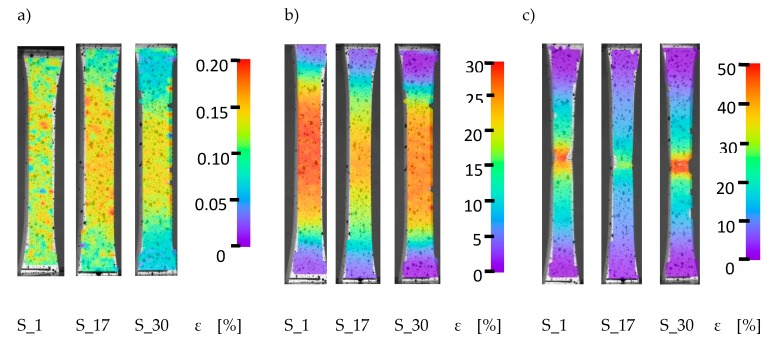
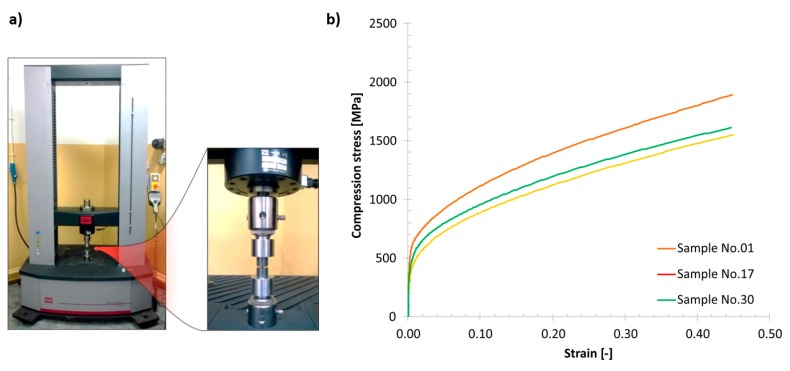
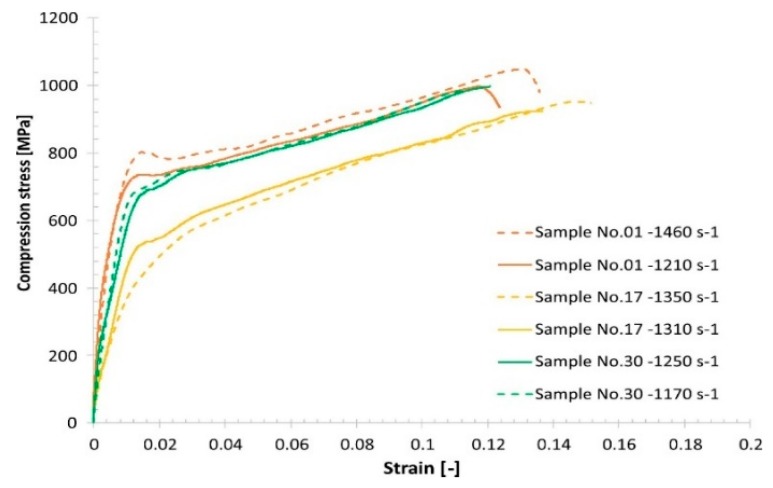
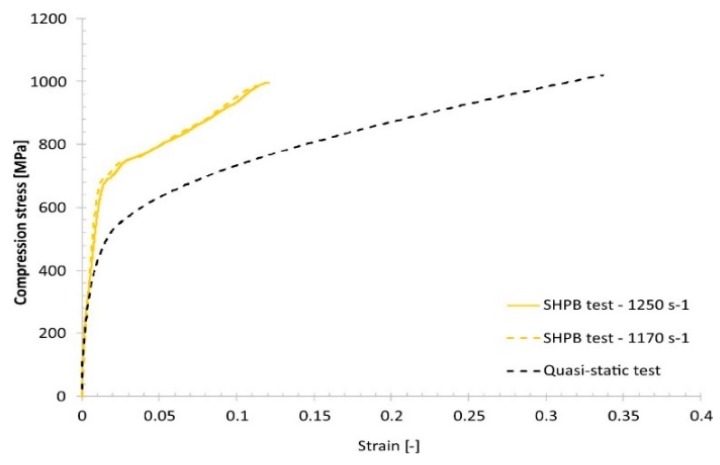
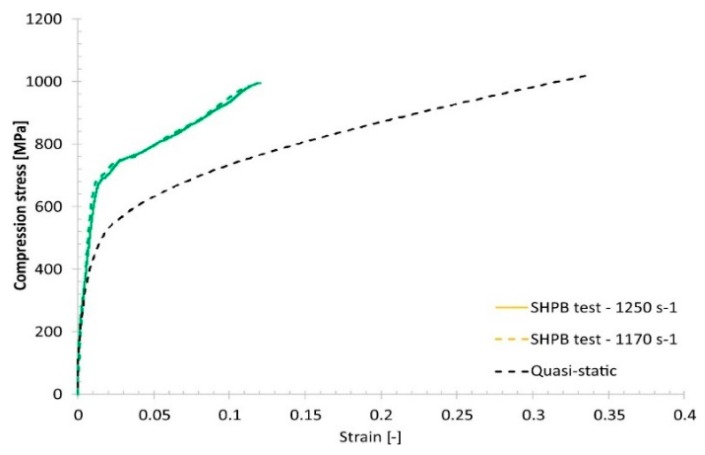
The main aim of this study was to investigate the influence of different energy density values used for the additively manufactured elements using selective laser melting (SLM).The group of process parameters considered was selected from the first-stage parameters identified in preliminary research. Samples manufactured using three different sets of parameter values were subjected to static tensile and compression tests. The samples were also subjected to dynamic Split-Hopkinson tests. To verify the microstructural changes after the dynamic tests, microstructural analyses were conducted. Additionally, the element deformation during the tensile tests was analyzed using digital image correlation (DIC). To analyze the influence of the selected parameters and verify the layered structure of the manufactured elements, sclerometer scratch hardness tests were carried out on each sample. Based on the research results, it was possible to observe the porosity growth mechanism and its influence on the material strength (including static and dynamic tests). Parameters modifications that caused 20% lower energy density, as well as elongation of the elements during tensile testing, decreased twice, which was strictly connected with porosity growth. An increase of energy density, by almost three times, caused a significant reduction of force fluctuations differences between both tested surfaces (parallel and perpendicular to the building platform) during sclerometer hardness testing. That kind of phenomenon had been taken into account in the microstructure investigations before and after dynamic testing, where it had been spotted as a positive impact on material deformations based on fused material formation after SLM processing.
本研究的主要目的是研究使用选择性激光熔化(SLM)对增材制造元件采用不同能量密度值的影响。所考虑的工艺参数组是从初步研究中确定的第一阶段参数中选取的。使用三组不同参数值制造的样品进行了静态拉伸和压缩试验。这些样品还进行了动态霍普金森压杆试验。为了验证动态试验后的微观结构变化,进行了微观结构分析。此外,在拉伸试验期间使用数字图像相关(DIC)分析元件变形。为了分析所选参数的影响并验证制造元件的层状结构,对每个样品进行了硬度计划痕硬度试验。基于研究结果,可以观察到孔隙率增长机制及其对材料强度的影响(包括静态和动态试验)。导致能量密度降低20%的参数修改以及拉伸试验期间元件的伸长率降低了两倍,这与孔隙率增长密切相关。能量密度增加近三倍,导致在硬度计硬度测试期间两个测试表面(平行和垂直于构建平台)之间的力波动差异显著减小。在动态测试前后的微观结构研究中考虑了这种现象,在那里它被视为基于SLM加工后熔合材料形成对材料变形的积极影响。